
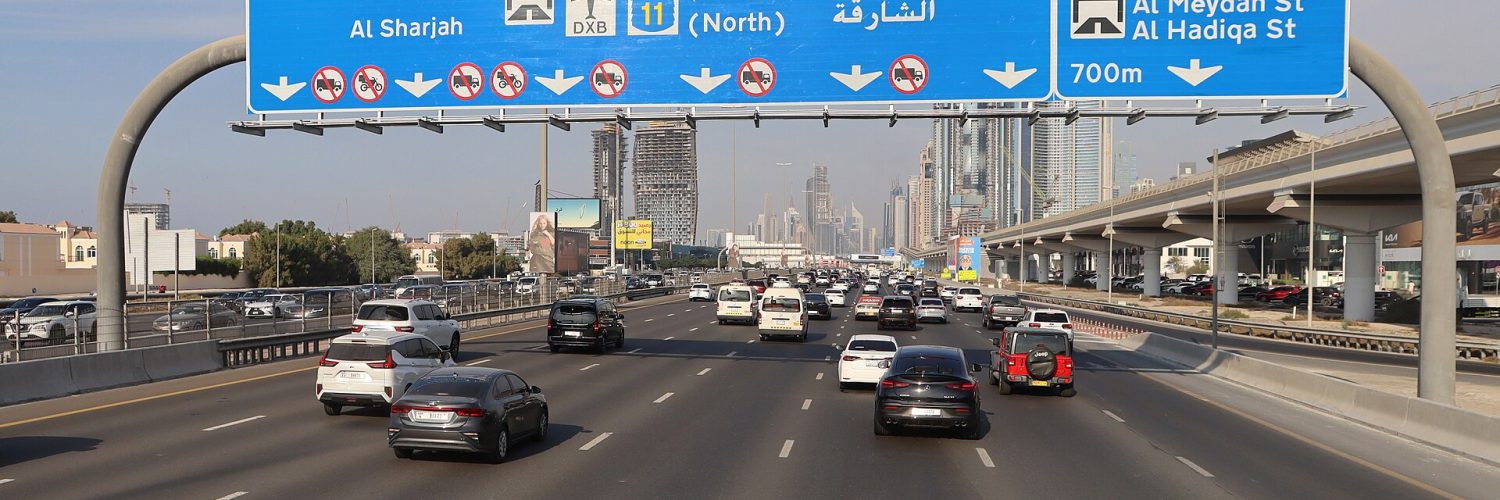
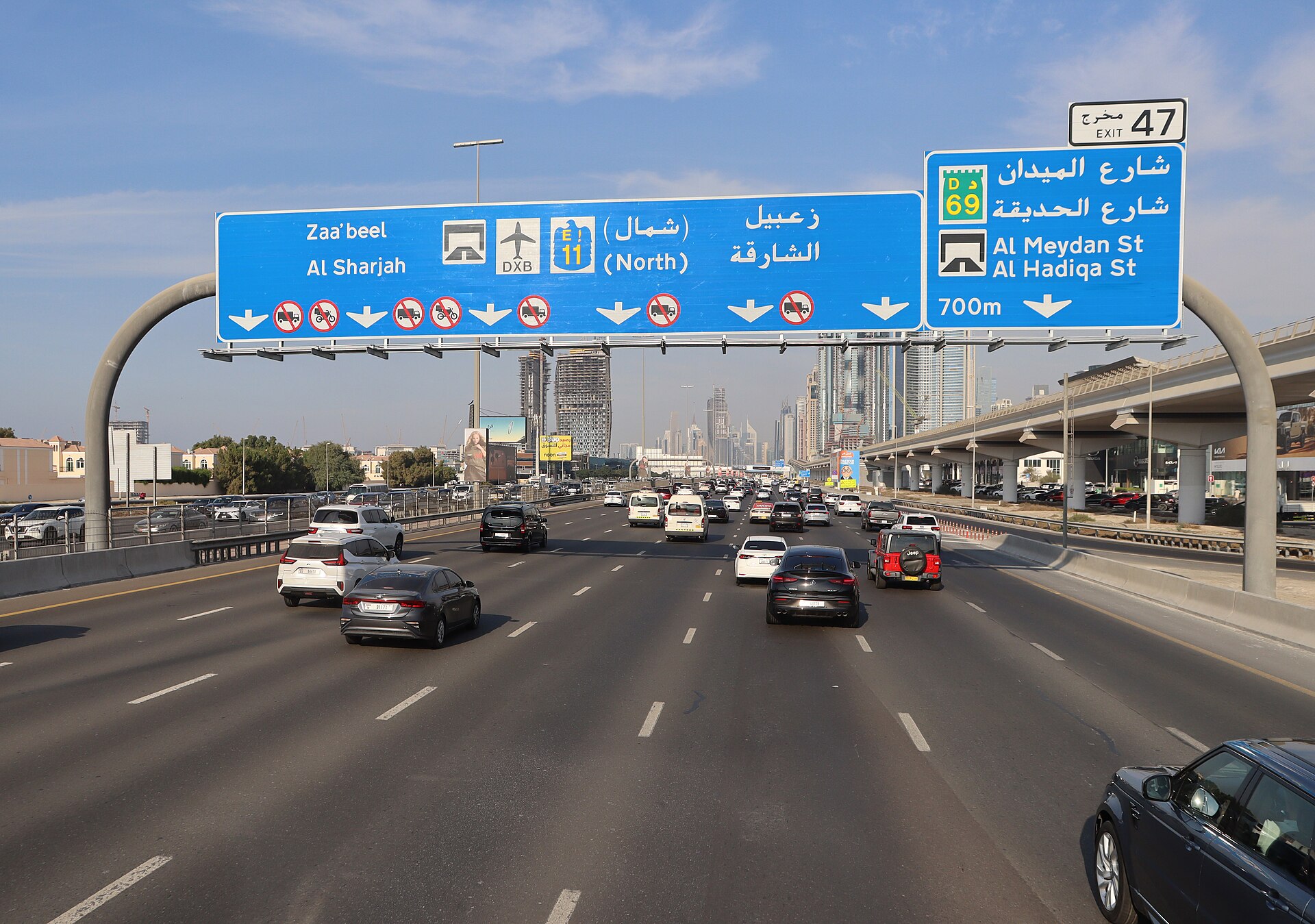
Dubai runs on twelve-lane highways, and the rental desks know it. Walk up without a booking and you will be steered toward a Nissan Patrol or a Toyota Fortuner on the logic that you need the size. For 90% of visitors that is a A$40-a-day upsell on a car you will park in an underground garage and drive on perfect tarmac.
Here is when the SUV genuinely earns its price in the UAE, what the smaller car costs instead, and the four charges — Salik, deposit, fines, Oman cover — that arrive after you have handed the keys back.
What you will actually pay
Dubai has one of the cheapest rental markets of any major world city. Typical 2026 daily rates on a one-week booking:
- Economy (Kia Pegas, Nissan Sunny): AED 70–120 per day (~US$19–33)
- Mid-size sedan (Toyota Corolla, Honda Civic): AED 110–180
- Compact SUV (Nissan Kicks, Hyundai Creta): AED 150–250
- Full-size 4×4 (Toyota Fortuner, Nissan Patrol): AED 280–500
- Luxury/exotic: AED 800–4,000, and a separate conversation entirely
Monthly rates break the pattern completely: a mid-size sedan often runs AED 1,400–2,200 for a full month, which is less than two weeks of daily hire. If your stay is over 20 days, always price the monthly rate. Compare Dubai rental rates across suppliers — the local operators frequently undercut the international brands here by a wide margin.
Check rates for your dates
When the SUV is genuinely the right call
Four scenarios, and only four:
- You are driving into the desert off-road. Real dune driving requires 4×4, low-range, deflated tyres and, ideally, a second vehicle. Note that almost every rental contract prohibits off-road driving and voids insurance the moment you leave tarmac. If dune bashing is the plan, book a tour with an operator whose vehicles are insured for it — do not do it in a hire car.
- Five or more passengers, or four with luggage. Straightforward capacity.
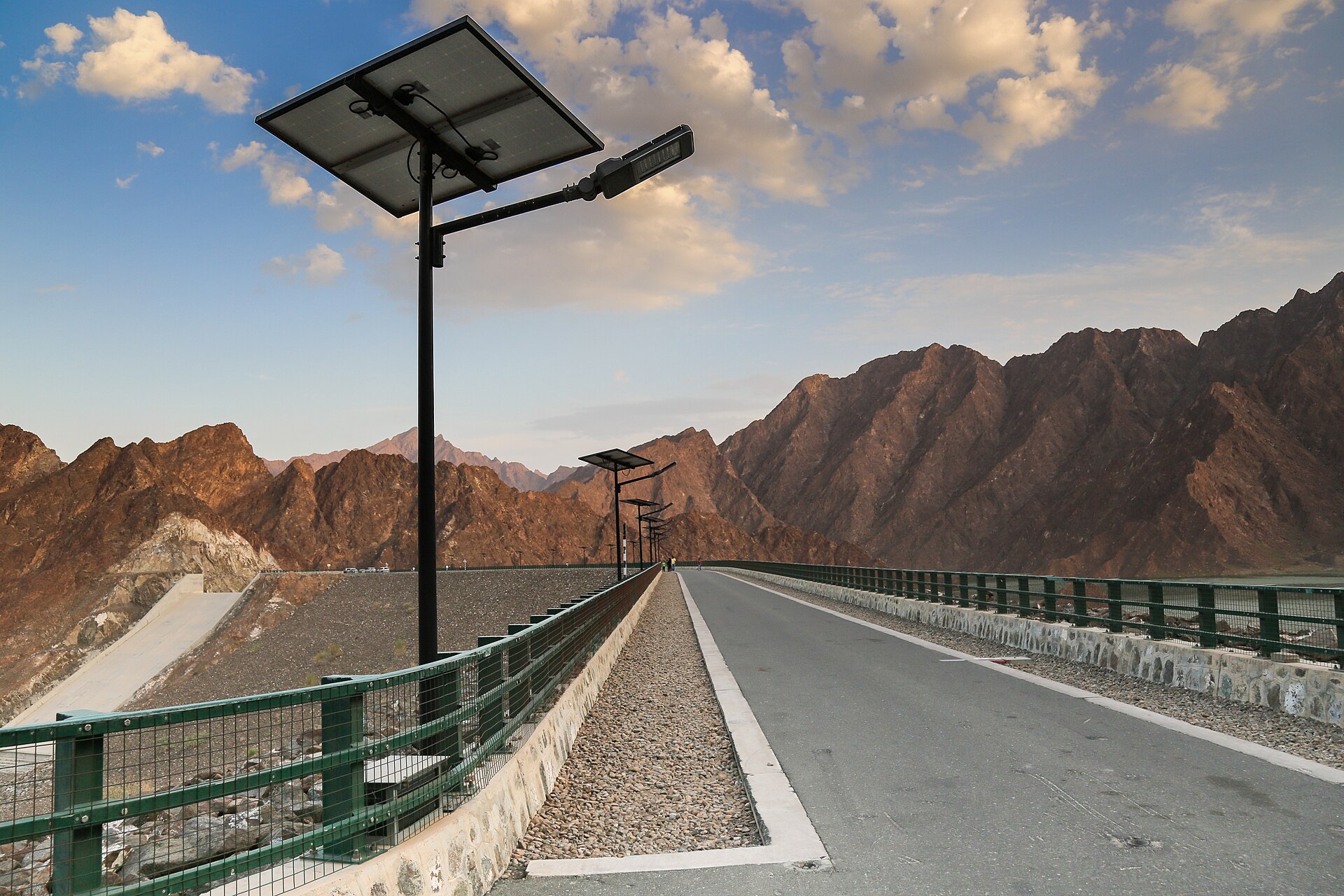
- Hatta and the Hajar mountains. The tarmac road to Hatta is fine in any car, but the wadi tracks beyond it are not. A compact SUV with some clearance is the sensible middle.
- Peace of mind at highway speed. Legitimate, if honest. Dubai’s highways run at 100–120 km/h limits with a 20 km/h buffer in some emirates, and the traffic mix includes vehicles moving considerably faster. Some drivers simply feel better in something larger.
Everything else — Downtown, Marina, JBR, the Palm, Abu Dhabi, the airport, the malls — is flat, paved, and better served by a sedan you can actually park.

Salik: the toll you cannot opt out of
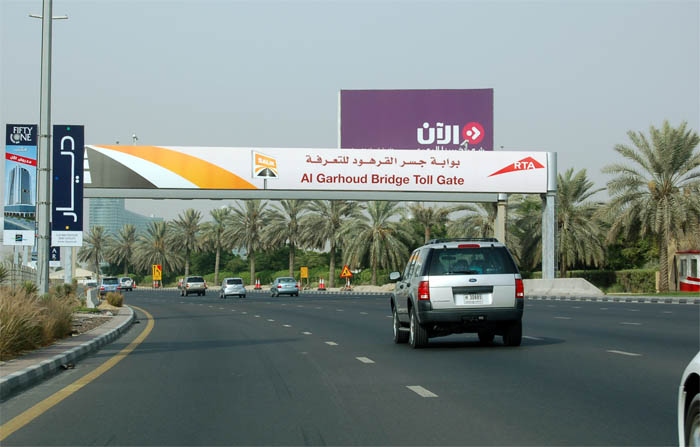
Salik is Dubai’s automatic toll system. Gates sit on Sheikh Zayed Road, Al Garhoud Bridge, Al Maktoum Bridge, Airport Tunnel and several other arteries. Every rental car has a tag on the windscreen. Every pass through a gate charges AED 4, automatically, with no way to pay cash or opt out.
Two things to check in your contract:
- The admin fee. Many companies add AED 5–10 per Salik crossing as a “processing charge” on top of the AED 4 toll. That can more than double your toll bill. Ask before signing; some suppliers charge nothing extra.
- How it is settled. Either deducted from your deposit at return, or charged to your card weeks later. The latter is why you should not treat the deposit release as the end of the transaction.
Realistic cost: a visitor staying in Marina and driving to Downtown and the airport a few times will rack up AED 60–150 in Salik over a week. Waze and Google Maps both flag Salik gates and will route around them if you ask — occasionally worth it, usually not once you price the extra fuel and time.
Licences, deposits and the paperwork
- Licence: Citizens of the US, UK, EU, Canada, Australia, New Zealand, Japan, South Korea, South Africa and the GCC can generally drive on their home licence as tourists. Most other nationalities need an International Driving Permit alongside it. Get the IDP at home — you cannot obtain one in the UAE.
- Minimum age: 21 for most categories, 25 for larger SUVs and premium cars, often with a young-driver surcharge below 25.
- Deposit: AED 1,000–5,000 blocked on a credit card, held for 3–4 weeks after return to cover fines that arrive late. Debit cards are widely refused. This hold is the most common unpleasant surprise for visitors.
- Documents: passport, visa entry stamp, licence, credit card in the driver’s name.
Fines arrive after you leave
The UAE is comprehensively camera-enforced. Speeding fines start around AED 300 and climb steeply; the rental company will charge them to your card, plus an administrative fee of AED 50–150 per fine, often a month or two after your trip. Radar cameras are frequently unmarked and are set on a fixed threshold above the posted limit, which varies by emirate — Abu Dhabi’s roads generally have no buffer at all, unlike Dubai’s.
Also fineable and rigorously enforced: using a handheld phone (AED 800), not wearing a seatbelt in any seat (AED 400), and tailgating. A dirty car can technically be fined too.
The Oman question
If you plan to drive to Musandam or into Oman proper, you need explicit cross-border insurance arranged by the rental company in advance — typically AED 150–400, and requiring 24–48 hours notice. Driving a UAE hire car into Oman without it means no insurance and, at the border, a refused crossing. This is not something to sort out on the day.
Fuel, parking and practicalities
- Petrol runs around AED 2.60–3.10 per litre in 2026 — cheap, and all stations are full-service. You do not pump your own.
- Parking in public zones is paid via the RTA Dubai app or SMS, roughly AED 2–4 per hour, free on Sundays and public holidays in most zones. Mall parking is free for the first several hours and is the reason nobody street-parks in Dubai.
- Fuel policy: insist on full-to-full. Pre-purchase fuel deals are priced well above pump rate.
- Photograph everything at pickup — all four corners, the windscreen, the wheels, the fuel gauge, and the Salik tag. Sand-blasted paint is a common and disputable charge.
Getting from DXB to your hotel on day one
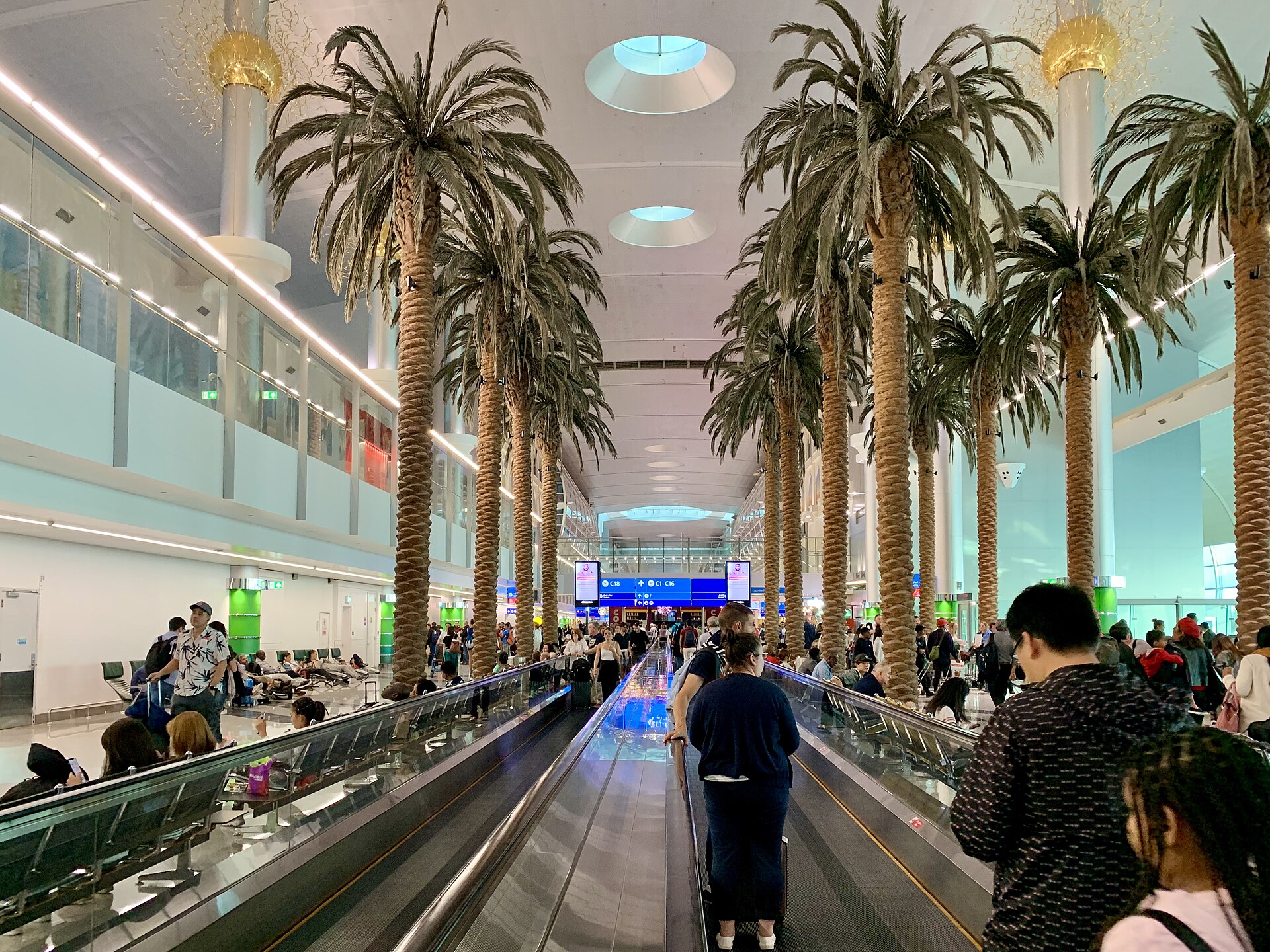
One decision people get wrong is collecting the rental car at the airport on arrival. Dubai International is busy, the rental desks are landside after a long walk, and the drive out puts you onto Sheikh Zayed Road in unfamiliar conditions, often at night, jet-lagged, with Salik gates you have not yet read about. The car is almost always cheaper and less stressful collected from a city branch on day two, once you know where you are staying and whether you actually need it.
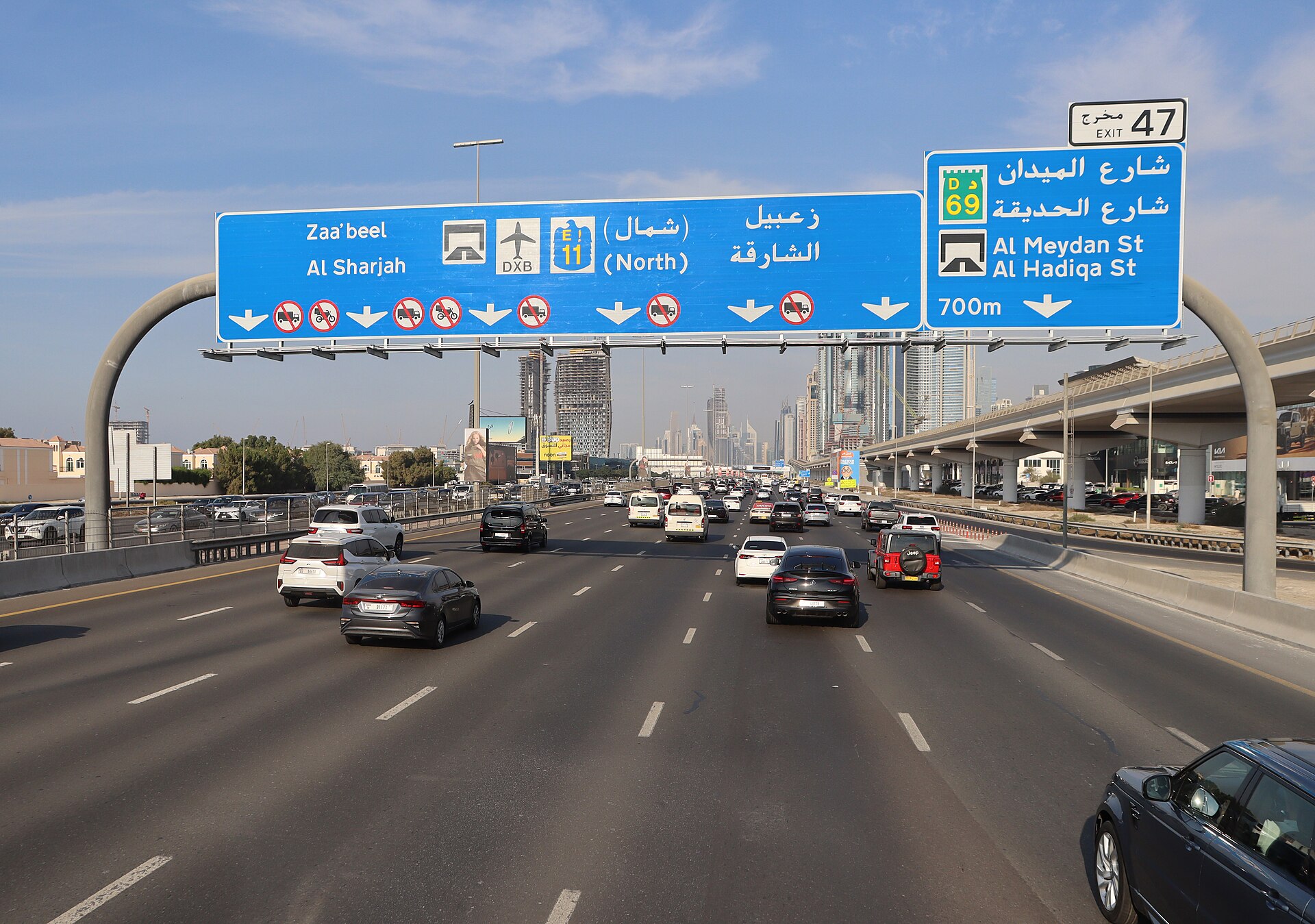
For the arrival itself the metro Red Line runs from Terminals 1 and 3 into the city for a few dirhams but does not operate through the small hours and is awkward with luggage. Airport taxis are metered with an airport surcharge. A pre-booked transfer is a fixed price with a driver waiting, which matters most on the late-night arrivals that dominate this airport’s schedule:
Do you need a car at all?
Honest answer: for a four-day trip staying in Downtown or Marina, probably not. The Dubai Metro is clean, cheap and connects the airport, Downtown, Marina and Expo City, and taxis are inexpensive by international standards. A car earns its keep when you are doing Abu Dhabi, Hatta, Al Ain, Sharjah or Ras Al Khaimah day trips — the intercity journeys where public transport becomes genuinely painful.
For airport arrival specifically, a pre-booked car costs about the same as a taxi and skips the queue: compare fixed-price Dubai airport transfers.
Where you stay changes the answer
Hotels in Downtown and Marina almost all charge for parking (AED 30–60 per night); older properties in Deira and Bur Dubai often include it free. Factor that into the comparison — a week of hotel parking can equal two days of rental. Compare Dubai hotel rates and parking policies.
Because parking cost is effectively part of the room rate here, compare the two together rather than separately — a Deira room with free parking can beat a cheaper Marina room once a week of AED 40 nights is added. Check what rooms in each district are going for on your dates:
Our guide to things to do in Dubai covers which districts put you nearest the attractions you actually want.
Connectivity
Coverage is total across the UAE, including deep into the desert highways. Note that WhatsApp and FaceTime voice/video calls are restricted on local networks — a UAE eSIM routes data the same way, so do not expect it to be a workaround. Plan on regular calls or data-based alternatives that are permitted.
The verdict
Rent the sedan. Add the SUV only for five-plus passengers or a genuine mountain itinerary, ask about the Salik admin fee before you sign, expect a four-week credit hold, and photograph the car properly. Dubai is one of the easiest places in the world to drive — the costs that catch people out are all administrative, not automotive.
Comparing SUV decisions elsewhere? See our takes on Utah’s Mighty 5 and Namibia self-drive.




Add comment