
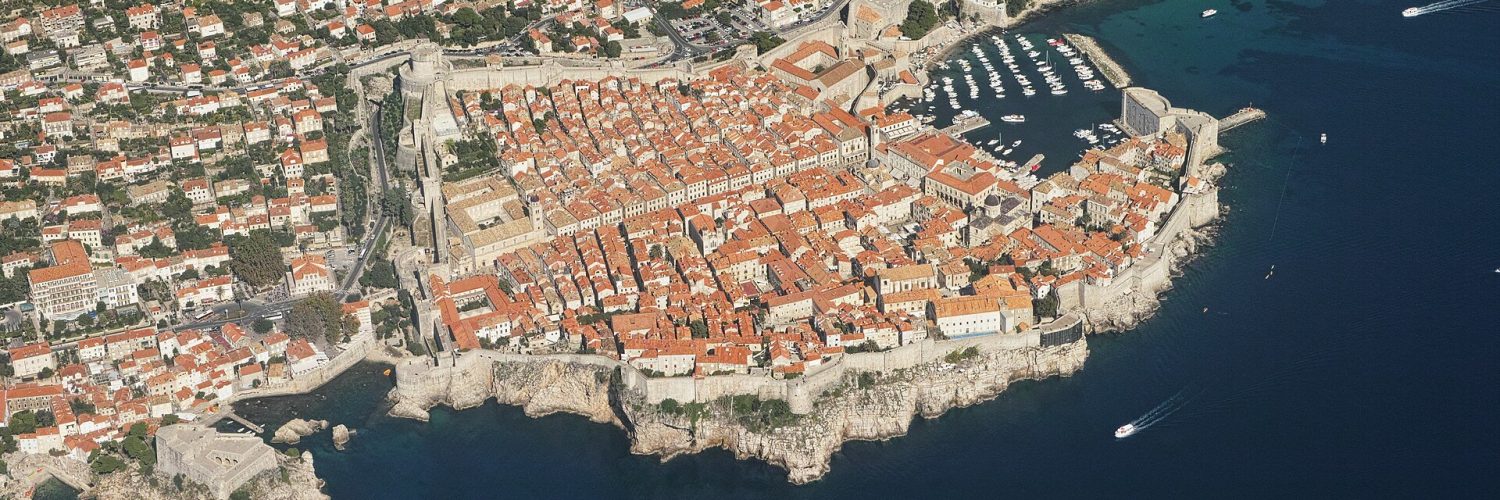
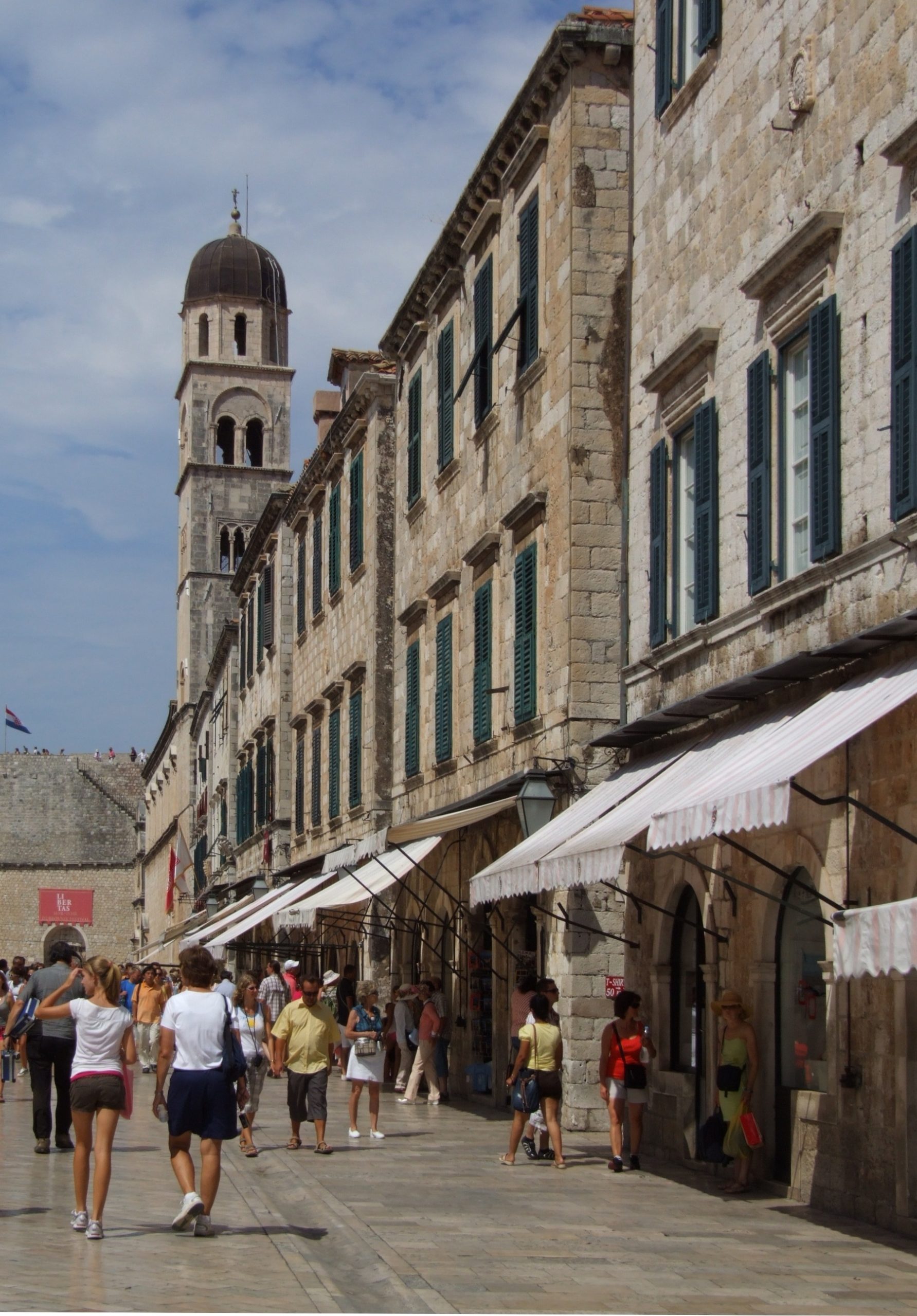
Dubrovnik limits itself to two cruise ships and 5,000 passengers inside its walls on any given day. The city imposed the cap on itself in 2019, after UNESCO warned that overtourism was putting its World Heritage status at risk. No other Mediterranean old town polices its own door this strictly — which tells you most of what you need to know before you plan a visit here. Get the timing right and you’ll walk a nearly empty rampart at sunrise. Get it wrong and you’ll shuffle down Stradun shoulder to shoulder with four cruise ships’ worth of day-trippers.
Why Dubrovnik looks the way it does
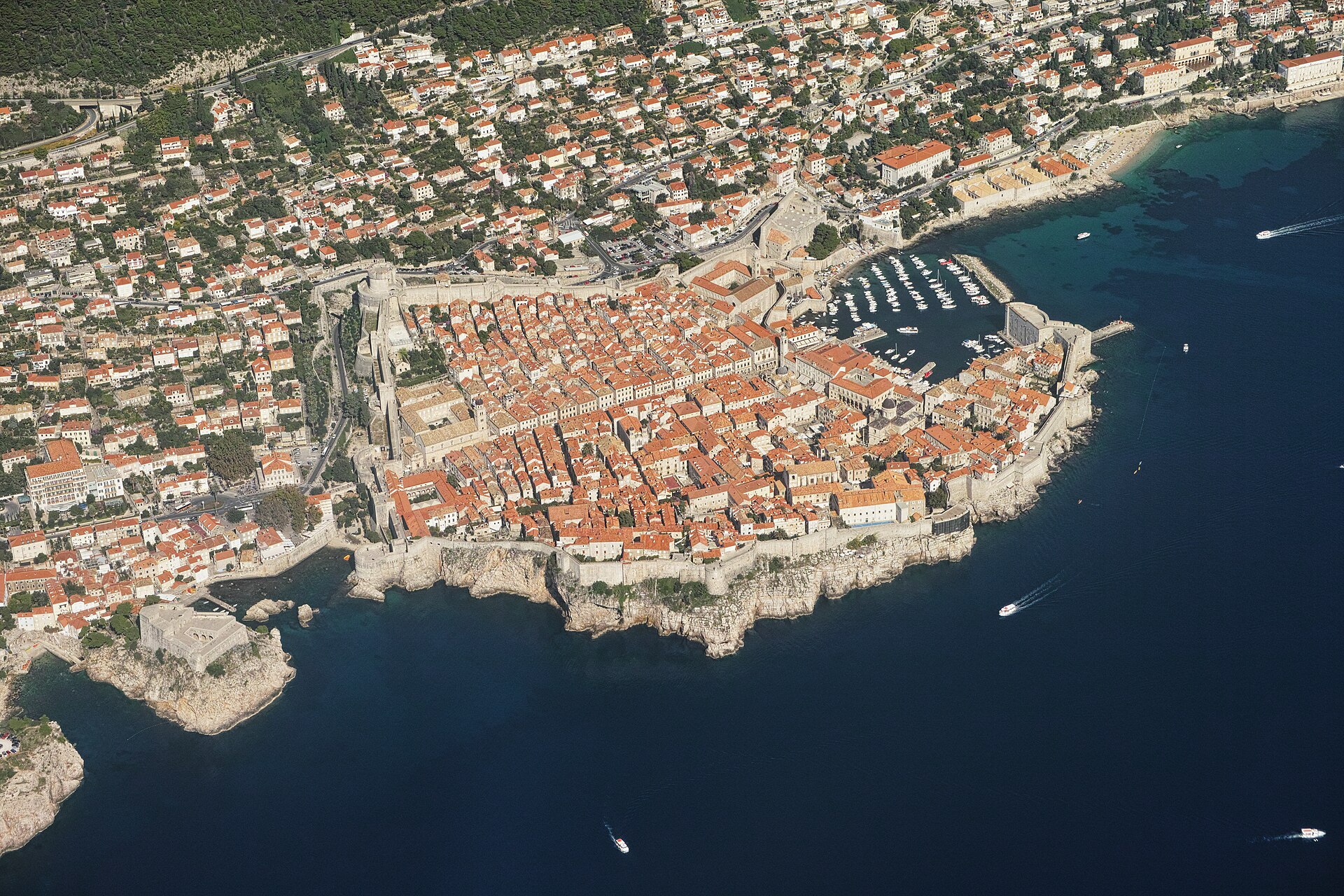
For over four centuries, Dubrovnik ran itself as an independent mercantile state — the Republic of Ragusa — that answered to no king. Where Venice expanded by conquest, Ragusa survived by diplomacy, deliberately paying tribute to whichever regional power was strongest (the Ottomans included) rather than fighting wars it couldn’t win. The money that diplomacy saved went into the walls: nearly 2 kilometers of fortifications up to 6 meters thick, built and rebuilt from the 13th through 16th centuries, with round towers added after engineers studied the new reach of cannon fire. The Republic also abolished the slave trade in 1416, centuries ahead of most of Europe, and ran one of the era’s most advanced quarantine and public health systems — the Lazarets you can still see near the Old Port date from this period.
The other reason the city looks the way it does is more recent and much darker. During the 1991–92 siege, Yugoslav forces shelled the Old City directly: of 824 buildings inside the walls, 594 were damaged, including 76 direct hits on the walls themselves and 45 on Stradun, the main street. Nine buildings burned to the ground. What you walk through today is largely a careful, UNESCO-monitored restoration using traditional techniques and, where possible, original stone — look up at the rooftops and you can still tell the newer orange-red tiles from the handful that survived unburnt.
Getting in from the airport
Dubrovnik Airport (Čilipi) sits about 21 km southeast of the Old Town, and the drive takes 25–35 minutes outside peak summer traffic (allow closer to 50 minutes in July–August). The Platanus shuttle bus meets every flight and costs around €10 one-way or €15 for an open return, but it drops you at Ploče Gate on the eastern side of the walls — if your hotel is near Pile Gate on the west side, that’s still a 10–15 minute walk with luggage. A taxi or private transfer runs on the meter or a fixed quote and takes about the same time door to door; both Uber and Bolt operate here, which is a reasonable way to sanity-check a rank fare.
What’s worth booking ahead
The City Walls walk is the one thing almost everyone does, and for good reason — but it isn’t cheap. A standalone adult ticket runs around €40 for 2026, and a 1-day Dubrovnik Pass costs the same while also covering ten museums and unlimited city buses, which makes the pass the better deal if you’re spending a full day inside the walls. Budget 1–2 hours for the full circuit; closer to 2 if you stop for photos. Go right at opening (8am in high season) or in the last two hours before closing — both avoid the worst of the cruise-ship crowds, which peak from about 10am to 2pm.
The cable car up Mount Srđ is worth planning around rather than queuing for on a whim: it climbs 412 meters in under four minutes, costs roughly €27–30 round-trip (about €20 one-way if you plan to hike back down), and the return line can run long at midday. Early morning or just before sunset are both better, and the sunset slot in particular tends to sell out.
What’s free and still worth it
You don’t have to pay to experience most of what makes Dubrovnik distinctive. Wandering Stradun itself, the Old Port, and the warren of stepped side streets costs nothing. Banje Beach is public, as is the walk out to Fort Lovrijenac’s exterior (the fort’s interior requires a ticket, often bundled with the City Walls). If you’ve watched Game of Thrones, you can self-guide a King’s Landing route — Fort Lovrijenac stood in for the Red Keep, and the Jesuit Stairs doubled as the setting for Cersei’s walk of atonement — all without booking a paid tour, though guided versions exist if you want the behind-the-scenes detail.
Inside the walls vs. Lapad and Babin Kuk
Staying inside the Old City means you’re steps from everything, but also inside the most crowded, least soundproofed part of town — stone streets carry noise, and most rooms are small guesthouses up several flights of stairs with no lift. Lapad and Babin Kuk, about 4–5 km west, trade that convenience for quieter streets, beach access, better-value hotels with pools, and an easy 15-minute bus ride to the walls. For a first visit of 3+ nights, splitting time or basing in Lapad and bus-hopping in tends to work better than it sounds.
A realistic 3-day plan
Day one: walls at opening, then lunch away from Stradun’s tourist-menu restaurants, then the Rector’s Palace and Cathedral Treasury in the cooler late afternoon. Day two: cable car at sunrise, then Lokrum Island by the short ferry from the Old Port for a swim away from the crowds (Lokrum is also where Game of Thrones filmed Qarth). Day three: a day trip, covered below. If you only have two days, skip Lokrum before the walls, not after.
Food, without the Stradun markup
Dalmatian cooking leans heavily on the Adriatic and the hills just behind it: grilled fish by weight, black risotto (crni rižot) made with cuttlefish ink, pašticada (slow-braised beef in a wine-and-prune sauce, traditionally a Sunday dish), and peka — meat or octopus slow-roasted under a metal dome buried in embers, which most restaurants need ordered hours in advance. Konoba-style taverns in Lapad and the Gruž harbor area typically run 30–40% cheaper than visually identical restaurants directly on Stradun, for the same or better quality, simply because they don’t pay the foot-traffic premium. A glass of local Pošip (white) or Plavac Mali (red) is the standard pairing, and both travel well if you want to bring a bottle home.
Where to stay
Prices inside the walls run high for what you get — small rooms, stairs, and summer heat with limited air conditioning in older buildings. Lapad and the area around Gruž harbor generally offer more room and better value for families or longer stays, with regular buses back into the Old City.
Day trips: Kotor and Mostar
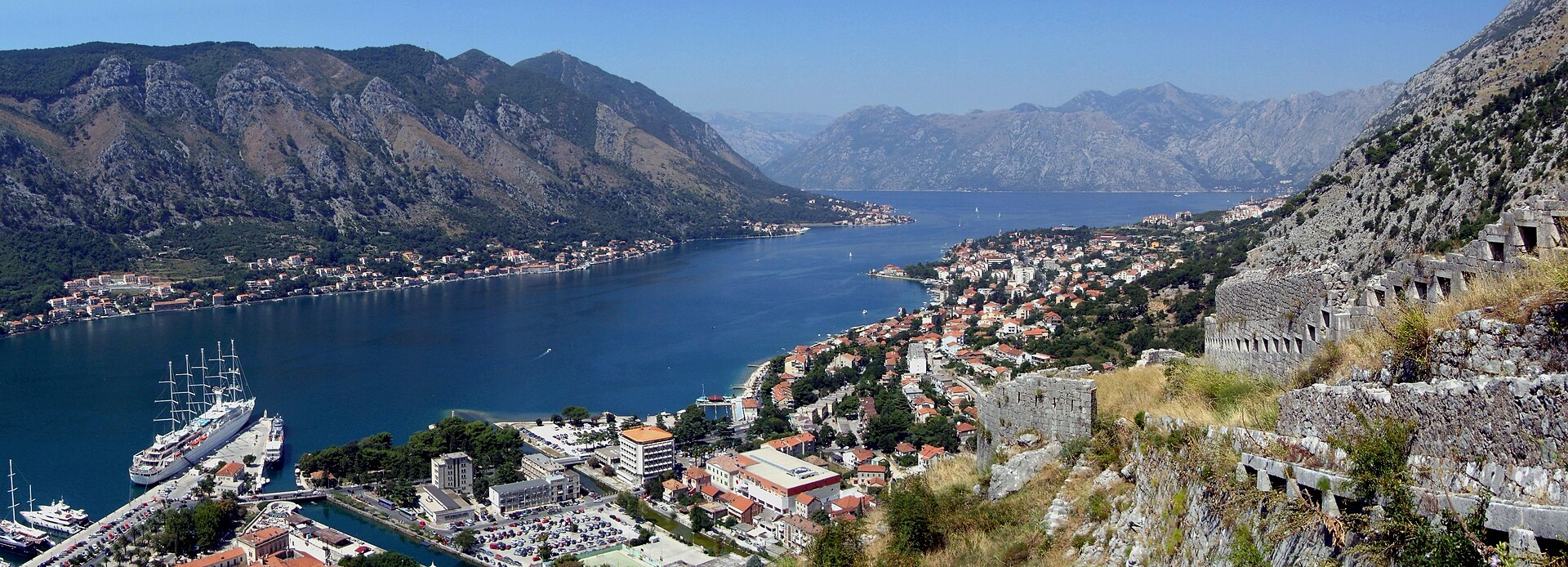
Kotor, Montenegro sits about 94 km (58 miles) south along the coastal Adriatic Highway — budget 1.5–2 hours each way, more in summer when border-crossing queues can run well over an hour. Bring a passport; most nationalities don’t need a visa for a short visit, but it’s worth checking your own beforehand. The payoff is a fjord-like bay, its own walled old town, and the Perast village and islands nearby. Mostar, across the border in Bosnia and Herzegovina, is the other common day trip, built around its own rebuilt Ottoman-era stone bridge. Both trips are easier with your own car than on a tour bus, especially if you want to linger past the groups.
When to go
May, June, and September give you long daylight and warm swimming weather without July–August’s full crowd and heat combination. April and October are quieter still and noticeably cheaper, though the sea is cold for swimming outside peak summer. Whatever month you pick, check cruise schedules the night before — several Dubrovnik-focused sites publish daily ship counts, and a two-ship day inside the walls feels completely different from a zero-ship one.
Worth knowing before you go
The Old City’s stone streets are genuinely difficult with a wheelchair, stroller, or bad knees — there is no way around stairs in several sections, cable car access aside. Restaurants directly on Stradun are reliably the most expensive and least memorable meals in town; walk two streets back for better food at lower prices. And the cruise cap is a daily limit, not a guarantee — on a bad-timing day you can still get two ships arriving within an hour of each other, so a quick check of that day’s schedule is worth the two minutes it takes.
Further reading
For more on getting around the wider region, see our guides to motorcycle rental in Zagreb, things to do in Athens, and things to do in Prague.