Prague survived the twentieth century largely intact, which is the single most important fact about visiting it. Dresden was flattened. Warsaw was rebuilt from photographs. Berlin was divided and reassembled. Prague came through the Second World War with comparatively little bomb damage, then spent forty years behind the Iron Curtain with almost no money for redevelopment — and the accidental result is a thousand years of architecture standing where it was built.
The cost of that is the crowds, which in the centre are among the densest in Europe. The good news is that the crowds occupy a very small and very predictable area.
The layout, which explains everything
Prague is five historic towns that merged. Understanding them turns a confusing map into an obvious one.
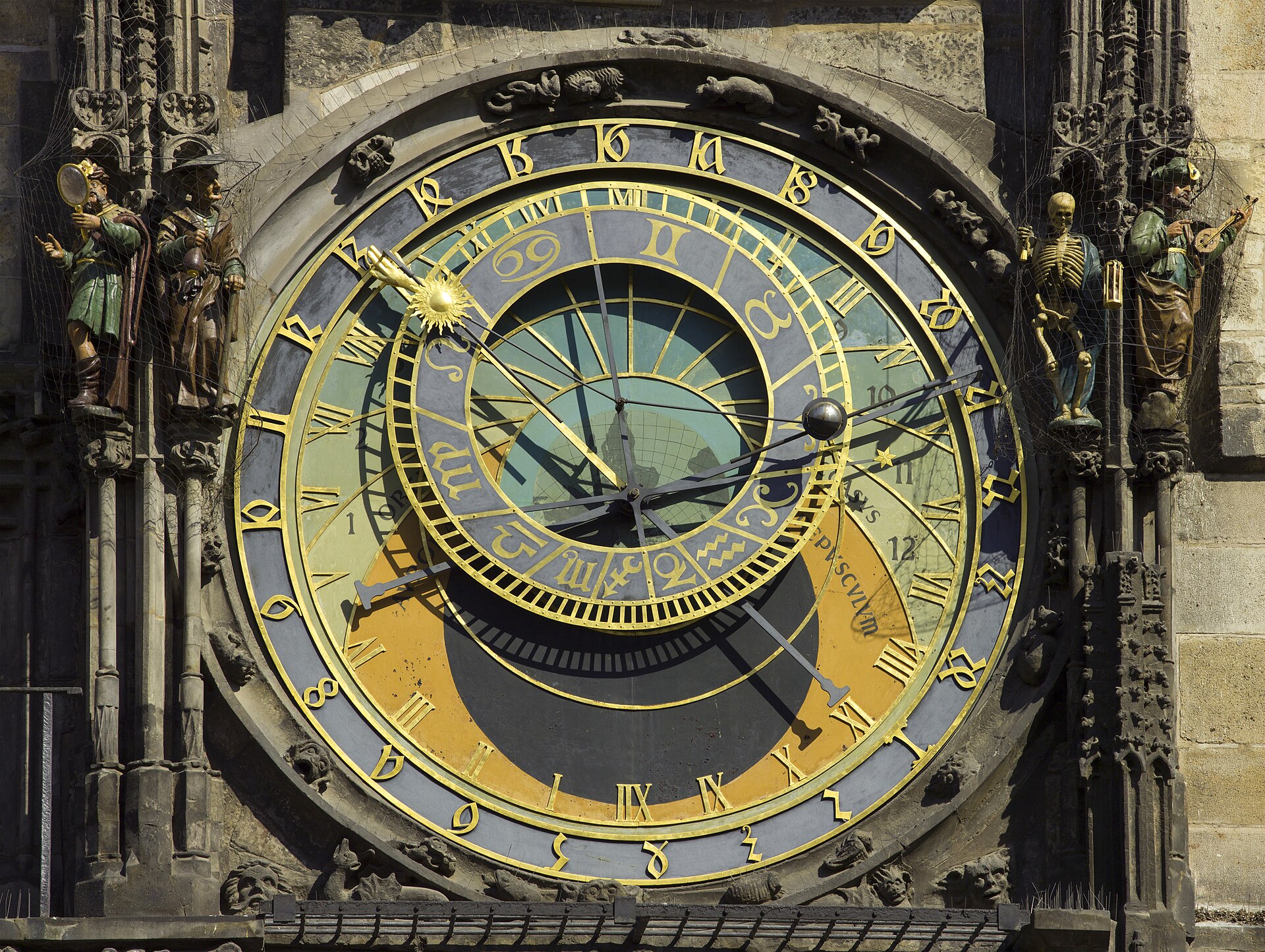
- Staré Město — the Old Town, on the right bank, with the Old Town Square and the astronomical clock at its heart.
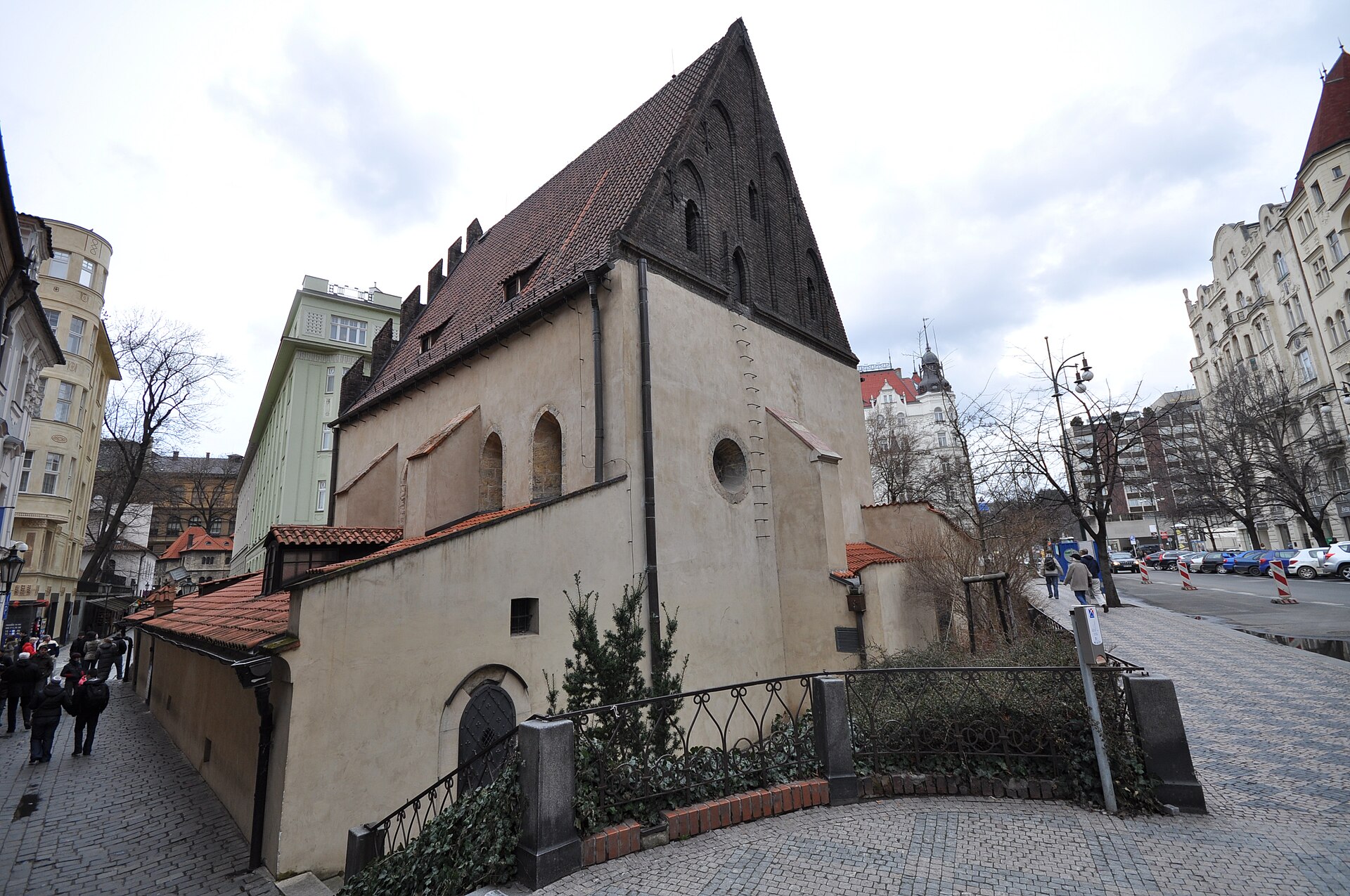
- Josefov — the former Jewish Quarter, enclosed within the Old Town, with six surviving synagogues and the old cemetery.
- Nové Město — the New Town, founded in 1348 and therefore new only by Prague standards. Wenceslas Square is here.
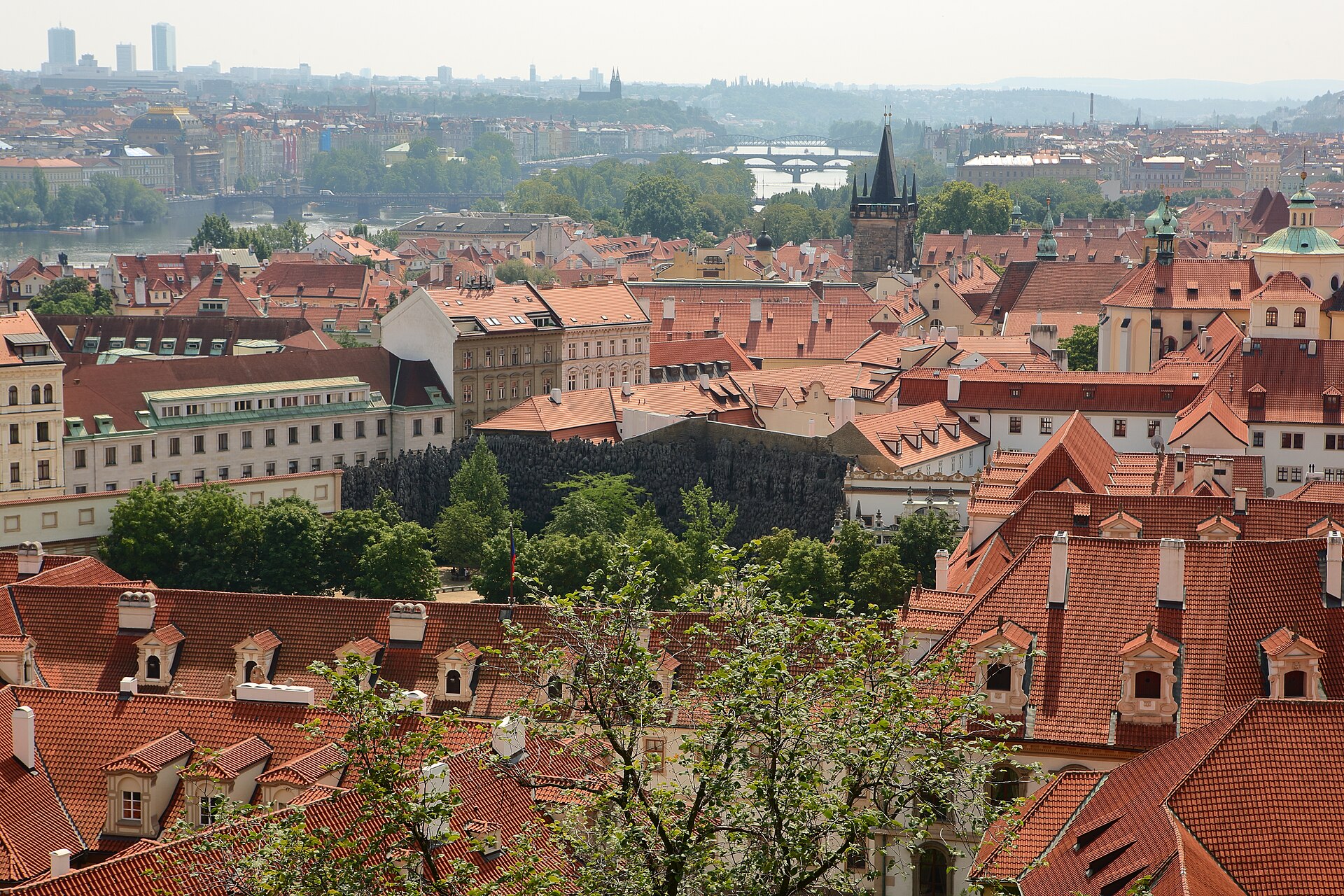
- Malá Strana — the Lesser Town, across the Charles Bridge on the left bank, baroque and quieter.
- Hradčany — the castle district, above Malá Strana.
Almost every visitor walks the same line: Old Town Square, across the Charles Bridge, up to the castle. It is about 2.5 km and it contains perhaps ninety percent of the crowding in the city. Step two streets off it in any direction and Prague empties out.
Getting in from Václav Havel Airport
Prague Airport is 17 km west of the centre and, unusually for a European capital, has no rail link. The options are bus 119 to Nádraží Veleslavín and then metro line A, taking about 40 minutes for around CZK 40; the Airport Express bus to the main station; or a taxi at roughly CZK 600 to 800.
The bus-plus-metro combination works well if you are travelling light. With luggage and a change, or arriving late, a pre-booked transfer at a fixed price avoids the airport taxi problem, which Prague has historically had more of than most cities.
What is worth paying for
- Prague Castle — around CZK 450 for the main circuit. The largest ancient castle complex in the world by area, and it includes St Vitus Cathedral, the Old Royal Palace, St George’s Basilica and Golden Lane. The grounds are free to walk; the buildings are ticketed. Go early or late in the day.
- The Jewish Museum — around CZK 600 for the combined ticket covering the synagogues and the Old Jewish Cemetery, where roughly 12,000 gravestones stand in layers because the community was never permitted to expand the ground. It is the most affecting hour in the city.
- The Astronomical Clock tower — around CZK 300 for the climb, and a better view than the hourly show below it, which lasts about 45 seconds and disappoints almost everyone.
- Strahov and Klementinum libraries — baroque library halls, visited on short guided tours.
- The Municipal House — Art Nouveau interiors, guided tours only.
- Classical concerts — in churches and halls across the centre, and genuinely good value.
Here is what is currently bookable in Prague and roughly what it costs:
The free city
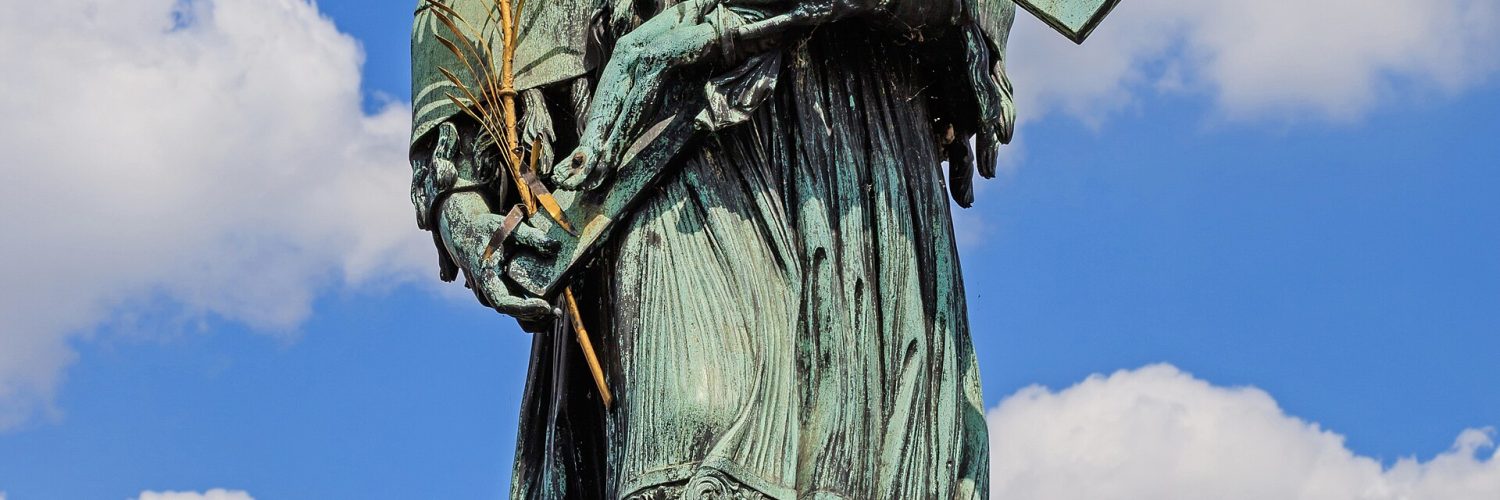
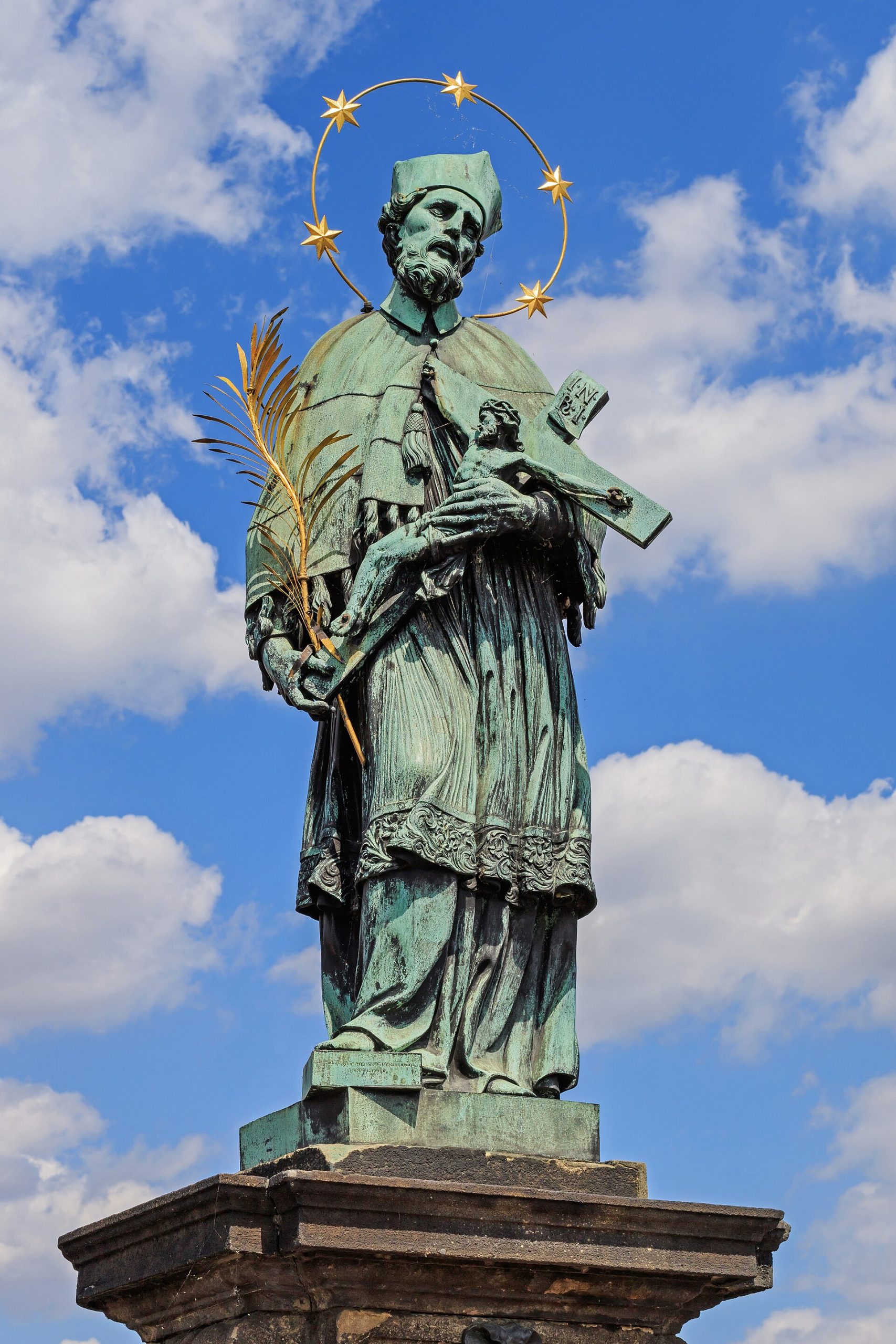
- The Charles Bridge before 07:00. This is the single best piece of advice about Prague. By 10:00 it is a slow-moving crowd; at dawn it is thirty statues and the river.
- Petřín Hill — a funicular ride or a walk up, with an observation tower, a mirror maze and the best view back over the city.
- Vyšehrad — the other castle, on a rock south of the centre, with a cemetery holding Dvořák and Smetana. Almost no visitors go and it is lovely.
- Letná Park — above the river on the north bank, where the giant Stalin monument once stood. Beer garden, skaters, and the classic view of the bridges.
- Wandering Malá Strana and Kampa island — baroque streets, the Lennon Wall, and a watermill.
- Náplavka — the riverbank below Vyšehrad, with farmers’ markets on Saturdays and bars in the vaults.
A three-day shape
- Day 1 — Old Town and Josefov. Old Town Square early, the Jewish Museum in the morning, the clock tower climb, then the Municipal House and Wenceslas Square.
- Day 2 — the bridge and the castle. Charles Bridge at dawn, Malá Strana for breakfast, the castle by mid-morning, Strahov and Petřín in the afternoon, back down for sunset.
- Day 3 — the other Prague. Vyšehrad in the morning, Náplavka for lunch, Letná and the Holešovice district in the afternoon.
With one day: Charles Bridge at dawn, the castle grounds by 09:00, Old Town Square mid-morning, and Petřín at sunset.
Beer, and why it matters here
The Czech Republic drinks more beer per head than any country on earth, and Prague is where the pilsner style was standardised. This is not a marketing claim — it is a genuine part of daily culture, and the pub is a social institution rather than a night out.
- A half-litre costs CZK 50 to 80 in an ordinary pub, which is less than a bottle of water in some tourist restaurants.
- Tank beer (tankové pivo) is unpasteurised and delivered by tanker. Pubs advertise it and the difference is real.
- Ordering — putting a beer mat on your glass signals you are finished. Otherwise they keep coming and the tally is marked on a slip at your table.
- Avoid the restaurants directly on Old Town Square, where a beer can cost four times the normal price.
- Try the local pubs in Vinohrady, Žižkov and Karlín, where the city actually drinks.
Where to stay
- Old Town — central and expensive, and you will hear stag parties at weekends.
- Malá Strana — quieter, baroque, across the river, a lovely place to wake up.
- Vinohrady — residential, elegant, excellent restaurants, 10 minutes by metro. The best value in the city.
- Žižkov — cheaper, younger, more pubs per square kilometre than anywhere in Europe.
- Karlín — regenerated after the 2002 floods, modern, good food, well connected.
Prague is meaningfully cheaper than western European capitals, though the centre has caught up. Compare Prague accommodation and consider Vinohrady or Karlín — ten minutes on the metro saves a great deal.
Day trips
- Kutná Hora — an hour by train, for the Sedlec ossuary and a cathedral that rivals anything in Prague.
- Český Krumlov — three hours south, a small town wrapped in a river bend under a castle. Better as an overnight than a day trip.
- Karlštejn Castle — 40 minutes by train, a gothic castle built to hold the crown jewels.
- Terezín — an hour north, the former ghetto and concentration camp. A heavy but important half-day.
- Bohemian Switzerland — sandstone gorges and arches near the German border, about two hours.
Getting from the airport to your accommodation is the one leg worth arranging before you arrive — compare fixed-price transfers here:
When to go
May, June and September are the best months — warm, long evenings, and the beer gardens open. July and August are hot and extremely crowded. Winter is cold, often below freezing, but the Christmas markets in Old Town Square are among the best in Europe and the city looks its part under snow.
Spring and autumn shoulder weeks also bring the lowest hotel rates outside January.
Practical notes
- Currency is the Czech koruna, not the euro. Refuse the currency exchange booths in the centre, which are notorious for terrible rates, and use a bank ATM. Decline dynamic currency conversion.
- Taxi scams have historically been a problem. Use Bolt or Uber, or ask your hotel to call one.
- Validate transport tickets in the yellow machines before boarding. Inspectors are frequent and fines are on the spot.
- Tipping is around 10 percent, usually by rounding up and telling the server the total as you pay.
- The Prague Visitor Pass bundles the castle, transport and other sites, and pays off on a dense sightseeing day.
- Connectivity. Visiting from outside the EU, a Czech eSIM costs a few euros and beats roaming.
Related reading
- Bike rental in Prague
- Things to do in Amsterdam
- Things to do in London
Prices are indicative for 2026 in Czech koruna. Some links on this page are affiliate links; using them costs you nothing and helps keep this site running.