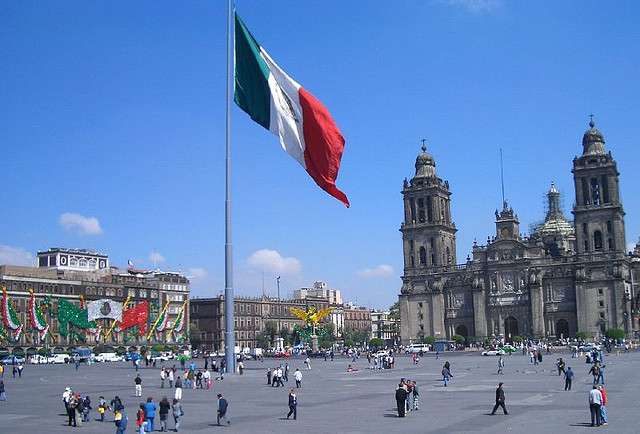
Mexico City is built on a drained lake bed, and it is still sinking into it — parts of the historic centre have dropped more than ten metres over the last century. You can see it with your own eyes within five minutes of arriving in the Zócalo: the Metropolitan Cathedral leans, the pavements ripple, and doorways sit at angles that no builder intended. This is not a quirk. It is the single fact that explains the shape of the city, the location of its neighbourhoods, and why the good areas to stay in are where they are.
Here is what that means for a visitor, and how to plan four days around it.
Why the city looks the way it does
The Mexica built Tenochtitlan on an island in Lake Texcoco in 1325. The Spanish took the city in 1521 and made a decision that shaped the next five hundred years: rather than move to solid ground, they drained the lake and built on top of the sediment. The historic centre therefore sits on soft, waterlogged clay, which does two things. It swallows heavy colonial buildings at uneven rates — hence the tilting cathedral — and it amplifies earthquakes dramatically, because seismic waves slow down and pile up in the soft basin.
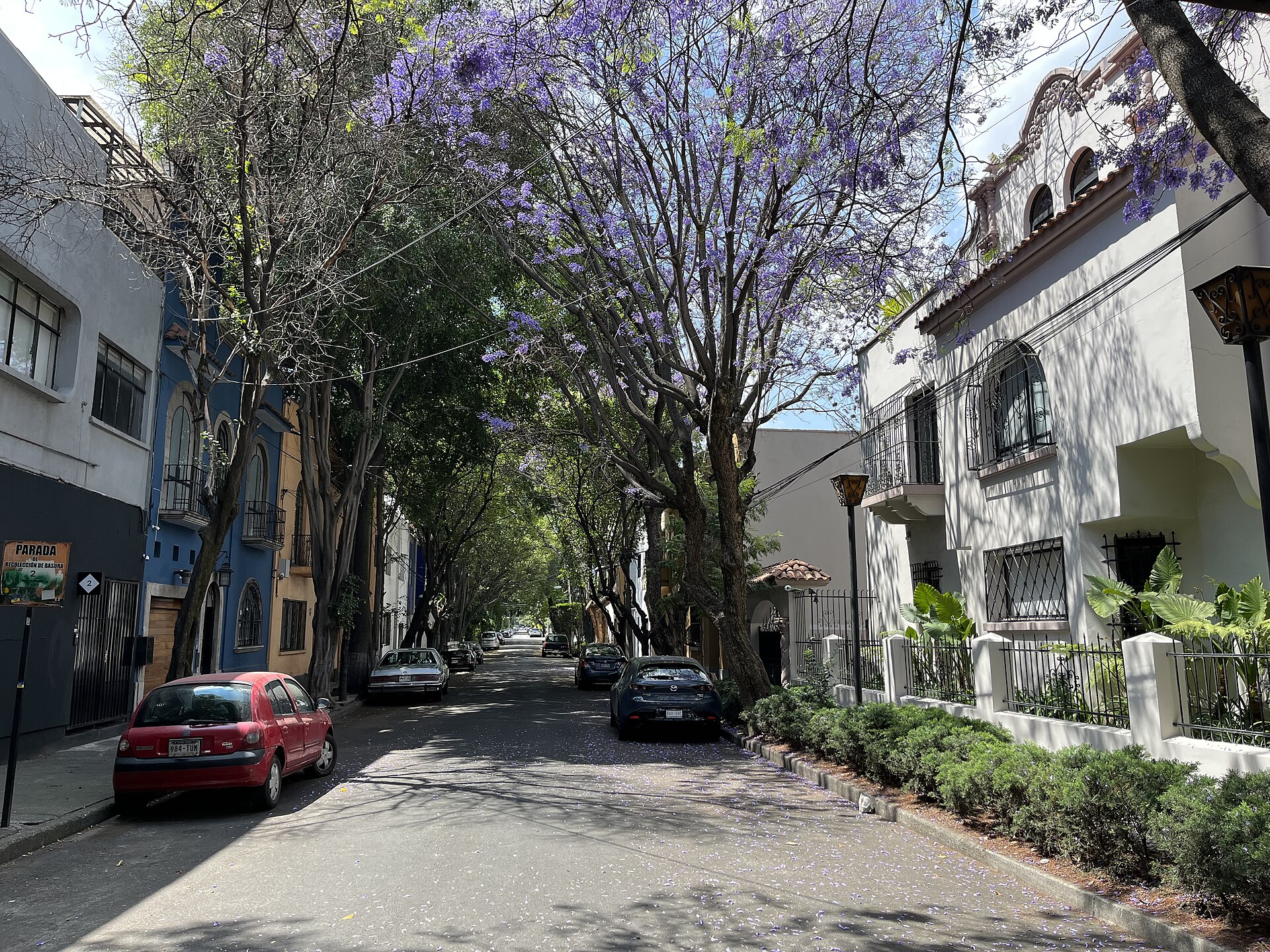
The neighbourhoods that tourists now love — Roma, Condesa, Polanco — were developed later, on marginally firmer ground at the lake’s old edge, and were laid out as garden suburbs with wide tree-lined avenues and parks. That is precisely why they feel so different from the dense colonial grid downtown, and why they became the city’s most walkable districts almost by accident.
The city also sits at about 2,240 metres above sea level. That is high enough that a proportion of visitors feel it on day one — mild breathlessness on stairs, a headache, poor sleep. It passes, but do not schedule a hard day of walking for the afternoon you land.
Getting in from the airport
Benito Juárez International (MEX) sits unusually close to the centre — roughly 5 km from the Zócalo — which is a blessing and a curse, because the roads around it are permanently congested.
- Authorised airport taxi. Buy a ticket from a booth inside the terminal, at a fixed price by zone, before you go outside. This is the one rule worth following without exception. Do not accept a ride from someone who approaches you in the arrivals hall.
- Ride-hailing. Widely used and generally cheaper than the fixed-price taxis, with designated pickup points at both terminals.
- Metro. Line 5 stops at Terminal Aérea. It is extremely cheap but has no provision for luggage and is a poor idea with suitcases.
- Pre-booked transfer. Sensible if you are landing late or heading straight to Roma or Condesa in traffic.
Note that Terminals 1 and 2 are not walkable from each other — they are connected by an internal shuttle (the Aerotrén, for passengers with a boarding pass) and a road link. If you are connecting between them, allow real time.
Getting around: the metro is 5 pesos
Mexico City’s metro is one of the cheapest urban rail systems on earth. A single ride costs 5 pesos regardless of distance or how many times you change trains. A rechargeable card costs around 15 pesos and works on the metro, the Metrobús, the trolleybuses and the Cablebús. Load 100 pesos and you have most of a week’s transport.
Two practical notes. First, the front carriages of metro trains are reserved for women and children during busy periods; this is signposted and enforced. Second, the Metrobús — the red articulated buses running in dedicated lanes — is often faster than the metro for north-south trips along Insurgentes, and far more pleasant.
What to book ahead, and what it costs
Frida Kahlo Museum (Casa Azul)
This is the one that catches people out. Tickets are timed, sold in short slots, and routinely sell out days in advance — a week ahead in high season is not excessive. Foreign visitors pay around 320 pesos; Mexican nationals pay roughly half. Photography inside the display rooms requires a separate permit bought at the entrance for about 30 pesos. Turning up on the day and hoping is the most common planning mistake made in this city.
Teotihuacán
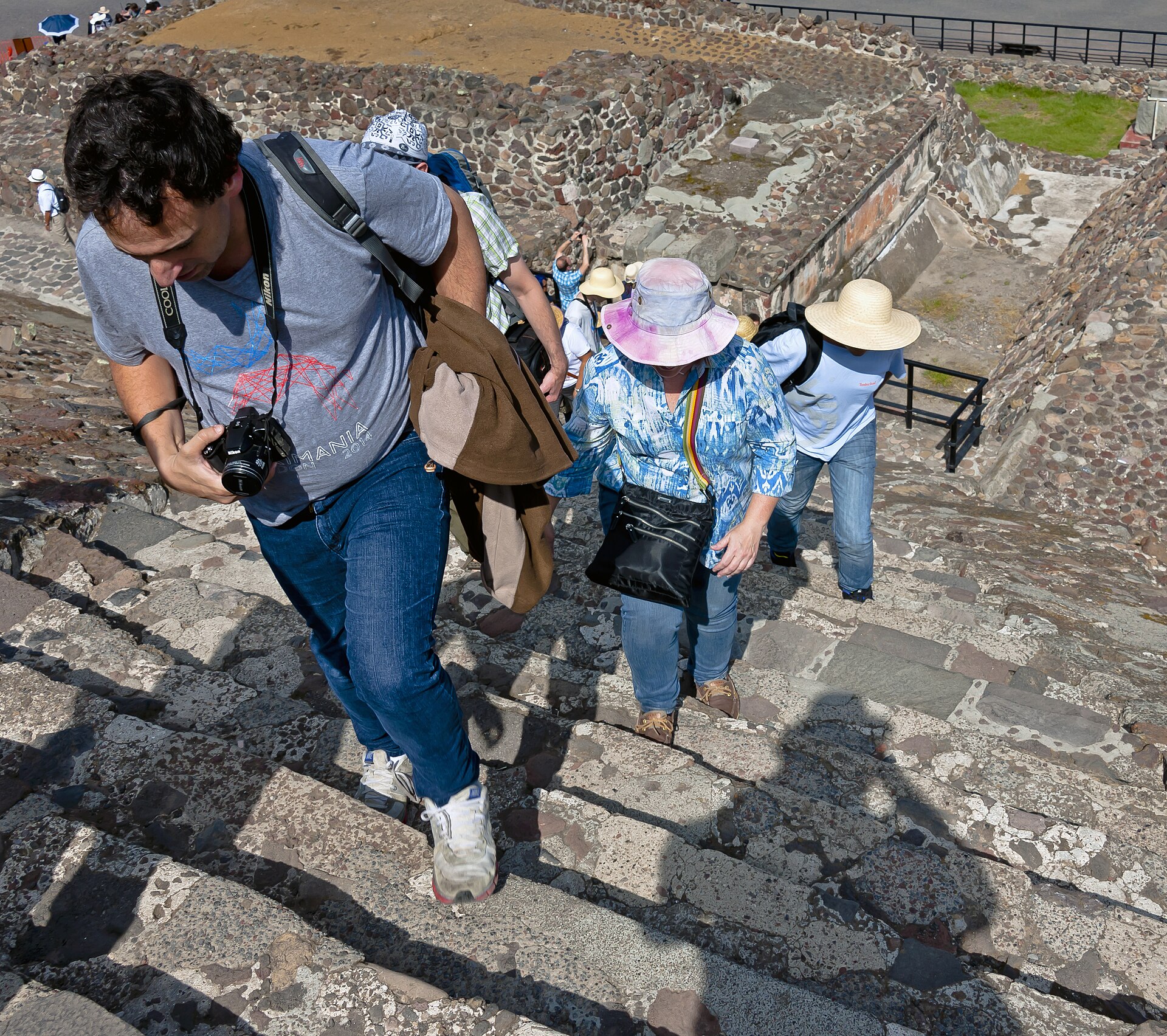
Entry to the archaeological site is about 210 pesos for foreign visitors and 105 pesos for Mexican nationals. Under-13s, students, teachers and over-60s with the relevant Mexican credentials enter free, and Mexican citizens and residents enter free on Sundays — which is precisely why you should not go on a Sunday.
You can reach it independently by bus from Terminal Norte in about an hour for a fraction of the price of a tour, and the site itself needs no guide to enjoy. A tour is worth it mainly for the transport and for having someone explain what you are looking at.
National Museum of Anthropology
The best museum in the country and, for many visitors, the best in the Americas. Tickets are inexpensive and rarely sell out. Give it half a day minimum; people routinely underestimate it and leave having seen a third of it.
What is free and genuinely worth it
- Sunday at the museums. Most federal museums are free to Mexican nationals and residents on Sundays. They are also packed. Foreign visitors generally still pay, but the atmosphere is worth experiencing.
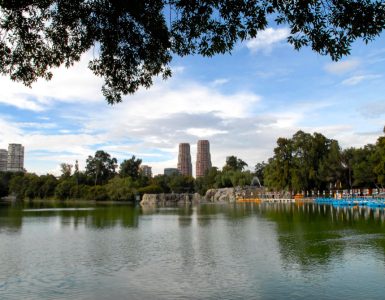
- Chapultepec Park. Larger than Central Park, free, and containing most of the city’s major museums within it.
- The Zócalo. One of the largest public squares in the world, with a flag-lowering ceremony each evening that is genuinely a spectacle.
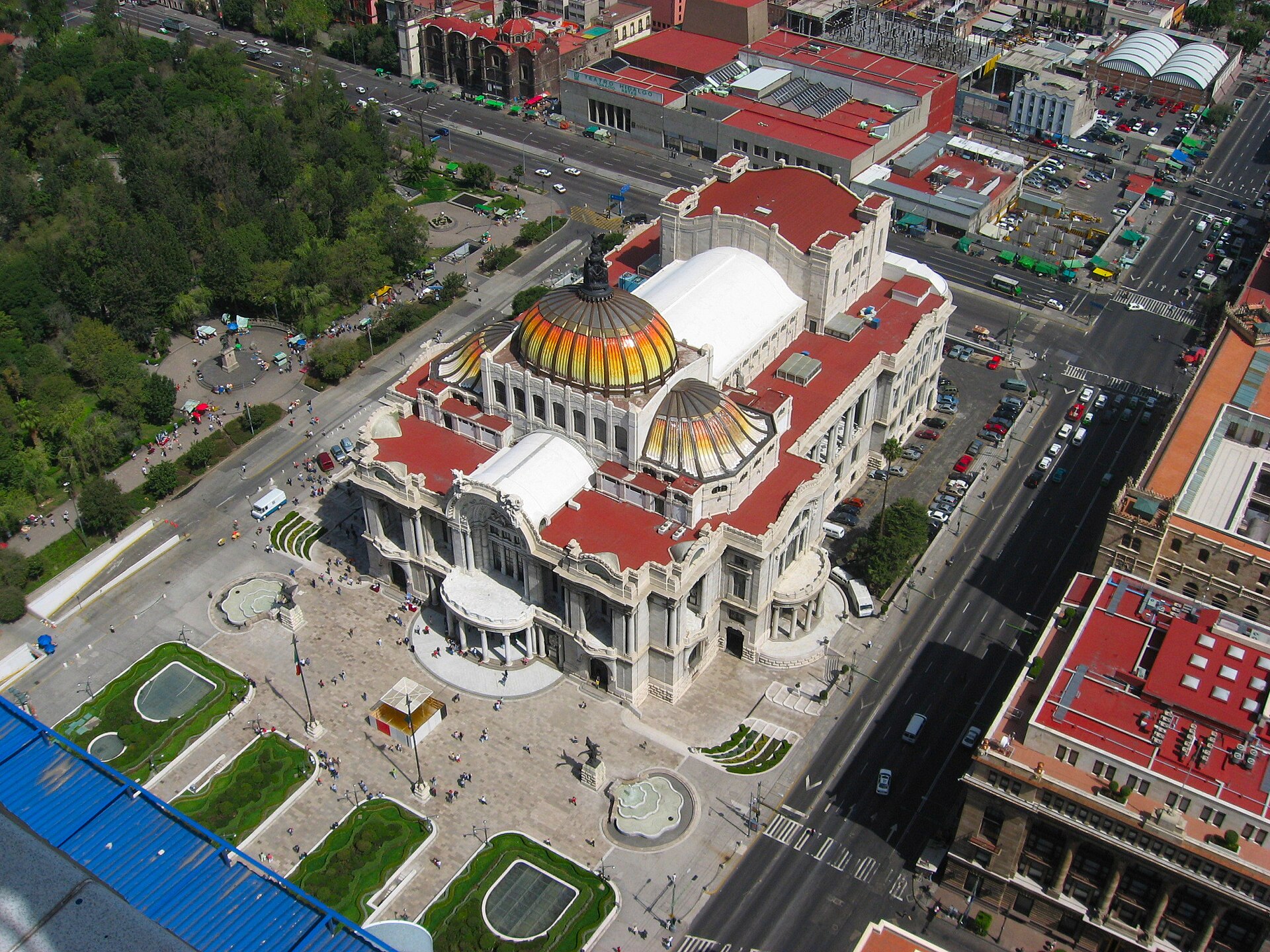
- Palacio de Bellas Artes. Free to enter the lobby and admire the building; you pay only for the murals and the theatre.
- Coyoacán on a weekend. Markets, street food, and the neighbourhood Frida Kahlo actually lived in — most people see the museum and leave, which is a waste.
Neighbourhoods: what each one is for
Roma Norte — the default recommendation, and deservedly so. Walkable, tree-lined, dense with restaurants and cafés, and central enough to reach anywhere.
Condesa — quieter and greener than Roma, built around two parks, more residential. Slightly better for a longer stay, slightly duller for a short one.
Centro Histórico — the colonial core. Spectacular architecture and the cheapest hotels of the three, but it empties out and gets noticeably quieter at night.
Polanco — upmarket, safe, expensive, and where the high-end restaurants cluster. Less character, more comfort.
Coyoacán — charming and villagey but a long way south; a good day trip, an awkward base.
A sensible four days
Day 1 — take it easy. You are at 2,240 metres. Centro Histórico on foot: Zócalo, cathedral, Templo Mayor, Bellas Artes, and an early night.
Day 2 — Chapultepec. The Anthropology Museum in the morning, the castle in the afternoon, the park in between.
Day 3 — Teotihuacán. Leave early. The site opens at 9am and by 11 the sun is punishing and the coach parties have arrived. Back in the city by mid-afternoon.
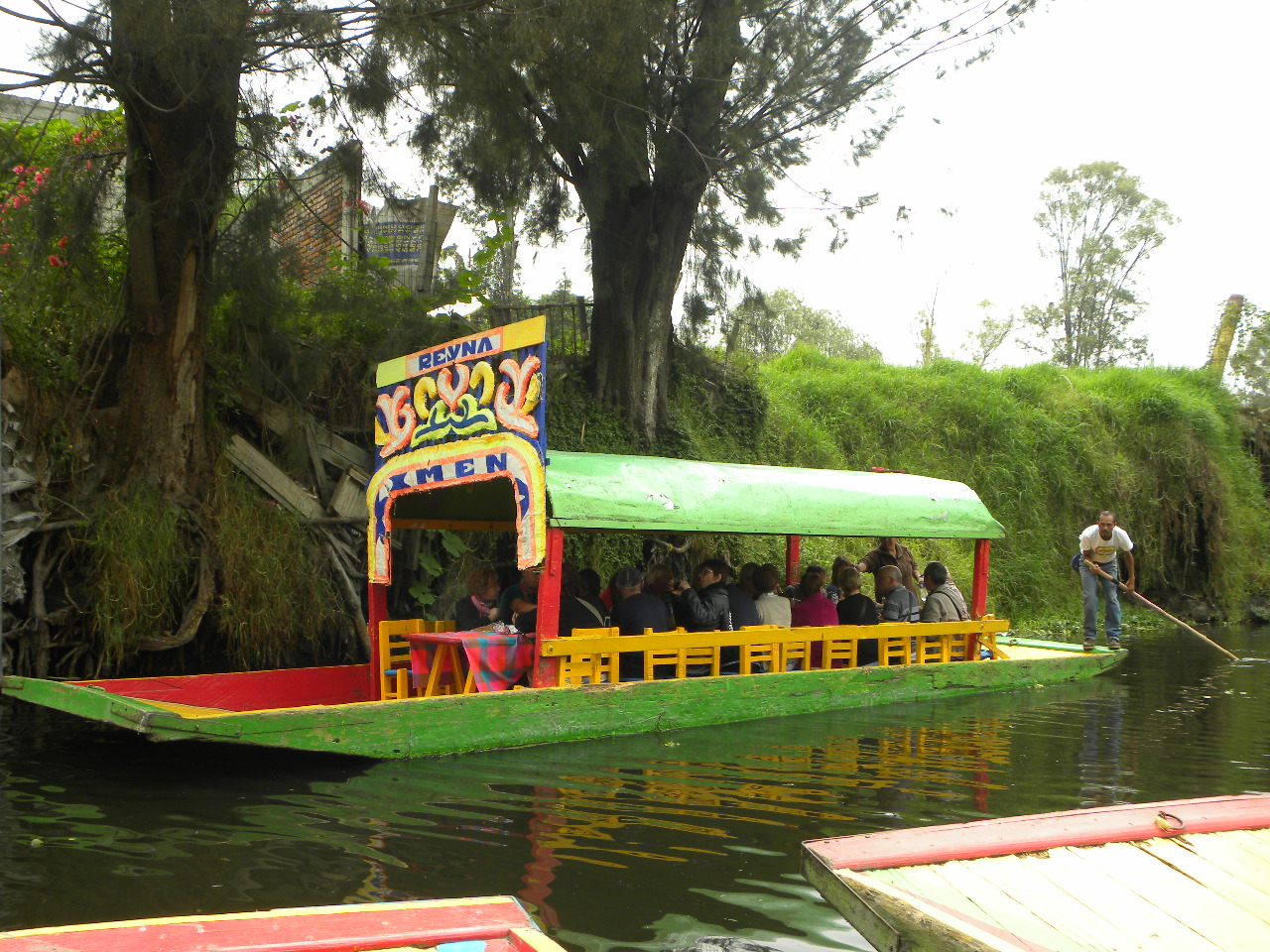
Day 4 — Coyoacán and Xochimilco. Casa Azul in the morning on your pre-booked slot, the Coyoacán market for lunch, and the canals of Xochimilco in the afternoon if you have the energy.
Being honest about safety
Mexico City is not the city its reputation abroad suggests, and it is also not risk-free. What is actually true: the tourist neighbourhoods — Roma, Condesa, Polanco, Centro, Coyoacán — are busy, policed and fine to walk in during the day and the evening. Violent crime against tourists is rare. Opportunistic theft is not.
The specific things that do happen and that you can avoid: taking an unauthorised taxi from the street or the airport; using an ATM on the street rather than inside a bank or shop; carrying a phone loosely in a crowded metro carriage; and walking into unfamiliar neighbourhoods late at night on the assumption that all of the city is like Roma. It is a city of nine million people and it has areas that visitors have no reason to be in.
When to go
The rainy season runs roughly May to October. It rarely rains all day — the pattern is bright mornings and a heavy downpour in the late afternoon — but it will disrupt outdoor plans, and Teotihuacán in the rain is miserable. March through May is warm and dry. October and November are the sweet spot: dry, mild, and running into Día de Muertos at the start of November, which is extraordinary but requires booking accommodation months ahead.
The jacarandas flower in Roma and Condesa around March and April, turning entire streets purple. It is worth timing a trip around.
Practical notes
- Altitude. Drink more water than feels necessary, go easy on alcohol the first night, and do not book a hike for day one.
- Tap water. Not for drinking. Restaurants use purified water for ice and cooking; bottled or filtered water otherwise.
- Cash. Cards are widely accepted in Roma, Condesa and Polanco. Markets, street food and small fondas are cash only.
- Tipping. Around 10–15% in restaurants, and it is often not included.
- Earthquake alarms. You may hear the city-wide seismic alert being tested. If it sounds for real, follow the crowd — buildings have marked assembly points.
Day trips beyond the city
Three places justify getting out of the valley. Puebla is two hours east, full of talavera tilework and the best mole in the country. Tepoztlán is ninety minutes south, a small town under a cliff with a pyramid on top of it and a steep hike to reach it. Las Grutas de Tolantongo is a four-hour drive north into Hidalgo — hot spring pools built into a canyon wall — and is realistically an overnight rather than a day trip.
Puebla and Tepoztlán are both well served by comfortable long-distance buses and need no car. Tolantongo effectively does, and so does any plan involving more than one stop. Note that Mexico City operates the Hoy No Circula scheme, which bans vehicles from the road one weekday per week based on the last digit of the licence plate — rental companies will tell you which day applies to your car, and the fines for ignoring it are not small.
Further reading
- Where to stay in Mexico City
- Flights within Mexico
- Cancún airport transfer — if you are pairing the capital with the coast
- The best eSIM for Mexico
- Things to do in New York