Most people give Colombo one night. They land at Bandaranaike, sleep near the airport, and leave for Kandy or the south coast the next morning. That is a defensible plan, and it is also why almost nobody understands what they are looking at when they do stop.
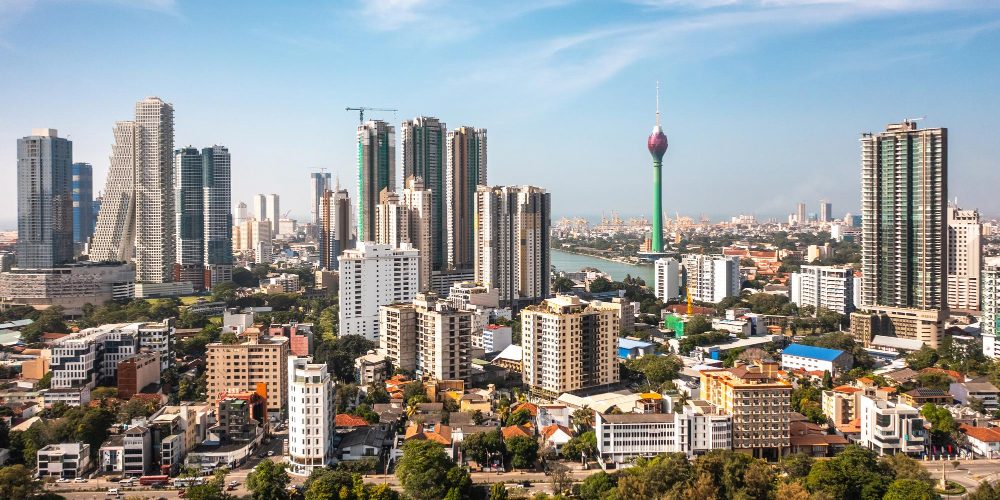
Colombo is not a city that was designed. It is a port that three colonial powers rebuilt on top of each other, then a capital that spent twenty-six years of civil war behind checkpoints and concrete barriers, and then — very suddenly, from about 2010 onwards — a construction site. Those three layers sit within about four kilometres of each other, and once you can see them the city stops feeling like a place to pass through.
Why Colombo looks the way it does
The Portuguese arrived in 1505 and fortified the natural harbour. The Dutch took it in 1656 and built the canal network and the warehouses. The British took it in 1796, made it the capital in 1815, and laid out the wide avenues and the cricket grounds. Each of them kept the harbour and rearranged everything behind it.
Then came the war. From 1983 to 2009, central Colombo was a security zone. Galle Face Green had army positions on it. The Fort district, which is the old colonial core, was largely closed to civilians — you needed a reason to be there. This matters enormously for what you see today, because an entire generation of buildings simply did not get demolished and replaced. Fort is full of intact 1900s commercial architecture for the unromantic reason that nobody was allowed in to knock it down.
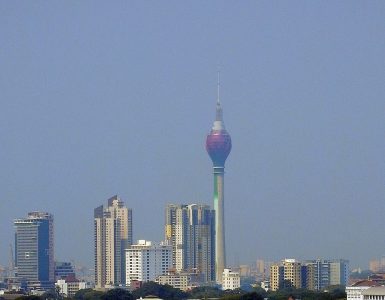
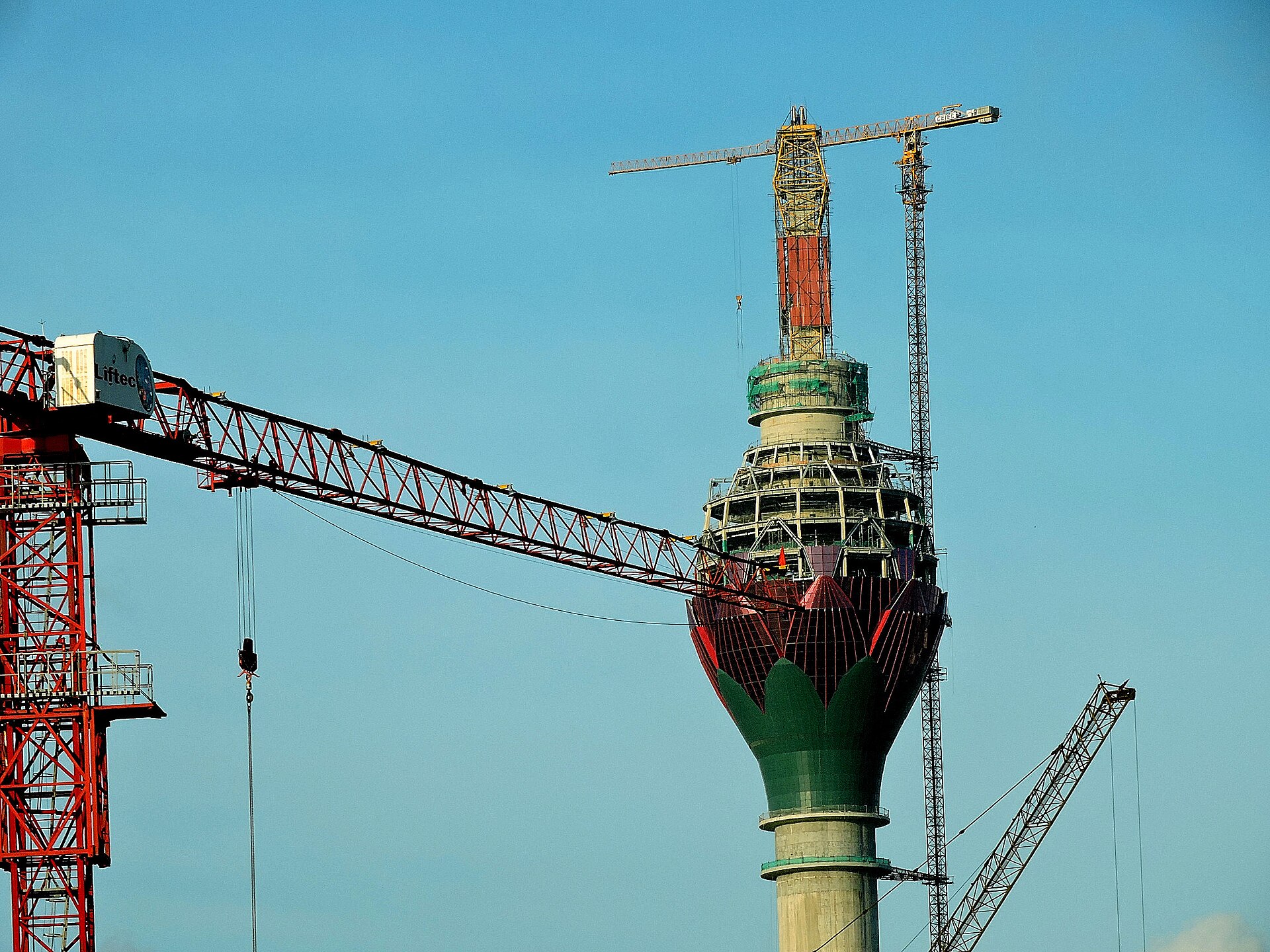
After 2009 the barriers came off and the money came in, much of it Chinese. Port City Colombo — 269 hectares of land reclaimed from the sea next to Galle Face — and the 350-metre Lotus Tower both date from this period. The 2022 economic crisis then stalled a great deal of it. The result is a skyline with visible gaps in it, which is unusual and worth understanding rather than apologising for.
Getting in from the airport
Bandaranaike International (CMB) is at Katunayake, about 33 km north of the city. Budget an hour, more in the morning peak.
- Bus. The cheapest option by a wide margin — roughly LKR 100–150 to central Colombo, 60 to 90 minutes. There is also an air-conditioned airport shuttle at around LKR 290 per person. Both are fine if you are travelling light and arriving in daylight.
- Taxi. Roughly LKR 3,000–3,500 to the city centre, day or night. Use the official counter inside arrivals rather than the men who approach you in the car park.
- Tuk-tuk. Around LKR 75 per kilometre is the fair tourist rate, but note that tuk-tuks are not permitted to enter the airport grounds. You would have to walk out to the main road to flag one, which is not a sensible thing to do at 3am with luggage.
- Pre-booked transfer. Worth it specifically because most flights into CMB land between midnight and 5am. Arriving on no sleep and negotiating a fare in the dark is where people lose money.
That last point is the honest reason to pre-book here rather than anywhere else. It is not that Colombo taxis are dangerous — it is that the arrival timetable is brutal.
What is actually worth your time
The Fort district on foot. Start at the Old Dutch Hospital, which dates to at least the 1680s and is now a courtyard of restaurants and shops. Walk to the Cargills building on York Street, the Old Parliament, and the Lighthouse Clock Tower — a clock tower that was also a working lighthouse until 1952. This is a 90-minute walk and it is the single best thing to do in the city.
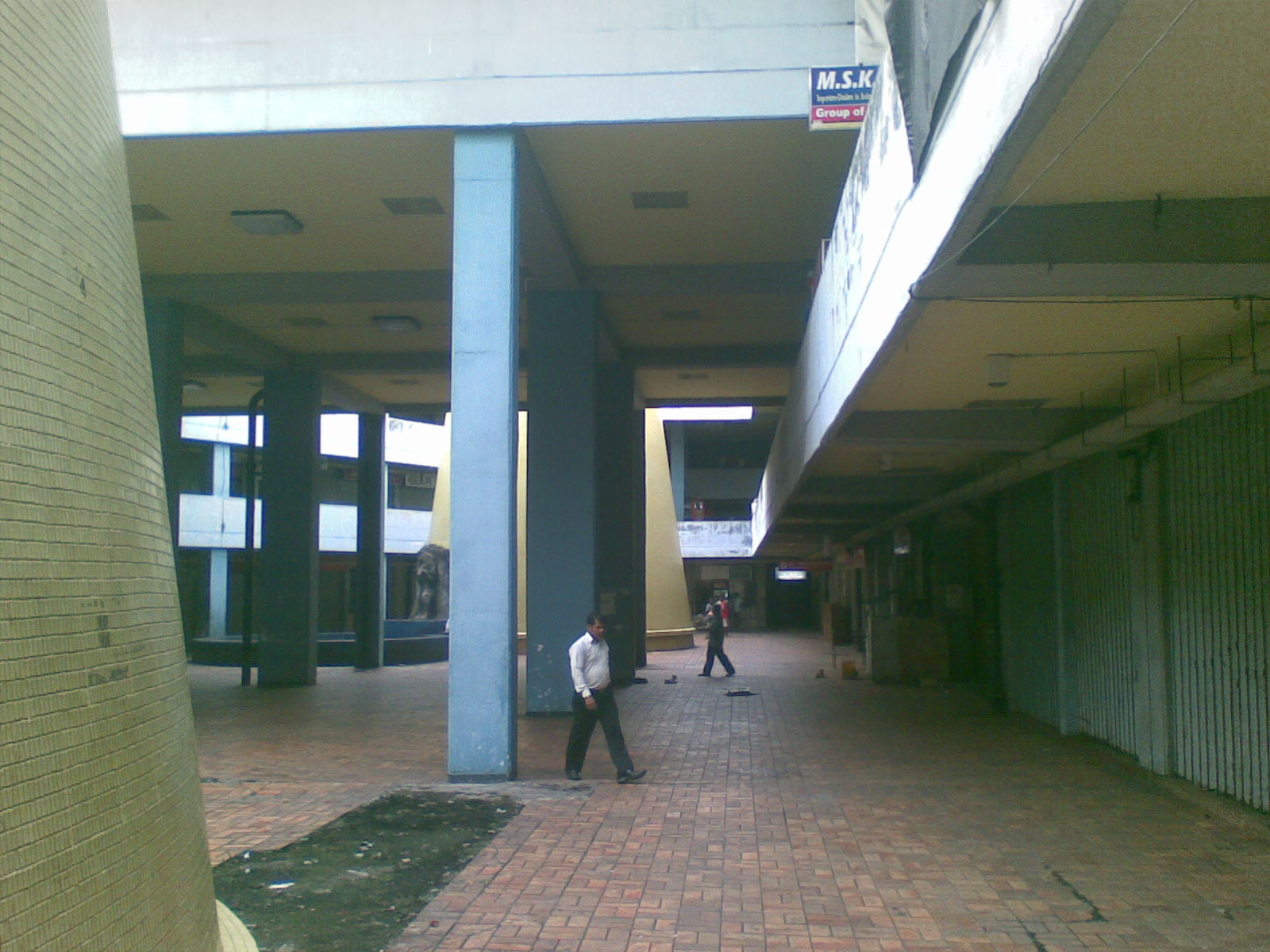
Pettah. The wholesale bazaar immediately east of Fort, organised by street: one for textiles, one for electronics, one for hardware. It is loud and crowded and it is a functioning market rather than a tourist attraction, which is the point. Go in the morning. Keep your phone in a front pocket.
Gangaramaya Temple. An active Buddhist temple with a genuinely strange museum attached — the founder accepted donations of almost anything, so there are vintage Rolls-Royces parked next to Buddha statues and a collection of pocket watches. Small entry fee. Cover shoulders and knees, remove shoes.
Wolvendaal Church. Dutch Reformed, completed 1757, with tombstones of Dutch governors set into the floor. Usually empty. One of the oldest Protestant churches in Asia and almost nobody visits it.
The National Museum. Built 1877. Go for the throne of the last Kandyan king and the Sinhalese demon masks. Skip the natural history wing.
What is free and no worse
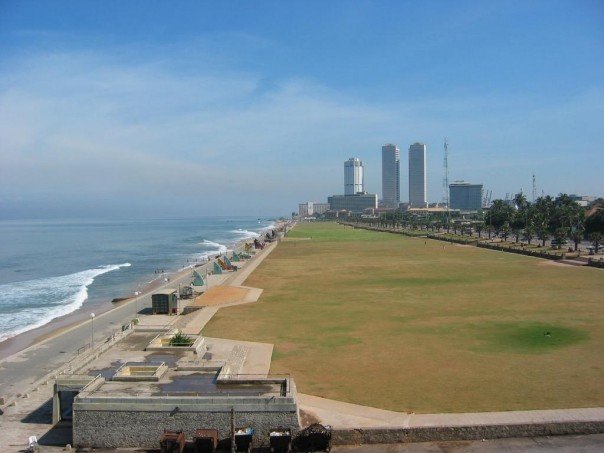
Galle Face Green at sunset is the city’s living room — a half-kilometre lawn on the seafront where the whole population turns up to fly kites, eat isso wade (deep-fried prawn fritters) from the carts, and walk. It costs nothing and it is the most Colombo thing available.
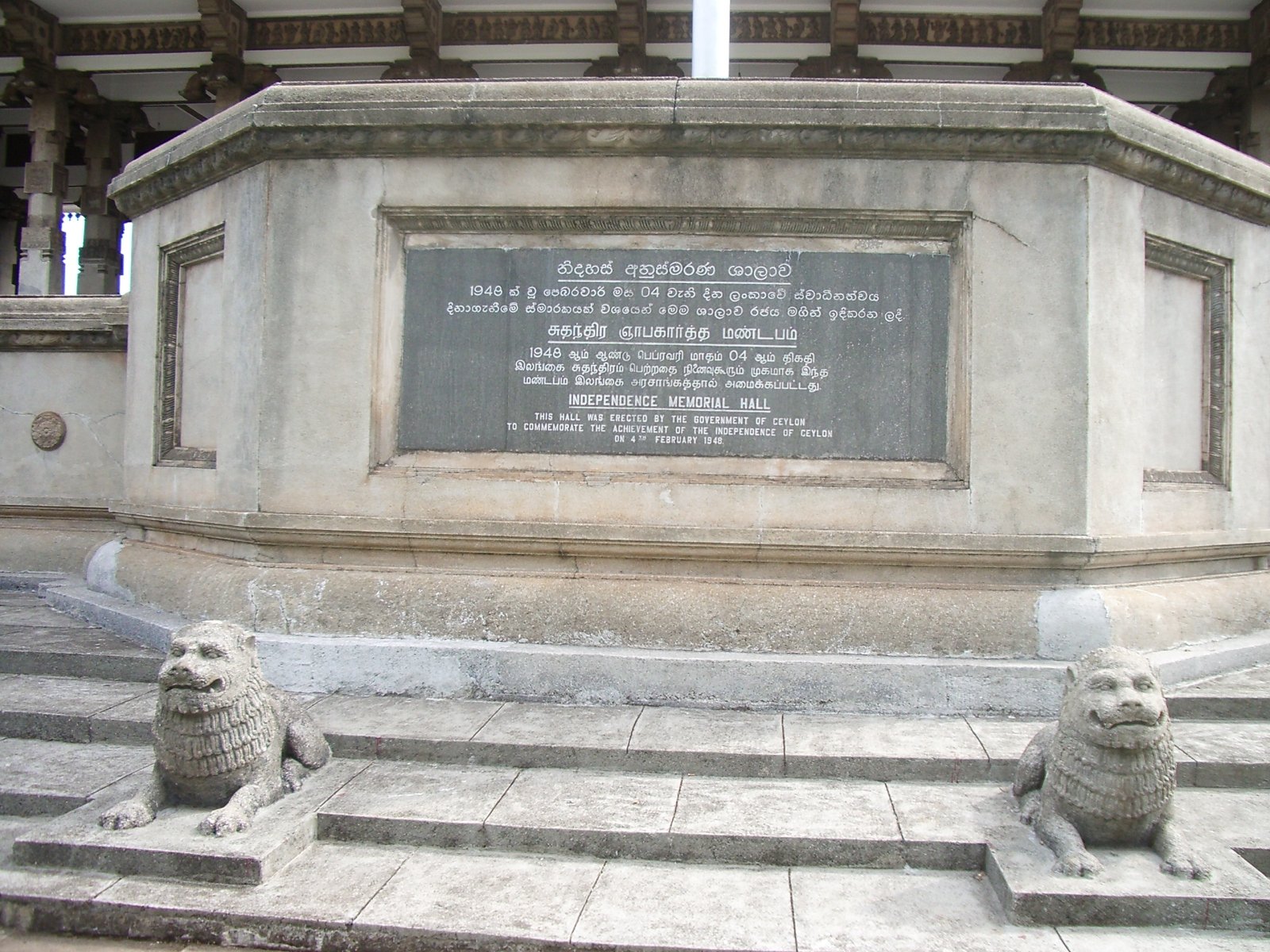
Independence Memorial Hall in Cinnamon Gardens, a 1948 building modelled on a Kandyan audience hall, with a park around it that locals use for morning exercise. Beira Lake and the Seema Malaka temple platform floating on it, designed by Geoffrey Bawa, cost nothing to walk around. And Bawa is a reason to be here in his own right — Sri Lanka’s most important architect worked out tropical modernism in this city.
Neighbourhoods, and what each is for
- Fort — colonial architecture, the port, business by day, quiet at night.
- Pettah — markets and transport hubs. Visit, do not sleep here.
- Cinnamon Gardens (Colombo 7) — embassies, museums, big trees, the most expensive real estate in the country. Calm.
- Kollupitiya and Bambalapitiya (Colombo 3 and 4) — the seafront strip. Hotels, malls, restaurants. Where most visitors stay, sensibly.
- Slave Island (Colombo 2) — a compact, rapidly gentrifying district between Beira Lake and the sea, with the best street food and the most visible tension between old low-rise housing and new towers.
- Mount Lavinia — 12 km south, a beach suburb with an actual swimmable beach and a colonial hotel on a headland. A good base if you want sea air.
Three days that make sense
Day 1 — the colonial spine. Fort walking loop in the morning, Pettah before it gets too hot, lunch at the Old Dutch Hospital, National Museum in the afternoon when the heat peaks, Galle Face Green at sunset.
Day 2 — religion and architecture. Gangaramaya and Seema Malaka early, Wolvendaal Church, then Cinnamon Gardens: Independence Hall, and the Geoffrey Bawa house on 33rd Lane if you book ahead (tours are small and fill up). Evening in Slave Island for food.
Day 3 — out of the centre. Either south to Mount Lavinia for the beach, or a day trip inland. If you have a fourth day, Galle is two hours down the Southern Expressway and is a better-preserved fort town than anything in Colombo.
Eating
The thing to understand is that Sri Lankan food is not Indian food. Rice and curry here means a plate of rice with five to eight small curries around it — dhal, jackfruit, beetroot, a sambol, a fish or chicken curry — and it is the standard lunch, usually LKR 500–1,500 at a local place.
Specific things to eat: kottu roti (chopped flatbread stir-fried on a griddle, audible from down the street), hoppers (bowl-shaped fermented rice pancakes, best with an egg in the middle, a breakfast food), string hoppers, and lamprais — a Dutch Burgher dish of rice, meat and sambol baked in a banana leaf, which exists almost nowhere else on earth.
Ceylon tea is obvious but the good version is not. Ask for a single-estate high-grown rather than the generic blend in the hotel.
Getting around inside the city
Use the ride-hailing apps — PickMe is the local one, Uber also operates — for both cars and tuk-tuks. Metered fares through the app remove the entire negotiation problem, and a tuk-tuk booked in-app across the centre is usually a few hundred rupees. Flagging one on the street means agreeing a price first, and being quoted three or four times the meter rate is routine.
The train along the coast south from Fort station is slow, cheap and runs beside the sea for much of the way. It is a legitimately good hour.
Driving yourself inside Colombo is not recommended — traffic is dense and parking is scarce. Renting outside the city, for the hill country or the south, is a different matter entirely and makes a great deal of sense. We have detailed breakdowns of cheap car rental in Colombo, SUV rental in Colombo and scooter rental in Colombo if you are heading out of town.
Where to sleep
Kollupitiya and Bambalapitiya put you on the seafront within walking distance of Galle Face, and this is where most of the international hotels are. Cinnamon Gardens is quieter and greener but you will use taxis constantly. Fort has a small number of high-end conversions in old buildings and is dead after dark. Mount Lavinia trades a 30-minute commute for a beach.
Colombo hotel rates are low by regional standards and the gap between a mid-range and a genuinely good hotel is often USD 30 a night. This is one city where paying up is worth it, mostly because a pool matters a great deal in this climate.
When to go
Colombo sits on the west coast, so it follows the southwest monsoon: May to September is the wet season, with heavy afternoon downpours. December to March is the dry, busy, more expensive stretch. February and March are the sweet spot. It is hot and humid year-round — 27–32°C, high humidity, no real seasonal variation in temperature. Plan indoor activities for the middle of the day, always.
Practical notes, including the unflattering ones
- Currency. The rupee moved sharply during the 2022 crisis and prices in older guides are meaningless. Check current rates before you budget.
- Tuk-tuk scams. The standard one is a driver who takes you to a gem shop or a “government-approved” spice garden instead of where you asked. Use an app.
- The economy. Sri Lanka defaulted on its foreign debt in 2022. Fuel queues and power cuts have largely ended, but this is a country still working through a serious financial crisis, and it is worth being aware that your spending lands in a fragile economy.
- Temple etiquette. Shoulders and knees covered, shoes off, and never photograph yourself with your back to a Buddha statue. Tourists have been detained over this.
- Air quality and noise. Central Colombo is loud and the traffic fumes are real. If that wears you down quickly, base yourself in Mount Lavinia.
- Booking directly. For small temples and museums there is no advance booking and no need for it — you pay a modest fee at the gate. Save the pre-booking for transfers and intercity transport, where it genuinely helps.
Further reading
If Colombo is the start of a longer Sri Lanka trip, our guides to motorbike rental in Sri Lanka, long-term car rental in Colombo and getting an eSIM for Sri Lanka cover the logistics of getting out of the city and staying connected once you do.