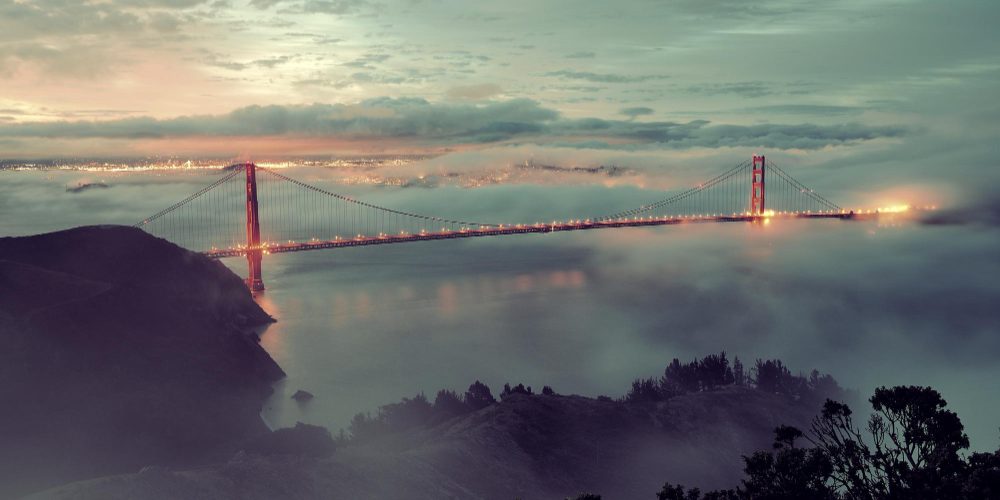
San Francisco is 46.9 square miles of land — a square roughly seven miles on a side, small enough that you can see most of it from one hilltop. Travellers reasonably conclude that a compact city needs no planning. Then they land, discover that Alcatraz has been sold out for six weeks, that Muir Woods will not let their rental car through the gate without a parking reservation, and that the cable car queue at Powell and Market is ninety minutes long at 11am. The city is not big. It is rationed. Almost everything people fly here for sits behind a separate booking system with its own release window, and the trip is largely decided two months before you arrive.
This guide is written around that fact. It covers what genuinely has to be reserved and what it costs, what is free and no worse, how the neighbourhoods actually divide up, a workable three-day route, and the practical problems — car break-ins, fog in July, the Tenderloin — that polite guides skip.
Why the city looks the way it does
Two events explain nearly everything odd about San Francisco’s appearance.
The first is the street grid. Surveyor Jasper O’Farrell laid a rectangular grid over the peninsula in 1847, when the settlement was a few hundred people clustered near the water, and the grid simply ignored the forty-odd hills underneath it. American cities usually curve roads around topography. San Francisco drove straight up. That is why Filbert Street hits a 31.5% gradient on Russian Hill, why intersections appear as blind horizons, and why the cable car was invented here in 1873 — horses could not do the job.
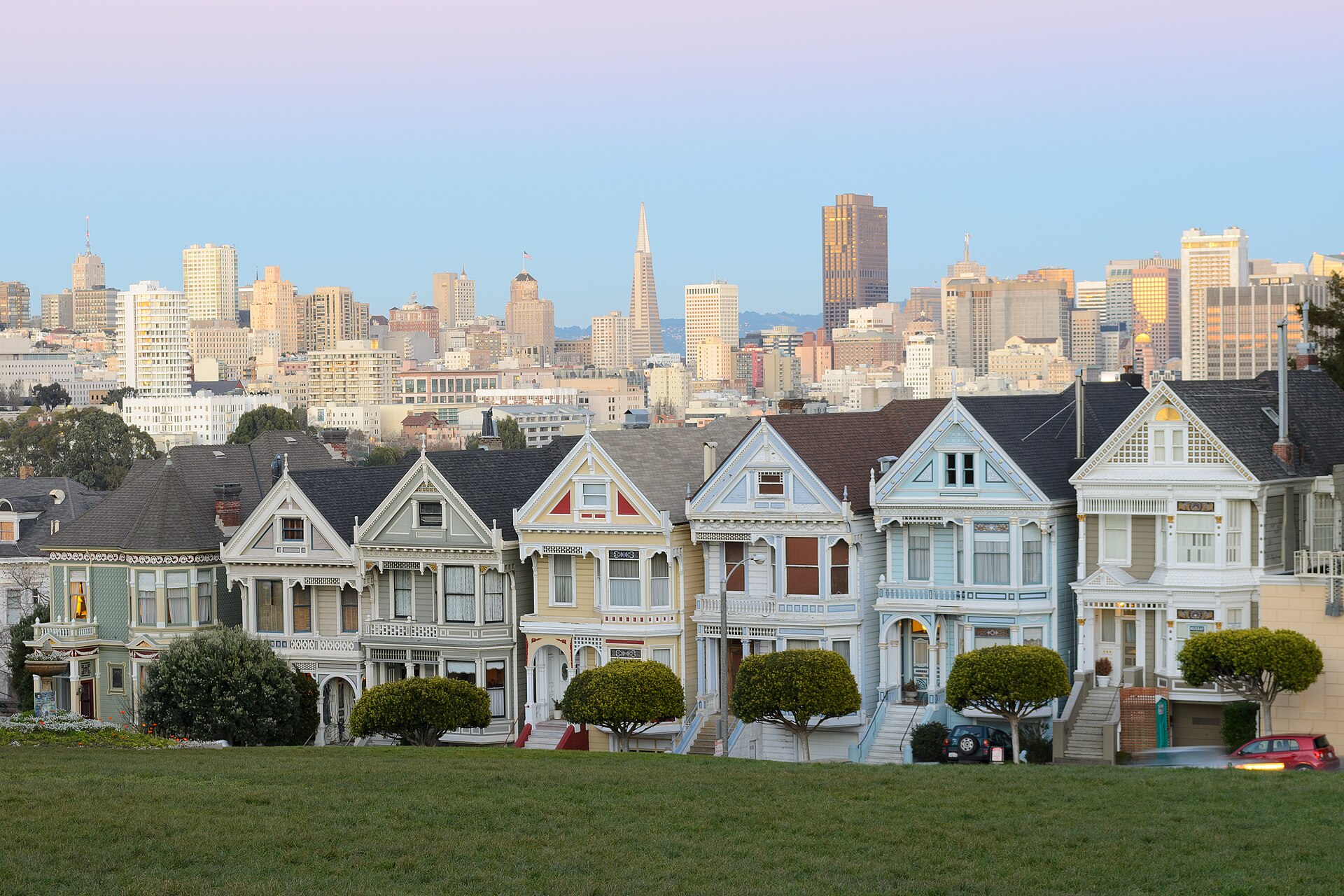
The second is 18 April 1906. The earthquake broke the water mains, and the fire that followed burned for three days across roughly 500 city blocks, destroying about 80% of the built city. Reconstruction was fast, cheap and uniform, which is why downtown and the northeast are early-twentieth-century blocks rather than Gold Rush relics. The famous Victorian rows survived because they were west of the fire line — Alamo Square, the Haight, the Western Addition. This matters practically: the postcard architecture is not downtown, it is a bus ride away, and visitors who never leave Union Square go home saying the city looked like anywhere else.
Getting in from the airport
Three airports serve the Bay Area and the right choice is not always the obvious one.
SFO has a BART station inside the international terminal. A one-way ride to downtown (Powell Street, Montgomery, Embarcadero) runs about $11.15 including the $4 airport surcharge, and takes roughly 30 minutes. You tap in with a Clipper card, the Clipper app on your phone, or a contactless credit card. This is faster than a taxi at rush hour and about a fifth of the price.
Oakland (OAK) is often cheaper to fly into and is genuinely fine: the AirBART people-mover connects to Coliseum BART station, then you ride under the bay. Budget about 50–60 minutes door to downtown. San José (SJC) is 45 miles south and only makes sense if your trip is Silicon Valley-centred; from there you are looking at Caltrain plus a transfer, or an expensive ride-share.
A taxi or Uber from SFO to downtown is typically $60–80 and can take an hour when the 101 is jammed. If you are three or more people with luggage it is defensible. Alone, it is money set on fire.
What must be booked ahead — and what it costs
This is the section that decides whether the trip works.
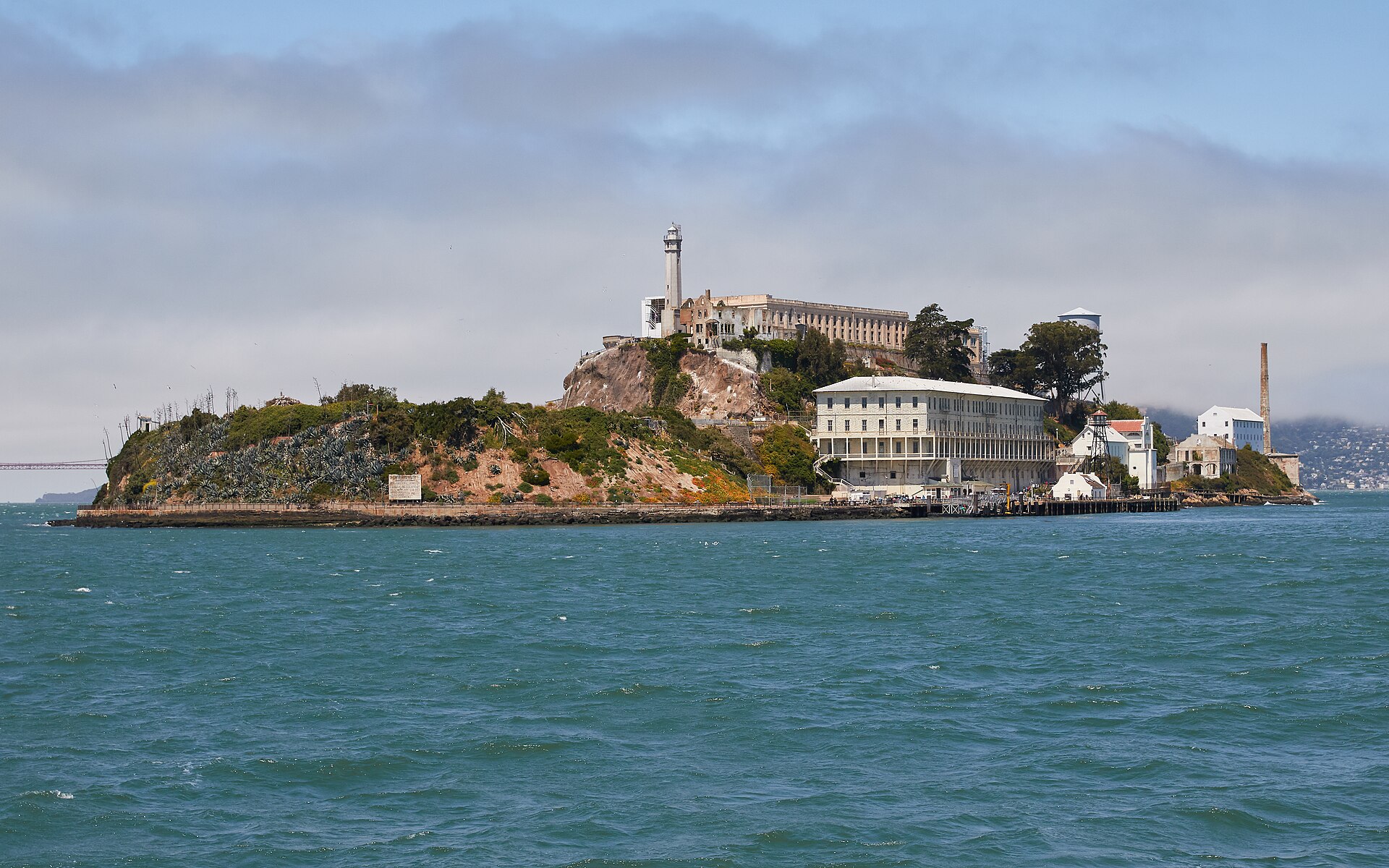
Alcatraz. Tickets are sold only by City Experiences, ferries leave from Pier 33, and the release window is 90 days out. The Day Tour is $47.95 for adults, $45.15 for seniors 62+, $47.95 for youth 12–17 and $29.15 for children 5–11; under-fives are free. The National Park Service charges no island entrance fee — you are paying for the boat. In summer, sailings can vanish four to eight weeks ahead. The Night Tour ($59.65 adult) is the better experience if you can get it: smaller groups, a longer crossing, and a cell house that is genuinely unsettling after dark. There is no legitimate back door. Third-party sellers advertising “last-minute Alcatraz” are usually reselling a bundled bus tour at a markup.
Muir Woods. The redwoods across the Golden Gate require two separate things: a $15 per-person entrance fee for anyone 16 or over, and a parking or shuttle reservation booked in advance at GoMuirWoods.com. The reservation is required for every vehicle and every shuttle rider, and staff turn people away at the gate. This catches a remarkable number of visitors with a rental car and a free afternoon.
Museums and bay attractions rarely sell out, but several use timed entry. Gate prices as of 2026: California Academy of Sciences $55 adult, Exploratorium $39.95, SFMOMA $30 (free for 18 and under), de Young plus Legion of Honor $25 on a same-day combined ticket, Aquarium of the Bay $28.75, San Francisco Zoo $31, Walt Disney Family Museum $30, and a 60-minute Blue & Gold Fleet bay cruise $39. The Exploratorium at Pier 15 is the one that reliably delights adults who thought they had outgrown science museums.
Availability and pricing move around, so check live rather than trusting a number in any guide — this one included:
Does the CityPASS actually save you money here?
San Francisco CityPASS is one of the few city bundles where the arithmetic is not a conjuring trick. It is $89.95 for adults and $69.95 for children 4–11, plus a $2 processing fee per ticket. It covers your choice of four attractions from the list above, and it is valid for nine consecutive days starting from your first visit — long enough to spread across a normal trip instead of forcing a death march. You also have a year from purchase before you have to start using it.
The honest test is arithmetic, not marketing. Add up the four you would have paid for anyway. Academy of Sciences ($55) plus Exploratorium ($39.95) is already $94.95 — more than the pass — so the other two choices are effectively free, and the advertised saving of up to $75 against a $164.95 regular price is real for that combination. Pick four cheap ones instead, say the Aquarium, the de Young, SFMOMA and the Disney museum, and the total is $113.75; you still save, but far less. If you only want one museum and would rather walk the city, skip the pass entirely.
Two details that catch people out. First, Alcatraz is not in the standard CityPASS pick-list — there is a separate San Francisco CityPASS + Alcatraz product, and a smaller C3 option, so it is worth putting the three side by side on the official comparison page rather than assuming. Second, the Blue & Gold cruise and the Exploratorium both require reservations even with a pass. Prices and the attraction line-up are revised periodically, so check the current San Francisco CityPASS price and attraction list before you commit.
What is free, and not one bit worse
San Francisco has an unusually strong free tier, and some of it beats the paid attractions outright.
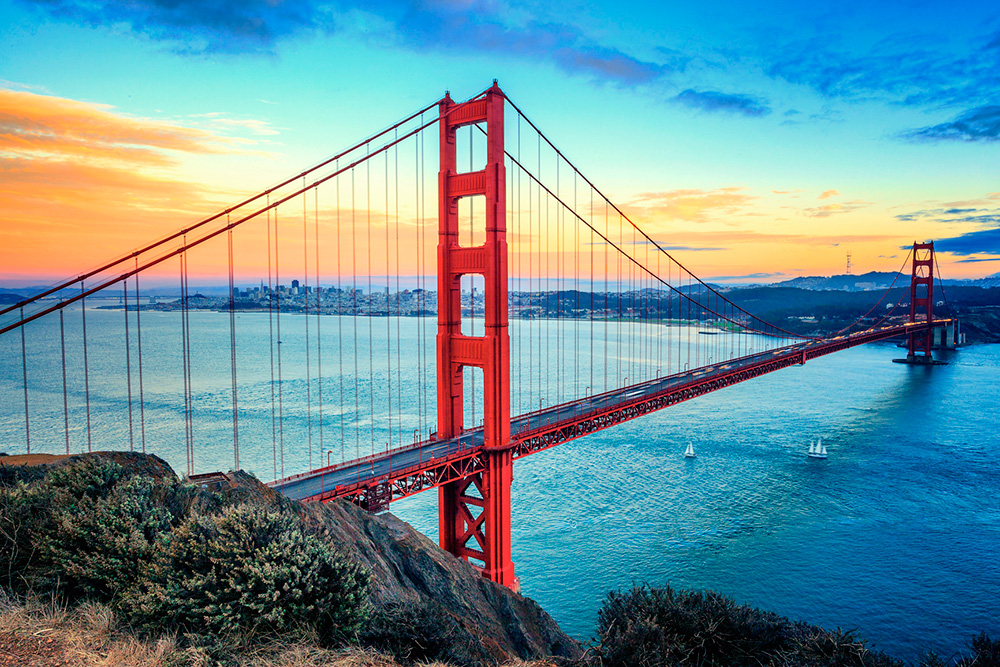
- Walking the Golden Gate Bridge. Free, always. The sidewalk on the east side is open to pedestrians in daylight hours. Start from the Welcome Center on the city side; you do not have to cross the whole 1.7 miles to get the view.
- Lands End. A cliff trail above the Pacific with shipwreck remains visible at low tide and the ruins of the Sutro Baths at the western end. Probably the best hour in the city and it costs nothing.
- Golden Gate Park. Larger than Central Park. The Botanical Garden is free to San Francisco residents, and the Japanese Tea Garden is free to everyone before 10am on Monday, Wednesday and Friday. JFK Drive is car-free.
- The Mission murals. Balmy Alley and Clarion Alley are open-air galleries with four decades of Chicano political art.
- Chinatown. The oldest in North America and still a working neighbourhood rather than a set. Go up Stockton Street, not Grant Avenue — Grant is the souvenir strip, Stockton is where people actually shop.
- The Presidio. A decommissioned army base turned national park, with a free shuttle bus, the Andy Goldsworthy installations, and the best angles on the bridge.
The neighbourhoods, and what each one is for
San Francisco is a city of adjacent villages, and the mistake visitors make is treating Union Square as the centre. It is a shopping district next to a difficult one.
North Beach is the Italian quarter, City Lights bookstore, and the best place to eat late. Chinatown sits immediately below it. The Mission is food, murals and the city’s warmest, sunniest weather — a real microclimate advantage on a foggy day. Hayes Valley is small shops and pre-symphony dinner. The Castro is the historic centre of gay San Francisco and worth an afternoon for the GLBT Historical Society Museum and the Castro Theatre. The Haight trades on 1967 and is thinner than its reputation, but it delivers you to the eastern edge of Golden Gate Park. The Richmond and Sunset are residential, foggy, and hold the best inexpensive Asian food in the city. Fisherman’s Wharf is where you catch the Alcatraz ferry and where you should otherwise not eat.
The Tenderloin, roughly bounded by Geary, Van Ness, Market and Mason, has concentrated street homelessness and open drug use. It is not a no-go zone and people live and work there, but if you booked a “great value downtown hotel” it may well be on its edge. Walk around it after dark rather than through it, and know that Market Street between about 5th and 7th is the same story.
Getting around: what the fares really are
Muni runs the buses, trams, historic streetcars and cable cars. A single adult ride is $2.85 with Clipper, the Clipper app or a contactless bank card, or $3.00 in cash, and it is good for 120 minutes of transfers. A Day Pass is $5.70 but does not include cable cars. Youth aged 18 and under ride free on everything except the cable car.
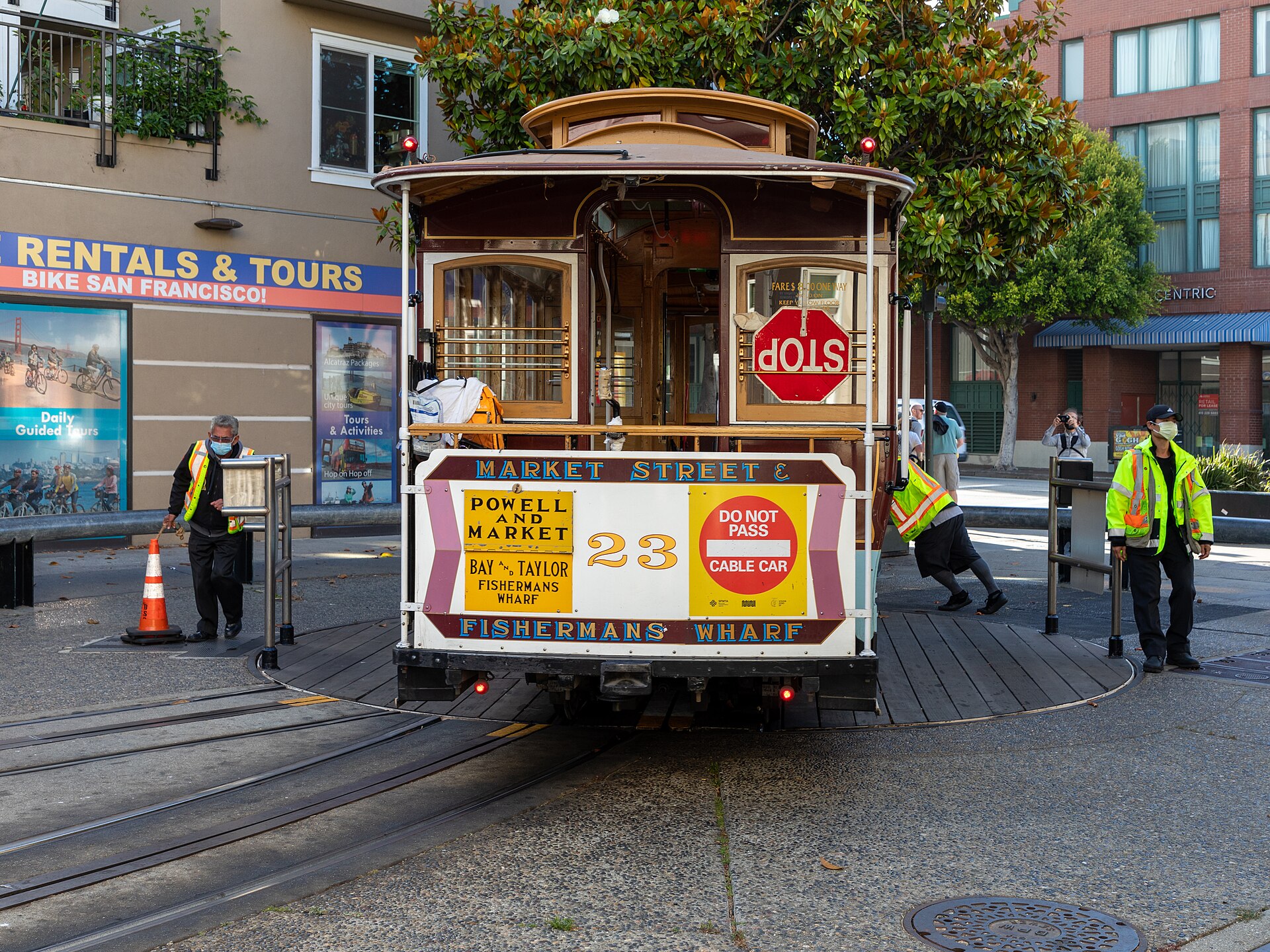
Cable cars are priced separately and steeply: $9.00 for a single ride, no transfers. That is the number that makes the Visitor Passport worth doing if you plan more than one ride — $15 for one day, $35 for three days, $47 for seven, and all of them include cable cars, streetcars, buses and Muni Metro. Two cable car rides and a couple of bus trips already beat the one-day price.
A practical note the queue at Powell and Market will not tell you: you can board a cable car at any stop along the line if there is room, and the California Street line is far less crowded than the two Powell lines. The Powell turnaround queue routinely runs an hour in summer. The California line is a functioning commuter route with tourists as an afterthought.
BART is the regional heavy rail — useful for the airport, Oakland and Berkeley, largely irrelevant for moving around the city itself apart from the Market Street spine.
A three-day route that works
Day one — the waterfront and the rock. Take the earliest Alcatraz sailing you were able to book; the island is quieter and the light is better before the mid-morning boats. Back at Pier 33 by early afternoon, walk east along the Embarcadero to the Ferry Building for lunch, then the Exploratorium at Pier 15 if you have children or curiosity. Finish in North Beach.
Day two — parks and the western edge. Bus out to Golden Gate Park, do the de Young and the Botanical Garden, then continue west to Ocean Beach and north along the Lands End trail to the Sutro Baths at sunset. This is the day most people remember, and it costs almost nothing.
Day three — hills, neighbourhoods and the bridge. California Street cable car up Nob Hill in the morning, walk down through Chinatown, lunch in the Mission, then the Presidio and the Golden Gate Bridge in the late afternoon when the fog usually lifts. Alamo Square for the Painted Ladies on the way back.
If you have a fourth day, spend it out of the city — see day trips below.
Eating: where the city is genuinely excellent
San Francisco’s restaurant reputation is fair, but the good value is not where visitors look. The Mission is the strongest single neighbourhood: taquerias where the Mission burrito was invented, and a dense strip of independent restaurants along Valencia. The Richmond and Sunset districts have the city’s best Chinese, Vietnamese, Burmese and Korean cooking at prices downtown does not offer. Chinatown’s Stockton Street is for buying food, not eating it in a restaurant with a laminated English menu.
Two practical points. Sales tax and a service charge are often added on top of the menu price, and many restaurants now list a “SF mandate” surcharge covering employer healthcare costs — this is legitimate and appears on the bill, not the menu. Tipping on top is still expected, typically 18–20%, though a growing number of places state that service is included.
Where to sleep
The trade-off is simple. Union Square puts you on the cable car lines and near the theatres, but the western edge shades into the Tenderloin and the cheapest rooms there are cheap for a reason. Nob Hill is quieter and more expensive. North Beach is the best compromise for walkability and evening life. The Marina is pleasant and poorly connected by transit. SoMa is convenient midweek and dead at weekends. If you are prepared to commute, staying in Oakland or Berkeley and riding BART in can cut the nightly rate substantially.
Rates swing hard with the convention calendar at Moscone Center — a room can double in price for a week in the middle of an otherwise quiet month, so it is worth comparing dates before you fix them:
Day trips: where a rental car earns its keep
Inside the city a car is a liability — parking is expensive, the hills are unforgiving, and break-ins are a real and well-documented problem. Outside it, a car opens up the best of Northern California.
Muir Woods and Marin is the classic half-day, remembering the $15 entrance fee and the compulsory parking reservation. Point Reyes is two hours out and worth a full day for the lighthouse and the elk. Napa and Sonoma are 60–90 minutes north; nominate a driver, because enforcement is serious. Highway 1 south to Half Moon Bay and Santa Cruz is a fine afternoon; Big Sur is a long day and better as an overnight.
Two things to know before you drive. The Golden Gate Bridge toll is charged southbound only — free heading north out of the city — and there are no cash lanes at all; it is roughly $10 in 2026 depending on how you pay. Rental companies will happily enrol you in a toll programme at $4.95 or so per day; you can avoid that by making a One-Time Payment against your licence plate at bayareafastrak.org, which you can do up to 30 days before or 48 hours after crossing. Second, never leave anything visible in a parked car anywhere in the Bay Area. Not a jacket, not a charging cable. This is not paranoia; it is the single most common thing that goes wrong for visitors here.
When to go — and why July is the trap
San Francisco does not have a normal Northern Hemisphere summer. Cold Pacific water meets hot inland air and the result is the fog that locals call Karl, which pours over the western half of the city from roughly June through August. July daytime highs sit in the high 50s to mid 60s Fahrenheit (14–19°C) and the bridge can be invisible for days.
September and October are the warmest, clearest months and the correct answer for most trips. April, May and early June are pleasant and less crowded. Winter is mild — it rarely freezes — but December through February is the wet season. Whenever you come, bring a windproof layer; the temperature difference between the sunny Mission and foggy Ocean Beach on the same afternoon can be ten degrees Celsius.
Practical notes, including the awkward ones
- Car break-ins. Rental cars with luggage in the boot are targeted, particularly at Twin Peaks, Lands End, Palace of Fine Arts and the Golden Gate viewpoints. Empty the car completely, every time.
- Street conditions. Visible homelessness and drug use are real in parts of downtown. It is overwhelmingly not directed at visitors, but it is confronting if nobody warned you, and it should inform where you book a hotel.
- Tap water comes from Hetch Hetchy in the Sierra and is excellent. Buying bottled water here is pure waste.
- Hills. Take them seriously if you have mobility limits. The 30, 45 and 1 bus lines exist for a reason and are free to use with any Muni fare.
- Layers, not coats. The city’s weather changes by the hour and by the block.
- What is not worth the money: the Fisherman’s Wharf sit-down seafood restaurants, most bay cruises if you are already taking the Alcatraz ferry, and any tour that promises to “skip the line” for something that does not have a line.
Further reading
If you are building a wider United States trip, we have detailed guides to cheap car rental in San Francisco, SUV rental in San Francisco for the Napa and Point Reyes runs, and the cheapest US domestic flights if San Francisco is one stop of several. For city guides in the same style, see things to do in New York and things to do in Toronto.
Prices quoted are 2026 published rates and change without notice. Some links on this page are affiliate links; using them costs you nothing and helps keep this site running.
Read next: Things to Do in Seattle: Where the $139 CityPASS Pays Off — and Where It Doesn’t