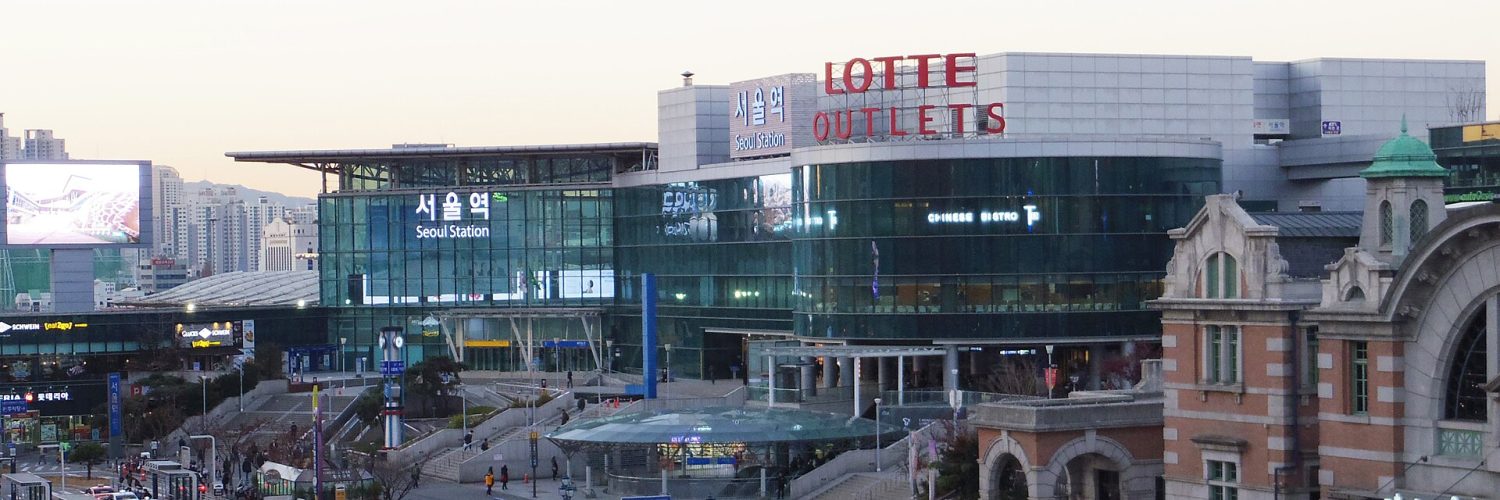
Every guide to getting from Incheon into Seoul answers the wrong question. They rank the options by speed, crown the AREX Express at roughly 40 minutes, and stop there. But the express train has exactly one destination — Seoul Station — and if your hotel is in Gangnam, that 40-minute train is followed by a transfer, two subway lines and a suitcase on a staircase. A 70-minute bus that stops outside your lobby beats it comfortably.
So the real question is not “what is fastest from the airport” but “what is fastest to my bed”. This guide answers that one, with the 2026 fares, the times, the traps, and a district-by-district recommendation at the end.
First: which airport, and which terminal
Seoul has two airports and they are not interchangeable.
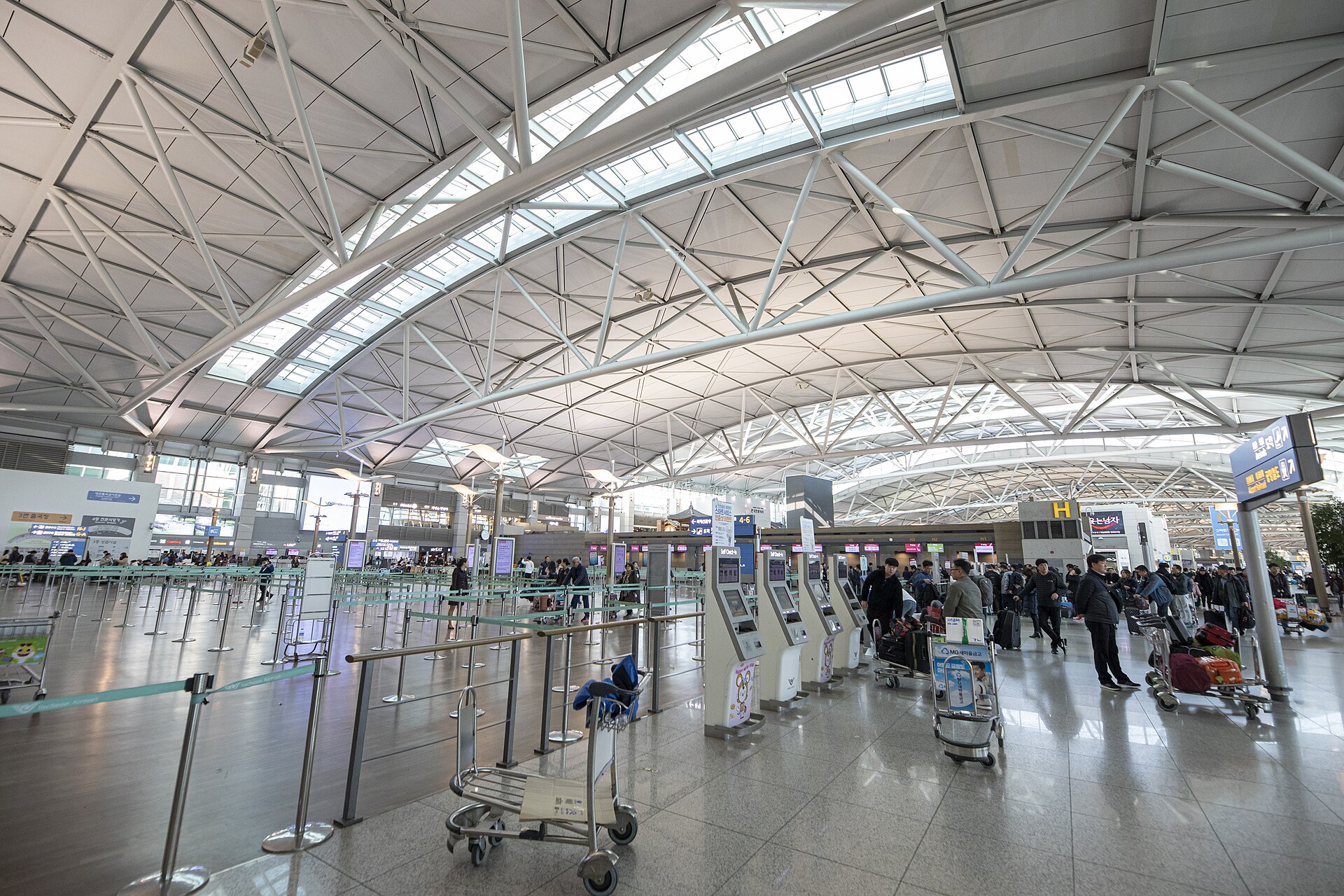
Incheon (ICN) handles essentially all long-haul arrivals and sits about 48 km west of the city on reclaimed land between two islands. It has two passenger terminals. Terminal 2 serves Korean Air, Delta, Air France, KLM and their partners; Terminal 1 serves most other carriers. They are 15 to 20 minutes apart by free shuttle bus, and both have their own AREX station, their own bus stands and their own taxi ranks. Getting this wrong on departure day is the single most common Incheon mistake — check your terminal on the boarding pass, not from memory.
Gimpo (GMP) is only 17 km from central Seoul and handles domestic flights plus a handful of short-haul international routes to Tokyo Haneda, Osaka, Taipei Songshan and Shanghai Hongqiao. If you are connecting from a Korean domestic flight, or arriving from Japan on a budget carrier, you may land here — and the transfer problem is far easier.
Option 1: AREX, the airport railway
AREX runs two distinct services on the same track, and they are not priced or timed alike.
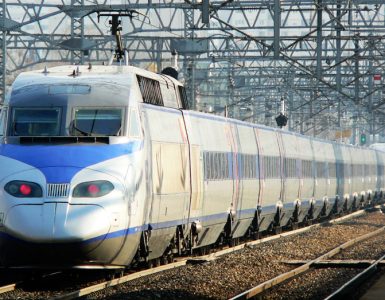
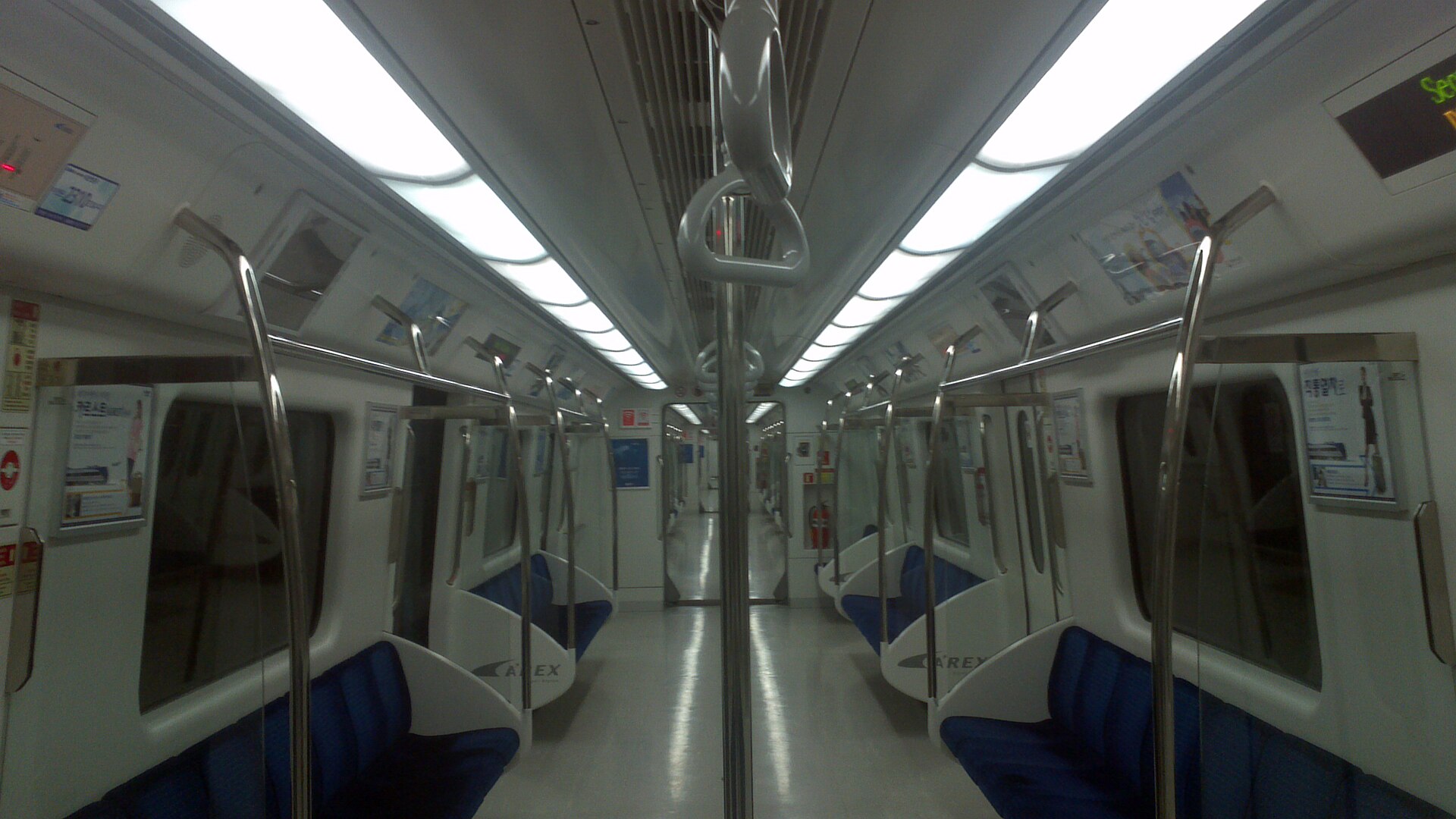
The Express Train runs non-stop from Incheon to Seoul Station in about 40 minutes, departing every 20 to 40 minutes. The Seoul Tourism Organization lists the fare at ₩9,500 each way; in practice you will see numbers between roughly ₩9,500 and ₩13,000 depending on whether you buy at the counter, at a machine, or online in advance, and pre-booked tickets are usually cheapest. Seats are reserved and there is proper luggage space.
The All-Stop Train is the same railway operating as a commuter line. It leaves every 5 to 10 minutes, stops at nine intermediate stations, and reaches Seoul Station in just under an hour — barely 20 minutes slower than the express. The fare is ₩4,150 to ₩4,750 depending on distance. For most travellers this is the better deal, and it has one advantage the express does not: it stops at Hongik University (Hongdae), Digital Media City, Gongdeok and Gimpo Airport on the way. If you are staying in Hongdae, the all-stop train takes you there directly with no transfer at all, while express passengers have to double back.
One card detail worth knowing. Seoul’s Climate Card, the unlimited transit pass that starts around ₩5,000 a day, does not cover AREX between Incheon and Seoul — that section always costs extra whatever card you hold. It does cover the Gimpo-to-Seoul-Station stretch. And you cannot buy a Climate Card at Incheon and tap straight in; you need a single-journey ticket or a standard T-money card for the airport leg.
Option 2: the airport limousine bus
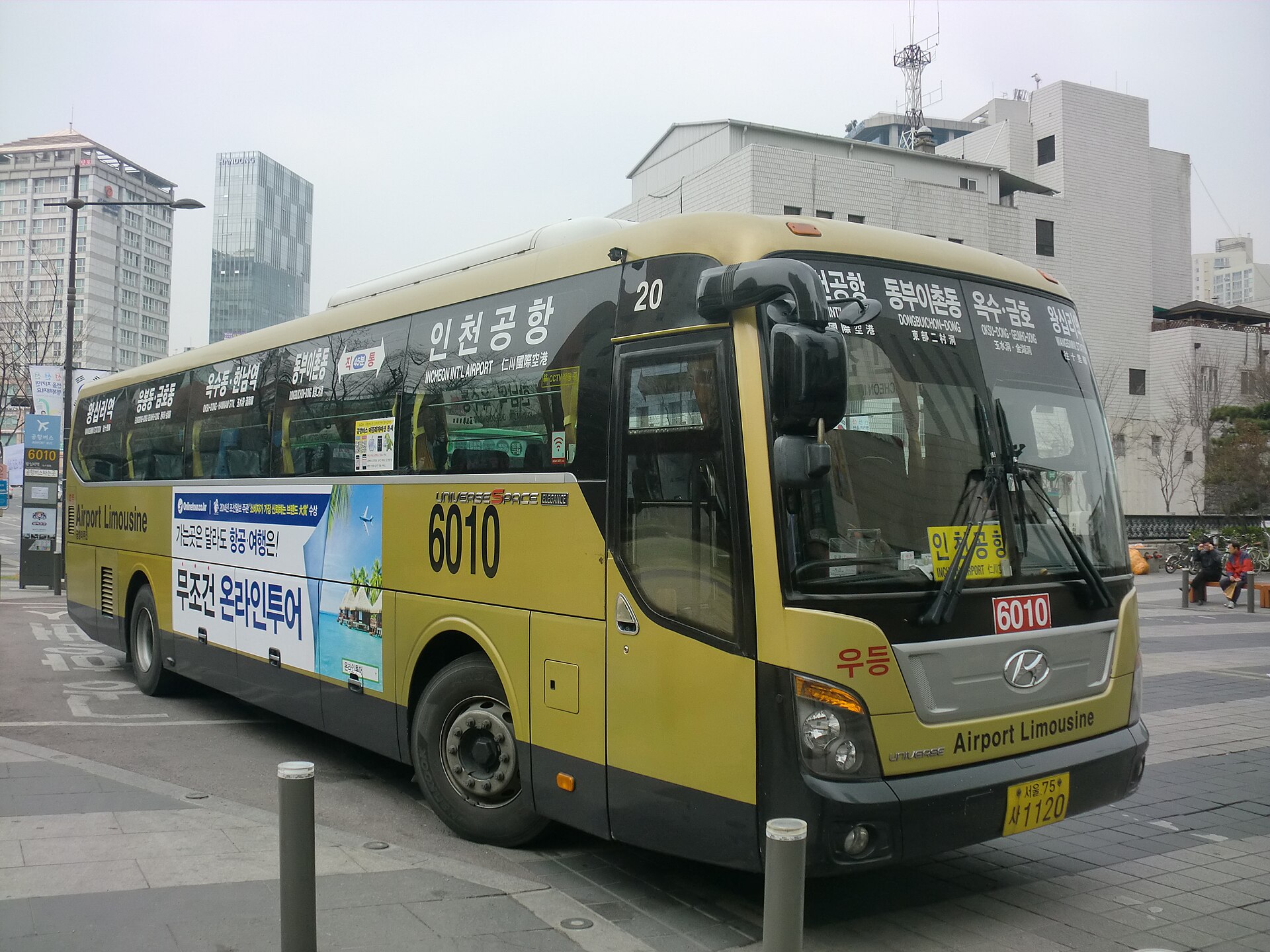
“Limousine” here means a comfortable long-distance coach with a luggage hold, not a stretch car. This is the option most underrated by first-time visitors and most used by returning ones.
Fares run roughly ₩5,000 to ₩15,000 depending on route and class, and the journey takes 60 to 80 minutes depending on traffic and destination. The point is not the price — it is that the buses run directly to hotel clusters across the city. Gangnam, Jamsil, Myeongdong, Dongdaemun, Sinchon, Itaewon and Yeouido all have routes that stop within a short walk of dozens of hotels, with no transfers and no stairs.
Buy tickets at the marked booths just outside the arrivals hall, or pay on board with cash, T-money or a credit card at Incheon. Route and timetable information is published by the airport itself at airport.kr — check your specific hotel against the official route list rather than trusting a blog post, because stops are revised.
A discount worth claiming: families of three or more travelling together to Incheon, where the group is immediate family and includes children, get one person free. It applies across 36 routes including the regular airport bus services, and almost nobody asks for it.
Option 3: taxis, and the honest numbers
Incheon has four taxi types at separate ranks outside arrivals: standard, international, deluxe and jumbo vans. International taxis cost about 20% more than standard but the driver speaks English, Japanese or Chinese. Deluxe taxis are 40 to 50% more expensive and use larger sedans. Jumbo vans take up to eight people and are priced like deluxe.
Here is the part that catches people. The official Seoul tourism fare table is still headed “estimated fares as of 2013” — it quotes ₩47,000 to ₩52,000 for Myeongdong and ₩50,000 to ₩55,000 for Dongdaemun. Real 2026 metered fares to central Seoul run higher, commonly ₩65,000 to ₩85,000, and on top of the meter you pay the Incheon International Airport Expressway toll of ₩7,900, which is not included in any quoted figure. A late-night surcharge applies after 10pm. Journey time is 60 to 100 minutes depending on destination and traffic.
A taxi makes sense in three situations: you are four people splitting the fare, you land after the last train, or you have more luggage than arms. Otherwise the train or bus is faster in rush hour and a fraction of the cost.
Option 4: a booked private transfer
A pre-booked car sits between a taxi and a bus in cost and removes the two things that actually go wrong at 1am in an unfamiliar country: finding the right rank, and explaining an address in a language you do not read. Korean addresses moved to a road-name system in 2014, and older hotels sometimes still advertise the previous lot-based address — handing a driver the wrong one is a genuine and common problem.
It is worth booking ahead specifically if you are arriving late, travelling with small children or elderly parents, or heading somewhere outside the bus network such as Yongin, Paju or Songdo. If your hotel is in Myeongdong and you land at 2pm, you do not need this and should take the train.
Which one, by where you are staying
- Myeongdong, Jung-gu, Namdaemun: AREX Express to Seoul Station, then one subway stop or a short taxi. Or the direct limousine bus if you have heavy bags.
- Hongdae, Sinchon, Mapo: AREX All-Stop train to Hongik University station. No transfer, under ₩5,000, and the express is actively worse for you.
- Gangnam, Jamsil, Samseong: limousine bus, every time. The rail route involves Seoul Station plus line 2 or the Shinbundang line, and the Shinbundang is not covered by the Climate Card either.
- Itaewon, Yongsan: limousine bus, or AREX to Seoul Station then lines 1 and 4.
- Insadong, Jongno, Bukchon: AREX to Seoul Station then line 1 to Jonggak, or a bus to Jongno.
- Anywhere, arriving after about 11pm: taxi or a pre-booked car. The last AREX trains leave Incheon late in the evening and the night bus network is thin.
Gimpo: the easy airport
If you land at Gimpo the problem largely disappears. AREX reaches Seoul Station in about 20 minutes and Hongik University in around 10. Subway lines 5 and 9 also serve the airport — line 9’s express service runs down to Yeouido and Gangnam without a change, which is the single most useful connection at either airport. A taxi to central Seoul is typically ₩25,000 to ₩35,000 and there is no ₩7,900 expressway toll, because you are not using the airport expressway.
Cards, cash and small logistics
- Get a T-money card at any convenience store in the arrivals hall — CU, GS25 or 7-Eleven. It works on subways, buses, most taxis and even in shops, and it saves you queueing at a ticket machine each time.
- Korea is close to cashless. Foreign credit cards work almost everywhere, and since March 2026 you can top up a Climate Card with an international card at subway kiosks. Carry a small amount of won for markets.
- Luggage delivery from Incheon to your hotel is widely available and reasonably priced, and it is the correct answer if you land in the morning and cannot check in until 3pm.
- Terminal shuttles are free between Incheon T1 and T2 and run every few minutes, but budget 20 minutes plus waiting on departure day.
What to sort out before you land
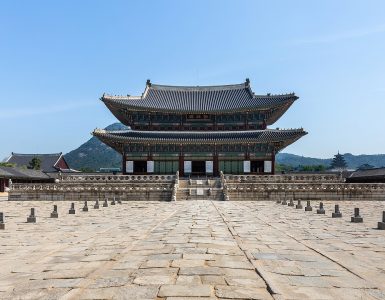
Two things are genuinely worth handling in advance. The first is the AREX ticket itself, which is often sold online below the counter price and sometimes bundled with an attraction ticket. The second is anything with timed entry — Gyeongbokgung’s changing of the guard, N Seoul Tower, Lotte World — because Seoul’s queues cluster hard on weekends and public holidays.
Where to stay, and how it changes the transfer
Your neighbourhood choice and your airport transfer are the same decision made twice. Myeongdong is central, well connected and heavily touristed. Hongdae is younger, cheaper and has the direct train. Gangnam is business-oriented, expensive and bus-served. Jongno and Insadong put you next to the palaces. Itaewon is the international quarter. Rates move sharply around Korean public holidays — Chuseok and Seollal in particular — when domestic travel spikes and, oddly, some city-centre hotels get cheaper as Seoulites leave town.
Further reading
Once you are in the country, our guide to getting from Seoul to Busan covers the KTX and the alternatives, and flights within South Korea explains when domestic air actually beats the train. If you are combining Korea with Japan, see our Tokyo airport transfer guide and things to do in Tokyo.
Fares quoted are 2026 published rates and change without notice; the official taxi estimate table is dated and real metered fares are higher. Some links on this page are affiliate links, which cost you nothing and help keep this site running.
Read next: Why Seoul Gets Cheaper the Longer You Stay — and What Changes on 1 January 2027