The distance from Cairo to Luxor is about 650 kilometres — roughly London to Edinburgh, or New York to Cleveland. You can cover it in an hour by air or spend ten hours doing it overnight in a bunk, and the two experiences produce completely different trips. The flight is not much more expensive than the sleeper once you count what the sleeper actually costs foreigners, which surprises most people who assume the train is the budget option.
This is a comparison of every realistic way to make the journey, with what each costs in 2026, how long it really takes, and who each one suits. Prices in Egypt move quickly with the exchange rate, so treat the figures as a guide and re-check before booking.
The short version
- Flight — about 1 hour in the air, roughly US$130–180 one way. Fastest, and the right choice on a short trip.
- Overnight sleeper train — 9 to 11 hours, roughly US$60–120 per person in a shared two-berth cabin. Saves a hotel night and is an experience in itself.
- Seated day train — 9 to 13 hours, from about US$70 in first class at the official foreigner fare. Long, but you see the Nile valley.
- Nile cruise — 3 to 5 nights, and not really transport. It is the holiday.
- Private car with driver — 8 to 10 hours plus stops, expensive, and only worth it if you want to break the journey.
- Bus — cheapest, 10 to 12 hours, and the least comfortable of the lot.

Flying: one hour, and usually the sensible answer
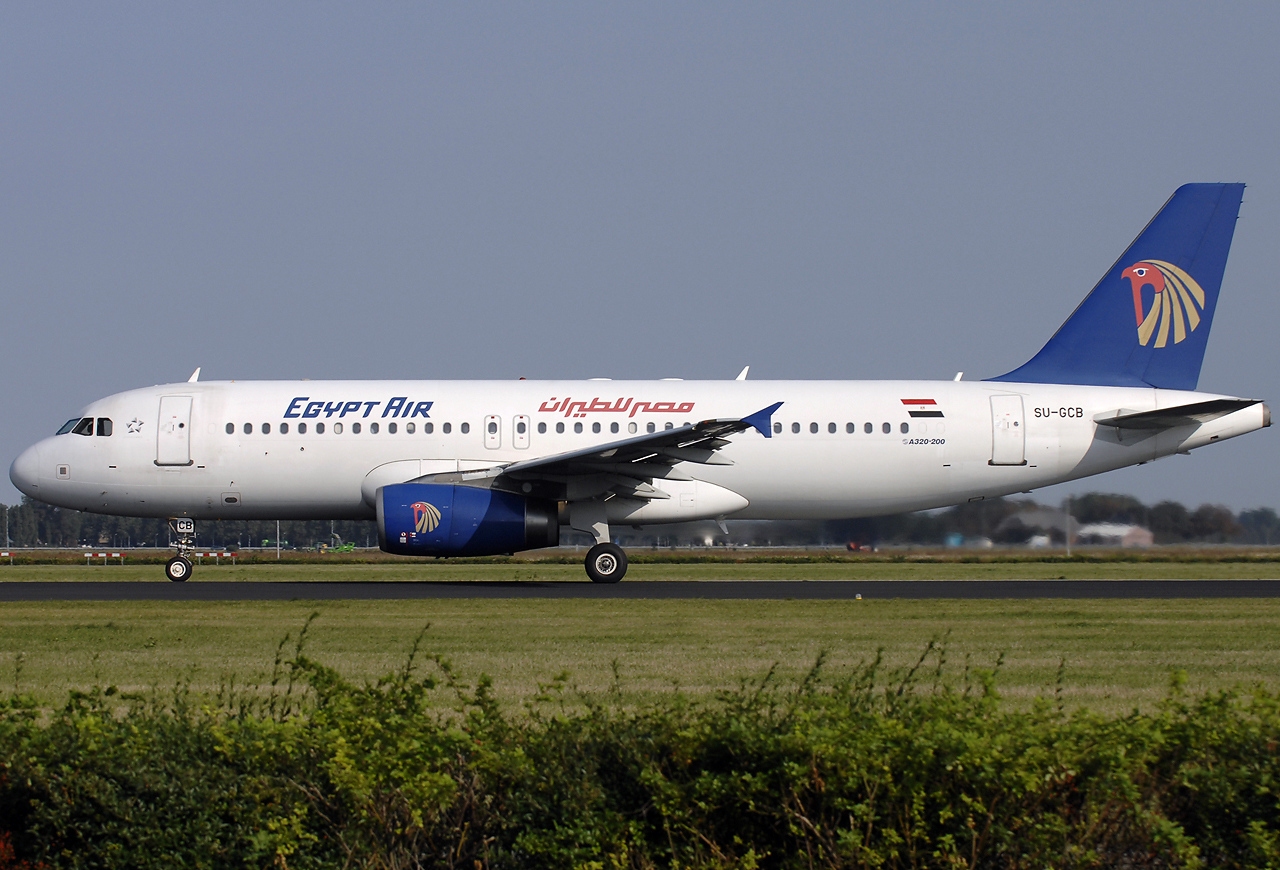
EgyptAir operates the route several times daily from Cairo International, with a scheduled flight time of about 1 hour 5 minutes. Add the usual airport overhead and it is a half-day door to door — still the fastest option by a wide margin.
One-way fares in 2026 have generally sat in the US$130–180 range, with occasional lower fares outside peak season. Note that fares on this route rose sharply through 2026 compared with the previous year, so older guides quoting US$60 flights are out of date. Book directly with the airline or through a comparison site well ahead; domestic Egyptian fares do not reliably fall at the last minute.
Luxor International Airport sits about 6 km east of the centre, and a taxi into town takes 15–20 minutes. Agree the fare before getting in, or arrange a transfer in advance — arriving at a small Egyptian airport and negotiating with the taxi rank is the single most common friction point on this route.
The overnight sleeper: what it actually is
This is the romantic option and the one most people ask about. A dedicated sleeper service runs nightly from Cairo’s Giza station, departing in the evening and arriving in Luxor around dawn. Cabins are two-berth, converting from a sofa to bunks, with a small washbasin. Dinner and breakfast are included and served airline-style at your seat. Bathrooms are shared at the end of the carriage.
The service is operated separately from Egyptian National Railways and is sold in US dollars or euros to foreign passengers. Expect roughly US$60–80 per person for a shared double cabin, and substantially more — often US$100–140 — for sole occupancy of a cabin, since you are effectively buying both berths. Quoted prices vary a lot between agents; book through the operator’s own site where you can.
Be realistic about the experience. The rolling stock is dated, the track is rough in places, and light sleepers often do not sleep much. The food is unremarkable. What you are buying is the saved hotel night, the arrival at sunrise, and a genuinely memorable ten hours. Plenty of travellers love it; plenty find it overpriced for what it is. Both reactions are fair.
The seated day train, and the two-tier ticket rule
Egyptian National Railways runs ordinary air-conditioned trains on the route several times a day. These take between 9 and 13 hours and delays are close to certain — an hour or two late is normal rather than exceptional.
The important thing to understand is that Egypt operates a two-tier fare system. Egyptian passport holders pay local fares; foreign visitors are legally required to buy designated foreigner tickets, which cost several times more. A first-class seated foreigner ticket to Luxor starts around US$70. Buying a local-fare ticket as a foreigner is not a clever hack — it counts as travelling without a valid ticket and gets sorted out unpleasantly on board.
Foreigner fares are sold at dedicated reservation offices in the main stations, including Cairo Ramses and the newer Bashtil terminal, and increasingly online. Turning up at a normal domestic window and asking for a ticket to Luxor will often get you sent to the tourist office instead.
The day train earns its place for one reason: you see the Nile valley for nine hours. Green strips of farmland a few hundred metres wide, then desert, repeating for 650 kilometres. It is the clearest possible illustration of why Egyptian civilisation is shaped the way it is. If that appeals, the discomfort is a price worth paying. If it does not, fly.
The Nile cruise: not transport, but worth considering
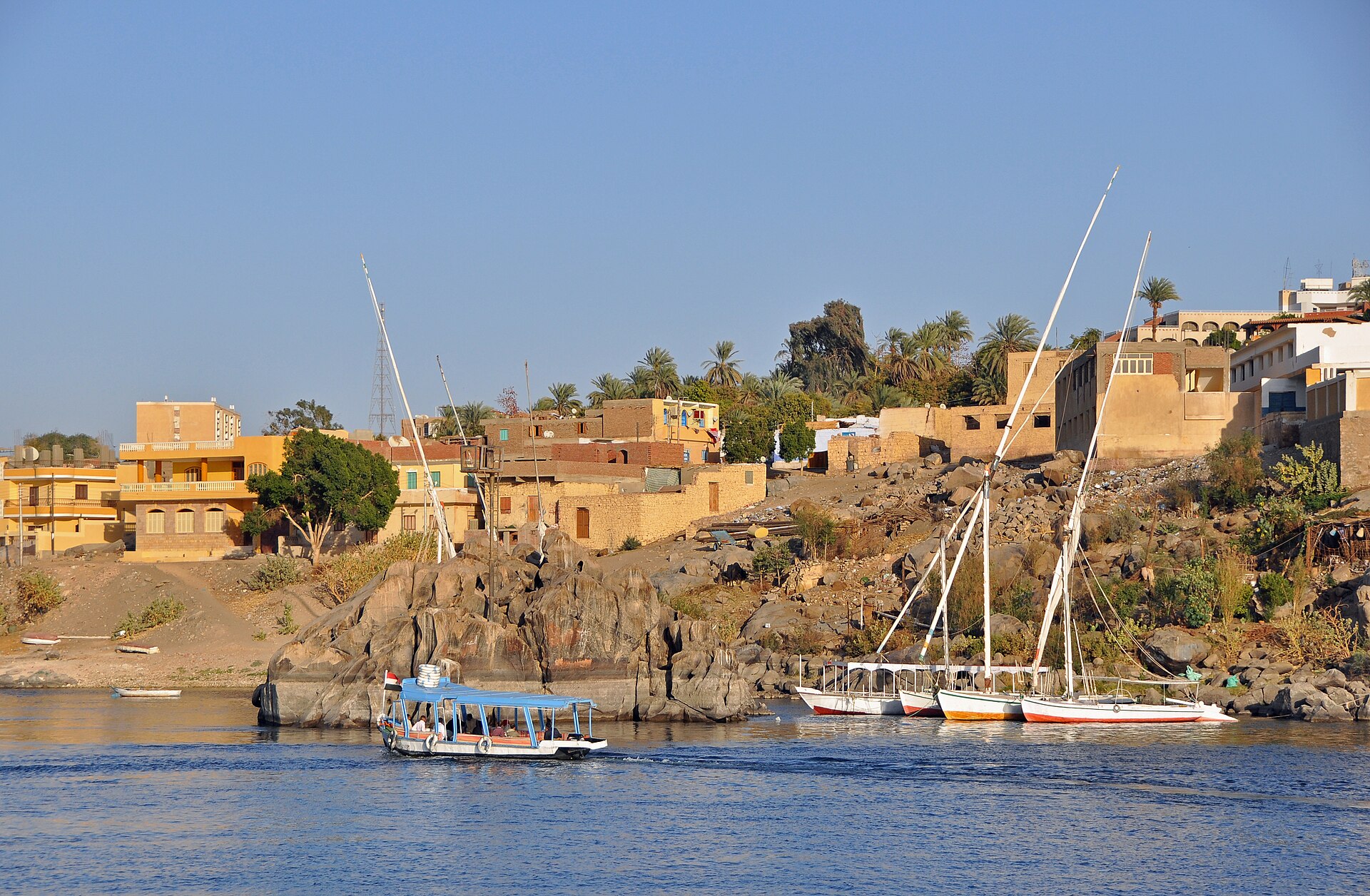
Most Nile cruises run between Luxor and Aswan rather than from Cairo, typically three nights southbound or four northbound, because the stretch north of Luxor has locks and river conditions that make it slow and commercially unattractive. A handful of long cruises do run the full Cairo–Luxor stretch, but they are expensive, infrequent and take the better part of a week.
The practical pattern for most visitors is: fly or take the train to Luxor, then cruise Luxor to Aswan, then fly back from Aswan. Treat the cruise as the centrepiece of the trip rather than as a way of getting between two cities.
Private car and driver
A private car takes 8 to 10 hours of actual driving, and realistically a full day with stops. It costs considerably more than flying for one or two people, and only becomes competitive for a family of four or more.
The genuine argument for it is stopping. The road south passes Beni Hasan, Tell el-Amarna, Abydos and Dendera — sites that are difficult to reach otherwise and that most itineraries skip entirely. Dendera in particular, with its painted ceiling, is a highlight for many people who make the effort. If you want those, a car is the only sensible way.
Self-driving this route is not recommended. Long desert stretches, unlit roads, aggressive traffic and a police convoy system that still applies in places make it a poor first Egyptian driving experience. Hire a driver rather than a car.
The bus
Intercity coach operators run the route overnight for a fraction of the other options — usually well under US$20. Journeys take 10 to 12 hours, seats recline modestly, and there is a rest stop or two. It is a legitimate choice if the budget is genuinely tight, and thousands of people use it without incident. It is also the option with the least comfort, the least legroom and the most variable punctuality, and the saving over a seated train ticket is smaller than it first appears once you account for the tourist fare structure.
Which one should you take?
- Short trip, one week or less: fly. Losing a night to the train costs you a disproportionate share of your time.
- Two weeks or more, and the journey is part of the point: take the sleeper southbound and fly back. You get the experience without doing it twice.
- Travelling as a family or group of four: price the private car properly — with stops at Abydos and Dendera it can be the best value of the lot.
- On a tight budget: the seated day train in first class. More comfortable than the bus for not much more money, and the view is the compensation for the hours.
- Nervous about Egyptian logistics generally: fly, and pre-book an airport transfer at the Luxor end.
Arriving in Luxor: what to book before you go
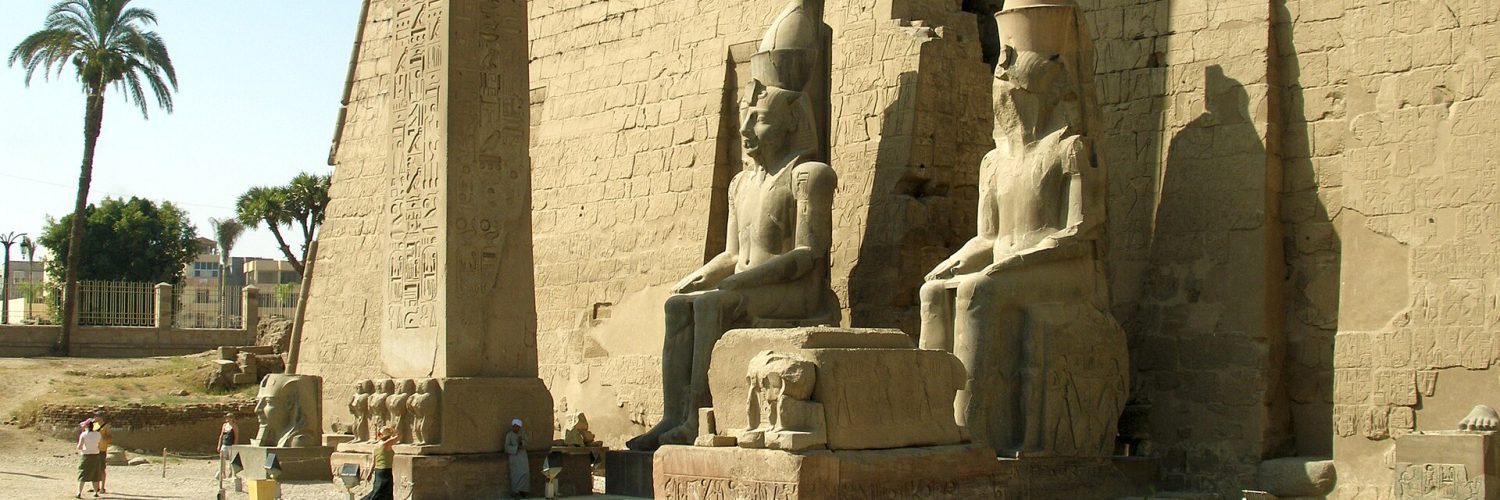
Luxor is unusually concentrated. The East Bank holds Karnak and Luxor Temple and the town itself; the West Bank holds the Valley of the Kings, Hatshepsut’s mortuary temple and the Colossi of Memnon. You cross by bridge or by ferry.
A few things genuinely need booking ahead. The Valley of the Kings sells a general ticket covering three tombs, with Tutankhamun, Seti I and Nefertari all charging separate and much higher supplements — Seti I in particular is expensive and, for people who care about painted relief, the best thing in the valley. Hot air balloon flights at sunrise sell out in high season and are weather-dependent. Guided West Bank days are worth it here more than at most sites, because the tombs are unlabelled and the context is not obvious.
Timing matters more in Luxor than almost anywhere else in Egypt. Summer temperatures regularly exceed 40°C and the West Bank has no shade. From May to September, everything outdoors happens before about 10am. From November to February the weather is close to perfect, which is also why prices peak.
Where to stay at each end
In Cairo, staying in Giza puts you near the pyramids and the Grand Egyptian Museum but far from everything else; Zamalek and Garden City are quieter and more central for the Egyptian Museum and Islamic Cairo. If you are taking the sleeper, note that it departs from Giza station, which argues for a last night on that side of the river.
In Luxor, the East Bank corniche is the default and the most convenient. The West Bank has smaller, cheaper guesthouses and puts you next to the tombs at dawn, at the cost of crossing the river for dinner. Both work; the East Bank is the safer first-visit choice.
Practical notes
- Book the sleeper early in high season (November to February). Cabins genuinely sell out.
- Carry your passport for all train travel — foreigner tickets are issued against it and checks are routine.
- Cash. Card acceptance has improved but is still patchy outside hotels and airports. Carry Egyptian pounds in small denominations.
- Tipping is woven into daily life in Egypt. Small notes for porters, cabin attendants and guides are expected rather than optional.
- Taxi scams at Luxor airport and station are the most common complaint on this route. Agree a price first, or pre-book.
- Delays. Do not schedule a same-day connecting flight out of Luxor off the back of a train arrival.
Further reading
- Things to do in Cairo — what to see before you head south
- Things to do in Marrakech — the other great North African city break
- Marrakech airport transfers — the same arrival problem, solved