Fifty lek. That is what it costs to walk up to Albania’s most photographed spring, Syri i Kaltër — about 40 cents, paid in cash at a wooden booth, plus a little more if you drove. Spend the night anywhere within an hour of it, on the other hand, and the number changes completely: the average short-term rental in Albania now runs about €57 a night, according to AirDNA figures reported in mid-2026 — above Bosnia and Herzegovina, Serbia, Kosovo and North Macedonia, though still roughly half of what Greece, Italy or Croatia charge. Albania spent the last decade marketed as the last cheap secret on the Adriatic. In 2026, that pitch needs an asterisk.
| Market | Average short-term rental, 2026 |
|---|---|
| Bosnia, Serbia, Kosovo, North Macedonia | Below Albania’s average |
| Albania | ~€57/night |
| Montenegro | ~€79/night |
| Greece, Italy, Croatia | More than double Albania’s average |
Figures reported by Gazeta Tema, citing AirDNA data, June 2026. Short-stay rental averages shift by season; treat these as directional, not a quote for any specific date.
Check Tirana Hotels on Booking.com
The Hotel Tax Crackdown Behind the Price Jump
The price rise is not accidental — it is the direct result of a tax enforcement push that only really started biting in 2025. Albanian municipalities collected 736 million lek (roughly €7.8 million) in hotel tax in 2025, up from 98.6 million lek in 2015: a 646% increase over a decade, according to figures reported by Gazeta Tema in July 2026. Hotel tax is paid by the guest, and officials say undeclared stays — cash, off the books, no receipt — have historically been common. There are more than 18,200 short-term rental listings on booking platforms in Albania, and new rules now require hosts to declare occupancy of at least 65% of capacity from May to September, and 30% the rest of the year.
A separate, broader tourism-sector tax plan reported in May 2026 — still at the proposed stage as of this writing, not yet enacted — would widen VAT registration further and raise the share of accommodation businesses paying VAT at the 6% rate, and bars and restaurants at the 20% rate. Together, the direction of travel is clear: the quiet, cash, under-the-table version of Albania that made it feel almost free a few years ago is being taxed out of existence. That is good news for the country’s infrastructure and bad news for the myth that Albania is still Europe’s cheapest beach holiday.
Carry Cash
Albania’s currency is the lek (ALL), and it floats against the euro rather than being pegged to it, so the rate moves — check a current rate before you travel rather than relying on a number in any blog post, this one included. Cards are accepted at larger hotels, international shops and most car rental desks, but small guesthouses, local restaurants, taxis and markets — especially outside Tirana and the main coastal resorts — are still routinely cash-only. ATMs are easy to find in cities and tourist towns and scarce in rural areas, so withdraw more than you think you need before heading into the mountains or the smaller Riviera villages.
Two Blue Eyes, Two Different Price Tags
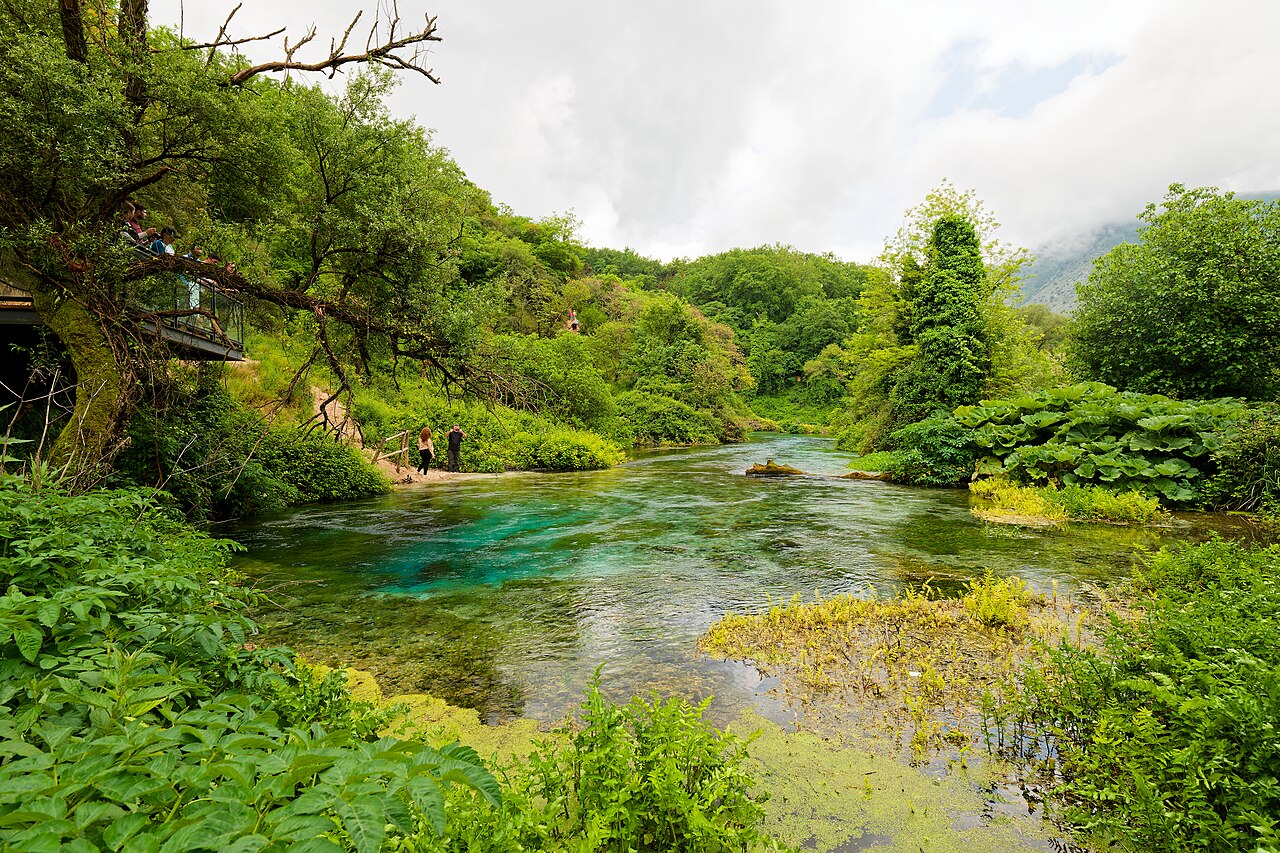
The spring everyone photographs, Syri i Kaltër, sits about 40 minutes by car (or a furgon, the shared minivan that doubles as Albania’s intercity bus) from Sarandë. Entry is 50 lek per person, cash only, with a separate parking charge if you drove. It is open from 7am to 7pm, the water never warms above 10°C regardless of the season, and swimming is officially banned — a rule that is widely ignored and even more widely photographed.
What trips up a lot of first-time visitors is that there is a second, unrelated “Blue Eye” in Albania: Kaprre, in the mountains near Theth, reached by a roughly 11-kilometre hike from the village or a 4×4 to the trailhead at Ndërlysaj. It is free, open around the clock, the water runs 5–7°C even in summer, and swimming is allowed. Search for “Blue Eye Albania” and both show up; they are a five-hour drive apart.
Berat and Butrint, Albania’s Actual UNESCO Sites
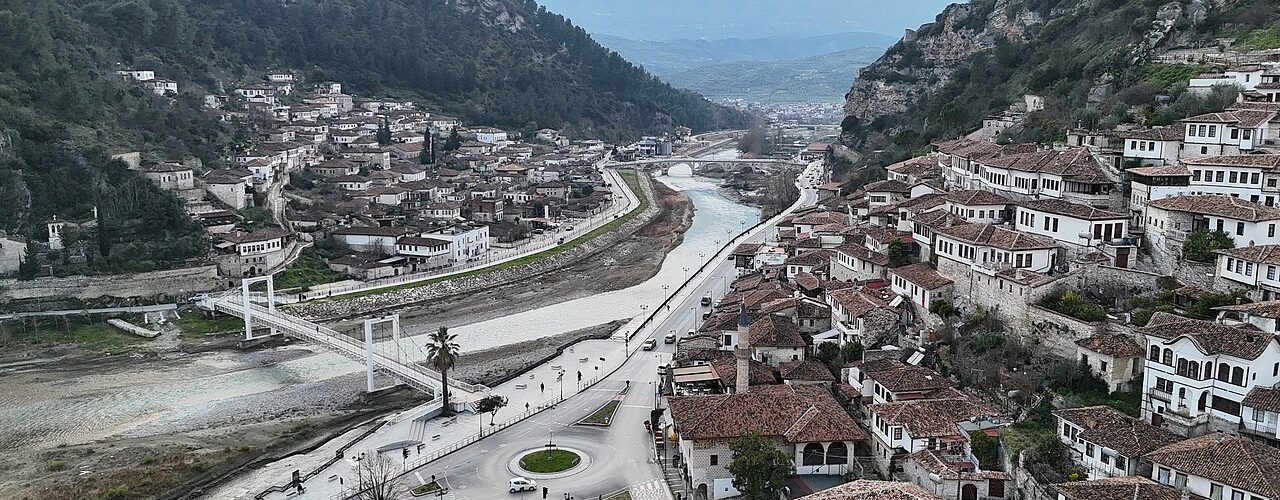
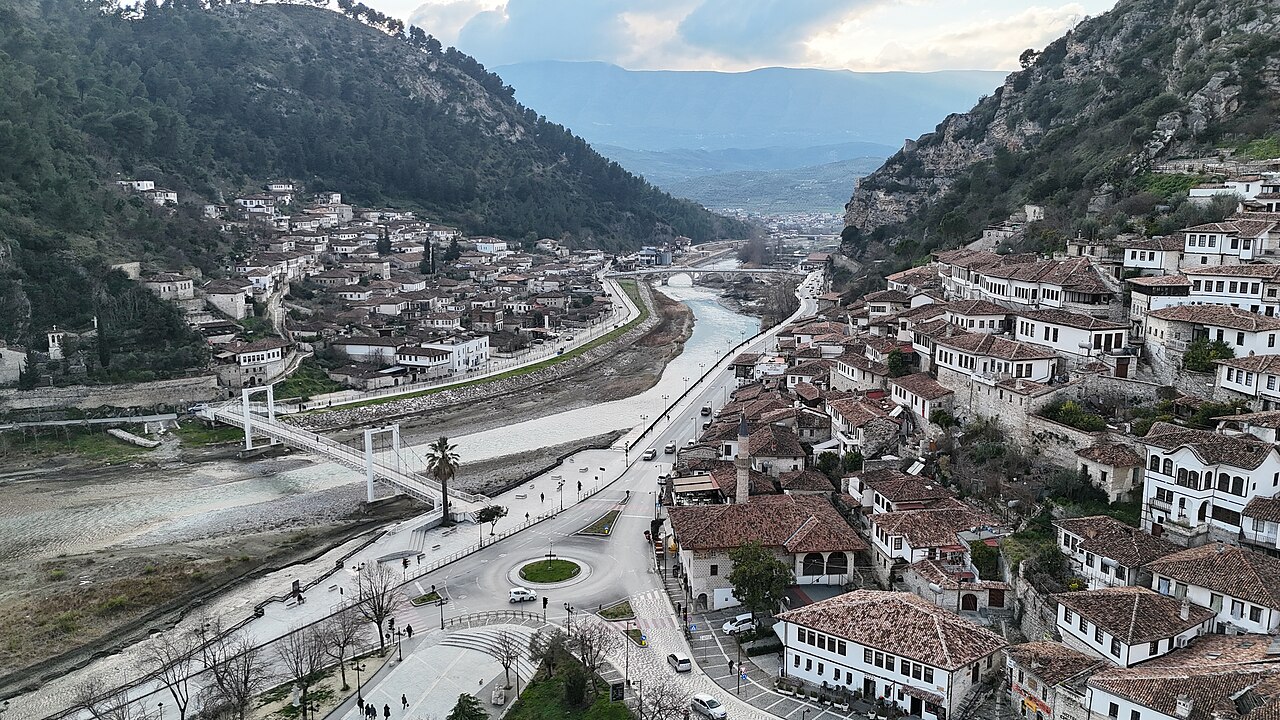
Berat earns the nickname “City of a Thousand Windows” honestly: the Mangalem quarter’s stacked Ottoman-era houses climb the hillside below a working castle, and the neighbourhood (listed by UNESCO jointly with Gjirokastër) has no gate and no ticket — you simply walk up. Individual sights inside the castle walls, like the Onufri Museum and a couple of the old churches, charge their own small entry fees separately at the door.
Butrint, the Greco-Roman-Venetian archaeological park near the Greek border, is more straightforward: entry is €10, cards are accepted, and it is open 8:30am to 8pm in season (last entry 6pm) and 9am to 5:30pm in winter (last entry 3:30pm). A local bus from Sarandë costs around €2, or about €1 from Ksamil.
If you have already worked out how Dubrovnik caps its own cruise crowds or weighed whether Slovenia is still worth the trip before the rest of the Balkans catches on, Berat and Butrint are the same bet a few years earlier in the cycle — genuinely underrated UNESCO sites that do not yet feel overrun.
Check Sarandë & Ksamil Hotels on Booking.com
Getting There Got Noticeably Easier in 2026
Tirana International Airport (Nënë Tereza) had its busiest expansion yet this past summer. Wizz Air added a 15th based aircraft and four new routes — Tallinn, Alghero, Palma de Mallorca and Radom — on top of frequency increases on existing routes like Milan Malpensa, Athens and Turin, totalling roughly 5.6 million two-way seats for the 2026 summer season. Ryanair went further: a fourth based aircraft (a reported $400 million investment) and 20 new routes on top of the 23 it already flew, for 43 routes out of Tirana this past summer, with a stated target of 4 million passengers for the year, up 50%.
A second airport, on the coast near Vlorë, has been talked about and delayed since 2024 and was still only tentatively expected to open “late 2026” as of the most recent reporting — check its current status before planning a trip around flying directly into the Riviera rather than through Tirana.
Once you land, Albania has no meaningful passenger rail network, so getting around means renting a car, booking a private transfer, or using furgons — the shared minivans that cover most intercity routes on no fixed timetable, leaving when they fill up rather than on the hour. The country is small enough that this matters less than it sounds: Tirana to Sarandë is a single day’s drive, and Berat sits roughly in between.
Who Can Just Show Up
EU, Schengen, EEA, Swiss and UK citizens can stay in Albania visa-free for up to 90 days in any 180-day period. Saudi Arabian citizens have a visa-free trial running from 15 April to 31 December 2026, provided their passport is valid at least six months beyond the stay. Rules for other nationalities vary and change; check your own country’s current requirement directly rather than trusting a date on a blog post.
The Part That Is Not on the Postcard
Albania’s Riviera has had its own backlash. In 2023, viral complaints about crowding and pricing at the private beach clubs in Dhërmë and Himarë got loud enough that the Prime Minister publicly called some of the sunbed and umbrella pricing “outrageous.” That was a couple of summers ago, not a current price list, but the undocumented cash economy behind it is exactly what the hotel-tax crackdown described above is now trying to formalize. In practice: do not expect empty beaches in Ksamil, Dhërmë or Himarë in July or August, and do not expect the private beach clubs there to be the bargain they were in older trip reports.
Watch Before You Go
The Bottom Line
Albania is still worth visiting — Berat and Butrint are legitimate, uncrowded UNESCO-level sites, Theth’s Blue Eye is free and empty most of the year, and getting there from Europe got dramatically easier in 2026. What is no longer true is the “almost free” pitch: budget it like a solid mid-tier Balkan country, not a steal, expect the Riviera’s best-known coves to be crowded and no longer cheap in August, and go in May–June or September if the quieter, better-value version of the trip is the one you actually want. If you are weighing other destinations against their own hype, our look at whether Jordan and Rwanda are worth visiting follow the same format.
This article may contain affiliate links. See our affiliate disclosure for details.