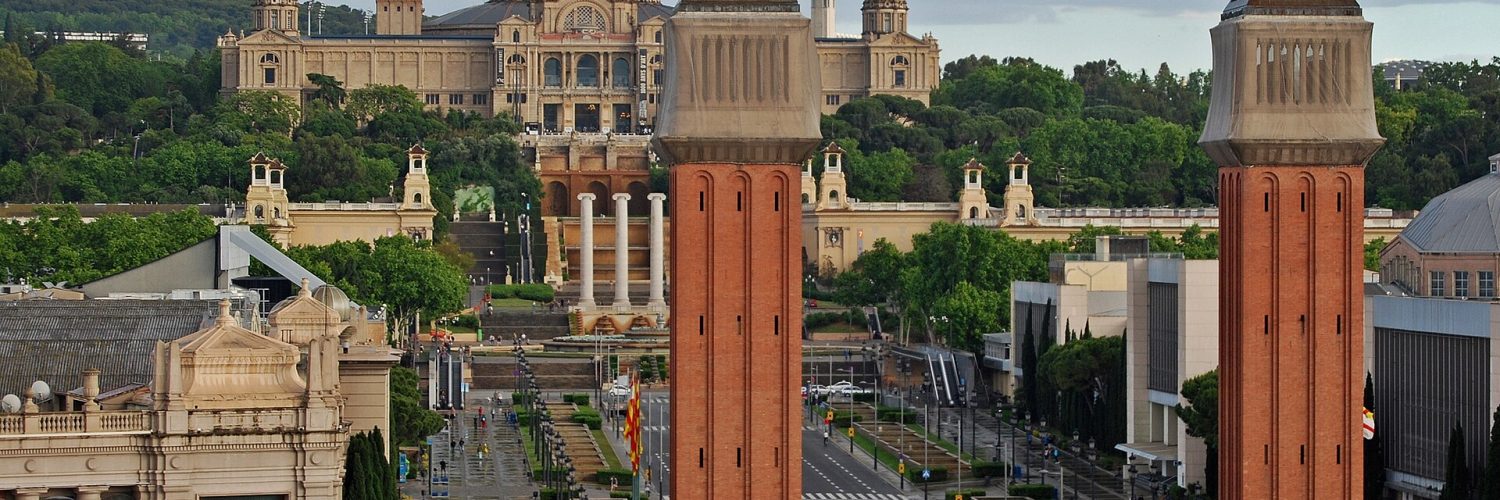
Barcelona has a problem most cities would love: almost everything worth seeing is world-famous, which means almost everything worth seeing is busy. The Sagrada Familia takes millions of visitors a year. Park Guell caps entry to its monumental zone. The Picasso Museum sells timed slots that go days ahead.
None of that makes the city less good. It just means Barcelona punishes improvisation more than most. Here is what to book, what to skip, and how the city actually fits together.
Getting in from El Prat
Barcelona-El Prat is 15 km southwest of the centre and unusually well connected. The Aerobus runs to Placa Catalunya in about 35 minutes for roughly EUR 7.25. Metro line L9 Sud reaches the city for around EUR 5.90 but involves a change. A taxi runs EUR 35 to 45 with a fixed airport supplement.
For groups of three or more, or any arrival after midnight, a pre-booked transfer usually lands between the bus and the taxi on price and removes the queue at the rank. Our guide to airport transfers and taxis in Spain covers the wider picture.
The Gaudi sites: which ones are worth it
Barcelona’s reputation rests heavily on one architect, and the honest answer is that not all of his buildings are equal value.
- Sagrada Familia — around EUR 26 basic, more with tower access. Unmissable, and the interior justifies the hype in a way photographs do not convey. Tower slots are capped tightly and sell out weeks ahead in summer. Book this before anything else in your trip.
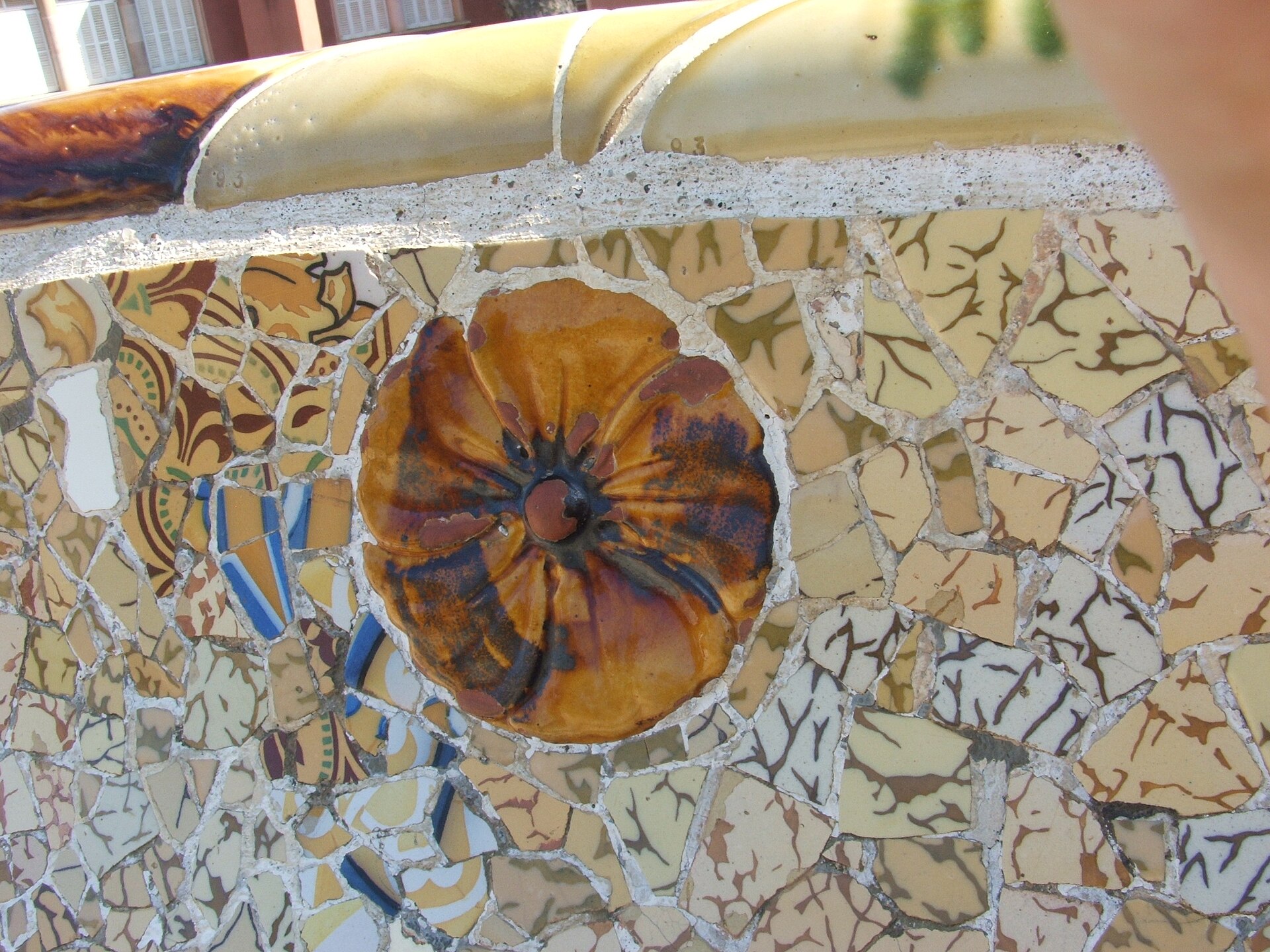
- Park Guell — around EUR 10 for the monumental zone. The rest of the park is free and much of it is just as pleasant. Worth it for the terrace, but it is a 20-minute uphill walk from the metro and slots are strict.
- Casa Batllo — EUR 29 to 45 depending on tier. The most theatrical of the house museums and the best audio experience. If you only do one Gaudi house, this is it.
- La Pedrera (Casa Mila) — around EUR 28. Better rooftop, less spectacular interior than Batllo. Doing both in one day is a lot of Gaudi.
- Palau Guell — around EUR 12, far quieter, and the one locals send you to when you say you have already done the others.
What people miss
Beyond Gaudi, Barcelona has a second city that most three-day itineraries never reach:
- The Gothic Quarter and El Born — medieval Barcelona, best explored without a plan. Santa Maria del Mar in El Born is free and one of the most beautiful churches in Spain.
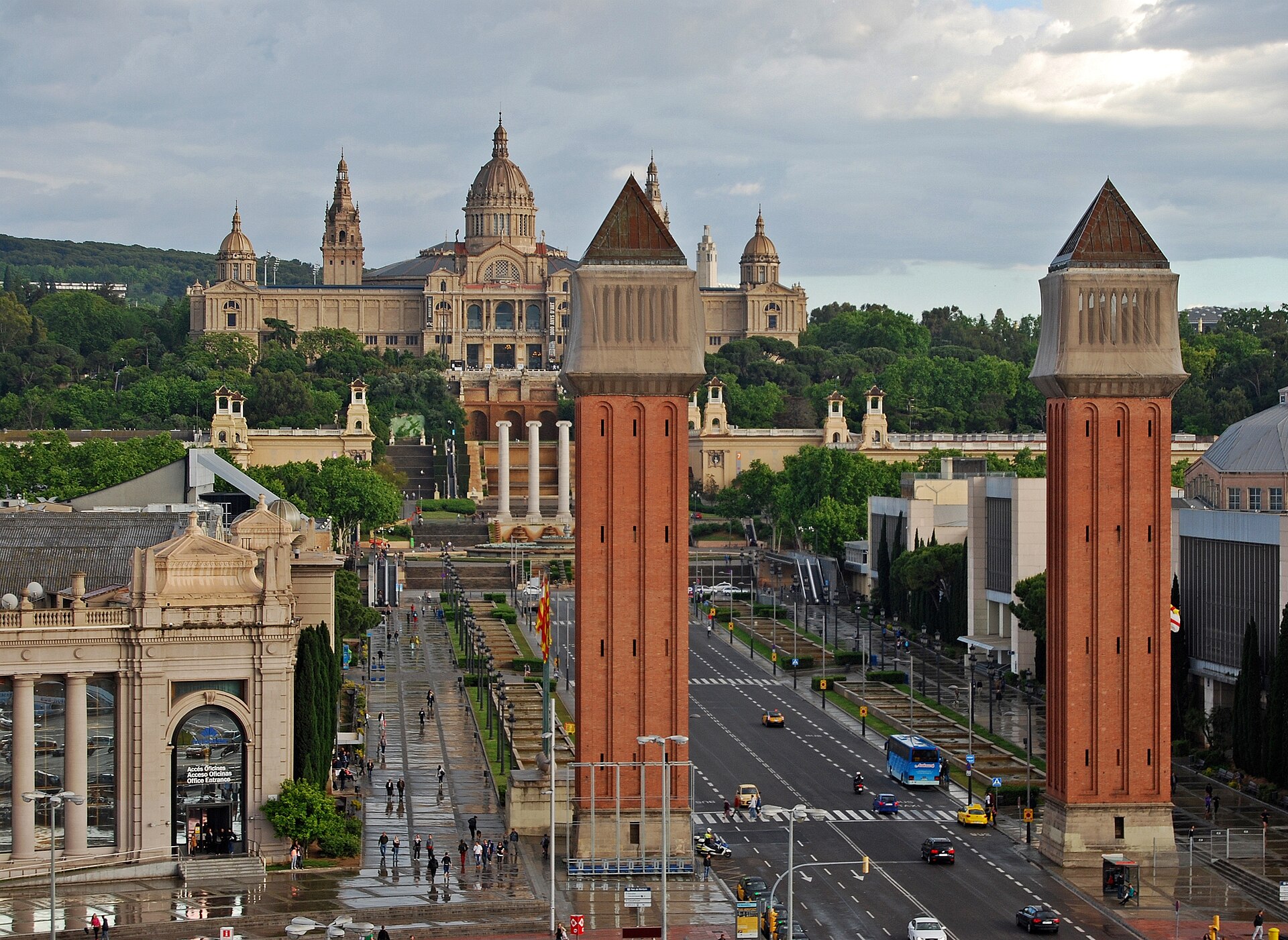
- Montjuic — the hill above the port, with the Joan Miro Foundation, the castle, the Olympic ring and the best sunset in the city. The cable car up is an attraction in itself.
- MNAC, the National Art Museum of Catalonia — an extraordinary Romanesque collection that is never crowded.
- Hospital de Sant Pau — a modernist complex two blocks from the Sagrada Familia that most visitors walk straight past. Quieter, cheaper, architecturally astonishing.
- Bunkers del Carmel — free, a steep walk, and the best panorama of the city.
Where to stay
- Eixample — central, grid-planned, walkable to almost everything, good value. The default recommendation.
- Gothic Quarter and El Born — atmospheric and noisy. Excellent if you want to be in the middle of it, difficult if you want to sleep.
- Gracia — a former village absorbed by the city, full of small squares and locals. Quieter, 15 minutes by metro.
- Barceloneta — beach access, but a long walk from the main sights and heavily touristed.
- Poble Sec — under Montjuic, cheap, good tapas, underrated.
Barcelona rates spike around Mobile World Congress in late February and the summer peak. Compare Barcelona stays as early as your dates allow. Note the city tourist tax, charged per person per night on top of the room rate.
Getting around
- Walk. Barcelona is flat and compact. Most of the centre is 20 to 30 minutes end to end.
- Metro is excellent, clean and frequent. A T-casual card gives 10 journeys for roughly EUR 12.55, which is the sensible buy for a short trip.
- Do not rent a car for the city. Parking is expensive and the low-emission zone issues automatic fines to unregistered vehicles, which rental companies pass on with a fee.
- Bicing is for residents only. Use a private bike-hire operator instead.
Day trips that justify a car
This is where a rental starts to make sense. The Catalan coast and interior are poorly served once you leave the main rail line.
- Montserrat — the mountain monastery an hour northwest. Reachable by train and cable car, so no car needed.
- Costa Brava — Calella de Palafrugell, Cadaques, Cap de Creus. This is car country and it is spectacular.
- Girona — 38 minutes by high-speed train. No car required.
- Penedes wine country — 45 minutes southwest, and much easier with a vehicle and a designated driver.
If a coastal loop is on the plan, compare Barcelona car rental rates and collect the car on the morning you leave the city rather than paying to park it for three days. Our guide to hiring a car in Spain covers the paperwork.
When to go
May, June, September and October are the best months: warm, swimmable in September, and without the August crush. July and August are hot and extremely crowded. Winter is mild at 12 to 16 C, quiet, and the museums are a pleasure.
One local note. Barcelona has had visible tensions around over-tourism in recent years. Staying in licensed accommodation, using the metro rather than tour buses, and eating away from La Rambla are small things that make a difference.
Practical notes
- La Rambla is worth walking once and eating on never.
- Pickpocketing is the city’s genuine problem, concentrated on La Rambla, the metro and the beach. Nothing violent, but do not put your phone on the cafe table.
- Lunch is 14:00, dinner is 21:00. Restaurants serving dinner at 19:00 are serving tourists.
- Catalan and Spanish are both official. Signs are often Catalan first; everyone in hospitality speaks Spanish and usually English.
- Connectivity. A Spanish eSIM costs a few euros for the week and beats roaming if you are coming from outside the EU.
How to shape three days
Barcelona is small enough that the ordering matters more than the distance. A workable shape:
- Day 1 — the old city. Gothic Quarter and El Born on foot in the morning, Santa Maria del Mar, the Picasso Museum if you have a slot, then the waterfront at Barceloneta in the afternoon. Dinner in El Born.
- Day 2 — Gaudi. Sagrada Familia at your booked slot (mornings have better light through the east windows), then Hospital de Sant Pau two blocks away, then Casa Batllo or La Pedrera on Passeig de Gracia in the afternoon.
- Day 3 — the hills. Park Guell first thing, then Gracia for lunch, then Montjuic in the late afternoon for the cable car and sunset over the port.
With only one day: Sagrada Familia in the morning, Gothic Quarter after lunch, Bunkers del Carmel at sunset. Skip Park Guell — the walk and the timed slot eat more of the day than the terrace is worth in a compressed trip.
Eating without getting fleeced
Barcelona food is genuinely excellent and genuinely easy to get wrong, because the highest-footfall streets have the lowest-quality restaurants.
- Avoid anywhere with photographs of the food outside. This single rule filters out most of the bad options on La Rambla and around the Sagrada Familia.
- Paella is a Valencian dish, not a Catalan one. Good versions exist in Barcelona but the ones advertised on illuminated signs are frozen. Look for arros negre or fideua instead, which are local.
- Menu del dia at lunch — three courses with a drink for roughly EUR 12 to 18 on weekdays — is the best value meal in the city and what everyone working nearby is eating.
- Vermut before lunch on a Sunday is a genuine local ritual and costs a few euros.
- Markets: La Boqueria is famous and now largely a tourist experience. Mercat de Santa Caterina and Mercat de Sant Antoni are where people actually shop.
Tipping is not expected in the way it is in North America. Rounding up, or leaving five percent for good service, is normal.
A note on the beach
Barcelona is one of very few major European cities with a proper city beach, and it is worth knowing that the sand is artificial, created for the 1992 Olympics. Barceloneta is the closest and the busiest. Walk or take the metro twenty minutes further northeast to Bogatell or Mar Bella and the crowds thin out substantially for the same water.
Swimming season runs roughly June to early October. In April and May the sea is still cold enough that the beaches are for walking rather than swimming.
Related reading
Prices are indicative for 2026. Some links on this page are affiliate links; using them costs you nothing and helps keep this site running.
Read next: Seville Was Half-Built for a World’s Fair That Went Broke – Here’s How to See It