Most people booking a first trip to Cape Town head straight for Camps Bay or the V and A Waterfront, pay a substantial premium for the view, and then spend the week in an Uber. The neighbourhood that actually works best for a one-week visit is not on the sea at all. It is the strip of the City Bowl running from Gardens up through Tamboerskloof, wedged between the CBD and the base of Table Mountain, and it costs meaningfully less than the seafront while putting you in walking distance of most of what you came for.
Here is the case for that, the case against it, and an honest read on every other option, including the ones that look good on a map and are not.
Why Cape Town’s geography makes this decision matter
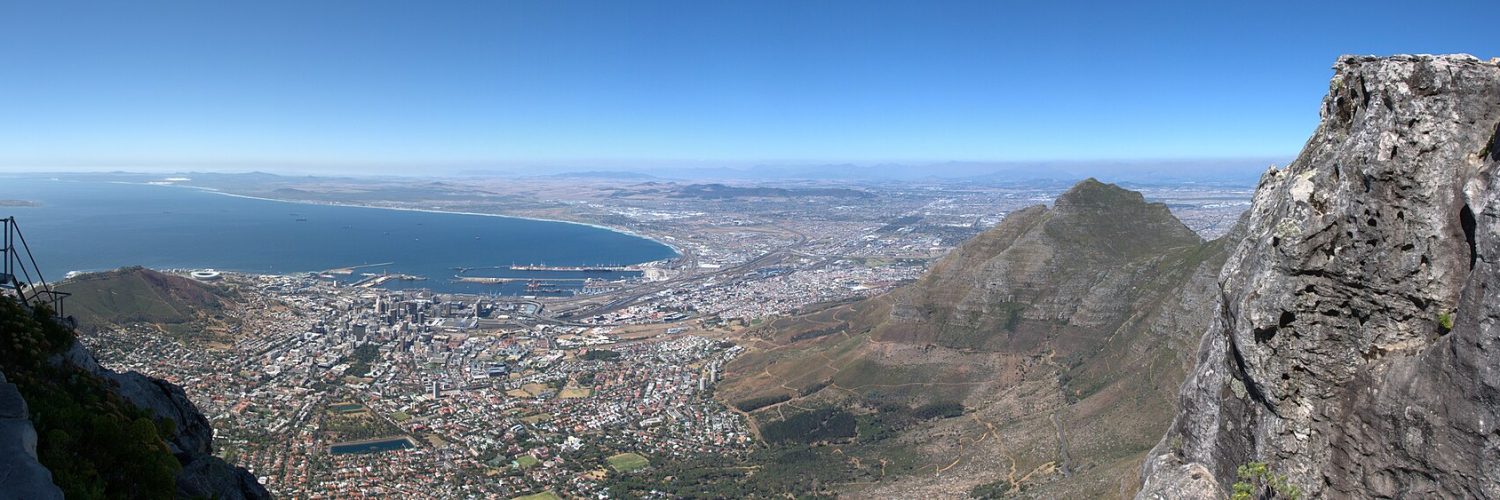
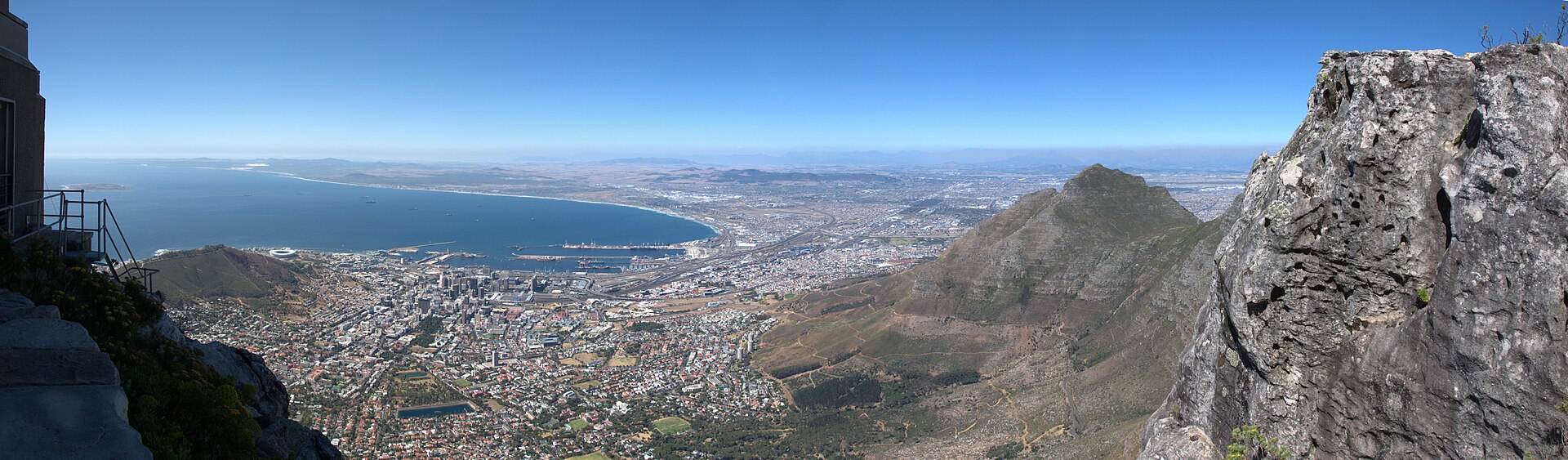
Cape Town is not laid out like a normal city. A mountain range runs down the middle of the peninsula, and the city wraps around it in a series of separate pockets that are physically close but often awkward to move between. The City Bowl sits in a natural amphitheatre facing north over Table Bay. The Atlantic Seaboard is on the other side of Signal Hill and Lion’s Head, facing west. False Bay is over the mountains to the south-east and is effectively a different climate.
Two consequences. First, ten kilometres on a map can be a 35-minute drive around a mountain. Second, and less obvious to visitors, those pockets get completely different weather on the same day. The south-easterly wind that Capetonians call the Cape Doctor blows hard through the summer months and makes some areas unpleasant while leaving others calm. Choosing a base is partly a wind decision.
Gardens and Tamboerskloof: the value answer
These two adjoining City Bowl suburbs sit on the slope directly under Table Mountain, about a fifteen-minute walk above the CBD.
What you get: Kloof Street, which is the best concentration of restaurants and bars in the city and is a street you can walk along at night. Direct access to the Platteklip Gorge and Lion’s Head trailheads. The Company’s Garden, the South African National Gallery and the Iziko Museum within walking distance. The Bo-Kaap ten minutes away. Bree Street’s restaurants a short walk downhill. And, crucially, guesthouse and boutique hotel rates that typically run well below equivalent quality on the Atlantic Seaboard.
What you give up: a sea view and immediate beach access. Camps Bay is a 12-minute drive over Kloof Nek; Clifton about the same. You will use a car or an e-hail for beaches, which you would anyway from most of the city.
Who it suits: first-timers on a week, anyone who wants to walk to dinner, hikers, and anyone whose budget matters.
Sea Point and Green Point: the honest runner-up
Sea Point is a dense, walkable, slightly scruffy strip along the Atlantic with a superb three-kilometre promenade that is genuinely used by locals at all hours. It has the best-value restaurants on the seaboard, a good number of self-catering apartments, and a swimming pool complex on the sea wall.
It is not a beach suburb in the swimming sense. The Atlantic here is around 12 to 15 degrees and the shoreline is mostly rock. What Sea Point has is life on the street, which parts of Cape Town conspicuously lack, and it is a five-minute drive from both the Waterfront and the City Bowl.
Green Point sits between Sea Point and the Waterfront and is quieter, greener and slightly more expensive, with the stadium and the Urban Park on its doorstep.

Camps Bay and Clifton: worth it, but know what for
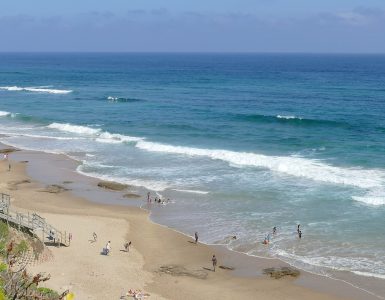
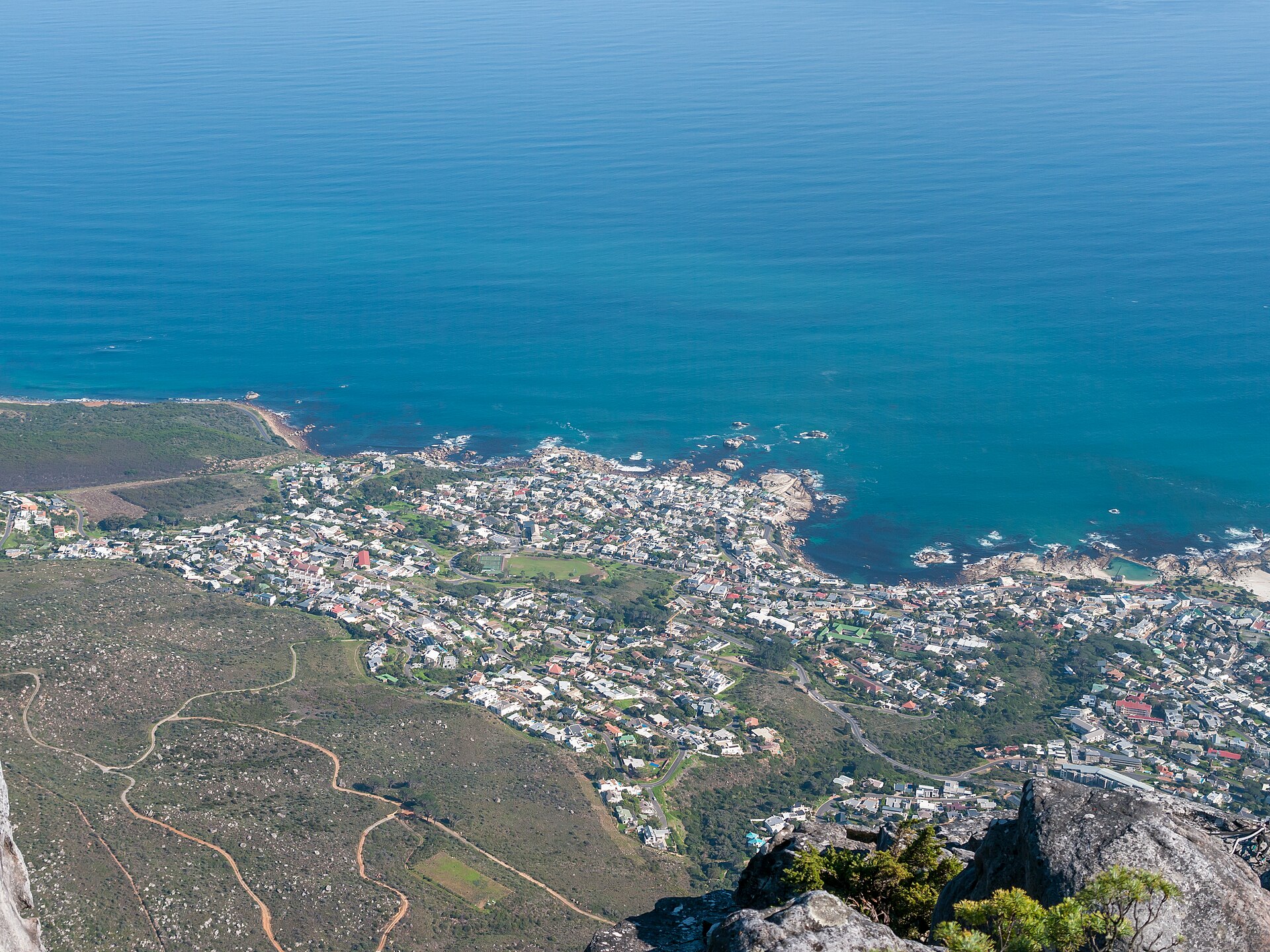
This is the postcard: a wide white beach under the Twelve Apostles ridge, palm trees, and a strip of restaurants facing the sunset. It is beautiful and the premium is real, often double what an equivalent room costs in the City Bowl.
The trade-offs are specific. The strip is one road of largely interchangeable restaurants, so you will drive out for variety. Parking in summer is genuinely difficult. And Camps Bay catches the south-easter in summer, which can turn a beach afternoon into a sandblasting. Clifton’s four coves are tucked behind a headland and are more sheltered, but they involve a long stair descent and there is nowhere to park.
Who it suits: a short stay focused on the beach, honeymooners, and anyone renting a car anyway.
The V and A Waterfront: convenient, contained, expensive
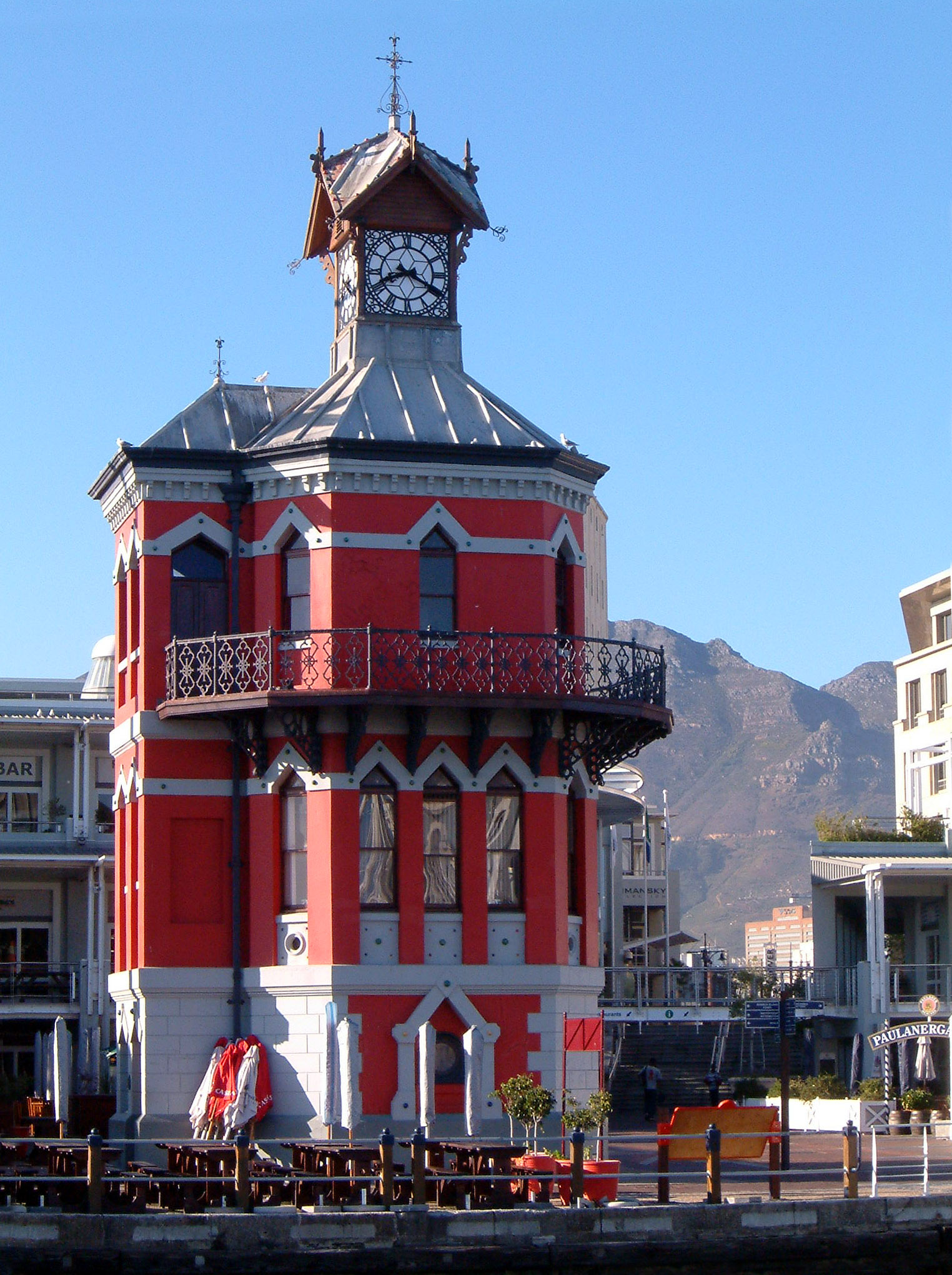
A working harbour redeveloped into a shopping and hotel precinct, with the Zeitz MOCAA contemporary art museum, the aquarium, and the departure point for Robben Island ferries. It is secure, it is easy, and it is where a lot of first-time visitors are steered.
The criticism is fair: it is a curated environment and you can spend four days there without meeting Cape Town. It is also the most expensive place in the city to eat an ordinary meal. As a base for two nights at the start or end of a trip it works well, particularly if you are nervous. As a week, it is a waste of the city.
The other options, briefly and honestly
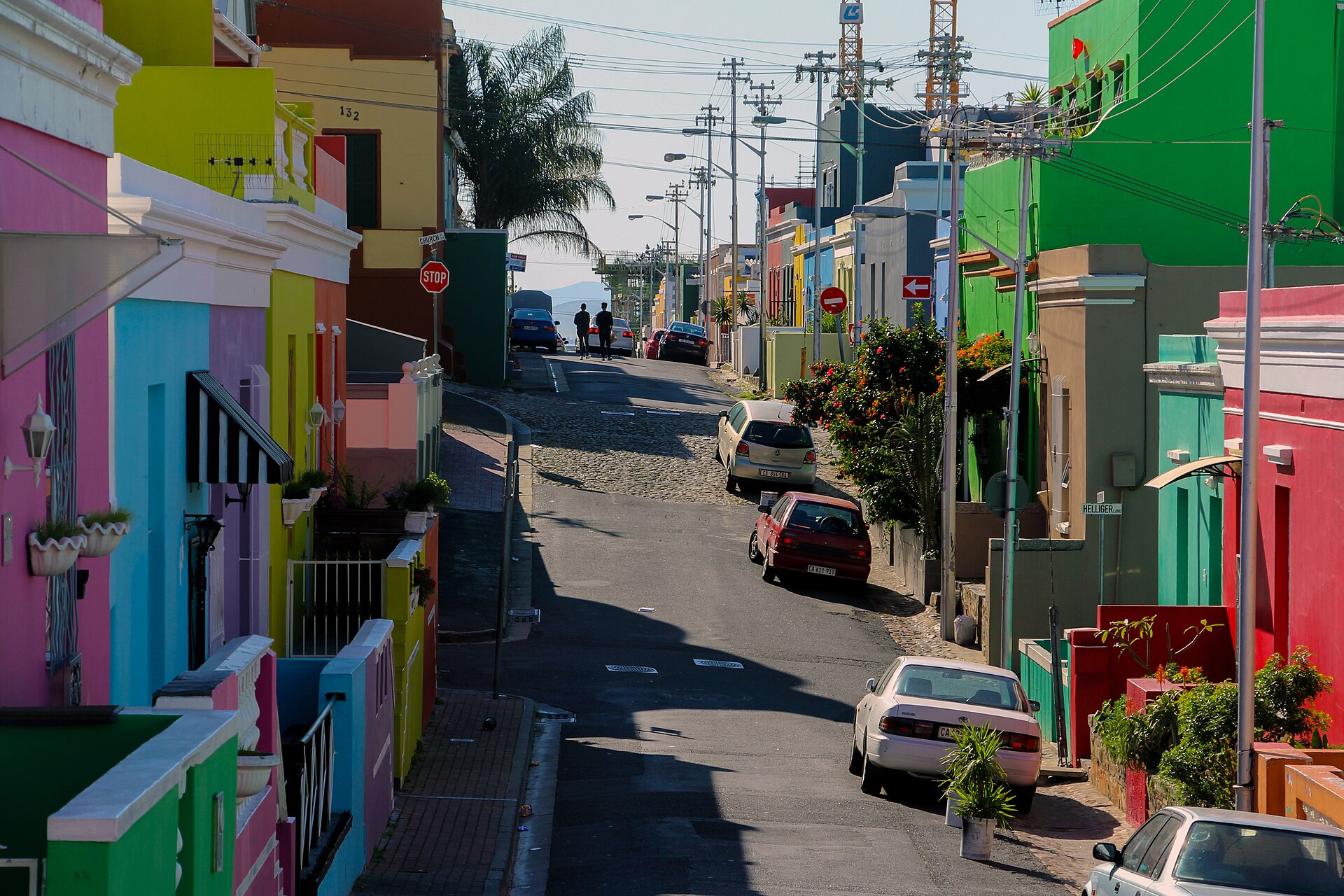
Bo-Kaap. The historic Cape Malay quarter, brightly painted, right above the CBD, and the most photographed street in the city. There are a handful of guesthouses. Staying here is atmospheric and central. Be aware it is a residential community, not an attraction, and photographing people’s front doors without asking is not appreciated.
Woodstock and Salt River. Fast-gentrifying former industrial suburbs east of the CBD, with the Old Biscuit Mill market, good coffee and the best street art in the city. Prices are noticeably lower. Safety is genuinely mixed street by street, and it is not somewhere to walk at night. Suits confident repeat visitors with a car.
Observatory. Student and creative area near the university. Cheap, lively, a bit rough at the edges, and a long way from the beaches.
Constantia and the Southern Suburbs. Leafy, wealthy, quiet, and home to the Constantia wine estates and Kirstenbosch Botanical Garden. Excellent for a slower trip or a family, but you will drive everywhere and you are 25 minutes from the City Bowl without traffic.
Muizenberg, Kalk Bay and Simon’s Town. The False Bay coast, over the mountain. Warmer water by several degrees, a beginner surf beach at Muizenberg, penguins at Boulders, and a genuinely different pace. In summer, when the south-easter is howling in the City Bowl, False Bay is often calm. The catch is distance: 30 to 45 minutes to central Cape Town, and the Southern Line train service is not something to build a schedule on.
Hout Bay. A harbour village behind the mountain, with the Chapman’s Peak drive on its doorstep. Beautiful and isolated.
Getting in and getting around
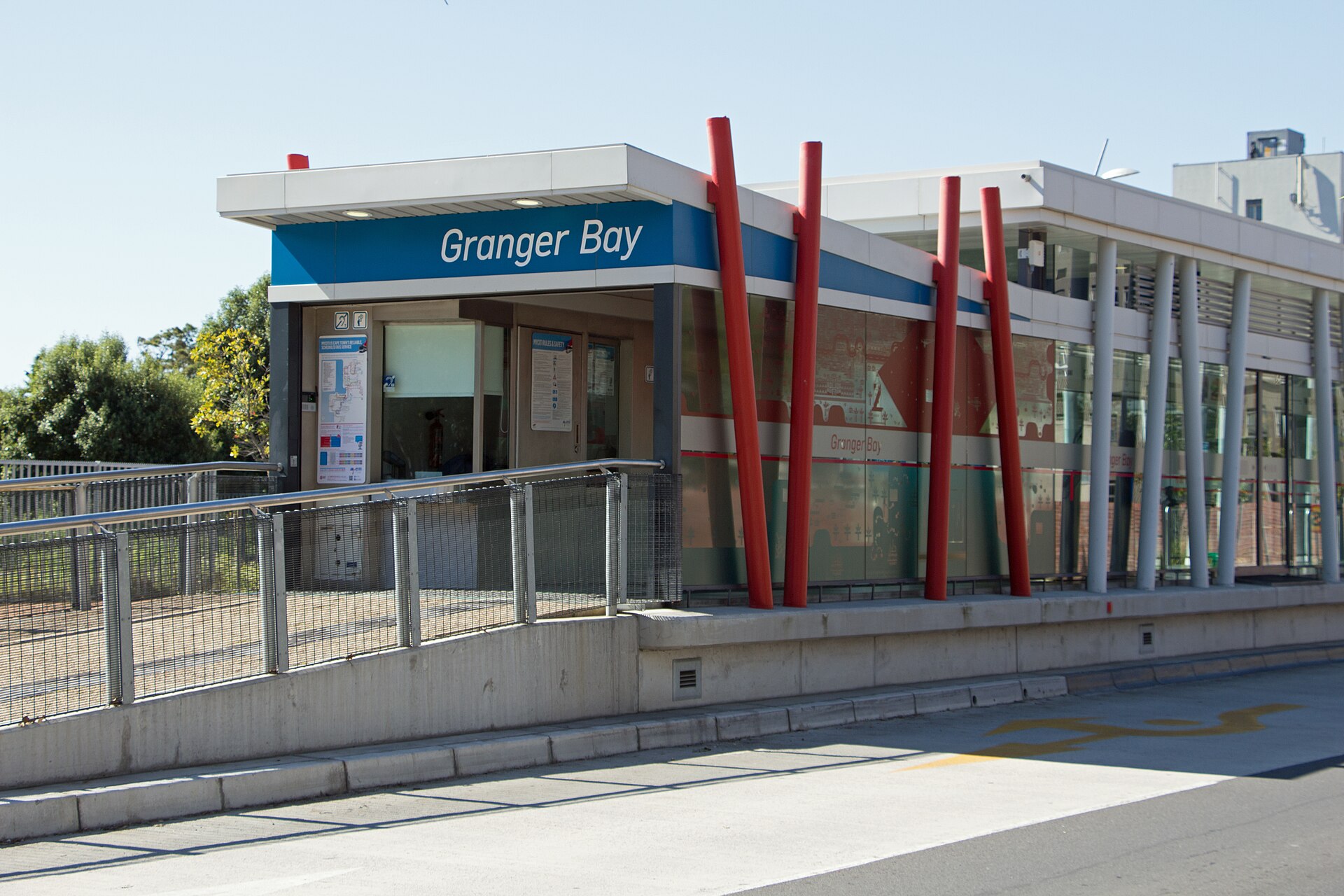
Cape Town International is about 20 km east of the city. The MyCiTi bus runs a dedicated airport route into the Civic Centre in the CBD, which is by far the cheapest way in, though you need to buy a myconnect card at the airport station and you will need onward transport at the other end. Metered taxis are the most expensive option. E-hailing apps operate legally and are the default for most visitors, though there have been periodic disputes at the airport pickup zone, so follow the app’s designated area.
Within the city, MyCiTi covers the Atlantic Seaboard, the CBD and Table View reasonably well and nothing else. For the Cape Peninsula, Cape Point, the winelands or the Garden Route you want a car. Driving in Cape Town is straightforward, on the left, with good roads.
If you are continuing east afterwards, our Garden Route car rental guide covers that leg.
What to book before you arrive
Three things sell out and one of them will define your trip.
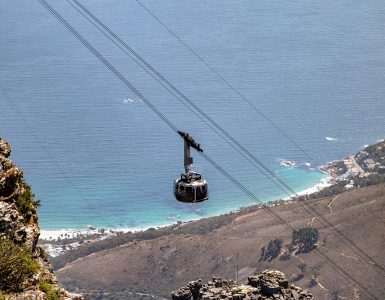
Table Mountain cableway tickets are timed and sold online. More importantly, the cableway closes in high wind and does so with little notice, sometimes for consecutive days. Never plan it for your last day. Book the first clear morning you get and rearrange everything else around it.
Robben Island ferries run limited daily sailings from the Waterfront and are frequently cancelled in swell. Book well ahead and, again, not for your final day.
Kirstenbosch summer sunset concerts on Sundays from late November to early April sell out quickly and are one of the best evenings in the city.
Safety, without the hysteria and without the whitewash
Cape Town has a high crime rate, and it is very unevenly distributed. Violent crime is concentrated in areas visitors have no reason to go to. What tourists actually encounter is opportunistic theft: phone snatching, smash-and-grab at traffic lights, and bag theft on the beach.
The behaviour that covers most of it:
- Do not walk in the CBD after dark. Use an e-hail; it costs very little.
- Nothing visible in a parked car, ever, including in a guarded lot.
- Keep your phone away on the street. Locals do.
- Hike Lion’s Head and Table Mountain in company and on the main routes. Solo hikers have been robbed on quiet trails.
- Car guards in reflective vests are informal and normal; a few rand on return is standard.
Load shedding. The scheduled national power cuts that shaped daily life in South Africa for a decade have effectively disappeared from Cape Town through 2026, and the city runs its own supplementary generation. This has reversed before, so it is still worth asking a small guesthouse whether it has a battery inverter. Larger hotels all do.
Timing, and how it changes the answer
December to February is peak: hot, dry, very windy, and Cape Town’s own holiday season, so prices roughly double and Camps Bay is chaotic. If you come now, False Bay or the City Bowl beats the Atlantic Seaboard for comfort.
March to May is the best window. Warm, the wind drops, the light is at its best and rates fall sharply from mid-March. This is when the City Bowl value argument is strongest.
June to August is winter: cold fronts, rain on the Atlantic side, and the cheapest rates of the year. Southern right whales arrive in False Bay and at Hermanus from around June. The Table Mountain cableway usually closes for a period of annual maintenance in this window, so check the dates before booking a winter trip around it.
September to November brings wildflowers, whales and steadily rising prices. Excellent value in September.
Practical notes
- Tipping runs around 10 to 15 percent in restaurants and is a meaningful part of income. Small change for petrol attendants and car guards.
- Water. Tap water is safe. The city retains a strong water-saving culture after the 2018 drought; short showers are the norm and signs asking for them are sincere.
- Sun. The UV index here is severe and the wind hides it. People burn badly on overcast days.
- Cold water. The Atlantic side sits around 12 to 15 degrees year-round. False Bay is several degrees warmer and is where people actually swim.
- What is not worth it: paying the Camps Bay premium for a week if you are not a beach person, and booking the Waterfront for the whole stay. Split the trip if you want both.