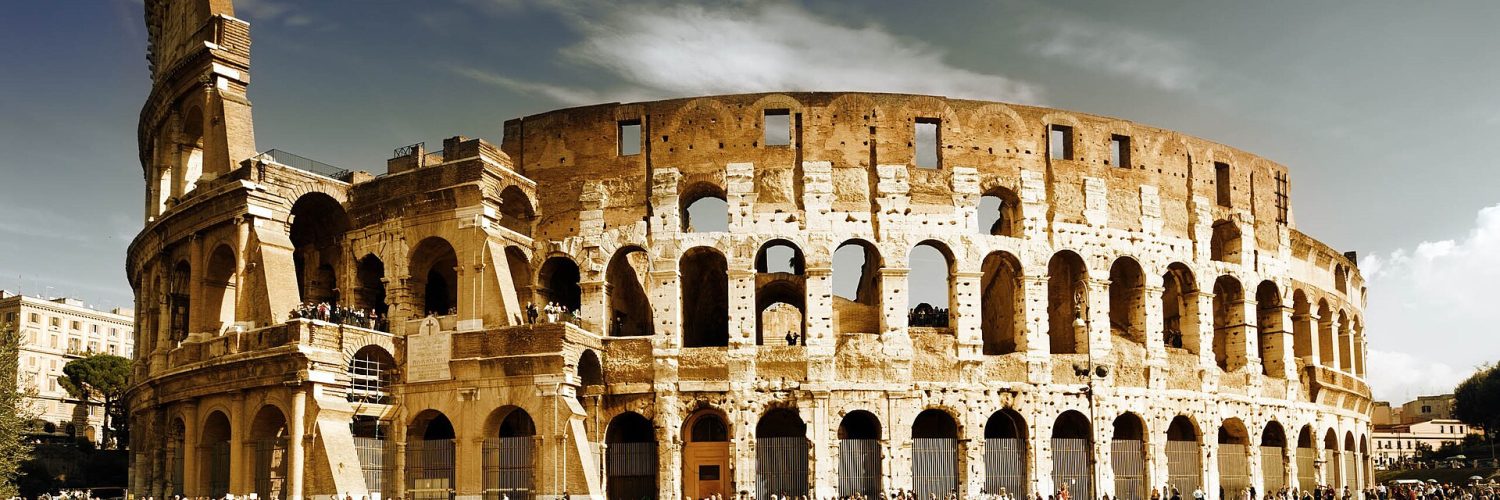
Rome is a city where the planning matters more than almost anywhere else in Europe. Not because it is difficult — it is one of the most walkable capitals on the continent — but because five or six of its headline sights now operate on timed entry, sell out weeks ahead in summer, and are clustered close enough together that a badly ordered day means walking the same kilometre four times.
This is a practical guide to what is actually worth your time in Rome, what has to be booked in advance, and how to string it together without spending your holiday in queues.
Arriving: the airport transfer decides your first day
Rome has two airports and they behave very differently. Fiumicino (FCO) is the main one, 32 km southwest of the centre, connected by the Leonardo Express train to Termini in 32 minutes for around €14. Ciampino (CIA) is smaller, 15 km southeast, served mostly by low-cost carriers and reached by shuttle bus.
The train works well if you land in daylight with light luggage. If you arrive late, have children, or your accommodation is not near Termini, a fixed-price pre-booked transfer from Fiumicino removes the taxi-rank negotiation after a long flight. We have a full breakdown in our Rome airport transfer guide.
The sights that must be pre-booked
Rome has quietly moved most of its major attractions onto timed-entry systems. These are the ones where turning up and hoping is no longer a strategy:
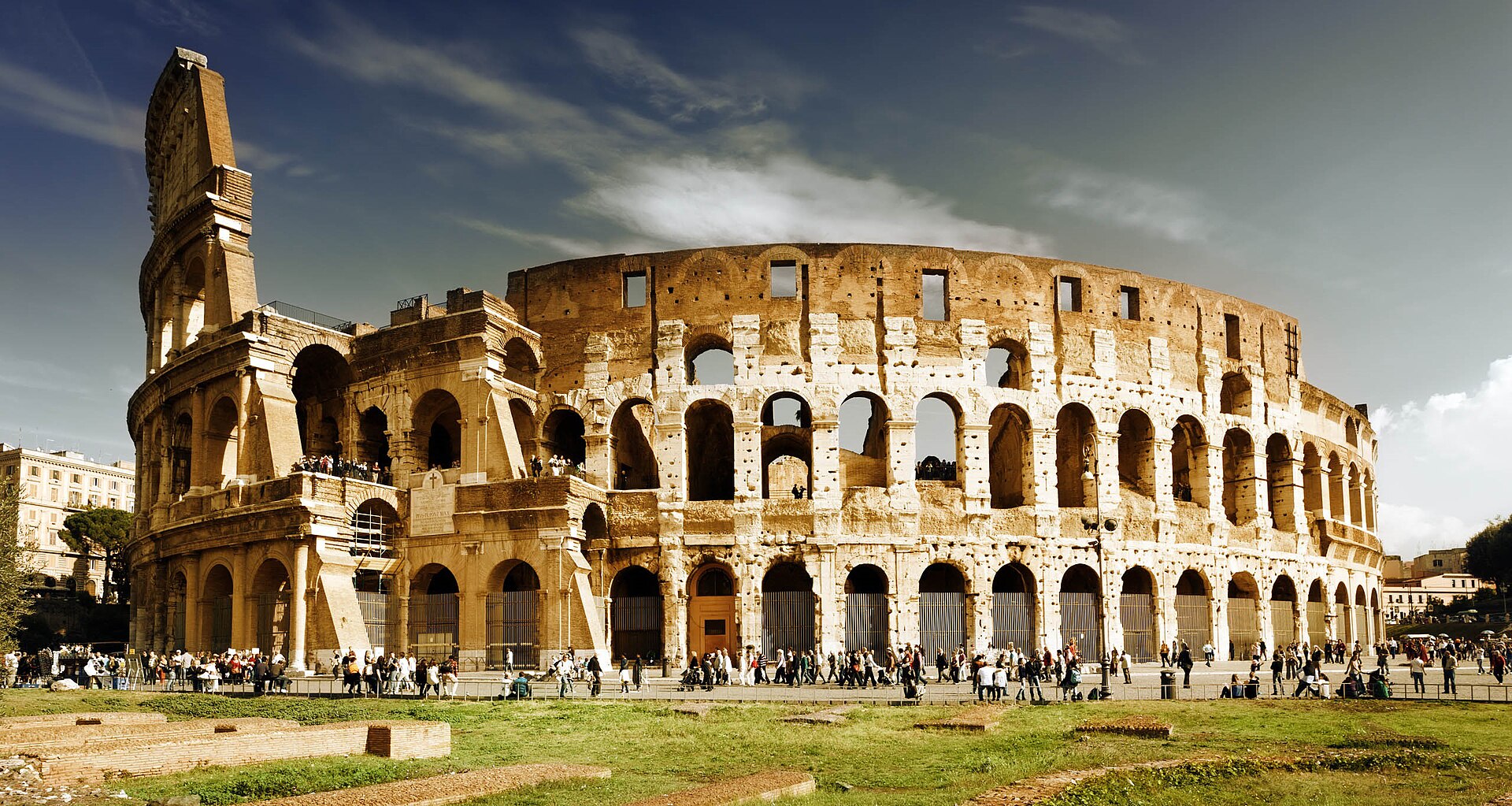
- Colosseum, Roman Forum and Palatine Hill. One ticket, valid 24 hours, covers all three. Standard admission is around €18. The versions that include the arena floor or the underground hypogeum cost more and sell out weeks ahead in summer — if those matter to you, book the moment the calendar opens.
- Vatican Museums and the Sistine Chapel. Around €20 base. The queue without a booking regularly exceeds two hours in July. Note that St Peter’s Basilica itself is free and separate — you queue for security, not tickets.
- Borghese Gallery. Strictly capped at 360 visitors per two-hour slot. This is the single hardest ticket in Rome and it books out a month ahead. It is also, for a lot of people, the best two hours in the city.
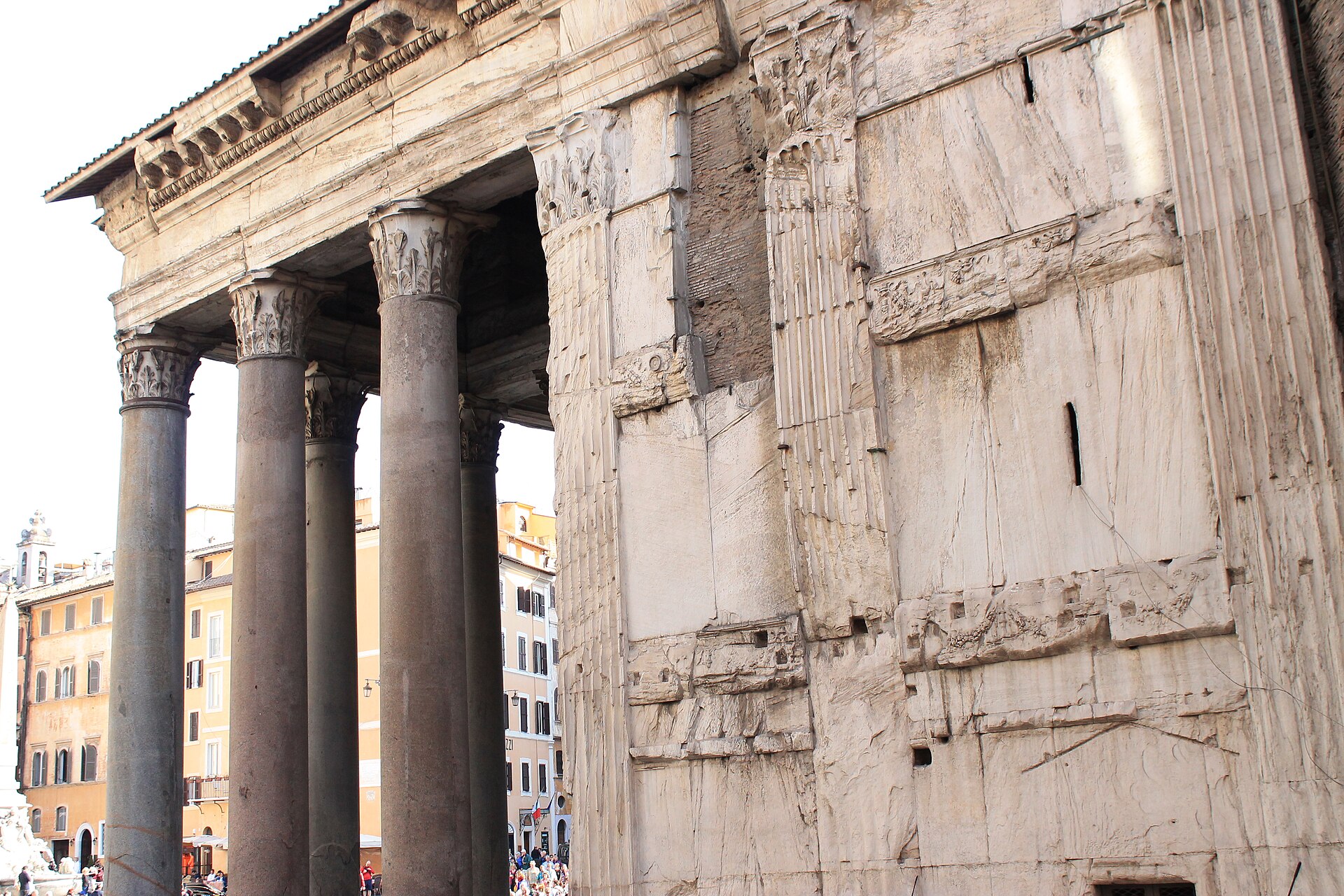
- Pantheon. Free until 2023, now around €5. Small charge, big queue in the middle of the day.
Here is what is currently bookable in Rome and roughly what it costs:
Two things worth noticing in a list like that. The “from” prices are genuine entry-level fares, not the guided or premium versions. And the bestseller labels are a reliable proxy for where the queues will be — which is exactly the list you should be booking rather than improvising.
The things that are free and still worth it
An honest guide has to say this: a lot of what makes Rome extraordinary costs nothing.
- The Pantheon’s exterior and Piazza della Rotonda at 07:30, before the square fills.
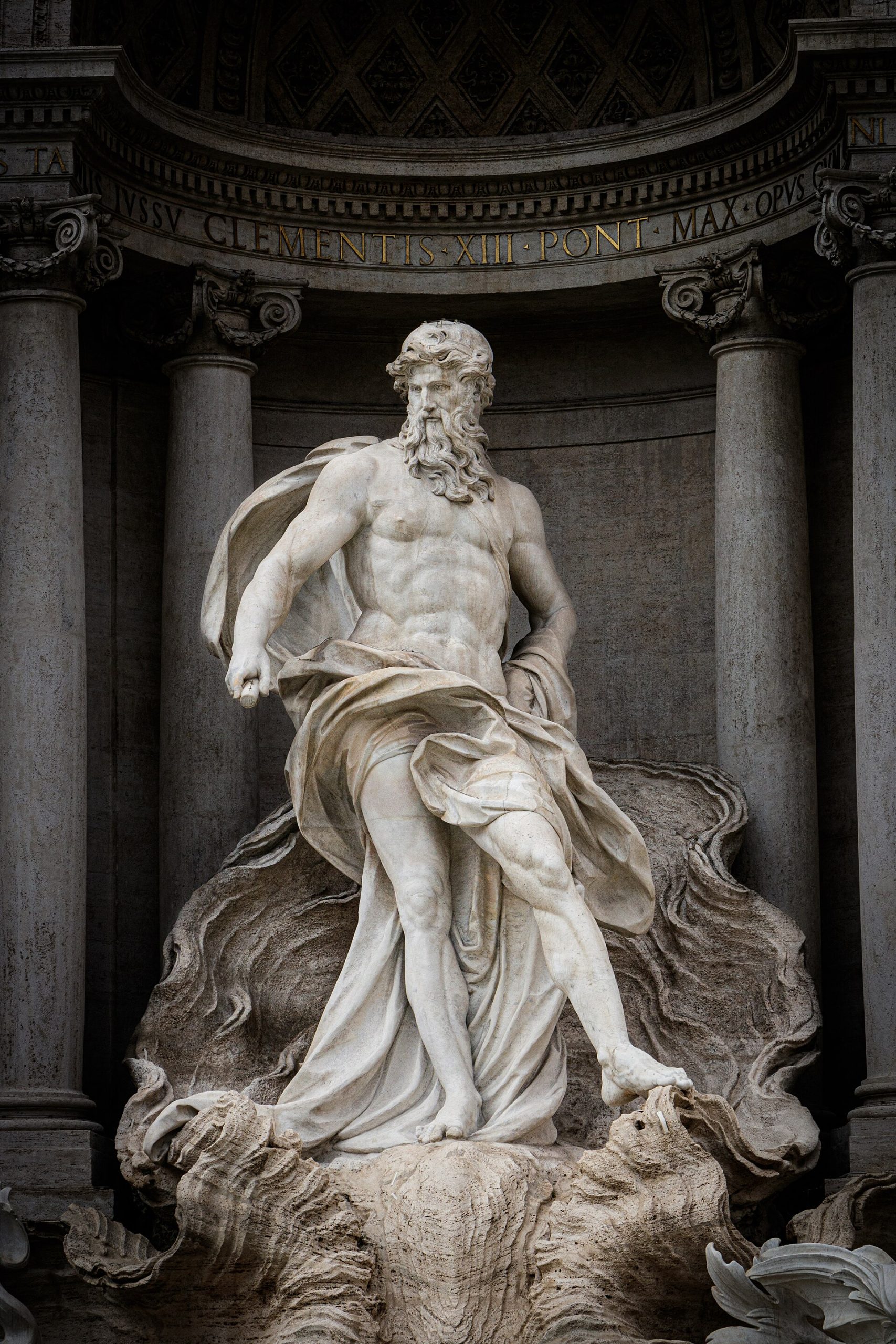
- Trevi Fountain — genuinely free, genuinely crowded. Go at 06:30 or after midnight; between 10:00 and 22:00 it is a scrum.
- St Peter’s Basilica. Free entry, paid dome climb (around €10 with the lift). The security queue moves faster than it looks.
- Trastevere after dark. No ticket, no plan, just the best evening walk in the city.
- The Spanish Steps, Piazza Navona, Campo de’ Fiori. All free, all better early.
How to order your days
Rome’s centre is small — you can walk from the Colosseum to the Vatican in about 50 minutes. The mistake most first-timers make is zig-zagging. A workable three-day shape:
- Day 1 — Ancient Rome. Colosseum first slot in the morning, then the Forum and Palatine on the same ticket, then walk up to the Capitoline Hill for the view. Finish at the Pantheon and Trevi in the evening.
- Day 2 — Vatican. Museums at opening, Sistine Chapel, then St Peter’s. This is a full half-day minimum. Afternoon in Prati or across the river in Trastevere.
- Day 3 — Borghese and the centre. Your Borghese slot dictates the day. Villa Borghese park either side of it, then Piazza del Popolo and the Spanish Steps.
If you only have one day, do the Colosseum ticket in the morning and the Pantheon–Trevi–Navona triangle in the afternoon. Skip the Vatican rather than rushing it.
Where to base yourself
Neighbourhood matters more than star rating in Rome, because the whole point is walking home at midnight.
- Centro Storico (Pantheon, Navona) — the most expensive and the most convenient. Everything on foot.
- Monti — walking distance to the Colosseum, still residential, good food, better value.
- Trastevere — the best evenings, a 25-minute walk or short tram from the centre.
- Near Termini — cheapest, best transport links, least atmospheric. Fine if you are moving on quickly.
- Prati — quiet, elegant, next to the Vatican, underrated.
Rome prices swing hard around Easter, the summer peak and any Jubilee-year events. Compare Rome accommodation early if your dates are fixed.
Getting around
- Walk. Genuinely. The historic centre is compact and the metro barely serves it — the ancient city underneath makes tunnelling almost impossible.
- Metro has three lines. Line A and B cross at Termini and cover the Vatican and Colosseum. A single ticket is around €1.50 for 100 minutes; a 24-hour pass around €7.
- Buses and trams fill the gaps, especially tram 8 to Trastevere. Validate your ticket on boarding.
- Do not rent a car for the city. The historic centre is a ZTL (limited traffic zone) with camera enforcement, and fines arrive at your rental company months later with an administration fee attached.
- Taxis are metered and reasonable. Use the official white cabs from the ranks.
Day trips worth the train
- Ostia Antica — 40 minutes on the commuter train, a Roman port city that is arguably more atmospheric than Pompeii and a fraction as busy.
- Tivoli — Villa d’Este and Hadrian’s Villa, about an hour out.
- Naples and Pompeii — 70 minutes each way on the high-speed train, which makes a long but genuinely doable day.
- Florence — 90 minutes by train. Feasible as a day trip, better as a stop on the way north.
Getting from the airport to your accommodation is the one leg worth arranging before you arrive — compare fixed-price transfers here:
When to go, and what it costs
April to early June and late September to October are the sweet spots: warm, walkable, and not yet unbearable. July and August are hot enough that the middle of the day is unusable, and the crowds peak. November to February is quiet, cool and often beautiful — the Vatican queue in January is a fraction of its summer self.
A realistic daily budget for two people, mid-range: €40 to €70 on attractions, €60 to €100 on food, €10 on transport. Accommodation is the variable that swings everything.
Practical notes
- Dress code at St Peter’s and the Vatican Museums: shoulders and knees covered, enforced at the door for everyone.
- Water. The nasoni street fountains run cold, clean drinking water all over the city. Bring a bottle.
- Restaurant rule of thumb: anywhere with a photo menu and a person outside inviting you in is not where you want to eat.
- Pickpockets work the 64 bus, Termini and the Colosseum metro exit. Nothing dramatic, just keep your bag in front of you.
- Connectivity. If you are visiting from outside the EU, an Italian eSIM costs a few euros and saves you from carrier roaming while you are navigating between timed slots.
Related reading
Prices are indicative for 2026 and change with season and demand. Some links on this page are affiliate links; using them costs you nothing and helps keep this site running.