There is one question that decides your entire Iceland itinerary, and most people answer it wrong: do you actually need a 4×4?
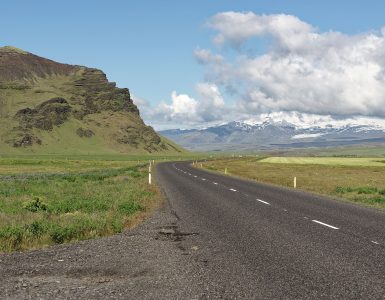
The honest answer is that for a summer Ring Road trip, no. Route 1 is paved for its full 1,332 km loop, and a small two-wheel-drive hatchback will do it comfortably for roughly half the daily rate of an SUV. People spend hundreds of euros on 4×4 upgrades they never use.
The equally honest answer is that the moment you want to see the interior of the country, a 4×4 stops being an upgrade and becomes a legal requirement. Not a recommendation — a requirement, enforced by law, and one your rental contract will void your insurance over.
The F-road rule, precisely
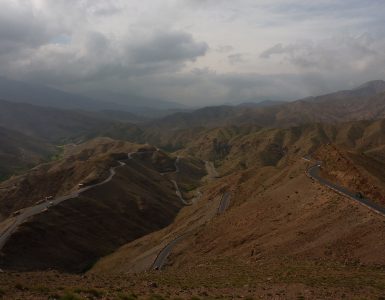
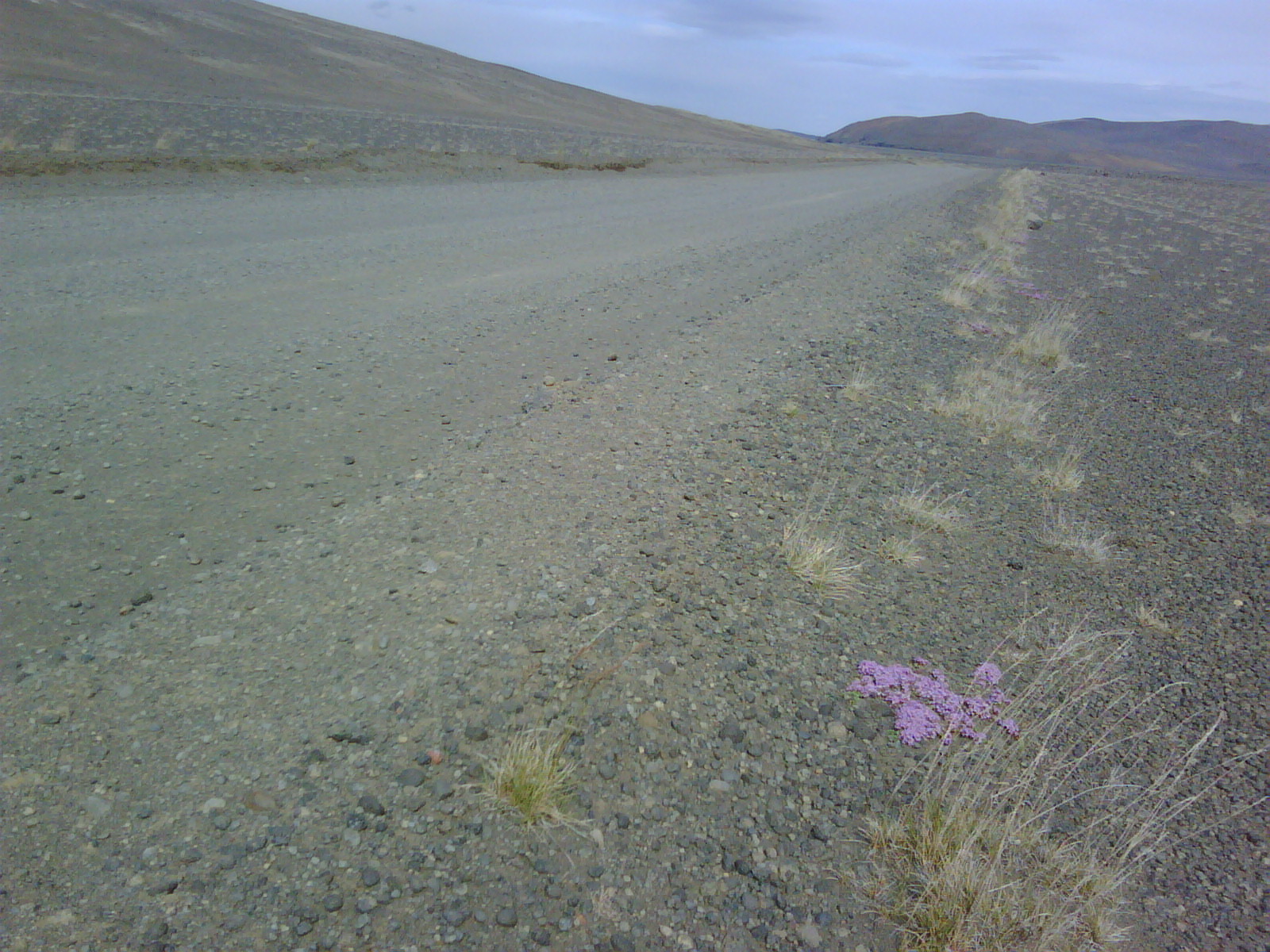
Roads with an F prefix — F26, F35, F88, F208, F249 — are mountain tracks into the interior highlands. Icelandic law permits only 4×4 vehicles on them. This is not about ground clearance guidelines or a suggestion about conditions; a two-wheel-drive car on an F-road is illegal, and every rental agreement in the country excludes it from cover.
Three consequences follow, and they are the ones that cost people money:
- A “crossover” is not automatically a 4×4. Plenty of soft-roaders are front-wheel drive only. Check the drivetrain on the booking, not the body shape.
- F-roads are seasonal. They typically open from late June to early September, and the Icelandic Road Administration (Vegagerðin) decides the dates each year based on snowmelt. Booking a highland trip for early June is a gamble you will often lose.
- Rental companies can and do detect it. Many fleets are GPS-tracked. Driving an ineligible car onto an F-road is a straightforward way to become personally liable for the whole vehicle.
So which one do you need?
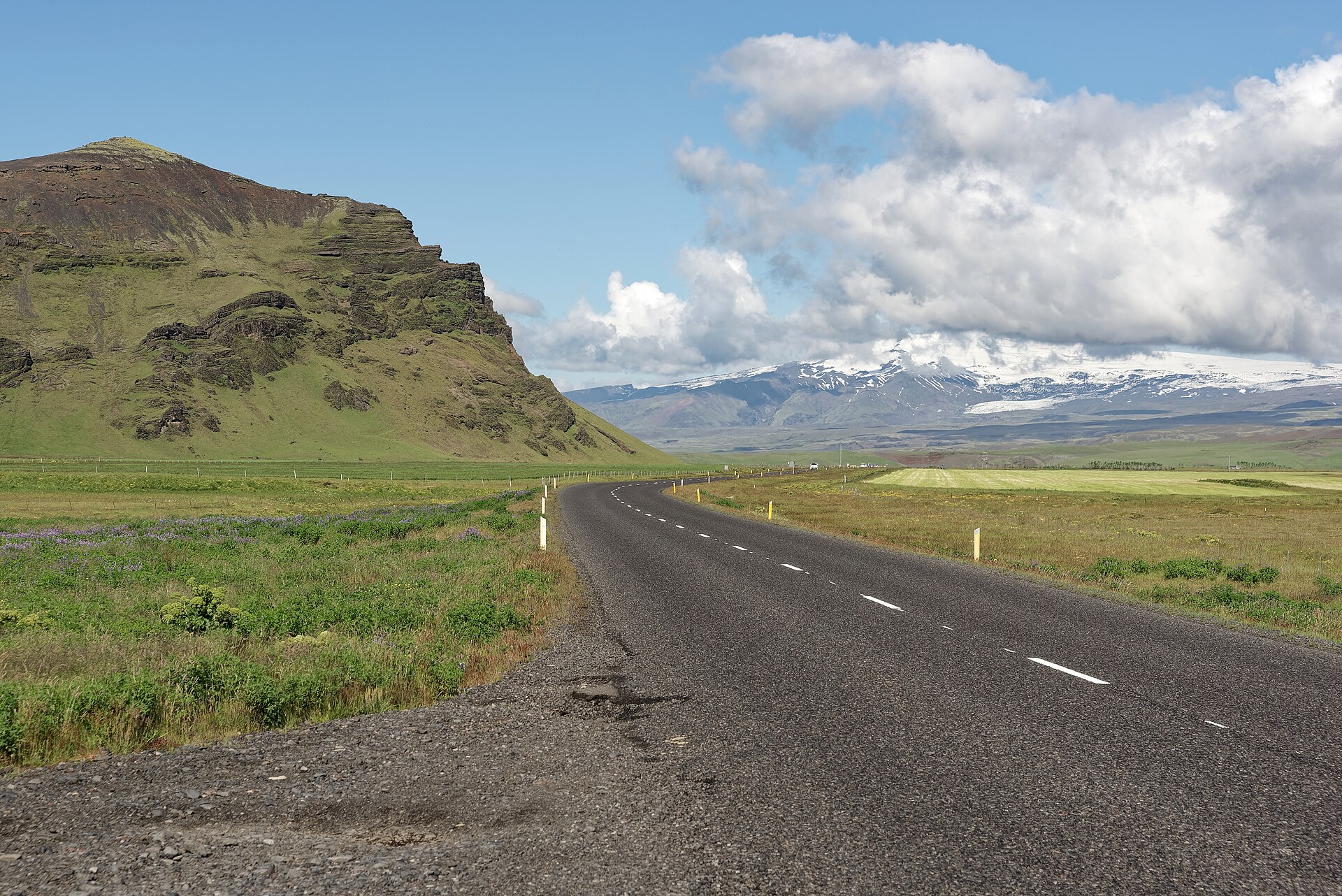
Ring Road only, June to September: a 2WD hatchback is fine. Save the money. Route 1 is sealed the whole way, the tunnels are good, and the famous stops — Seljalandsfoss, Skógafoss, Jökulsárlón, Mývatn — are all on or immediately off the paved network.
Ring Road in winter: a 4×4, and not for the reason you think. The value is not in traction on ice, which good winter tyres provide regardless. It is in weight, ground clearance over drifted snow, and the fact that an AWD car is far less likely to be shoved sideways by a gust. Icelandic winter wind is the actual hazard.
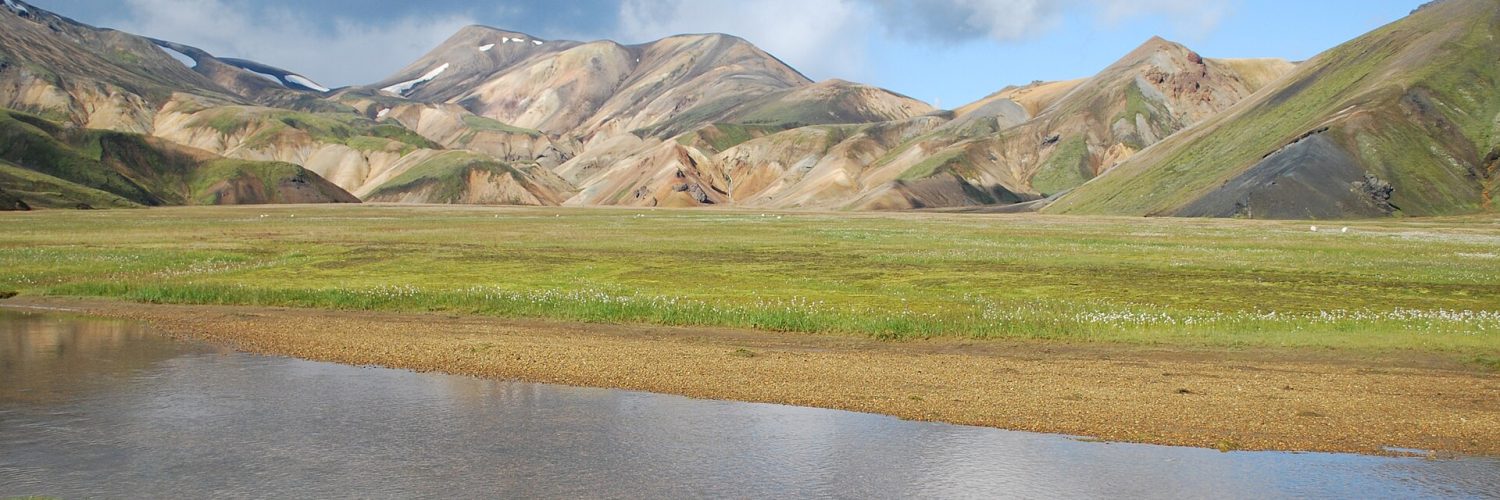
Highlands and easier F-roads (F35 Kjölur, F208 North, F26 in good conditions): a standard 4×4 SUV. A RAV4, Duster 4×4, Tucson or equivalent. F208 North to Landmannalaugar is the classic example — rough gravel, no significant river crossings.
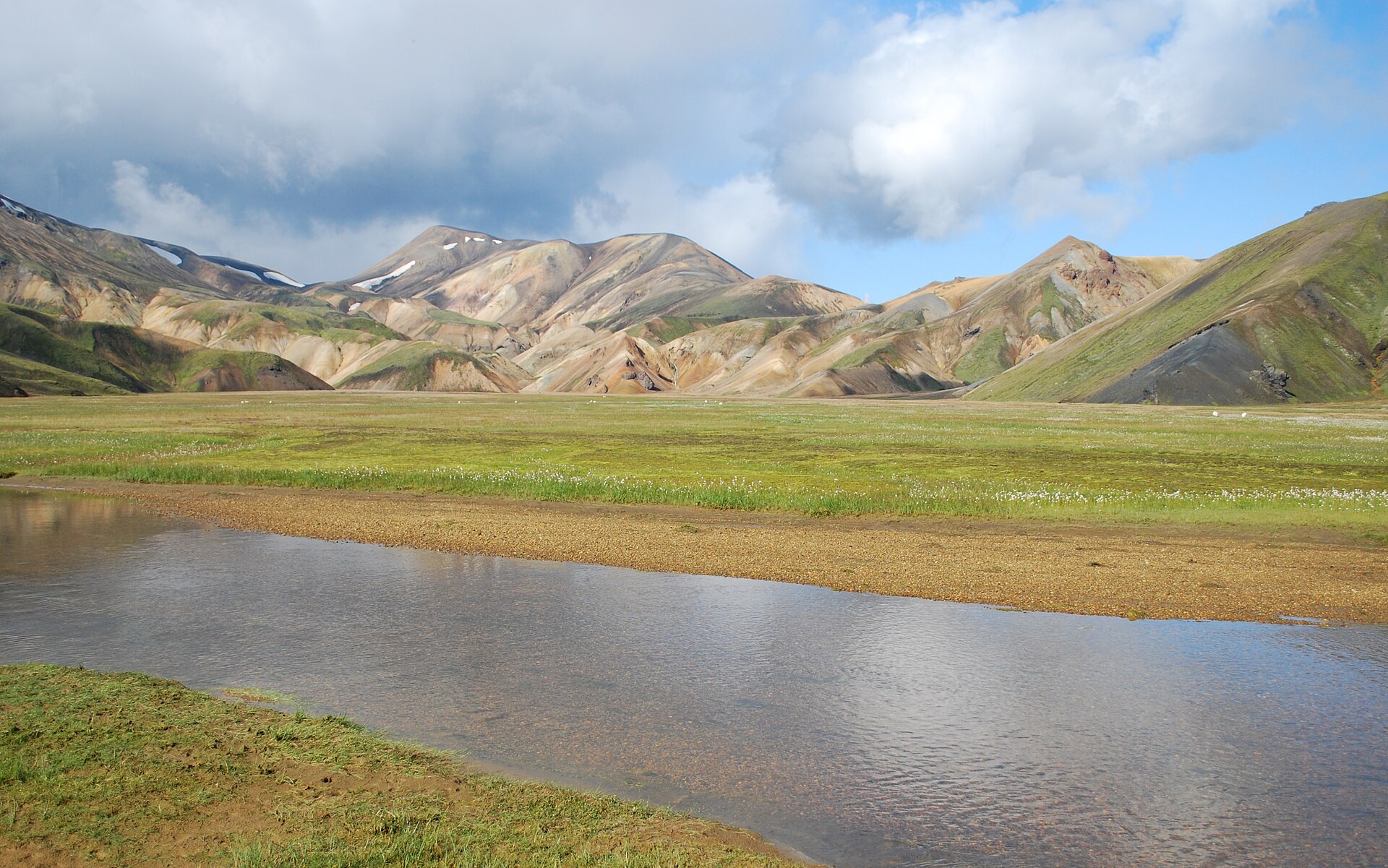
Serious river crossings (F208 South, F88 to Askja, F210): a high-clearance vehicle, and preferably not alone. F208 South has three substantial fords plus many small ones. F210 Fjallabaksleið syðri runs over 100 km and takes three to five hours. This is Land Cruiser, Defender or modified-truck territory, and it is where inexperienced drivers get into genuine trouble.
What it costs
Rates move a great deal by season — a July 4×4 can be double the same car in October. Beyond the headline rate, budget for the extras, because Iceland has a specific set of them:
- Gravel protection (GP). Covers stone chips to paint, windscreen and headlights from loose gravel. Around EUR 13–14 per day standalone, or bundled. Roughly 30% of Iceland’s road network is unpaved, so this one is close to essential.
- Sand and Ash Protection (SAAP). Covers paint stripped by wind-driven volcanic sand. A single sandstorm on the south coast can require a full respray, which is a five-figure claim. Also around EUR 13–14 per day.
- Bundled packages. Premium or “platinum” packages for 4x4s run to roughly ISK 5,600 per day and fold CDW, GP and SAAP together. Compare the bundle against the sum of the parts — sometimes it is cheaper, sometimes it is not.
- Second driver, and the under-25 surcharge. Both standard.
The critical exclusion, and the one nobody reads: no insurance package in Iceland covers water damage from river crossings. Not the platinum tier, not the zero-excess option. If you drown the engine in a ford, you owe for the engine. This single clause is why the river-crossing F-roads deserve real respect.
Crossing a river without wrecking the car
If you are going to attempt fords, the technique matters more than the vehicle.
- Check the depth first. Walk it if you are unsure, upstream of your line. If the water is above the middle of the wheel in a standard SUV, turn round.
- Cross at the widest point, not the narrowest. Wide means shallow and slow; narrow means deep and fast.
- Enter at an angle downstream and drive with the current, not against it.
- First gear, low range if you have it, steady throttle, no stopping. Slow and continuous. A bow wave in front of the bumper is what keeps water out of the engine bay.
- Never cross in the morning after warm weather. Glacial rivers rise through the day as ice melts; a ford that was ankle-deep at 9am can be impassable at 5pm.
- If in doubt, wait for another vehicle and watch it go through. This is normal etiquette in the highlands, not an imposition.
Booking well
A few things that reliably save money or trouble:
- Book early for July and August. The 4×4 fleet in Iceland is finite and it genuinely sells out. Late bookings in high summer are punished harshly.
- Compare the total, not the daily rate. With insurance extras at EUR 25–30 a day combined, a cheap headline price with expensive add-ons often loses to a slightly dearer all-in rate.
- Check the fuel policy. Full-to-full is standard and fair. Anything else in Iceland, where fuel is expensive, is worth avoiding.
- Photograph everything at pickup, especially the windscreen and every panel, in daylight. Gravel damage disputes are the most common argument at drop-off.
- Take the smallest vehicle that meets your legal requirement. Fuel is costly and Icelandic parking areas at trailheads are tight.
Driving conditions people underestimate
Wind. The most expensive damage in Iceland is a door caught by a gust and bent backwards on its hinges — and door damage is excluded from most policies. Hold the door with both hands when you open it. Park nose into the wind.
Single-lane bridges. Common on Route 1, especially in the south-east. The vehicle closer to the bridge has right of way. There is a pullout on each side.
Sheep. Free-roaming all summer, and they will step into the road without warning. Lambs cross to reach the ewe, so if you see one sheep on one side and one on the other, brake.
Blind rises (blindhæð). Signposted, and they mean it — keep right and slow down.
Off-road driving is a criminal offence. Fines are substantial and the moss takes decades to recover. Every track you see in a photo is a legal road or an illegal scar.
Check road.is and vedur.is every morning. They give live road status and weather warnings. In Iceland this is not fussiness; conditions change within hours.
A route that uses the 4×4 properly
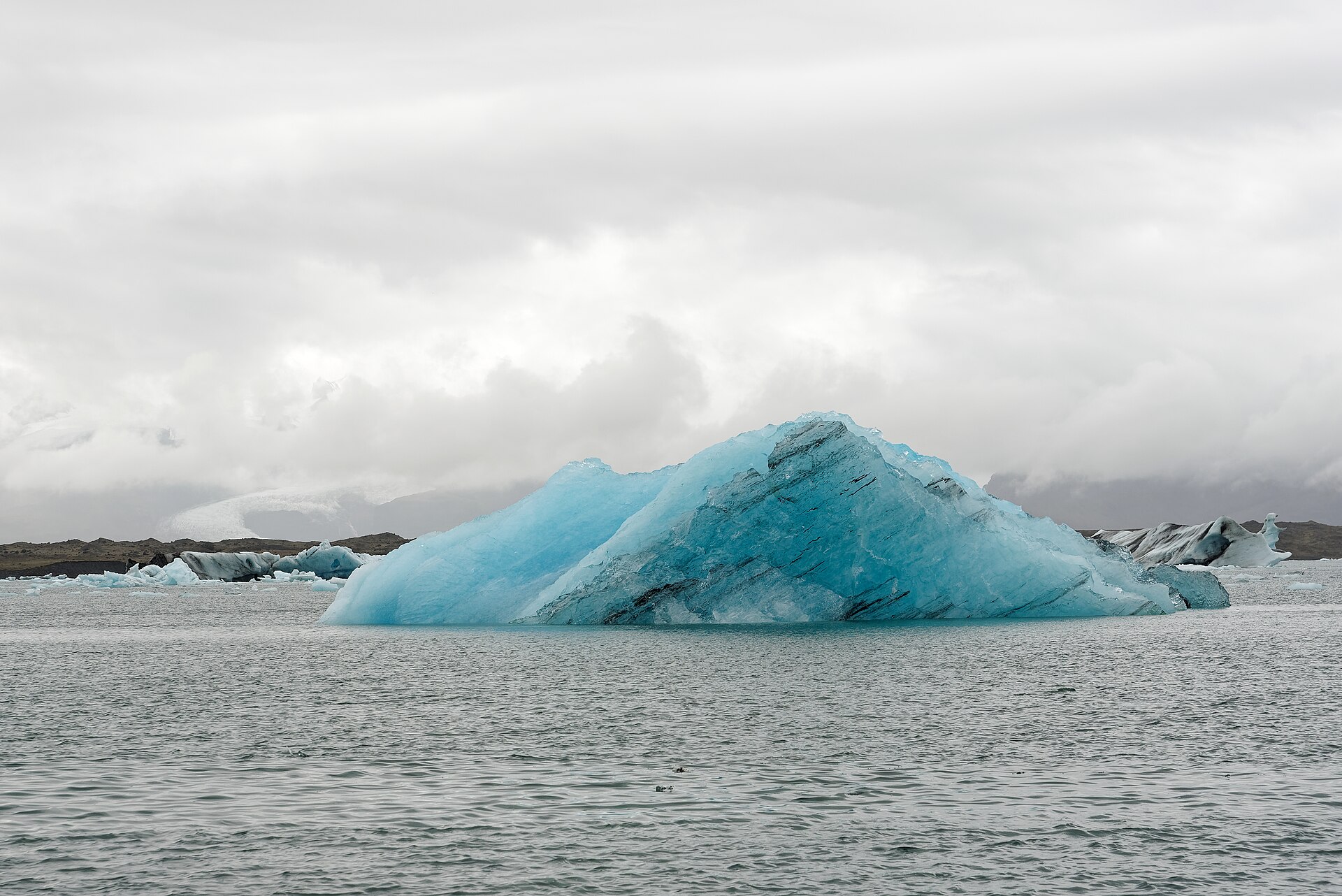
If you have paid for the capability, a good seven-day summer loop is: Reykjavík and the Golden Circle on tarmac, then F208 North into Landmannalaugar for two nights of hiking, back out and along the south coast to Vík and Jökulsárlón, then Route 1 east and north to Mývatn, with a detour on F88 to Askja if conditions and confidence allow.
That itinerary uses the 4×4 for two or three days out of seven, which is roughly the honest ratio for most trips. If your plan does not include a single F-road, book the hatchback and put the difference towards a glacier walk.
Before you leave Reykjavík
Most highland trips start and end in the capital, and it is worth a day at either end. The things that sell out — the Blue Lagoon, Sky Lagoon, FlyOver Iceland, and the ice cave and glacier tours that depart from town — are booked well in advance in summer, and turning up on the day rarely works.
Where to stay between drives
Highland huts at Landmannalaugar and Þórsmörk are basic, cash-or-prebooked, and fill months ahead. Along the Ring Road, the villages of Vík, Höfn, Egilsstaðir and Akureyri are the natural overnight spacing, and each has a reasonable spread of guesthouses and hotels. Booking ahead in July and August is not optional — the accommodation stock in rural Iceland is genuinely small.
The short version
Rent a 2WD if you are doing the Ring Road in summer. Rent a standard 4×4 SUV if you want Landmannalaugar or Kjölur. Rent something serious, and go with another vehicle, if you want Askja or F210. Buy gravel and sand protection in all cases. And remember that no policy sold in Iceland will cover you for drowning the engine in a river.
Further reading
For the paved version of this trip, see our guide to car rental for the Iceland Ring Road, and campervan rental in Iceland if you would rather sleep in the vehicle. Getting an eSIM for Iceland is worth sorting before you fly, since checking road.is daily is the single most useful habit on an Icelandic road trip.
Read next: Where to Stay in Reykjavík: Why Postcode 101 Costs You Twice