Reykjavík is small enough that the entire question of where to stay comes down to a three-digit postcode. Almost everything a visitor wants is in 101. Almost everything a visitor can afford is not.
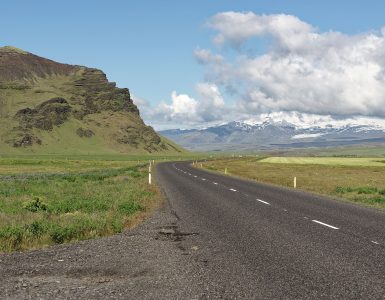
That trade is worth thinking about harder than most people do, because of a detail specific to Iceland: on a typical seven-night trip, four or five of those days are spent outside the city entirely — on the Ring Road, on the Golden Circle, on the south coast. You are paying central Reykjavík prices for a bed you use to sleep in after nine hours of driving.
How Reykjavík is laid out
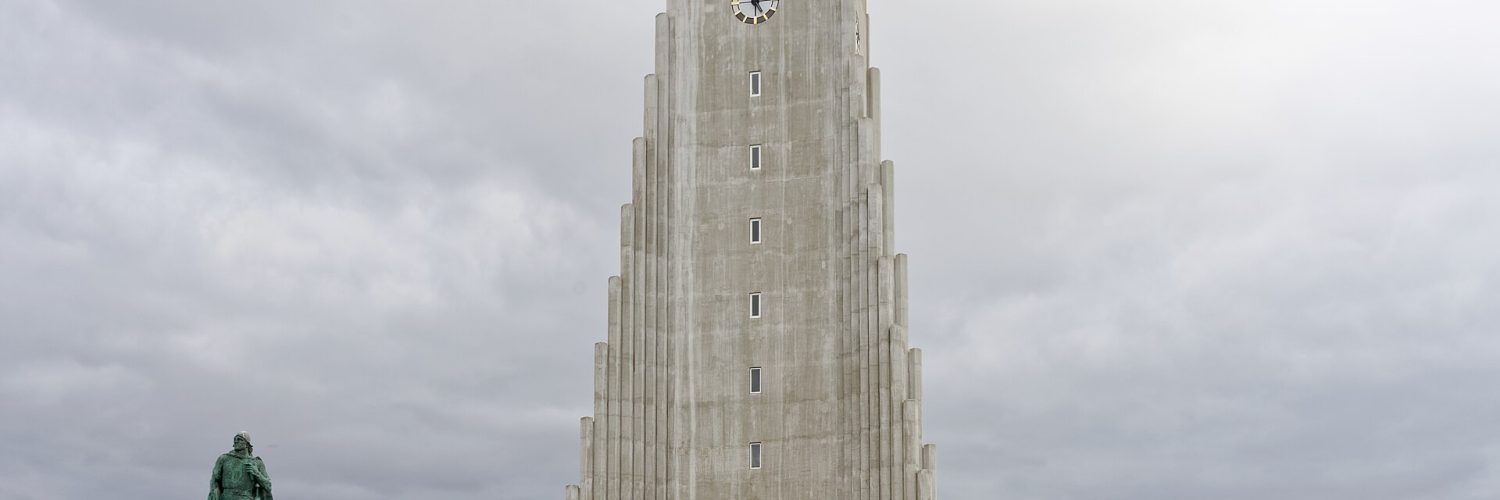
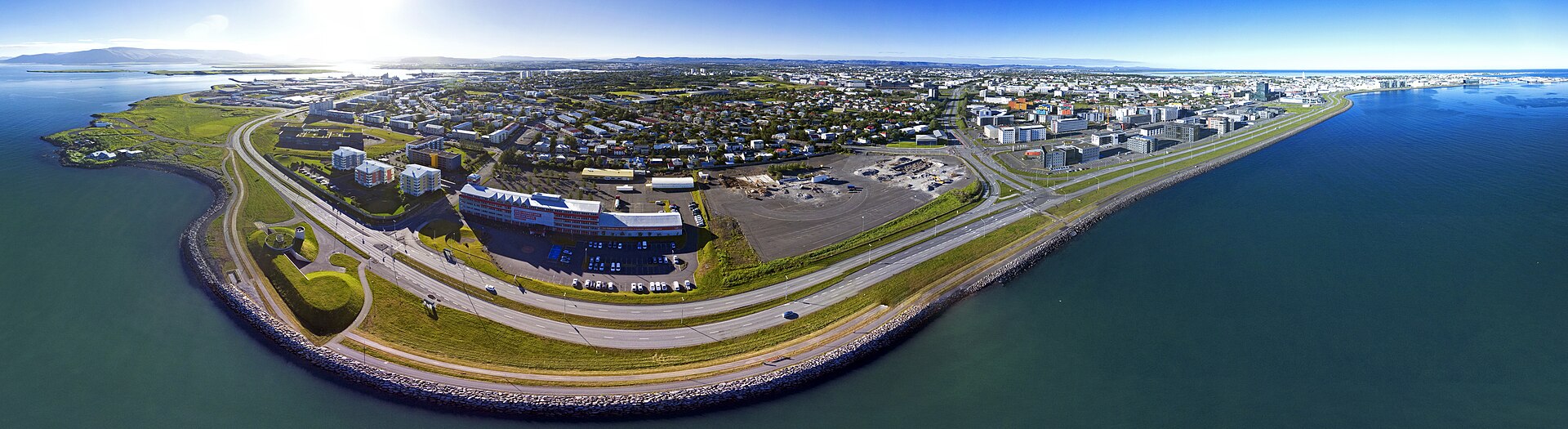
The city sits on a peninsula, and the postcodes radiate outward from the old harbour. 101 is the historic centre — Laugavegur, Hallgrímskirkja, Harpa, the pond. 105 is Hlíðar, immediately inland. 107 is Vesturbær, west towards the university and the coastal path. 104 and 108 stretch east towards Laugardalur, the big green valley with the sports stadium and the largest public pool in the country. Beyond that, 109 Breiðholt and the separate municipalities of Kópavogur, Garðabær and Hafnarfjörður.
Two things make this unusually easy to navigate. Reykjavík is genuinely tiny — roughly 140,000 people in the city proper, about two-thirds of Iceland’s population in the greater area — so nothing is far. And the whole city runs on geothermal district heating piped from the hot springs outside it, which is why every tap runs sulphurous hot water for free and why nobody here worries about heating bills. It is also why a public pool costs less than a coffee.
Getting in from Keflavík
Keflavík International is about 50 km southwest of the city — a genuine drive, not an airport shuttle hop, and the reason the transfer question matters here more than in most European capitals.
The Flybus is the standard answer: ISK 3,999 for an adult aged 16 and over, ISK 2,000 for a youth aged 6 to 15, and free for children aged 1 to 5. It takes about 45 minutes to the BSÍ terminal, it is timed to arriving flights rather than to a fixed timetable, and your seat is held if the flight is delayed. A hotel-drop-off version costs a little more and transfers you to a smaller vehicle at BSÍ.
The public Strætó bus 55 is cheaper and considerably slower, with a change, and it is a real option only if you are travelling very light and not in a hurry.
A private transfer is worth the difference on exactly two occasions: a group of three or more, where the per-person cost converges on the Flybus fare anyway, and a 05:00 arrival with luggage, when the difference between a coach terminal and your hotel door is not trivial in February.
If you are picking up a rental car, you can also simply collect it at Keflavík and drive in — 50 minutes on a good road — which is what most Ring Road trips do. Just be honest with yourself about jet lag before deciding to drive on arrival in the dark.
101 Reykjavík — the centre
Stay here if: it is a short city break, you want to walk everywhere, and the restaurants and bars are part of the point.
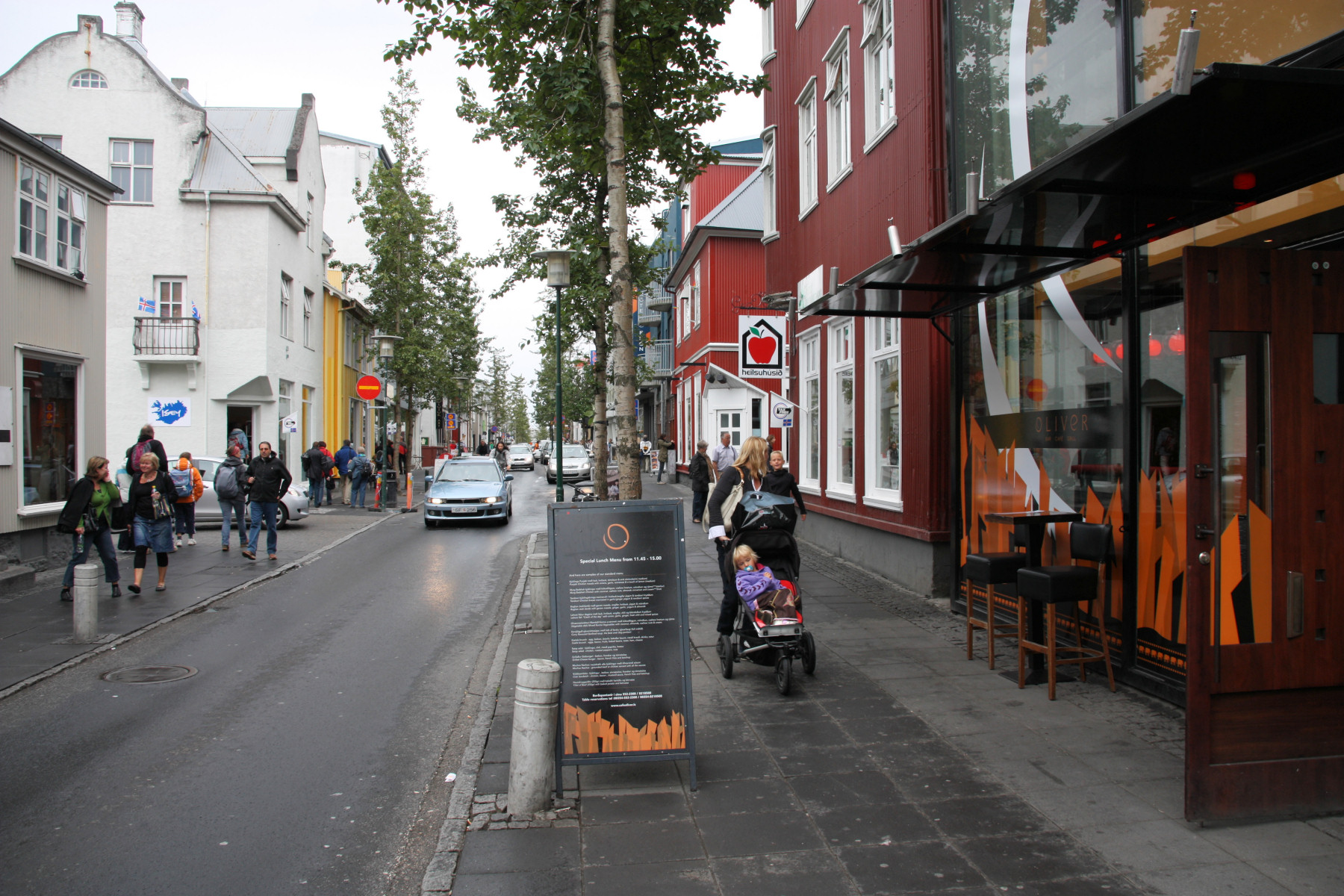
101 is where Laugavegur, the main shopping street, runs downhill to the harbour. Hallgrímskirkja is at the top of it, Harpa is at the bottom, and the entire walk takes fifteen minutes. Every good restaurant in Iceland that is not a rural guesthouse is somewhere in these few blocks, and so is the entire nightlife scene, which runs late and loud on Friday and Saturday.
The costs are real. Prices are the highest in the country, street noise at weekends is genuine, and parking is metered and scarce — which matters a great deal if you have a rental car sitting outside for a week.
105 Hlíðar and 107 Vesturbær — the sensible compromise
Stay here if: you want to walk into the centre in fifteen minutes and pay noticeably less for it.
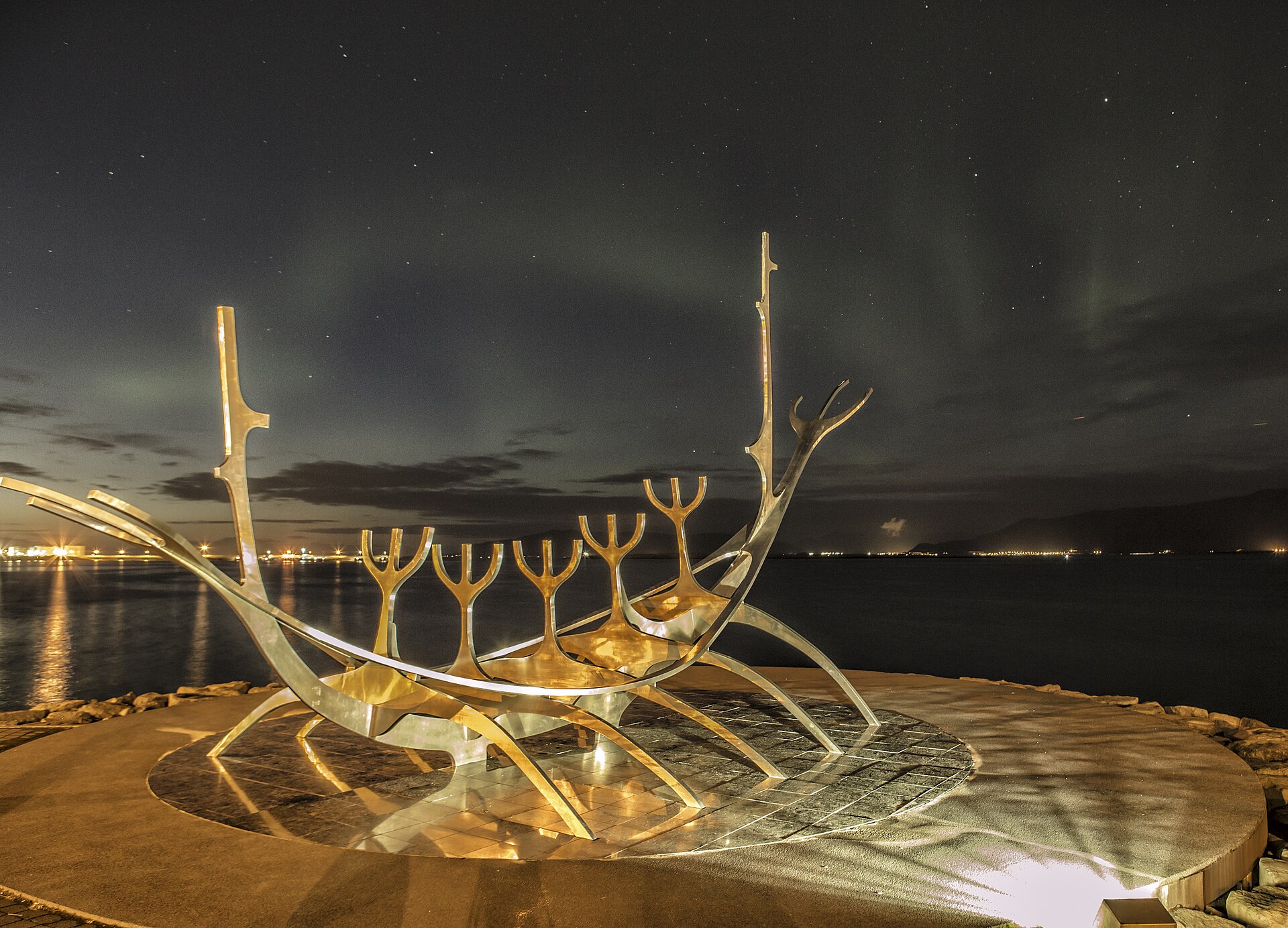
Hlíðar sits directly inland from 101 and is mostly apartment blocks and quiet streets. Vesturbær is the west side, near the university, with the coastal path towards Grótta lighthouse — which is, incidentally, one of the better places in the city to look for the northern lights without leaving town.
Both are residential, both have supermarkets that are not aimed at tourists, and both have street parking that is free or cheap. For a trip that involves a rental car, this is usually the right answer.
104 and 108 Laugardalur — the value option
Stay here if: you are travelling as a family, staying a week, or your budget is doing the deciding.
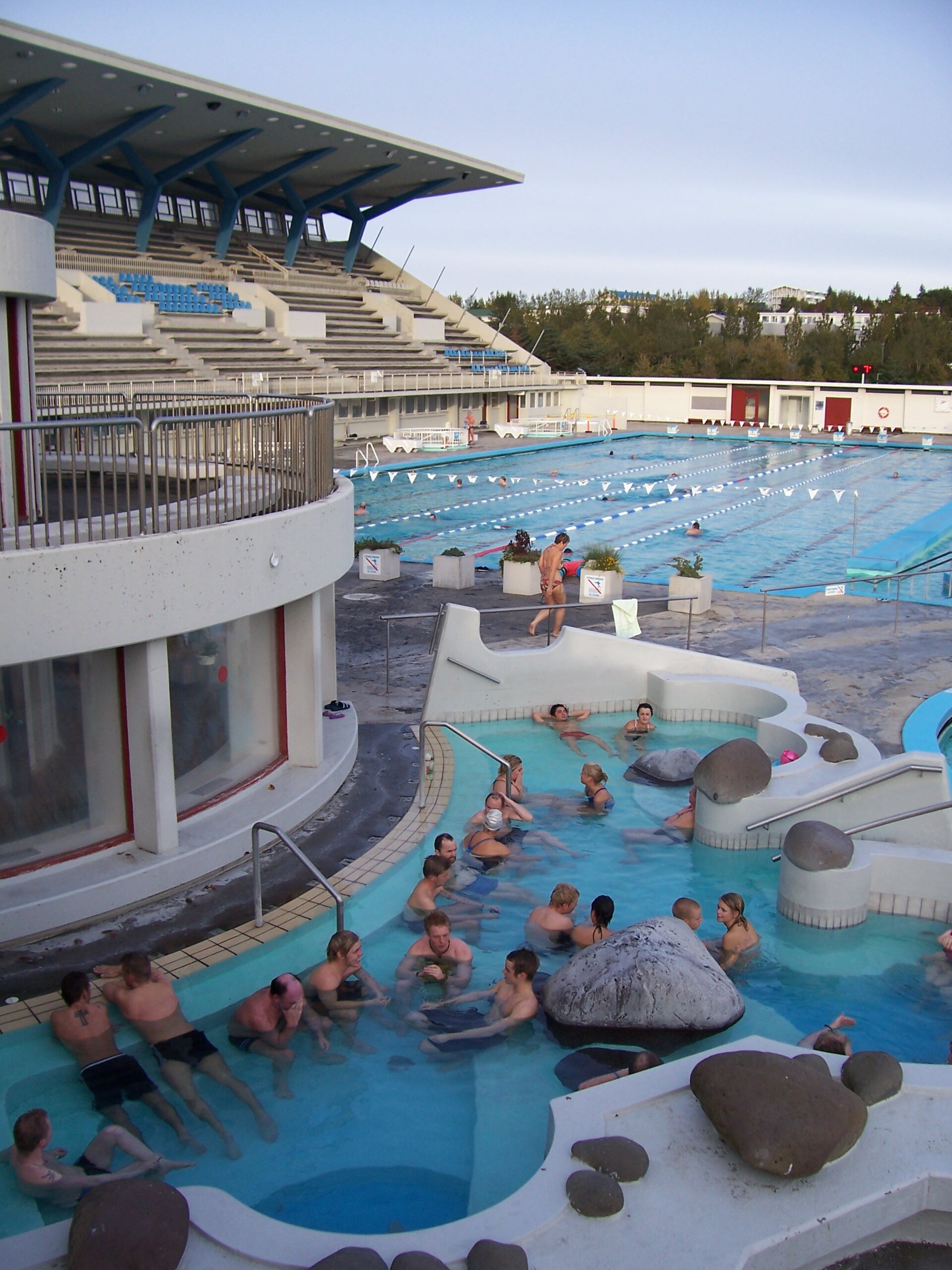
Laugardalur is a large green valley about 25 minutes’ walk or ten minutes by bus from the centre, built around Laugardalslaug, the biggest swimming pool in Iceland — several outdoor pools, hot tubs at graduated temperatures, a steam bath and a water slide, all geothermally heated and all for a few euros. There is also a botanical garden, the national stadium and a small zoo.
Prices here run meaningfully below 101. Averages quoted for hotels near Laugardalur sit around USD 136 for a weekend night and about USD 177 across the week, with hostel beds averaging closer to USD 59 — against a city-wide starting point that is higher and climbs steeply in the centre. Parking is free. For a family that wants a pool every evening, this is the best combination in the city.
Hafnarfjörður, Kópavogur and Garðabær — outside the city
Stay here if: you have a car, you are doing day trips, and you want space.
These are separate municipalities in the greater Reykjavík area, 10 to 20 minutes’ drive from the centre. Hafnarfjörður is a proper harbour town with lava fields running through it and an old centre of its own. Kópavogur has the Sky Lagoon, the geothermal spa built into the shoreline with a view straight out to sea, which is the local alternative to the Blue Lagoon and considerably closer.
The honest downside: without a car you are dependent on the Strætó bus network, which works but eats time, and you will not be walking home from dinner.
What Reykjavík costs, and where the money actually goes
Iceland is expensive and the accommodation is only part of it. The specific things that catch people out:
- Alcohol. Beer and wine are sold through the state monopoly, Vínbúðin, at set opening hours. Bar prices are among the highest in Europe. The duty-free shop in the arrivals hall at Keflavík exists for a reason and Icelanders use it.
- Bottled water. Do not buy it. Reykjavík tap water is glacial meltwater and is better than anything in a bottle. Let the cold tap run for a few seconds to clear the geothermal smell from the hot side.
- Eating out. Restaurant prices are steep; supermarkets — Bónus and Krónan rather than the 10-11 convenience chain — are merely expensive. A kitchen in the room pays for itself in three days.
- Parking. Metered across 101 on weekdays, and this is the hidden cost of a central hotel with a rental car.
One saving that is real: the city pools. Every neighbourhood has one, entry is a few euros, and they are open from early morning to late evening all year. It is the cheapest thing you will do in Iceland and the one locals actually do daily.
Matching the base to the trip
- 48-hour stopover, no car: 101, without hesitation. You are paying for the walk.
- Ring Road trip with two nights in the city at either end: 105 or 107, with free parking, and spend the difference on the road.
- Family, a week, winter: Laugardalur. The pool every evening will do more for the trip than the postcode.
- Golden Circle and south coast day trips, car, no interest in nightlife: Hafnarfjörður or Kópavogur, and the Sky Lagoon on the way back.
- Northern lights as the priority: anywhere with a car. You will be driving away from the city lights every clear night regardless, and no hotel in Reykjavík is dark enough.

The car question
Reykjavík itself does not need a car. The centre is walkable end to end and the bus network covers the rest of the capital area adequately.
Iceland does. The moment you want the Golden Circle, Þingvellir, Seljalandsfoss, the black beach at Reynisfjara or anything on the Snæfellsnes peninsula, a car stops being an expense and becomes the trip. Collecting at Keflavík and dropping back there is usually cheaper than a city rental, and it removes the parking problem entirely if your hotel is outside 101.
Two Iceland-specific warnings worth repeating. Gravel protection and sand-and-ash damage are separate insurance items here and both are commonly claimed. And the F-roads into the highlands are legally restricted to genuine four-wheel drive and are closed for most of the year — a standard car that ventures onto one voids everything.
When you go changes where you stay
June to August is midnight sun, every road open, the highest prices and the fullest hotels. Book months ahead and expect 101 to be the first thing to sell out.
September to March is northern lights season, which shifts the calculation towards anywhere with parking and a car. December is expensive again for the Christmas market weeks; January and February are the cheapest and the darkest.
Late April to May and September to October are the quiet value windows — most roads open, prices well down, and the city noticeably less busy.
Further reading
- Car rental for the Iceland Ring Road — the trip most Reykjavík stays are attached to.
- SUV rental in Iceland — when the extra clearance is actually necessary.
- Campervan rental in Iceland — the way to avoid the hotel question entirely.
- eSIM for Iceland — coverage is good on the Ring Road and patchy in the highlands.
- Things to do in Auckland — the other small capital where everyone leaves town to see the country.