
India’s domestic network is one of the best-value air markets on earth: more than 150 airports, fares that regularly undercut a long-distance train’s air-conditioned class, and flights every twenty minutes on the busiest routes. It is also a system with rules that catch first-time visitors out at the terminal door — sometimes before they even reach check-in. Here are the nine things worth knowing before you book.
1. You cannot enter the terminal without a ticket
Indian airports are secure zones from the kerb. A CISF officer at every entrance checks your booking (printed or on screen) against a photo ID before you step inside. Friends and family wait outside. Two practical consequences: have your PNR ready on your phone before you get out of the taxi, and do not plan to “go to the airport early and work out which airline”. Foreign visitors must show a passport — a driving licence or a photo of your passport is not accepted.
2. The market is essentially four airlines
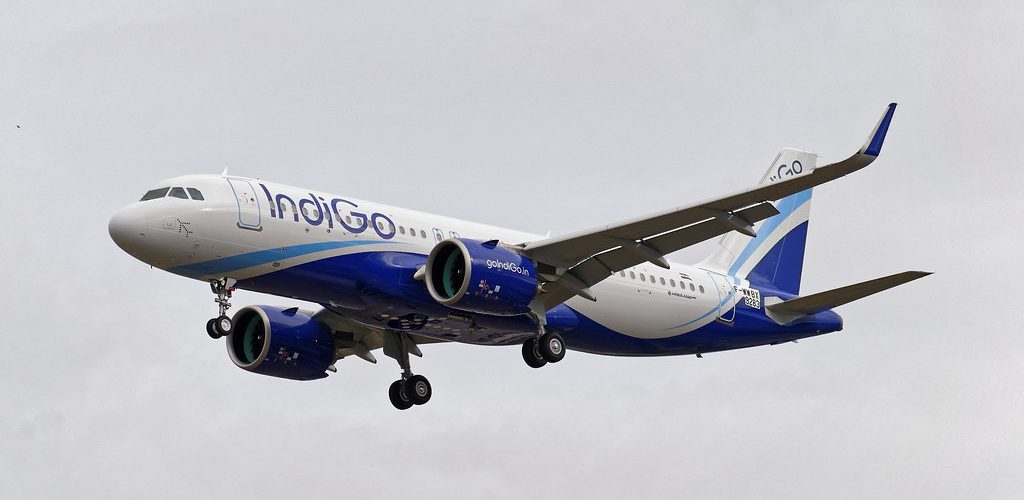
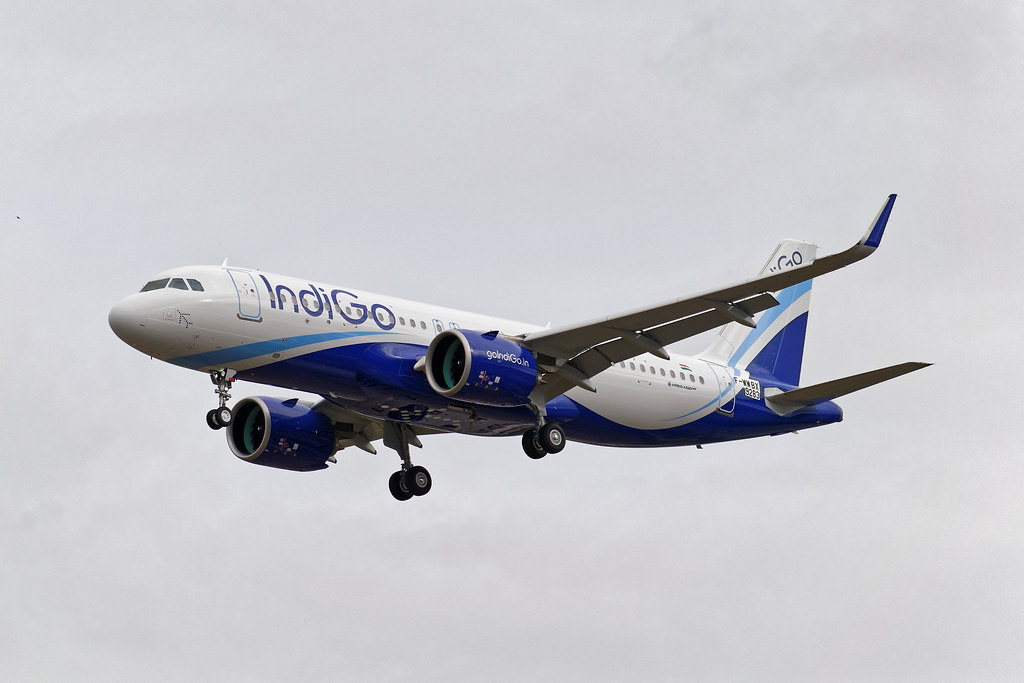
IndiGo dominates, with by far the widest network and the most reliable on-time record. Air India is the full-service option and absorbed Vistara in late 2024, so old Vistara routes now fly under the AI code. Akasa Air is the newer low-cost challenger, small but well regarded. SpiceJet and Air India Express fill out the budget end. For remote strips — Ladakh, the northeast, small UDAN-scheme airports — Alliance Air and IndiGo’s turboprops are often the only operators, and those routes sell out weeks ahead.
3. Baggage rules are stricter than the fare page suggests
Cabin baggage on domestic flights is 7 kg plus one small personal item, and unlike in Europe this is genuinely weighed — at check-in and sometimes again at the gate. Most standard domestic fares include 15 kg checked, which is generous, but the lowest promotional fares on some carriers are hand-baggage-only. Excess is charged per kilo and it is expensive; if you have bought souvenirs, pre-purchase extra allowance online, where it costs roughly half the airport rate.
One newer rule that surprises everyone: Indian carriers now bar passengers from using or charging power banks during the flight. Keep them switched off in your cabin bag — they are still allowed on board, just not in use.
4. Terminals move, and Mumbai is the worst offender
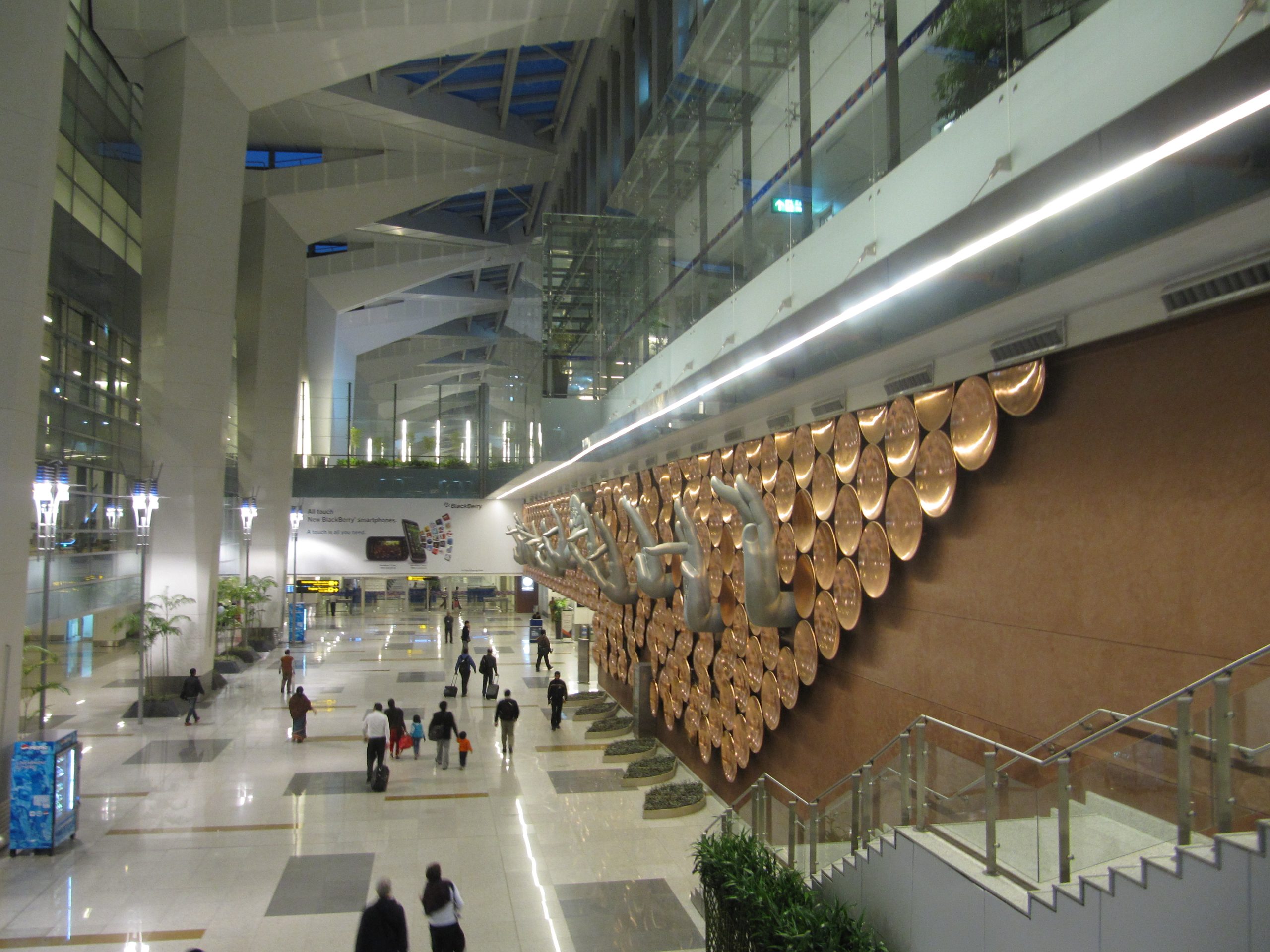
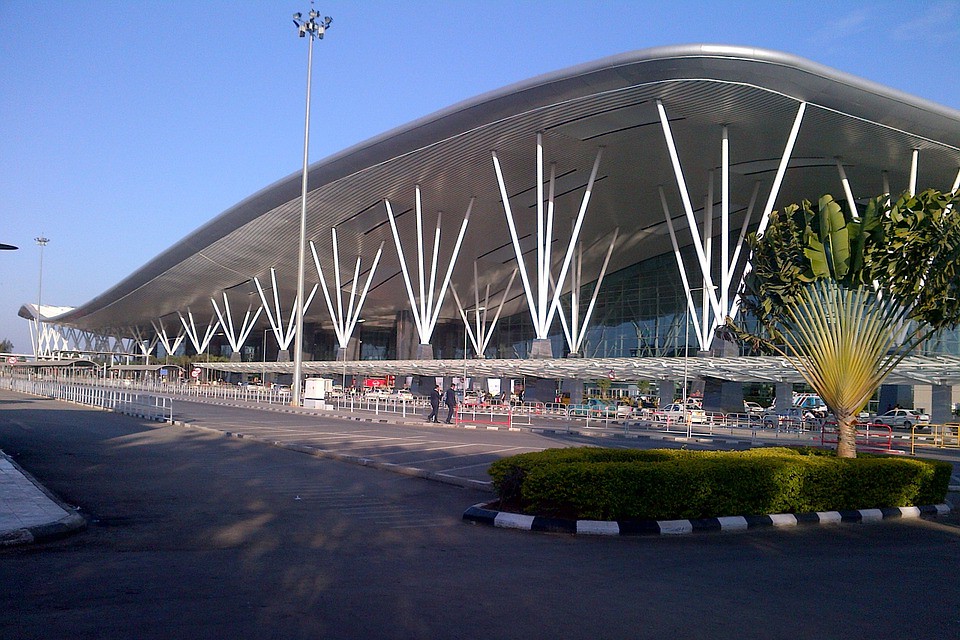
Delhi splits domestic traffic between Terminal 1, Terminal 2 and Terminal 3, and airlines have been reshuffled between them more than once in recent years. Mumbai divides departures between Terminal 1 and Terminal 2 by airline, and the two are a 20-minute drive apart with no airside connection. Bengaluru’s Terminal 2 and Hyderabad are more straightforward. Check the terminal on your booking confirmation the day before you fly, not the guidebook — and if you are self-connecting between two separate tickets, allow four hours in Mumbai and three in Delhi.
5. Book three to seven weeks out
Indian domestic pricing rises steeply in the last fortnight. Typical one-way economy fares booked about a month ahead:
- Delhi–Mumbai (2h 15m): ₹4,500–7,000
- Delhi–Goa (2h 30m): ₹5,000–8,000
- Mumbai–Bengaluru (1h 40m): ₹3,500–6,000
- Delhi–Leh (1h 20m): ₹6,000–12,000, and far higher in July
- Short regional hops (Kochi–Chennai, Jaipur–Delhi): from ₹2,800
Booked inside seven days, the same seats routinely double. Avoid Diwali week, the fortnight around Christmas and New Year, and the May–June school holidays, when fares on leisure routes can triple.
6. Weather owns the schedule twice a year
From late June to September the monsoon produces afternoon and evening delays, with Mumbai and Kolkata worst affected. From mid-December to late January, dense fog closes in over the northern plains and Delhi departures can slip by hours in the early morning, despite the airport’s low-visibility landing capability. The defence in both seasons is the same: fly in the morning during monsoon, and mid-morning rather than dawn during fog season, and never book the last connection of the day onto an international departure.
7. Web check-in is effectively compulsory — and seats cost extra
Every carrier opens online check-in 48 hours before departure, and airport counters get slow and grudging close to cut-off. Do it from the phone. Be aware that on low-cost carriers almost every seat carries a fee at that point; if you decline, the system assigns you one free at check-in. Paying ₹200–600 for a specific seat is worth it only for exit rows on longer sectors or if you want a window for the Himalayan approach into Leh, which is genuinely one of the great flights in Asia.
8. DigiYatra speeds things up if you opt in
Most major Indian airports now offer DigiYatra, a face-recognition entry system that replaces the ID-and-boarding-pass check at the terminal door and the security queue. It is voluntary, it requires an app and an Aadhaar or passport enrolment, and it saves real time at Delhi and Bengaluru during peak hours. Regular queues remain for everyone else — you are not disadvantaged by skipping it, just slower.
9. Get connected before you fly, not after
Almost everything in an Indian airport now assumes data: the ticket QR at the door, web check-in, the ride-hailing pickup zone at the other end. Indian SIM cards for foreign visitors require paperwork and can take a day to activate, which is why a travel eSIM loaded before departure is the simpler answer — Airalo covers India with data-only plans that activate the moment you land.
Common questions, quickly
Is domestic flying safe in India? The major carriers operate modern Airbus and Boeing fleets to international standards and the safety record is comparable to Europe’s. Do I need to reconfirm? No. Is food included? Only on Air India; low-cost carriers sell it, and it is decent and cheap. Can I use an e-ticket on my phone at the terminal door? Yes, but screenshots are safer than relying on signal. What about hand-baggage stamping? The old security stamp on cabin tags has been phased out at most airports. Are flights better value than trains? On journeys over 700 km, an economy air fare booked in advance often beats a 2AC train ticket and saves a night — below that, the train usually wins.
Cancellations, changes and what you actually get back
Indian low-cost fares are refundable in name only: cancel a ₹5,000 IndiGo or SpiceJet ticket and the cancellation charge frequently eats most of it, leaving you the government taxes and little else. Date changes carry a fee plus the fare difference, which on a route that has since filled up can exceed the original ticket. Air India’s flexible fares cost 20–40% more up front and are worth it only if your plans are genuinely unsettled.
Two habits reduce the pain. Book each leg separately rather than as one long itinerary when you are combining airlines, so a change affects one sector instead of all of them. And if you are self-connecting onto an international flight, treat any same-day domestic hop as risky — airlines have no obligation to rebook you across two separate tickets, and monsoon or fog delays turn that into an expensive lesson.
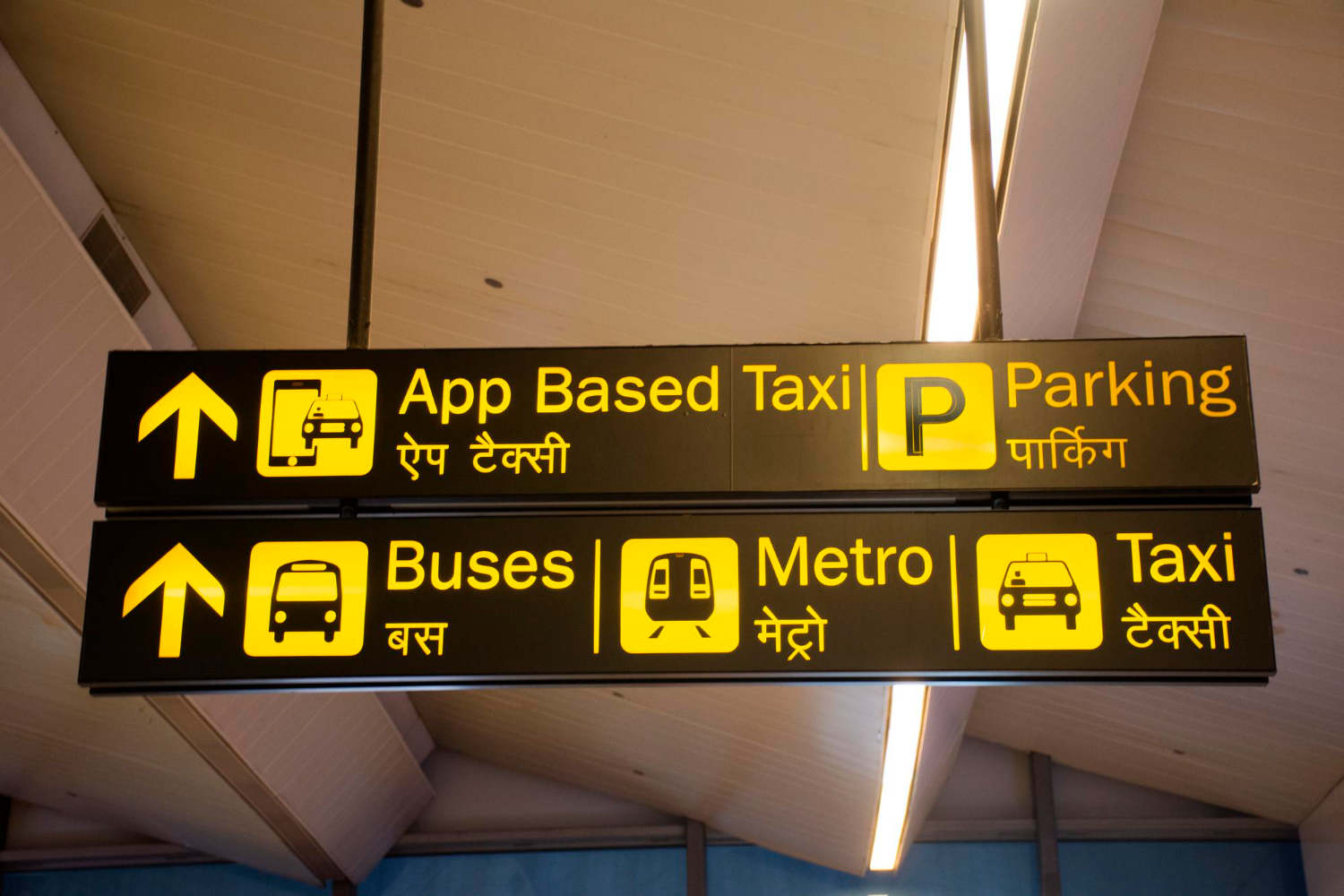
Also budget for the ground legs. Airport taxis in Delhi, Mumbai and Bengaluru are metered and regulated at official prepaid counters inside the terminal, and using that counter rather than a kerbside offer is the single easiest way to avoid being overcharged. App-based cabs work well in every major city but their pickup zones at Delhi and Bengaluru are a signposted walk from arrivals, so give yourself ten minutes rather than standing at the exit wondering where the driver is.
Watch before you fly
Compare India domestic fares for your dates
Prices move fast on Indian routes and the same sector can differ by 40% between two adjacent days. Check yours here:
Getting from the airport to your accommodation is the one leg worth arranging before you arrive — compare fixed-price transfers here:
Once the flights are set, compare hotels near the airports and in the city centres on Booking.com — early-morning fog-season departures are the one time an airport hotel earns its price.
Flying around Asia more broadly? See our guides to domestic flights in Japan, the Philippines and Indonesia.








Add comment