
The Philippines has 7,641 islands and exactly zero trains between them. Ferries exist, but a Manila–Palawan boat takes 28 hours where a plane takes 80 minutes. That is why the Philippines runs on domestic aviation more than almost any country on earth — and why the difference between paying $25 and $180 for the same seat comes down to knowing how the three airlines, two Manila airports and one infamous terminal system actually work.

The three airlines, honestly ranked
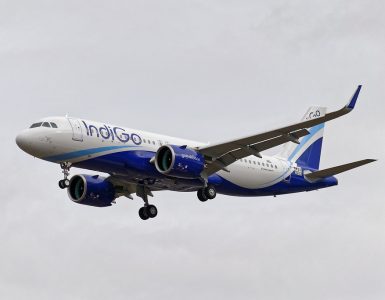
Cebu Pacific is the volume player — the biggest domestic network, the yellow planes, and the famous “Piso Sale” where base fares drop to 1 peso (you still pay taxes and fees, so figure $12–20 all-in). Booked two to six weeks out, typical one-way fares run $25–55 on trunk routes. Everything is an add-on: checked bags, seat selection, water.
Philippine Airlines (PAL) is the legacy carrier: fares typically $15–40 higher, but a 10kg carry-on plus meal and better on-time performance on many routes. On a 6am flight that decides whether you make an island ferry connection, that premium often makes sense.
AirAsia Philippines fills the gaps, strongest out of Cebu and to Caticlan and Palawan, priced head-to-head with Cebu Pacific. Set fare alerts on all three: promos rotate constantly, and the same MNL–CEB seat swings between $24 and $90 within a week.
Manila: two airports, four terminals, one warning
Most international arrivals land at Ninoy Aquino (MNL), which is really four terminals connected by congested public roads — an inter-terminal transfer can take 15 minutes at 4am and 90 minutes at 5pm. Since the new private operator took over in 2024, queues and air-conditioning have measurably improved, but the golden rule stands: if your international and domestic flights are on separate bookings, leave at least 3 hours, and 4 in the rainy season. Terminal assignments changed substantially in 2026 — see the section below before you trust an older guide. Clark (CRK), 90 minutes north, is a calmer alternative if you are heading straight to the north or connecting from East Asian budget carriers.
The March 2026 terminal reshuffle — check this before you fly
This is the single most likely thing to go wrong on a Philippines trip planned from an older guide, because most articles still online describe the pre-2026 layout. Manila’s new private operator began a full terminal reassignment on 29 March 2026, and the organising logic changed from “whichever terminal your airline historically used” to a clean split by flight type.
The shape of it: Terminal 2 is now the domestic terminal, with Philippine Airlines in the north wing and Cebu Pacific in the south wing. Terminal 3 became an all-international terminal for full-service carriers — Air China, China Eastern, Vietnam Airlines, Royal Brunei and Shenzhen Airlines moved in on 29 March, Japan Airlines on 1 April. Terminal 1 is now oriented to international budget carriers, with AirAsia’s international flights moving in on the same date. A rebuilt Terminal 4 is planned to absorb AirAsia’s domestic flights and roughly half of Cebu Pacific’s domestic operation.
In practice this is mostly good news. The old nightmare — landing internationally at one terminal and needing a domestic departure from another — is less common now that domestic traffic is being consolidated. But a phased move is exactly when people get caught out, and the Terminal 4 element is the kind of infrastructure project that slips. Two rules follow.
First, trust your booking confirmation and the airline’s own app over any guide, including this one, and check again 24 hours before departure. Reassignments during a transition get announced on short notice. Second, if you are connecting between international and domestic flights on separate tickets, keep the three-to-four-hour buffer regardless of what the terminal map says. Inter-terminal transfers at NAIA still run on ordinary public roads through Manila traffic, and that has not changed. A transfer that takes 15 minutes at 4am can take 90 at 5pm.
One further consequence worth planning around: concentrating domestic flying into fewer buildings makes domestic check-in and security queues heavier at peak than the old spread-out arrangement. If you are flying domestically out of Manila between roughly 6am and 9am, add half an hour beyond whatever the airline recommends.
The routes that matter and what they cost
- Manila–Cebu (1h25): the trunk route, 20+ daily flights, $25–60 one-way. Cebu is the hub for the Visayas — Bohol, Siquijor, Camotes are all onward hops or ferries from here.
- Manila–Puerto Princesa (1h20): the cheap door into Palawan, $30–65, then a brutal-but-beautiful 5–6 hour van to El Nido.
- Manila–El Nido/Lio (1h20): AirSWIFT’s boutique monopoly straight to paradise, $95–160. Worth it northbound; many travelers fly in here and out of Puerto Princesa.
- Manila–Caticlan (1h10): the Boracay flight, $35–80. Kalibo is $20–30 cheaper but adds a 90-minute bus. Caticlan wins unless the fare gap tops $40.
- Manila–Davao (2h): Mindanao’s metropolis, $35–70.
- Manila–Siargao (2h30): the surf island, $45–90, sells out around international surf events.
Baggage math: where budget fares stop being cheap
Cebu Pacific and AirAsia base fares include a 7kg carry-on only. A 20kg checked bag added at booking runs ₱750–1,400 ($13–25); added at the airport it roughly doubles, and dive gear or a surfboard goes further still. Traveling carry-on only flips every comparison toward the budget carriers; traveling with 20kg of luggage on four flight legs quietly adds $60–100 to your trip and often makes PAL the cheaper ticket overall. Do this math per leg, not per airline brand.
Typhoon season: build slack, not stress
June through November, tropical systems roll through and airlines cancel readily — safety culture here is conservative, which you should appreciate mid-air. Two practical rules. First, never book a domestic hop the same day as your international departure home during these months; overnight in Manila or Cebu instead. Second, when a typhoon signal is raised, rebooking waivers appear fast — rebook in the airline app immediately rather than queueing at a counter with 200 other people. Data on arrival makes that possible: an Airalo Philippines eSIM costs a few dollars and activates before you clear immigration.

Booking tactics that actually move the price
Book domestic legs three to six weeks out for the sweet spot; inside ten days, Philippine fares climb steeply, and same-day walk-up fares can triple. Fly the first departure of the morning in typhoon season and in general — delays cascade through the day as aircraft shuttle back and forth, and the 5:40am MNL–CEB leaves on time far more often than the 6pm. Cebu Pacific’s app sells “GetGo”-style bundles and seat sales on Thursdays; PAL releases its own flash fares around paydays (the 15th and month-end, when Filipinos book). Avoid booking separate tickets with under three hours between them — no Philippine domestic carrier will rebook you free for a missed connection on a separate PNR. And always double-check which Manila terminal your flight uses on the day: reassignments happen, and the terminal printed on a ticket bought months ago is a suggestion, not a promise.
When the ferry beats the plane
Short crossings are the exception to the fly-everything rule. Cebu–Bohol by fast ferry (OceanJet, 2 hours, $10–15) beats any flight once you count airport time; Caticlan–Boracay is a 15-minute pump-boat included in the journey anyway; and El Nido–Coron by fast ferry (3.5–4.5 hours, $35–45) connects two places no domestic flight usefully links. For everything else — especially anything crossing the Sibuyan Sea in monsoon months — the plane is safer, faster and often cheaper than a cabin berth. A useful rule: ferries for hops under three hours in fair weather, planes for the rest.
A two-week flight plan that actually works
The classic first-timer route: fly into Manila, spend one night recovering, then MNL→El Nido (AirSWIFT), 4 days of island-hopping tours A and C, van south to Puerto Princesa with an underground-river stop, PPS→CEB direct (skipping Manila entirely — these intra-Visayas direct flights are the single best trick in Philippine trip planning), ferry to Bohol for 3 days, then CEB→MNL for the flight home with an overnight buffer. Total domestic airfare booked a month ahead: roughly $140–200 per person. Book your El Nido nights early in high season (December–May) — availability on Booking.com in walkable Corong-Corong thins out weeks ahead.
If you are comparing archipelago-hopping logistics elsewhere in Asia, our guides to domestic flights in Indonesia and Japan’s plane-versus-Shinkansen question use the same playbook, and the New Zealand edition covers the Pacific version.
Regional airports: small, hot, and strict about liquids
Expect provincial terminals to be one-room affairs: Caticlan, El Nido/Lio, Siargao and Busuanca have short runways served by turboprops, strict 10–15kg total baggage limits on some AirSWIFT and Cebgo flights, and security that confiscates the water you just bought. Check-in closes 45 minutes before departure and they mean it — there is no rebooking desk to argue with. Arrive early, carry a printed or offline copy of your booking (counter wifi fails), and treat the posted departure time as optimistic in both directions: turboprops leave early when full and weather is coming. The reward for these quirks is landing fifteen minutes from some of the most beautiful water on the planet.
Search fares for your dates
Getting from the airport to your accommodation is the one leg worth arranging before you arrive — compare fixed-price transfers here:




Add comment