
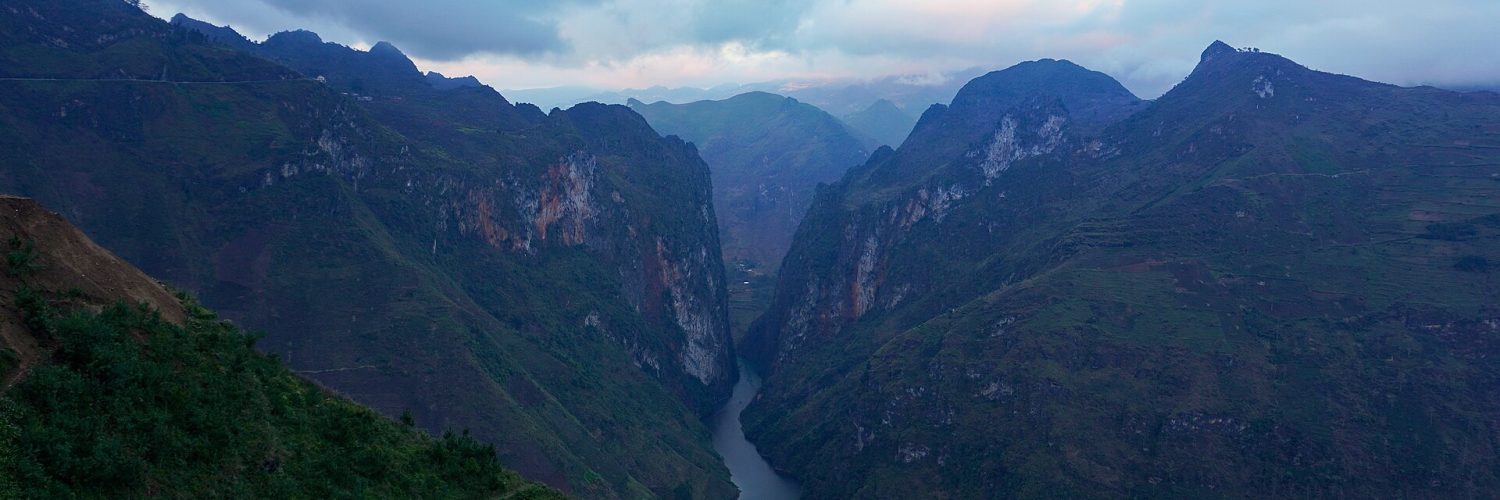
The Ha Giang Loop is roughly 350 kilometres of switchbacks through the karst mountains of Vietnam’s far north, brushing the Chinese border, and it has quietly become the single most talked-about motorbike route in Southeast Asia. The bike costs $12 a day. The views cost nothing. What actually decides whether your loop is the highlight of your year or an expensive lesson is a stack of small, unglamorous details: a licence rule most riders ignore, a border permit most riders have never heard of, and an honest self-assessment about riding 1,500-metre passes on a semi-automatic.
Getting there: the night bus that saves a day
There is no airport in Ha Giang. Everyone starts with the sleeper bus from Hanoi: 6–7 hours, $13–18, leaving nightly around 8–10pm from the Old Quarter and arriving before dawn, or as a limousine van by day. Book a lower berth if you get motion sick — the road climbs for the last two hours. Rental shops in Ha Giang city will store your big backpack free and most will let you check in at 5am with a coffee while they prep your bike. If you land at Hanoi’s Noi Bai airport and want a private car straight to the bus office or a hotel first, a pre-booked transfer beats negotiating a metered taxi at midnight.
What the bikes cost — and which one to take
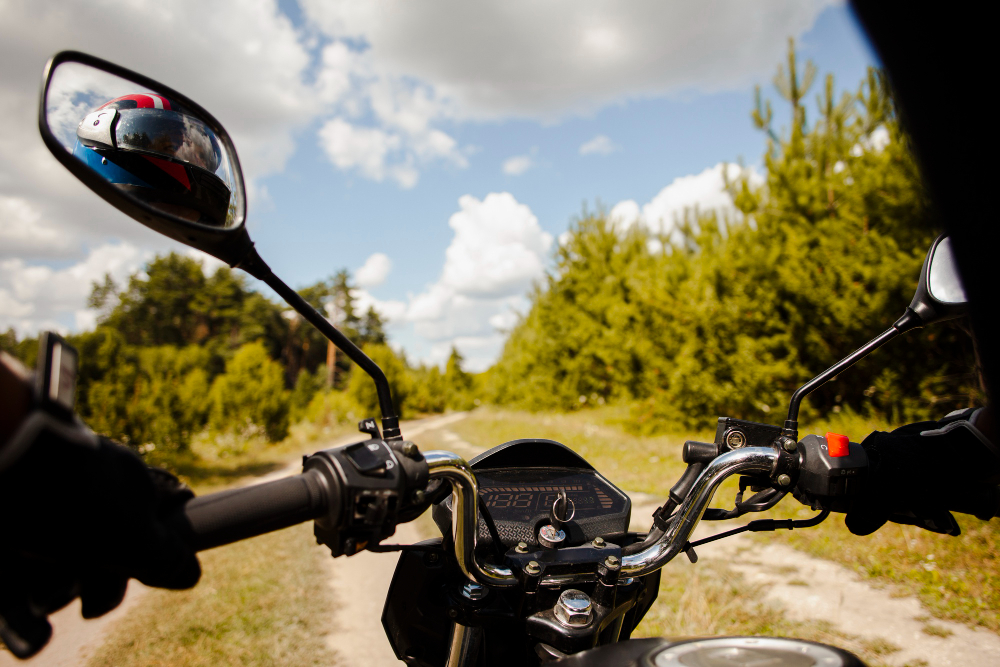
- Semi-automatic 110cc (Honda Wave/Blade): $10–13 per day. The default choice, and honestly the right one for most riders — no clutch to stall on a 12% hairpin.
- Manual 125–150cc (Honda XR150, Winner): $15–20 per day. Better brakes and engine braking for the descents, but only if you already ride manual confidently.
- Scooter (fully automatic): available, discouraged. Overheated brakes on long descents are the classic Ha Giang crash.
Quality shops include a helmet (bring a buff), phone mount, luggage straps and a rescue number. Photograph the bike from every angle before riding off, and check brake pads and tyre tread yourself — a two-minute inspection that prevents the most common deposit dispute.
The licence rule nobody reads (until the checkpoint)
Legally, riding anything over 50cc in Vietnam requires a Vietnamese licence or an International Driving Permit under the 1968 convention with a motorcycle (A) endorsement — and your home licence must actually carry that endorsement. A car-only IDP does not cover you. Police checkpoints on the loop are intermittent but real, and fines plus a parked bike can end the trip. Just as important: your travel insurance almost certainly excludes unlicensed riding, which turns a broken collarbone into a five-figure bill. If you do not have a motorcycle licence, this is precisely what the easy-rider option is for.
Easy riders: the option that is not cheating
An “easy rider” is a local driver who pilots the bike while you sit behind with a camera. A 3-day, 2-night easy-rider package runs $170–250 all-in — bike, fuel, driver, homestays, most meals, permit. Self-driving the same three days costs $80–120. The $100 difference buys you legality without a licence, a guide who knows which coffee stops the tour groups miss, and the freedom to stare at the scenery instead of the gravel. Groups of confident riders self-drive; everyone else genuinely enjoys the back seat more than they expect to.
The permit, the route, the weather
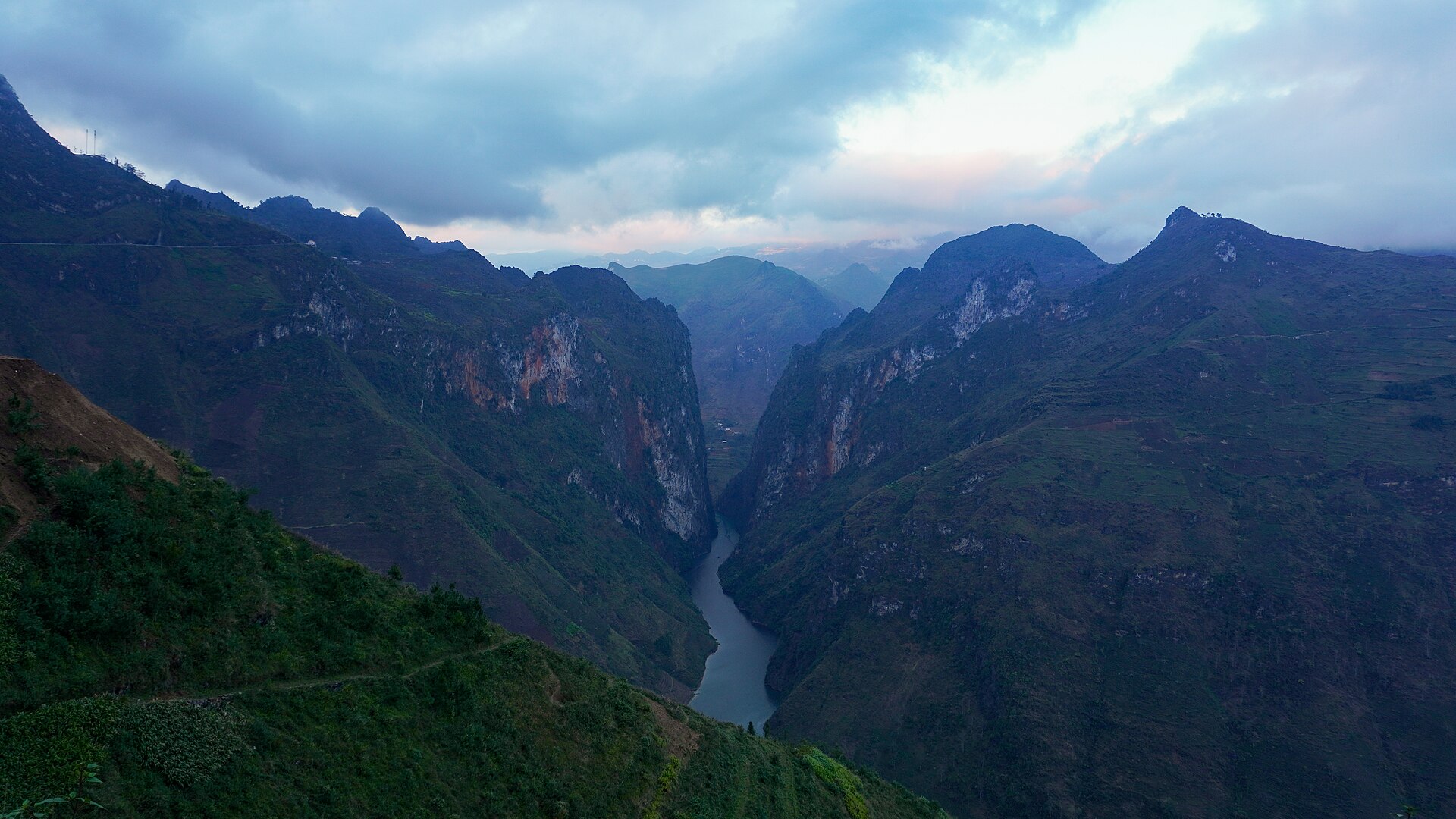
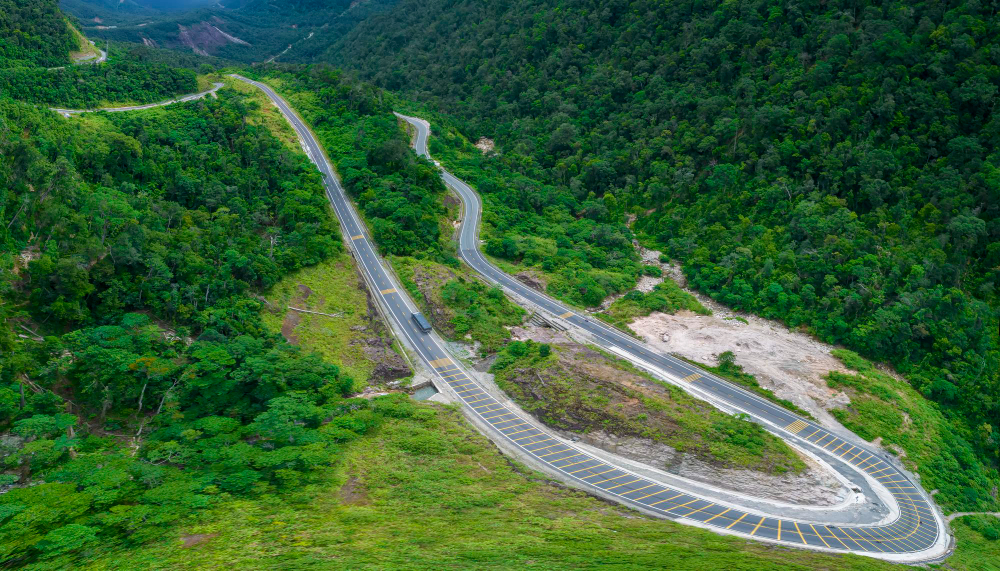
Because the loop crosses border districts, foreigners need a border-area permit: about 300,000 VND (~$12), arranged in ten minutes by your rental shop or hotel in Ha Giang city — homestays in Dong Van and Meo Vac are checked, so do not skip it. The classic 3-day route runs Ha Giang → Quan Ba (Heaven’s Gate viewpoint) → Yen Minh → Dong Van old town for night one; then the Ma Pi Leng pass — the loop’s crescendo, with the vertigo-inducing skywalk path optional — down to Meo Vac for night two; and back via Du Gia’s waterfall swimming hole. Add a fourth day for the Lung Cu flag tower at the country’s northern tip. Weather windows: March–April and October–November are ideal; June–August brings heat and landslide rain; December–January means genuine cold and fog on the passes — pack gloves.
Five questions everyone asks at the rental counter
What happens if I crash the bike? You pay for repairs at local parts prices — a dropped Wave typically costs $20–80 in levers, plastics and mirrors, which is why the pre-rental photo ritual matters. Reputable shops post a repair price list; ask to see it. What about my luggage? Big packs stay free at the shop; you ride with a 20–30 litre bag strapped to the rack. Rain covers are non-negotiable in any season. Can two people share one bike? Yes — a 110cc semi-auto carries two slim adults fine on tarmac, but the Ma Pi Leng climbs will be first-gear work; couples with luggage should take the 150cc. Is there fuel on the loop? Every town has a station and villages sell bottled petrol; fill at Yen Minh and Dong Van and range is never an issue. ATMs? Agribank machines exist in Dong Van and Meo Vac but decline foreign cards often enough that the correct answer is: bring all the cash you need from Ha Giang city, in small notes — homestays rarely have change for 500k.
Group tours vs going alone
The hostel-run group tours out of Hanoi (Jasmine, Bong, and a dozen imitators) bundle bus, easy riders, homestays and a party atmosphere for $180–230 — superb fun at 22, less so if you want to stop for photographs more often than the convoy does. Independent riders get empty-road mornings, their own pace on the passes, and homestays chosen by quietness rather than capacity. There is no wrong answer, but know which trip you are buying: the group version is a social event with scenery; the solo version is a road trip with occasional company.
Budget for three days, self-driving
- Bike: $33–45, fuel: $8–10
- Homestays with dinner and rice wine: $8–15 per night
- Food and coffee stops: $10–15 per day
- Permit: $12 — total: roughly $100–140 per person
Phone signal is surprisingly good on most of the loop; download offline maps anyway and load a Vietnam eSIM before you leave Hanoi so checking a booking never depends on homestay wifi. Book your first Ha Giang night in advance — options near the bus drop-off fill up fast in the October window.
Pack list that fits a rack bag
Layers beat bulk: a windproof shell, one warm mid-layer (mornings on the passes start at 10°C even in April), riding gloves, sunglasses for dust, a buff for the helmet, sandals for homestays, and a dry bag for electronics. Add sunscreen — the UV at altitude is fiercer than the temperature suggests — plus a small power bank, since homestay outlets are shared and few. Leave the drone paperwork fantasy at home: this is a border region and flying one without a permit invites exactly the police conversation you have been avoiding.
If two wheels is your travel language
Vietnam rewards it like nowhere else, but the same decision framework — licence, insurance, brakes, weather — applies to our guides on scooter rental in Da Nang, Bali’s checkpoint reality and Phuket’s hills. For trip logistics beyond the bike:
Getting from the airport to your accommodation is the one leg worth arranging before you arrive — compare fixed-price transfers here:



Add comment