London has a peculiar advantage over almost every other major European capital: its greatest attractions are free. The British Museum, the National Gallery, the Tate Modern, the Natural History Museum, the V&A — all free, all world class, all funded on the principle that national collections belong to everyone. You could spend a week in London seeing extraordinary things and spend nothing on admission.
Which makes the planning question different here. It is not what to book, it is what is actually worth paying for, and how to handle a city that is 1,572 square kilometres and defeats people who treat it as walkable.
The scale problem
London is not a city with a centre and suburbs. It is roughly thirty former villages that grew into each other, which is why the place names end in -ham, -wich and -ton, and why each neighbourhood still feels distinct. Greenwich, Hampstead, Richmond and Camden were separate towns within living memory of their street layouts.
Practically, this means two things. Distances are much greater than the tube map suggests — the map is a schematic, not a scale drawing, and Covent Garden to Leicester Square is a 260-metre walk that people routinely take the tube for. And you should plan by area rather than by attraction, because crossing London at rush hour costs you 45 minutes you will not get back.
Getting in from the airport
Six airports, and which one you land at changes everything.
- Heathrow (LHR) — 24 km west, on the Piccadilly line (about 50 minutes, roughly GBP 5.60 with contactless) or the Elizabeth line (about 30 minutes to central London, around GBP 12). The Heathrow Express to Paddington takes 15 minutes and costs a great deal more.
- Gatwick (LGW) — 45 km south. Gatwick Express to Victoria in 30 minutes, or Thameslink and Southern services which are slower and cheaper.
- Stansted (STN) — 68 km northeast, Stansted Express to Liverpool Street in 47 minutes.
- Luton (LTN) — 55 km north, a shuttle to the rail station then a train to St Pancras.
- London City (LCY) — actually in London, on the DLR, 25 minutes to Bank. Easily the best if your airline flies there.
The trains are genuinely good and a taxi from Heathrow can exceed GBP 70 in traffic. Where a pre-booked transfer earns its place is a late arrival, four or more people with luggage, or accommodation away from a direct rail line. Our guide to internal flights in the UK covers onward travel.
What is free, and it is most of the good stuff
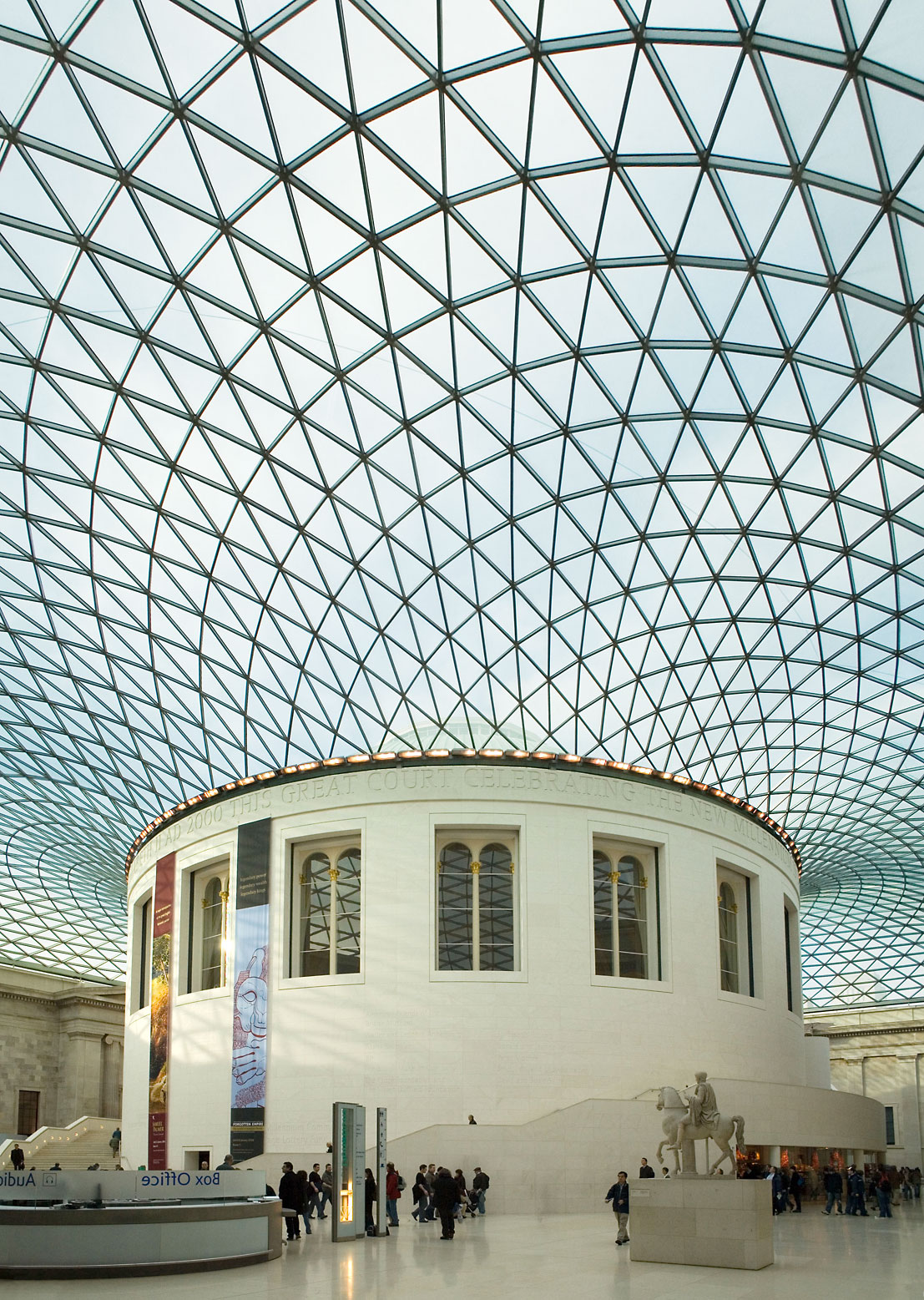
- The British Museum — the Rosetta Stone, the Parthenon sculptures, the Sutton Hoo treasure. Free. Book a timed slot online anyway to skip the security queue.
- The National Gallery — on Trafalgar Square, and one of the finest collections of European painting anywhere. Free.
- Tate Modern — a converted power station on the South Bank. Free permanent collection, paid temporary shows, and the viewing level is one of the best free views in London.
- The Natural History Museum and the Science Museum — both free, both in South Kensington, both extremely good with children.
- The V&A — decorative arts and design, free, and the courtyard cafe is the oldest museum restaurant in the world.
- The Imperial War Museum, the National Portrait Gallery, the Museum of London Docklands — all free.
- Changing the Guard, the parks, Borough Market, the South Bank walk — free.
What is worth paying for
The paid attractions are where London gets expensive, and not all of them are worth it.
- The Tower of London — around GBP 35. Expensive and genuinely worth it. Nine hundred years of history, the Crown Jewels, and the Yeoman Warder tours are included and excellent.
- Westminster Abbey — around GBP 30. Coronations, Poets’ Corner, and burial place of much of British history.
- St Paul’s Cathedral — around GBP 26, including the dome climb and the Whispering Gallery.
- Kew Gardens — around GBP 22 and a full day. One of the great botanical collections.
- The View from the Shard — around GBP 32. The highest view, though the free Sky Garden nearby books out weeks ahead and costs nothing.
- Theatre. The West End is genuinely a reason to visit. TKTS in Leicester Square sells same-day discounts.
Here is what is currently bookable in London and roughly what it costs:
Neighbourhoods, and what each is for
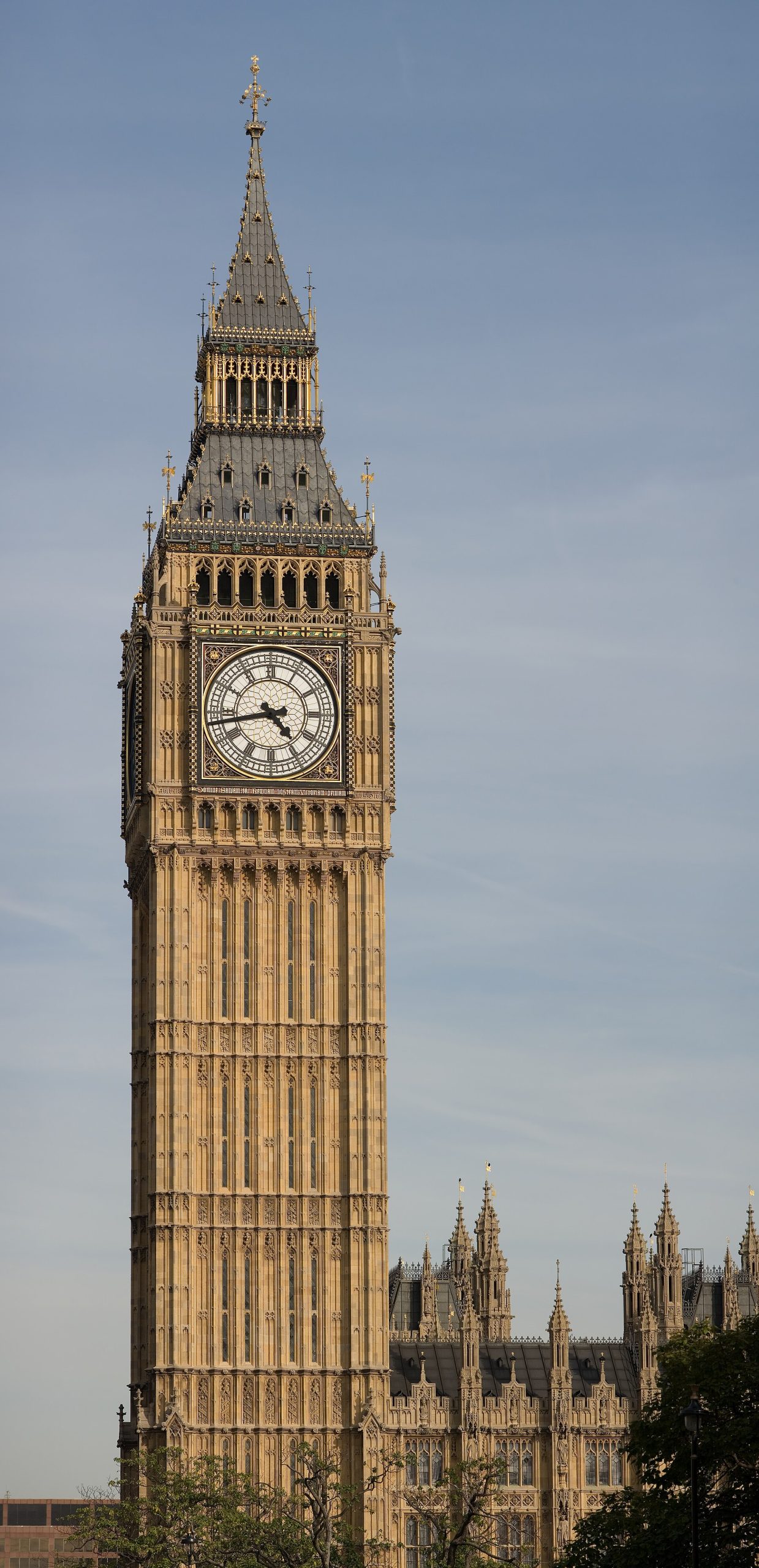
- Westminster and St James’s — the postcard London. Parliament, the Abbey, Buckingham Palace, the parks. Do it once, early, on foot.
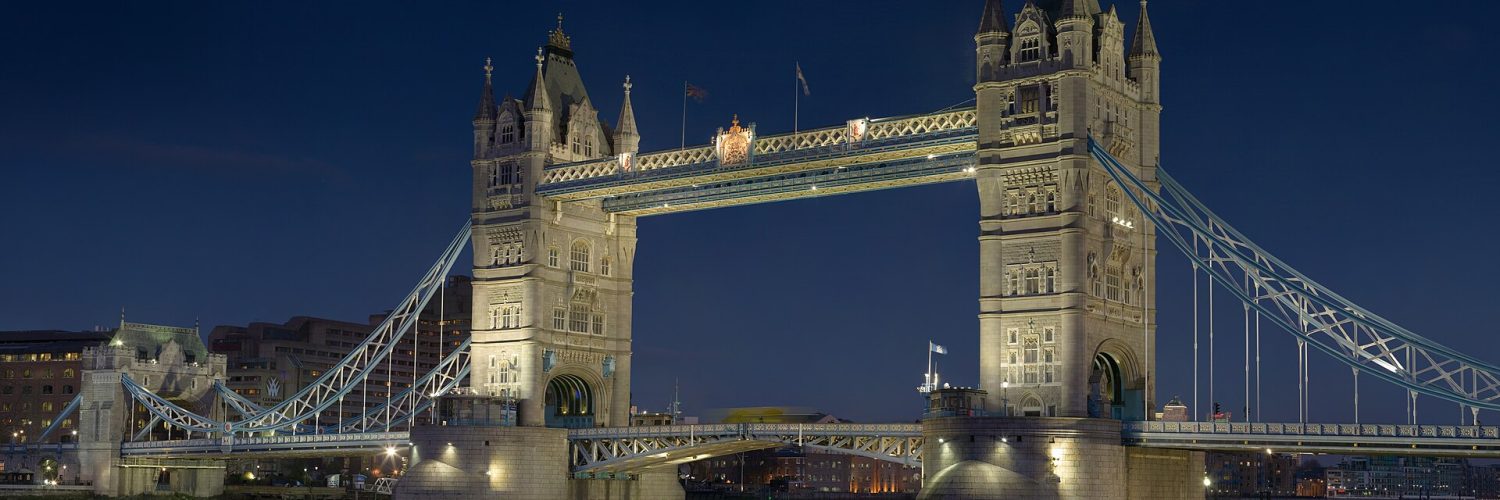
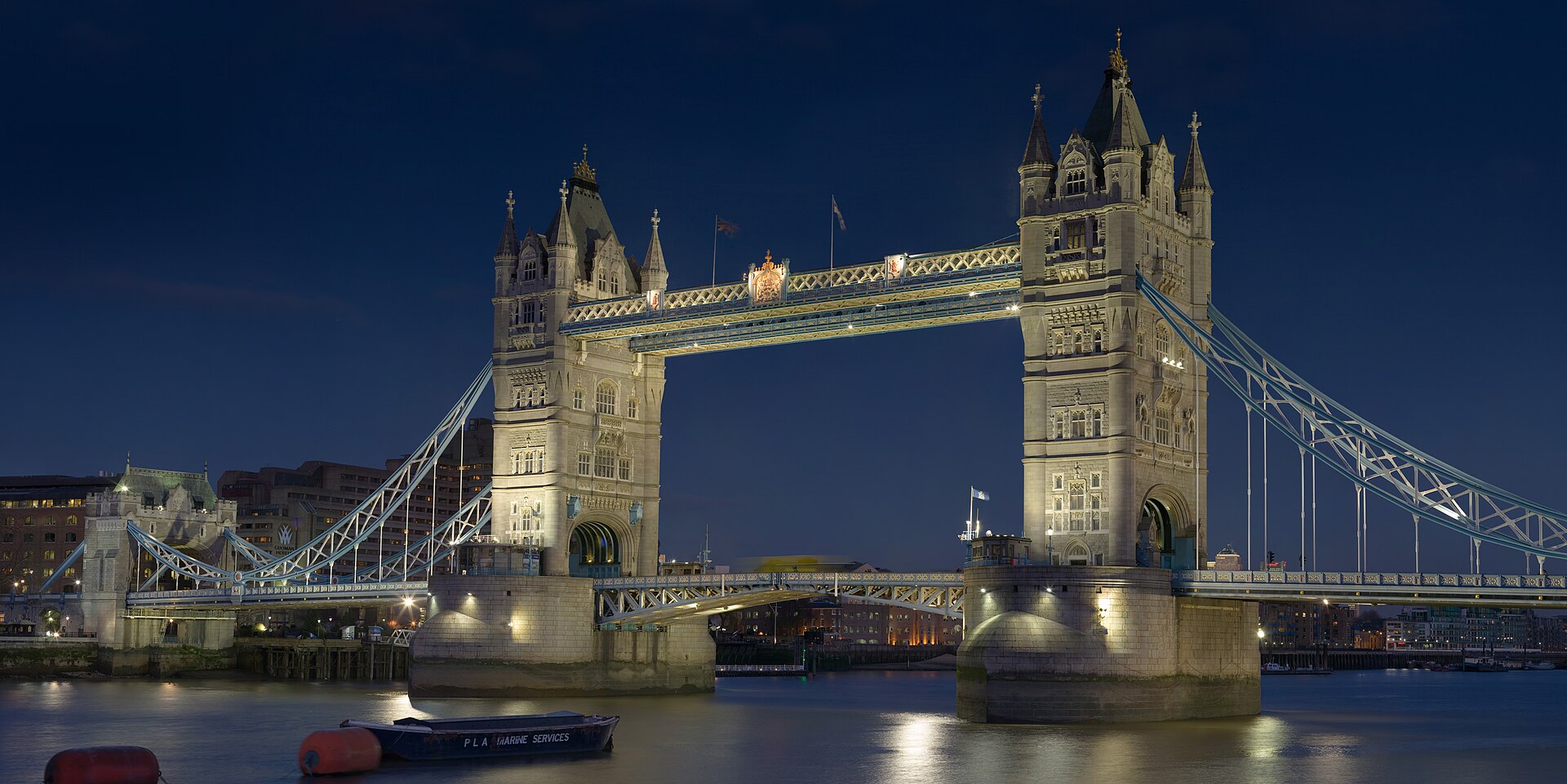
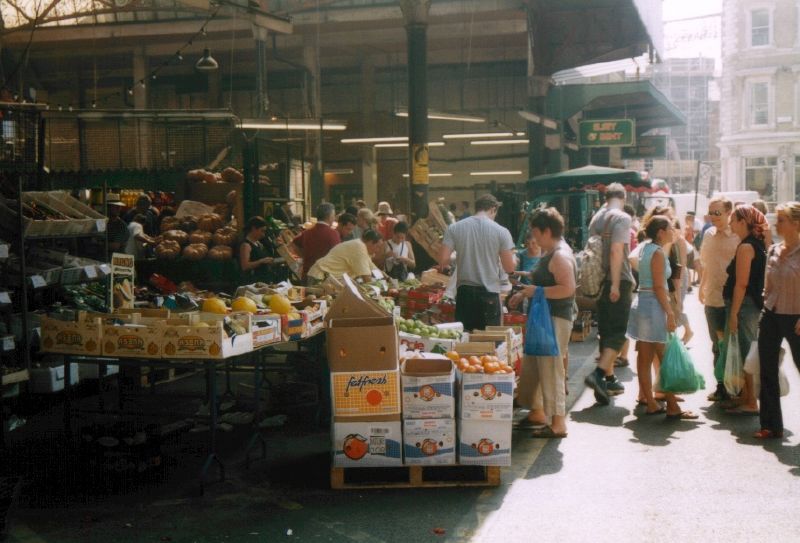
- South Bank — the riverside walk from Westminster Bridge to Tower Bridge takes about 90 minutes and passes the Tate Modern, Shakespeare’s Globe and Borough Market. The single best walk in the city.
- The City — the financial district, Roman walls, Wren churches, and almost empty at weekends, which is when to see it.
- Shoreditch and Spitalfields — street art, markets, and the best food in London.
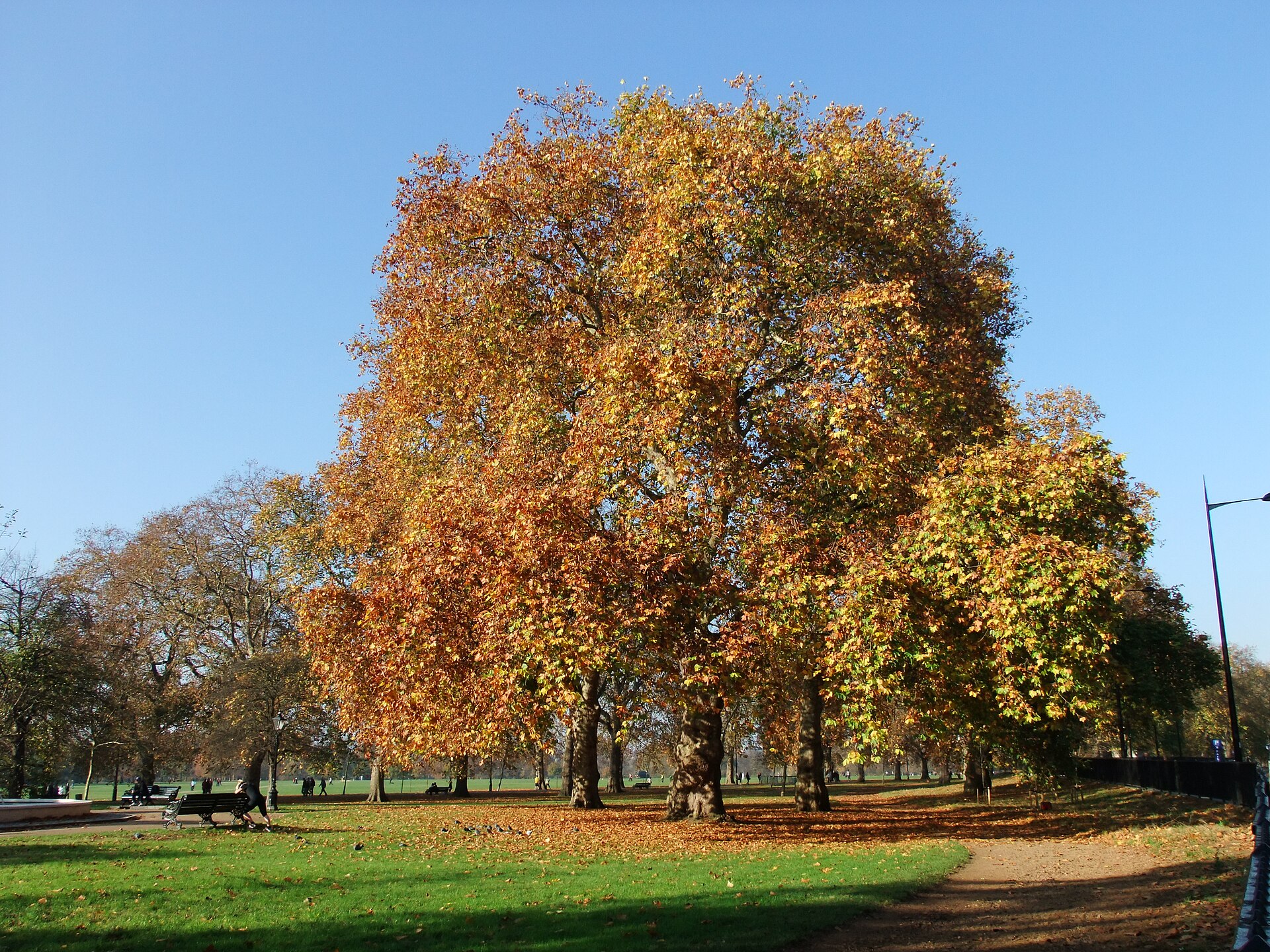
- Camden and Hampstead — the market, then the Heath, which is 320 hectares of semi-wild parkland with the best view in London from Parliament Hill.
- Greenwich — the Royal Observatory, the Cutty Sark, the Maritime Museum and a park. Reach it by riverboat rather than train; the journey is the point.
- Notting Hill and Kensington — pastel terraces, Portobello Road on Saturdays, and the free museums.
A four-day shape
- Day 1 — Westminster and the South Bank. Abbey or the exterior, Parliament, then cross the river and walk east to Tower Bridge. Tate Modern on the way.
- Day 2 — the City and the Tower. Tower of London in the morning when it opens, St Paul’s, then the City churches and Leadenhall Market.
- Day 3 — museums. British Museum in the morning, Bloomsbury and Covent Garden, then theatre in the evening.
- Day 4 — go outward. Greenwich by river, or Hampstead Heath and Camden, or Kew.
With two days: Westminster and the South Bank on one, the British Museum and the Tower on the other. Do not attempt three museums in a day; London museums are enormous and two hours each is the honest minimum.
Getting around
- Contactless is the fare system. Tap your card or phone on the reader — no ticket, no Oyster card needed. There is a daily and weekly cap, so you cannot overpay.
- The tube is fast and covers everything, but is hot and crowded at peak. Zones 1 and 2 cover almost everything a visitor wants.
- Buses are half the price of the tube, capped separately, and you see the city. The 11, 15 and 24 are effectively free sightseeing tours.
- Walk more than you think. Many central tube journeys are slower than walking once you count the escalators.
- Do not drive. The Congestion Charge and the ULEZ both apply, parking is punitive, and rental companies pass on the fines with a fee.
- Riverboats (Uber Boat by Thames Clippers) are commuter transport that happens to be scenic. Contactless works.
Where to stay
- South Bank and Southwark — walkable to the centre, better value than the West End, excellent food.
- Bloomsbury — next to the British Museum, quiet at night, well connected.
- King’s Cross — massively regenerated, best transport links in the city, good for onward travel.
- Shoreditch — nightlife and food, 15 minutes to the centre.
- Kensington and Earl’s Court — residential and calm, near the free museums, slightly further out.
London hotel rates are high and vary enormously by day of week — Sunday and Monday nights are consistently cheaper than Friday and Saturday. Compare London accommodation and check whether breakfast is included, because it frequently is not and is frequently GBP 20.
Day trips
- Oxford or Cambridge — an hour by train, and either makes a very good day.
- Bath — 90 minutes, Roman baths and Georgian architecture.
- Windsor — 40 minutes, the castle is the oldest occupied one in the world.
- Brighton — an hour to the sea, the Royal Pavilion and the Lanes.
- Canterbury or Stonehenge — both doable, both better with an early start.
Getting from the airport to your accommodation is the one leg worth arranging before you arrive — compare fixed-price transfers here:
When to go
May, June and September are the best months — long days, mild weather, and the parks at their best. July and August are busy and hotel prices peak. Winter is dark by 16:00 but the museums are indoors anyway, and December in London is genuinely lovely.
British weather is less dramatic than its reputation and more persistent. It rarely pours; it frequently drizzles. Bring a jacket in every month.
Practical notes
- Stand on the right on escalators. This is not a suggestion.
- Tipping is 10 to 12.5 percent in restaurants and often added as a service charge — check before you double-tip. No tipping in pubs.
- Pubs are ordered at the bar, not at the table, and you pay when you order.
- Tap water is free and safe, and restaurants must provide it on request.
- The London Pass bundles paid attractions, and given how much is free it only pays off if you are doing the Tower, the Shard and a river cruise in the same two days.
- Connectivity. A UK eSIM costs a few pounds — worth it since Brexit ended EU roaming reciprocity for many carriers.
Related reading
Prices are indicative for 2026 in pounds sterling. Some links on this page are affiliate links; using them costs you nothing and helps keep this site running.