
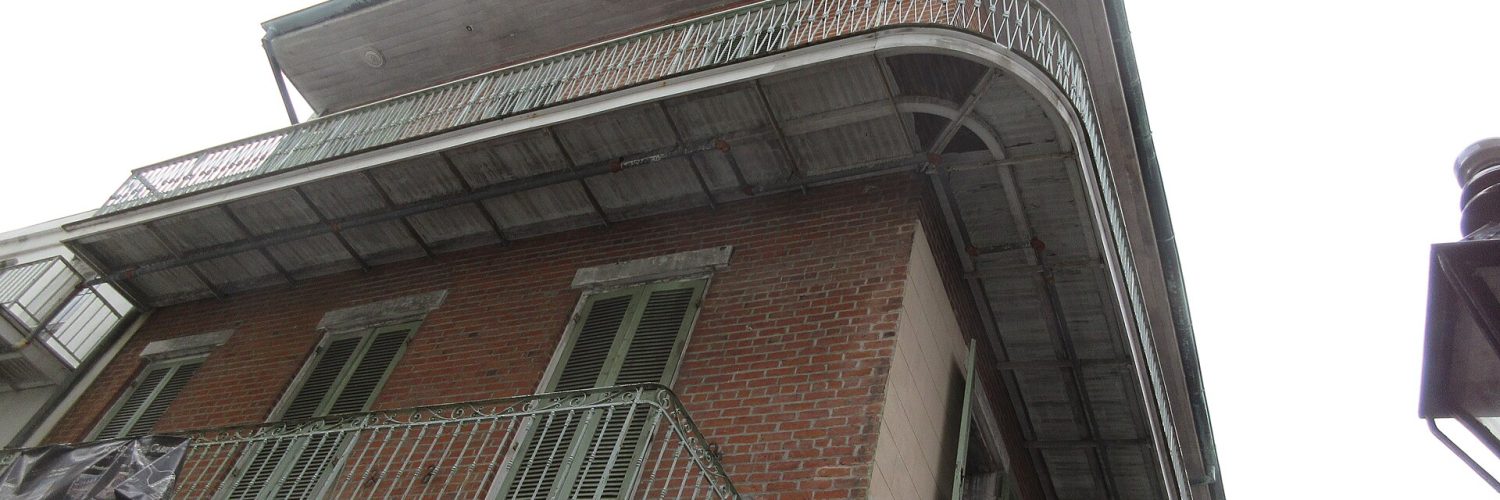
Every first-timer books the French Quarter. About half of them, around 2am on their first night, discover why locals gently suggested otherwise: a brass band on Bourbon Street does not care that your room is “quaint” and your earplugs are foam. New Orleans is a city of neighborhoods ten minutes apart that deliver completely different trips — and in 2026, the price gap between them is wide enough to fund every beignet, Sazerac and swamp tour of your stay. Here is the honest map.
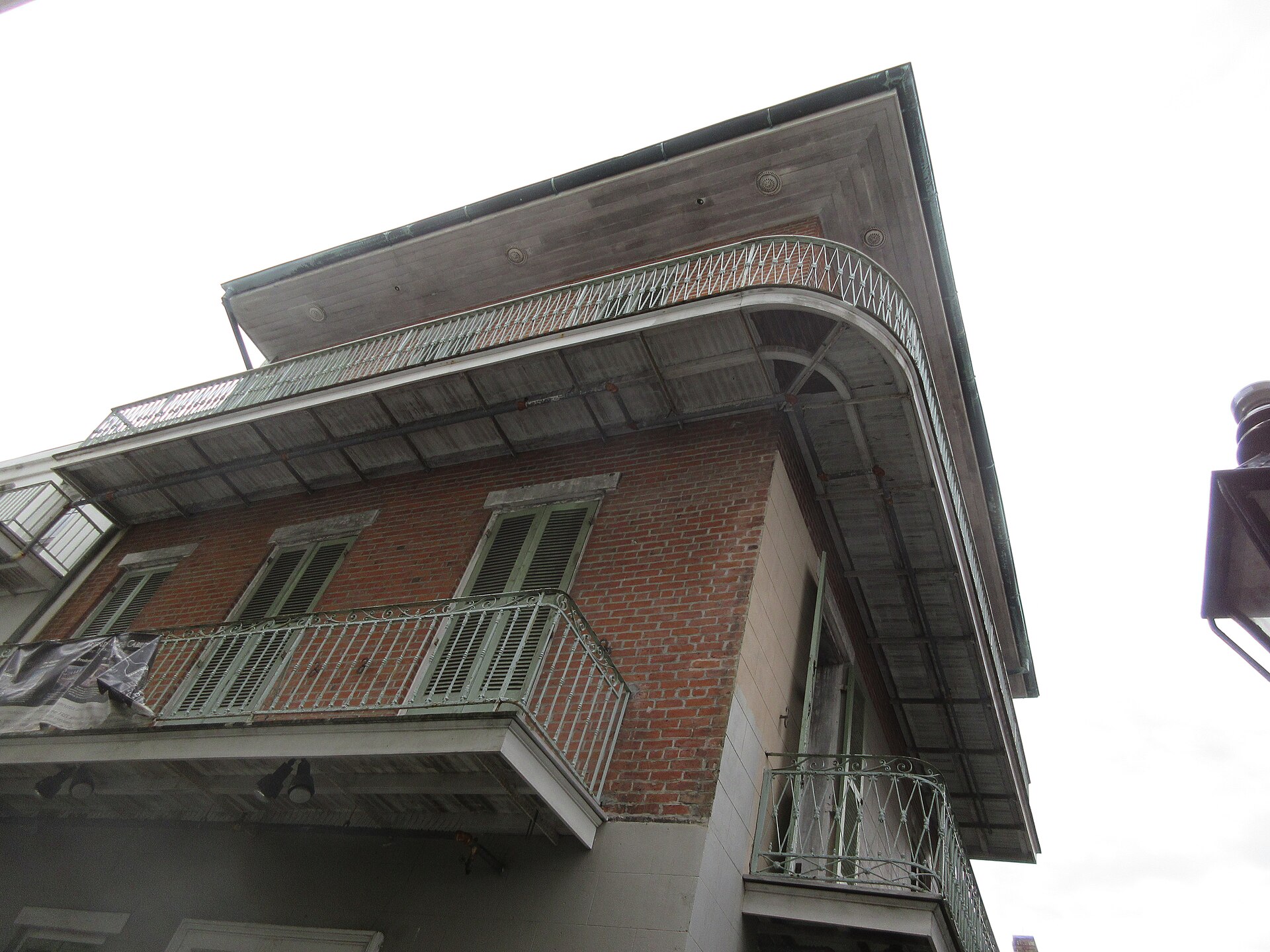
French Quarter: yes, but pick your block
The Quarter is not one place. Bourbon Street and its two flanking blocks are a 24-hour amplifier — fun to visit, brutal to sleep in. But the residential Lower Quarter, toward Esplanade Avenue, is genuinely quiet by midnight, all gas lamps and ferns and creaking balconies. Boutique hotels here run $220–380 a night in spring high season, dropping to $140–200 in the August–October heat. If you stay in the Quarter, the rule is simple: below St. Ann Street for the party, above it for sleep, and read the words “street-facing balcony room” as a noise warning, not a selling point.
Faubourg Marigny: where the music actually is
One neighborhood downriver, the Marigny is where many musicians drink and play — Frenchmen Street’s clubs (The Spotted Cat, d.b.a., Snug Harbor) offer more live jazz in three blocks than Bourbon manages in ten. Guesthouses and Creole-cottage B&Bs run $140–240, a solid $80 under equivalent Quarter rooms, and you can walk to the Quarter in 15 minutes. This is the best value-to-atmosphere ratio in the city for travelers whose priority is music rather than souvenir daiquiris.
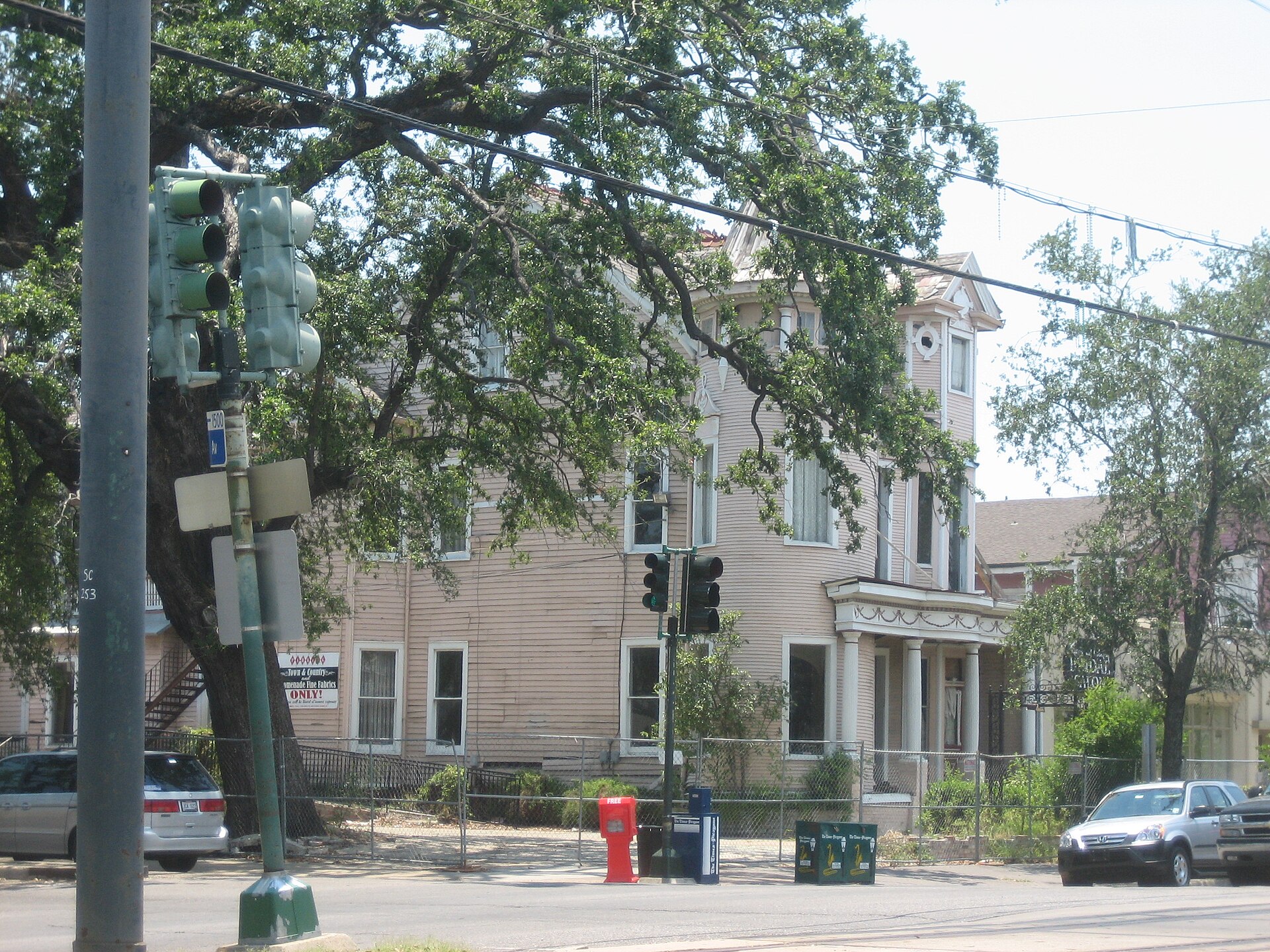
Garden District & Uptown: the streetcar cheat code
The St. Charles streetcar — the oldest continuously operating line in the world, $1.25 a ride — turns the Garden District into a legitimate base. You ride vintage 1920s cars past oak alleys and antebellum mansions straight to Canal Street in 20–25 minutes. Guesthouses and small hotels here run $130–220, the streets are leafy and quiet, and you are surrounded by the city’s best-preserved architecture plus the restaurants of Magazine Street. Families and couples who want to visit the chaos rather than marinate in it should start their search here.

CBD & Warehouse District: chain-hotel physics
The Central Business District is where the big brands cluster, which means points redemptions, predictable quality, and weekend rates of $150–260 that undercut Quarter boutiques by a wide margin — conference weekdays can invert that, so check both. The Warehouse District corner adds the National WWII Museum (routinely rated among the best museums in America) and a serious restaurant row. You trade wrought-iron romance for elevators that work. It is a ten-minute walk to the Quarter; for many travelers that distance is a feature.
Mid-City and the honest budget picture
Mid-City, along the Canal streetcar and next to City Park, is where $90–140 still buys a proper room, and Jazz Fest happens at its fairgrounds — book a year out for that. Hostel beds citywide run $30–55. Two calendar warnings govern everything: Mardi Gras (February 17, 2026) and Jazz Fest (late April–early May) triple prices and impose 3–4 night minimums, while August–October — hot, humid, hurricane-season — is when the same rooms quietly cost half. October specifically is the connoisseur’s month: temperatures break, prices haven’t fully rebounded, and Halloween here is a second Mardi Gras.
Getting around: why your hotel’s walk score matters less than its streetcar score
New Orleans is flat, walkable in patches, and served by four streetcar lines plus buses under the RTA. A single ride is $1.25; the Jazzy Pass (1 day $3, 3 days $8) pays for itself by the second ride and works via the Le Pass app. From Louis Armstrong Airport, 20 km west, a taxi runs a flat $36 for two to the Quarter or CBD, ride-share $30–45 depending on surge, and the 202 Airport Express bus $1.50 if you are traveling light and patient. Renting a car for a city stay is actively counterproductive: hotel parking runs $35–50 a night in the Quarter and CBD, and nearly everything a visitor wants sits within a streetcar-plus-walk radius. Save the rental for the day you drive out to Oak Alley or the bayous — and book it for those days only.
A word on safety, without the paranoia
New Orleans requires the same urban judgment as any big American city, applied with local specifics. The tourist core — Quarter, Marigny’s Frenchmen strip, Garden District, Magazine Street, CBD — is well-trafficked and fine on foot in the evening. The practical rules: take a ride-share rather than walking back from Frenchmen after the clubs empty, stay on the river side of Rampart Street late at night, do not wander darkened residential blocks off the Quarter after midnight, and treat anyone offering to bet they know “where you got them shoes” as street theatre with a cover charge. Solo travelers manage perfectly well here; the neighborhood you sleep in matters less than the route you walk at 1am.
What a real budget looks like per night
Beyond the room: figure $50–70 per person per day eating extremely well (a shrimp po’boy lunch at $14, dinner at a white-tablecloth Creole institution at $40–60 with a cocktail), half that if you lean on red beans, gumbo counters and happy-hour oysters. Live music on Frenchmen is usually a one-drink minimum rather than a cover. The famous carriage tours are $40–50 per person; the free alternative is simply walking the Garden District with the self-guided map every guesthouse hands out. October visitors: add a costume budget. You will want one.
How the districts compare at a glance
- First visit, want it all: Lower French Quarter — compare Quarter rates
- Live music first: Marigny/Frenchmen — see Marigny guesthouses
- Couples, families, architecture: Garden District — browse Garden District stays
- Points, predictability, museums: CBD/Warehouse District
- Budget or Jazz Fest: Mid-City
Booking windows: when the same room costs half
New Orleans pricing is event-driven to a degree that surprises even seasoned travelers. Beyond Mardi Gras and Jazz Fest, watch for Essence Festival (early July), Halloween weekend, Sugar Bowl and any Saints home playoff run — each lifts citywide rates 40–80% and imposes minimum stays. The mirror image: the last two weeks of August and the first half of September are the cheapest nights of the year, when Quarter boutiques that ask $300 in April quietly accept $130. Book refundable rates in hurricane season and check the cancellation cut-off date rather than assuming; most properties here use 48–72 hour windows, and summer storms give more notice than that. Sunday and Monday nights run 20–30% below Friday citywide, all year — a mid-week trip is the single easiest saving in this town.
One more quirk worth knowing: many historic guesthouses here are converted mansions with steep stairs and no elevator — if mobility or heavy luggage is a factor, filter for the modern CBD towers or message the property first; hosts answer quickly and honestly in this town.
The short-term rental rules that quietly shape your options
If your search keeps surfacing whole-apartment listings inside the Quarter at suspiciously good prices, it is worth understanding the legal backdrop before you pay. Short-term rentals are not a permitted use in the French Quarter’s main Vieux Carré zoning districts — VCR, VCC and VCS — and the one meaningful exception is the Vieux Carré Entertainment district, which covers the six blocks of Bourbon Street between Iberville and Orleans. Listings elsewhere in the Quarter are generally timeshare units, owner-occupied exceptions, or operating in a grey zone that can close between the day you book and the day you arrive.
Outside the Quarter the rules are strict rather than absent. The realistic route for a new host is a residential permit that requires the owner to genuinely live in the property and hold a Louisiana homestead exemption on it, and those permits are capped at roughly one per city square and allocated by quarterly lottery. The Garden District lost most of its whole-home rental stock in the same round of reform. The picture is still moving: in October 2025 a federal appeals court struck down the city’s prohibition on corporate ownership of short-term rental licences, so inventory rules may shift again.
The practical takeaway is unglamorous. In the Quarter and the Garden District, a licensed guesthouse or a small hotel is usually the more robust booking than an apartment listing, simply because it cannot be cancelled out from under you by an enforcement sweep. In the Marigny, Bywater and Mid-City, permitted rentals are far more common and that risk drops sharply.
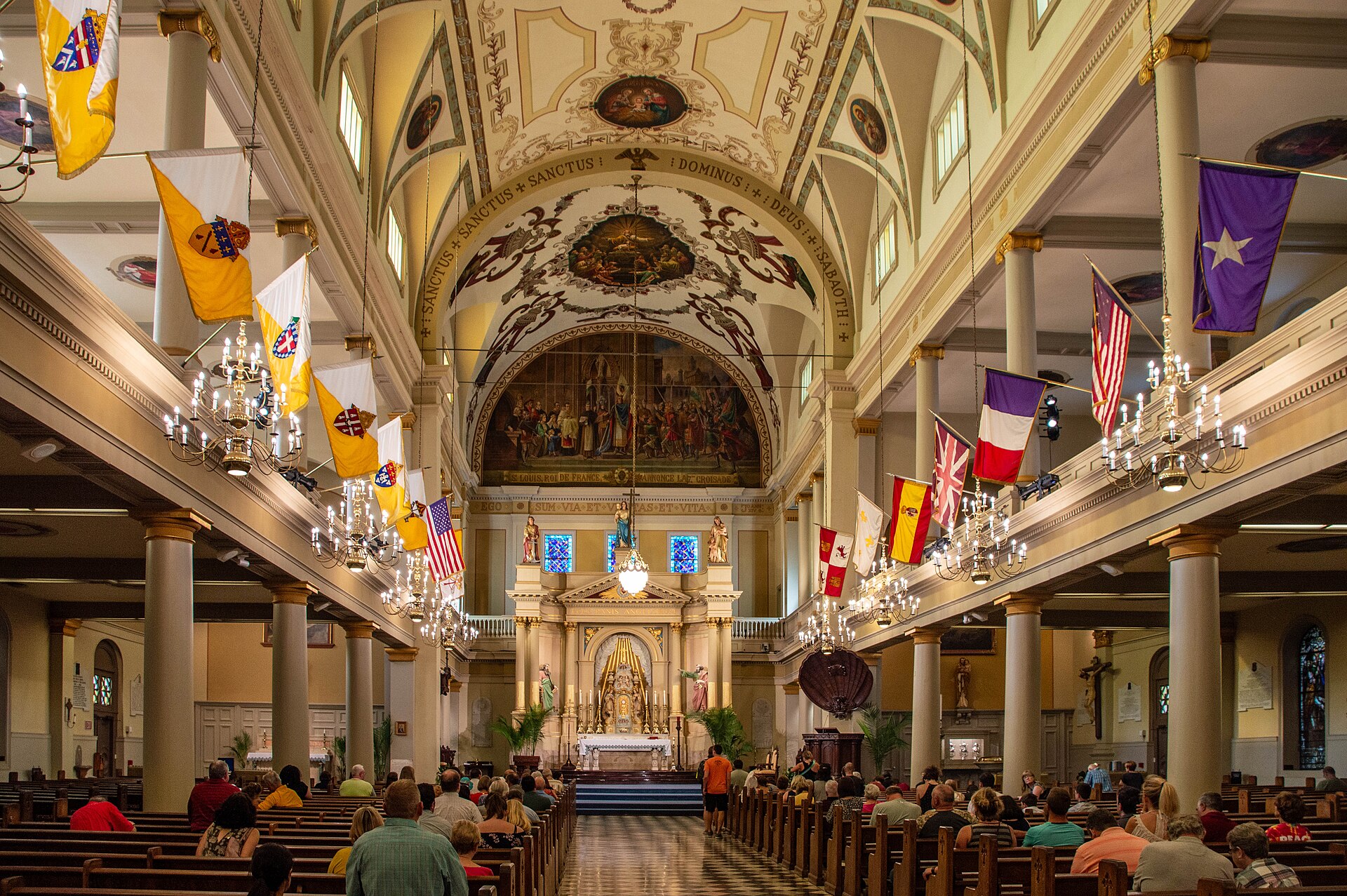
Taxes and fees: the quoted rate is not the rate
New Orleans carries one of the heavier lodging tax loads in the United States, and much of it stays invisible until the final checkout screen. The combined tax on a hotel room in Orleans Parish comes to roughly 16.35 percent, assembled from state and local sales tax plus a 4 percent Louisiana Stadium and Exposition District occupancy tax and a 3 percent Ernest N. Morial Exhibition Hall Authority tax.
Layered on top of the percentage is a flat nightly occupancy fee scaled to the size of the property: 50 cents a night at hotels with 10 to 299 rooms, one dollar at hotels with 300 to 999 rooms, and two dollars at properties of 1,000 rooms or more. On a $180 room that is close to $32 of tax before any property-level charges, so a rate that looks like a bargain against a competitor can lose to it once both are totalled.
Some properties, particularly the larger CBD and Warehouse District hotels, also apply a discretionary destination or amenity fee that is charged nightly and is not part of the tax. It is worth expanding the full price breakdown on any two shortlisted hotels before choosing, because that fee is where two apparently identical rates most often diverge.
Search availability for your dates
Planning bases in other cities the same way? Our neighborhood breakdowns for Tokyo, Buenos Aires and Sydney apply identical logic: transit line first, hotel second. And if New Orleans is one stop on a Gulf road trip, the Orlando minivan math travels well.










Add comment