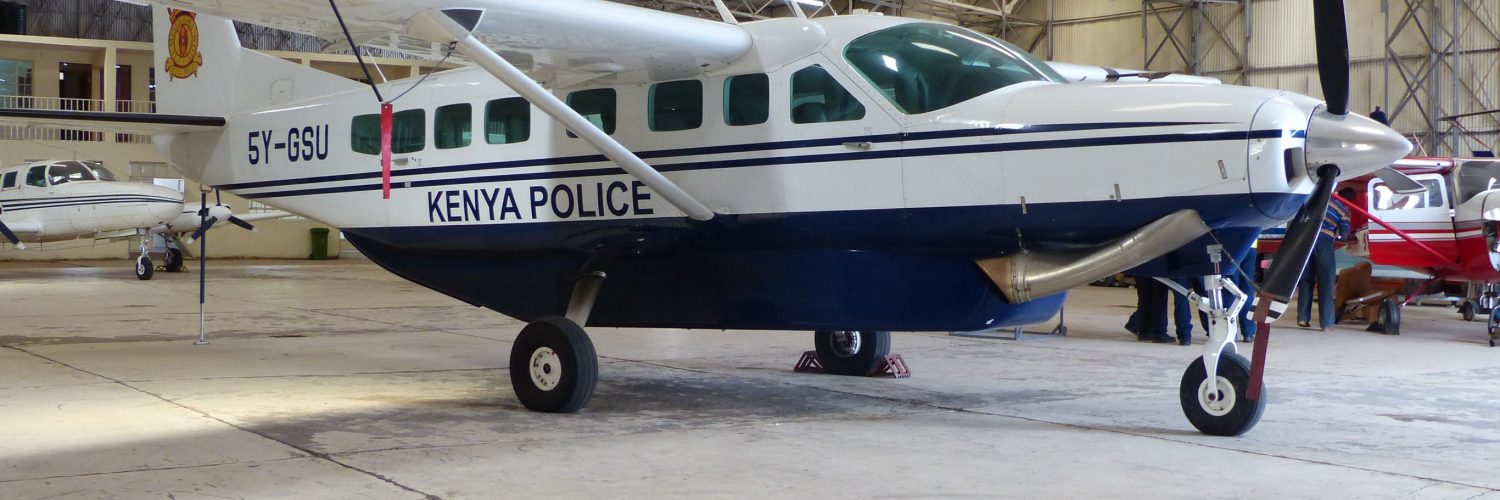
Before you compare flight prices for a Kenya trip, learn the number that actually decides what you can pack: 15 kilograms. That’s the all-inclusive weight limit — checked bag and hand luggage combined — on the light aircraft that fly most of Kenya’s safari routes, and it has to be in a soft, fully collapsible bag with no rigid frame or wheels. Show up with a 23kg hard-shell suitcase and the airline will not politely ask you to repack; they will leave part of it behind. Everything else about flying domestically in Kenya is manageable with an ordinary amount of planning. This one rule catches people out constantly, so it goes first.
Two Airports, Two Different Systems
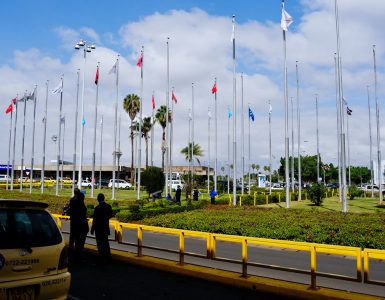
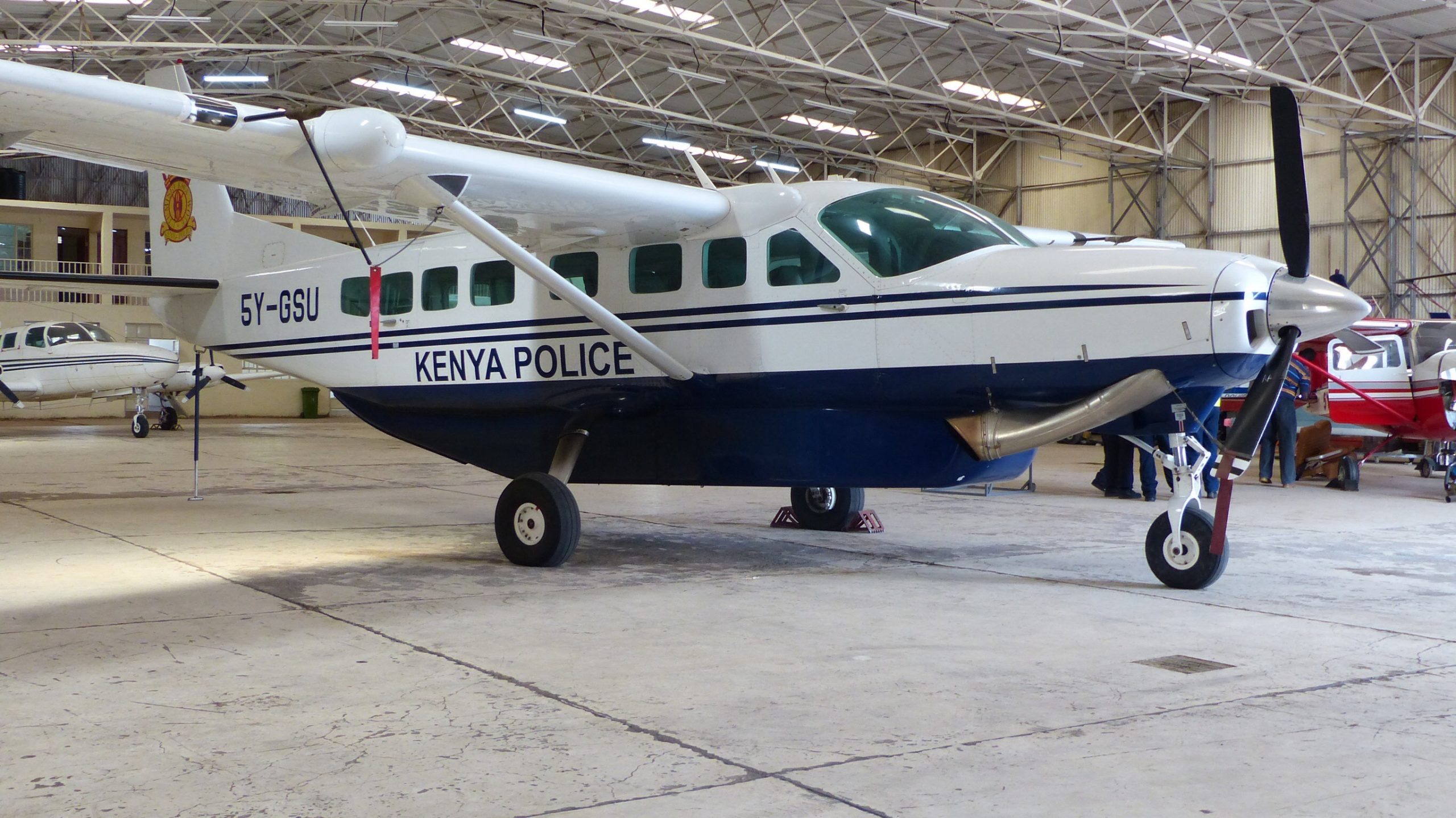
Nairobi has two airports that serve completely different purposes, and mixing them up is the most common domestic-flight mistake. Jomo Kenyatta International Airport (JKIA), about 18km east of the city center (35–60 minutes by road), is where international carriers land and where the larger domestic airlines — Kenya Airways and the budget carrier Jambojet — operate scheduled jet and turboprop service to Mombasa, Kisumu, Diani (Ukunda), and other sizeable towns. Wilson Airport, just 4km south of the CBD (15–30 minutes), is Nairobi’s dedicated domestic and safari airport: a dense network of short-haul flights on turboprops and light aircraft, run mainly by Safarilink and Airkenya, connecting the city to national parks, conservancies, and small regional airstrips that JKIA doesn’t serve at all. The two airports are 18km apart with almost no overlap in airlines or routes, so check which one your ticket actually departs from — turning up at the wrong airport for a same-day flight is a genuinely common and entirely avoidable disaster.
What Routes Actually Cost
- Nairobi → Mombasa: the busiest domestic route in the country, with Jambojet alone running 8–9 flights a day from JKIA and fares starting around KES 8,300 (roughly $65) one-way in low season.
- Nairobi → Lamu: one daily Jambojet flight from JKIA, from about KES 9,500 one-way.
- Nairobi → Kisumu: one-way economy fares typically run $80–160, though February is consistently the cheapest month to fly this route, with average fares closer to $37–54 in the deep off-season.
- Nairobi → Diani (Ukunda): one-way fares generally sit in the $100–200 range depending on season and how far ahead you book.
- Nairobi (Wilson) → Maasai Mara airstrips: Safarilink and Airkenya both run multiple daily flights to the Mara’s various airstrips (Ol Kiombo, Keekorok, Mara North, and others); fares are typically bundled into safari packages rather than sold standalone, and a single flight often makes several stops before reaching your specific lodge’s strip.
Booking roughly a month ahead can save around 24% on the JKIA routes compared with booking last-minute, and prices swing noticeably with the season — the coast routes in particular get considerably more expensive around Kenyan school holidays and the December–January peak.
The 15kg Rule, in Detail
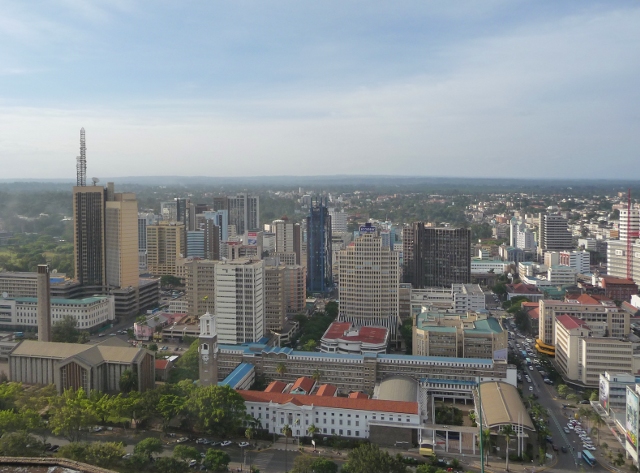
This limit applies specifically to the light aircraft used on Wilson Airport’s safari routes, not to the jet and turboprop services from JKIA, which follow normal international-style baggage allowances. On a Safarilink or Airkenya flight to the Mara, Amboseli, Samburu, or similar strips, the rule is strict and non-negotiable: 15kg total per person, combining your checked bag and anything you carry on, packed in a soft duffel-style bag with no internal frame — a hard-shell suitcase simply won’t fit into the small, irregularly shaped cargo pods on these aircraft, whatever the number on the scale says. Typical maximum dimensions are around 60 × 45 × 33cm. If you’re combining a Nairobi city stay with a Mara safari extension, the standard solution is to leave your main hard-shell luggage behind in Nairobi rather than try to travel with only 15kg for the whole trip.
Storage options for the bag you’re not taking: most Nairobi hotels will hold luggage for guests returning after a safari at no charge; many safari operators offer the same service and are generally considered the safest option since they already have a relationship with you; Safarilink and Airkenya both offer complimentary short-term storage at Wilson Airport itself for passengers flying with them; and JKIA has a 24/7 staffed storage facility for a fee if you need something more formal, with independent operators charging in the region of $10 per bag per 24 hours.
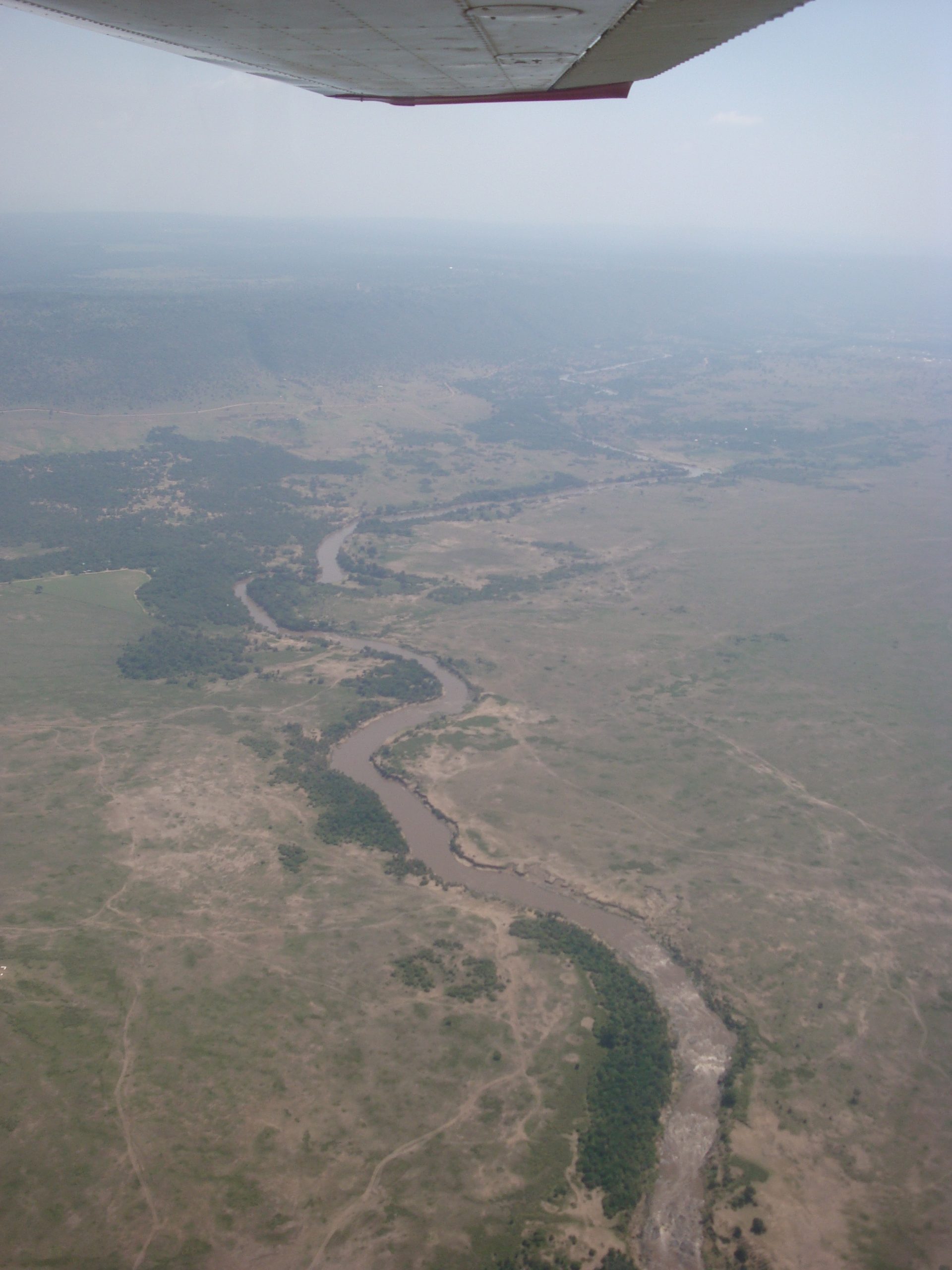
Airline choice matters more than it seems. Kenya Airways runs the coast and Kisumu routes with full-size jets and standard checked-baggage allowances, generally the most comfortable option and the easiest to combine with an international Kenya Airways ticket. Jambojet is the budget alternative on the same JKIA routes — often cheaper, but baggage is unbundled from the base fare, so check what a “cheap” fare actually includes before assuming it beats Kenya Airways once a checked bag is added. Safarilink and Airkenya, out of Wilson, are a different category entirely: smaller aircraft, fixed weight limits, and schedules built around lodge transfer times rather than passenger convenience, which is normal for this kind of flying and not a sign of a lesser airline.
A few timing details are easy to miss. Safari-route flights out of Wilson generally depart in the morning, both because early light is calmer for flying over the savannah and because afternoon thermal turbulence over the Rift Valley makes for a bumpier ride later in the day. Check-in for these flights is typically 30–45 minutes before departure, noticeably shorter than JKIA’s international-style two-hour recommendation, but arrive early anyway if you’re being weighed along with your luggage — some airlines weigh passengers too, and lodges usually warn guests about this in advance. If you know you’ll be over the 15kg limit, most of the safari airlines let you buy extra kilos in advance online, which is meaningfully cheaper than negotiating an excess-baggage fee at the check-in desk on the day.
Booking a Transfer or a Place to Stay
Whichever airport you land at, arranging a transfer ahead of time removes one variable from a day that already involves an internal flight connection:
And if your itinerary has you overnighting near either airport before an early connection — a common pattern for anyone combining Nairobi, the Mara, and the coast in one trip — it’s worth locking in a hotel near whichever airport you’re departing from rather than crossing the city at 5am:
When a Domestic Flight Isn’t Worth It
Not every internal leg needs a plane. Nairobi to Naivasha or Nakuru, for instance, is a manageable two-to-three hour drive on a decent road, and a self-drive rental gives you the flexibility to stop at the Rift Valley viewpoints along the way — something no flight schedule allows for. For routes under about three hours by car, weigh the flight’s cost and the drive to and from two separate airports against simply renting a vehicle for the whole loop:
For anything further — the coast, Lamu, or western Kenya around Kisumu and Lake Victoria — the roughly hour-long flight is worth it against what would otherwise be a six-to-nine hour drive.
Quick Reference
- JKIA: Kenya Airways and Jambojet, for Mombasa, Kisumu, Diani, and other larger towns.
- Wilson Airport: Safarilink and Airkenya, for the Mara, Amboseli, Samburu, and other safari airstrips.
- 15kg all-inclusive weight limit, soft bags only, on every Wilson Airport safari route.
- Book about a month ahead where possible; February is the cheapest month for the Kisumu route specifically.
- Arrange luggage storage in Nairobi before flying to a safari airstrip — your hotel or safari operator is usually the simplest option.