Lima is the second-driest capital city on earth. It sits in a coastal desert that receives a few millimetres of rain a year, and yet for roughly eight months of it the city is under a low grey ceiling of fog so persistent that locals gave it its own name: the garua. Understanding that one fact changes how you plan a trip here. Come in July expecting beach weather and you will spend four days under what looks like a permanent overcast Tuesday in Manchester. Come in February and the same city is bright, hot and completely different.
This guide is built around that seasonality, and around a second thing most Lima write-ups skip: Lima is not a city you walk end to end. It is ten million people spread across 43 districts along 40-odd kilometres of clifftop coast. Where you base yourself matters more here than in almost any other South American capital.
Why Lima looks the way it does
The Humboldt Current runs up the Peruvian coast carrying cold water from the Antarctic. Cold water offshore, warm air above, and the Andes blocking any moisture from the east produce a strange result: near-total aridity plus near-total cloud cover. Lima almost never rains but is damp for half the year. Nothing grows without irrigation, which is why the city’s green parks feel like statements rather than accidents.
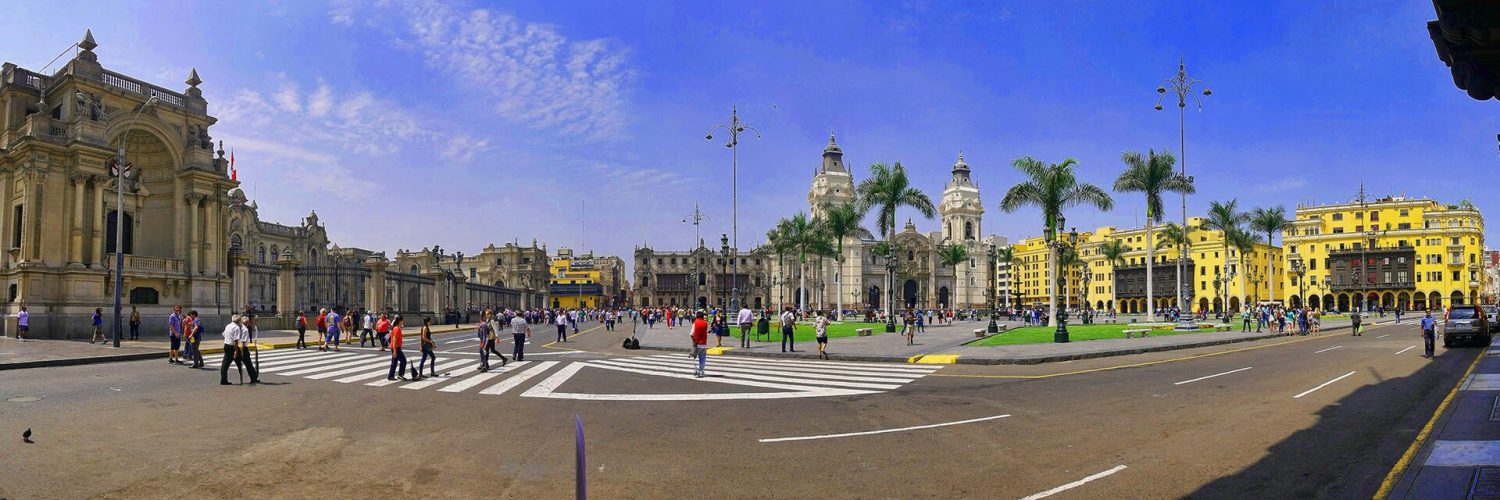
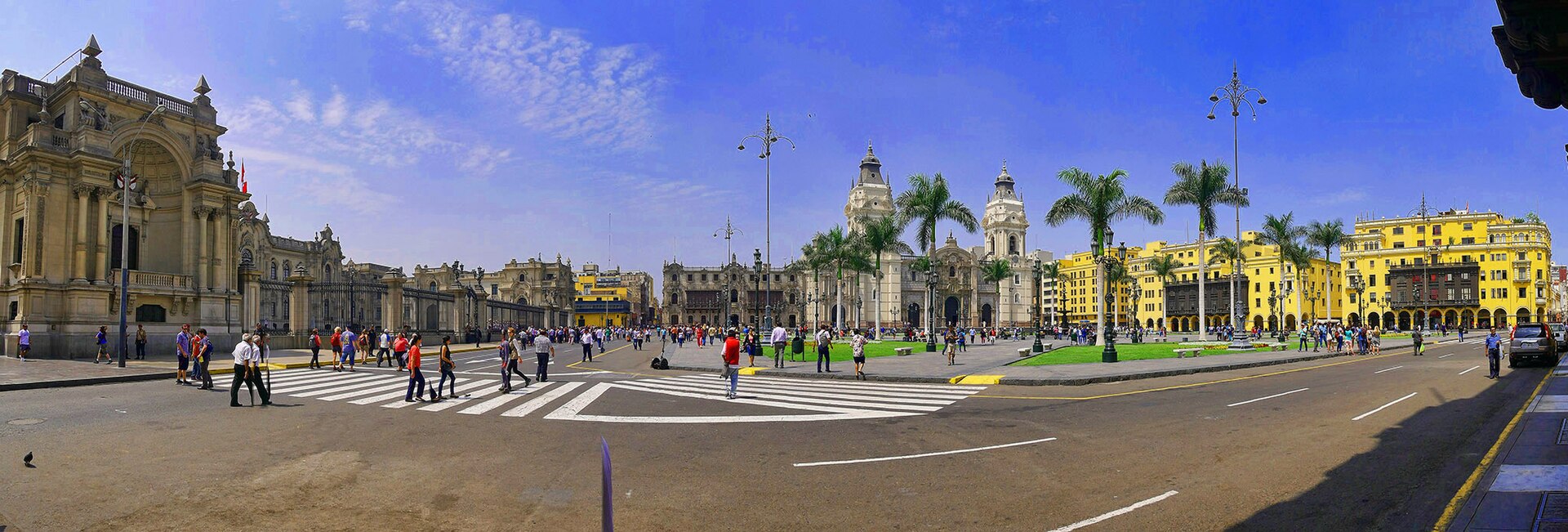
The second shaping force is the Spanish. Francisco Pizarro founded Lima in 1535 and made it the administrative capital of Spanish South America for nearly three centuries. That is why the historic core has the scale of a much richer city than Peru was at independence, and why the money and viceregal architecture cluster inland around the Plaza Mayor rather than on the sea. Lima was built with its back to the Pacific. Only in the last few decades has the clifftop become the desirable address.
Getting in from Jorge Chavez
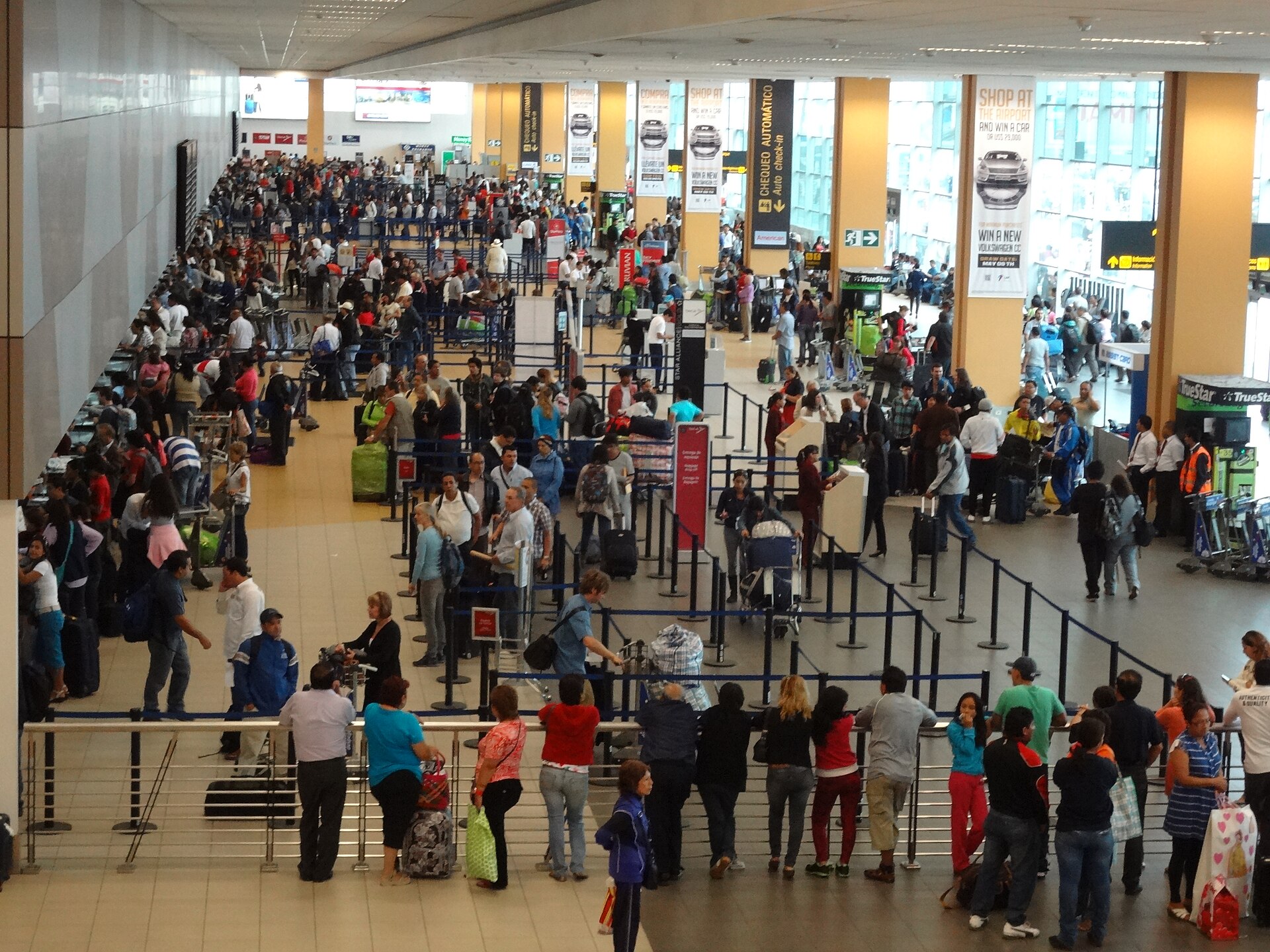
Lima’s airport moved into an entirely new terminal in 2025, with all scheduled flights operating from it since 1 June that year. Access is now via Avenida Morales Duarez, and the walk from gate to kerb is considerably longer than it used to be. Budget more time than old guidebooks suggest, in both directions.
Three sane ways into the city:
- Licensed airport taxi or pre-booked transfer. Expect roughly S/60 to S/75 to Miraflores off-peak, and S/80 to S/95 at rush hour. Journey time is 45 to 70 minutes depending on traffic, which in Lima is genuinely unpredictable.
- Airport Express Lima. An official coach with luggage bays and Wi-Fi that runs to several central stops. Fares start around S/15. Slower, far cheaper, and it drops you in Miraflores rather than at a random corner.
- Ride-hailing apps. Uber, Cabify and DiDi all operate. Pickup zones at the new terminal have moved at least twice since it opened, so follow the app’s instructions rather than your instinct.
What you should not do is accept a ride from anyone who approaches you inside or outside the terminal. This is the single most common tourist scam in Lima and it has not gone away. If you want the decision made before you land, our full breakdown of options is in the Lima airport transfer guide.
What you should book ahead, and what it costs
Lima is not a city where you need to reserve everything weeks out. Two exceptions matter. First, the tasting menus: the restaurants that made Lima famous internationally book out months ahead, and walking up is not a strategy. Second, anything timed and small-group, such as the Islas Palomino boat trips or catacomb tours at busy hours.
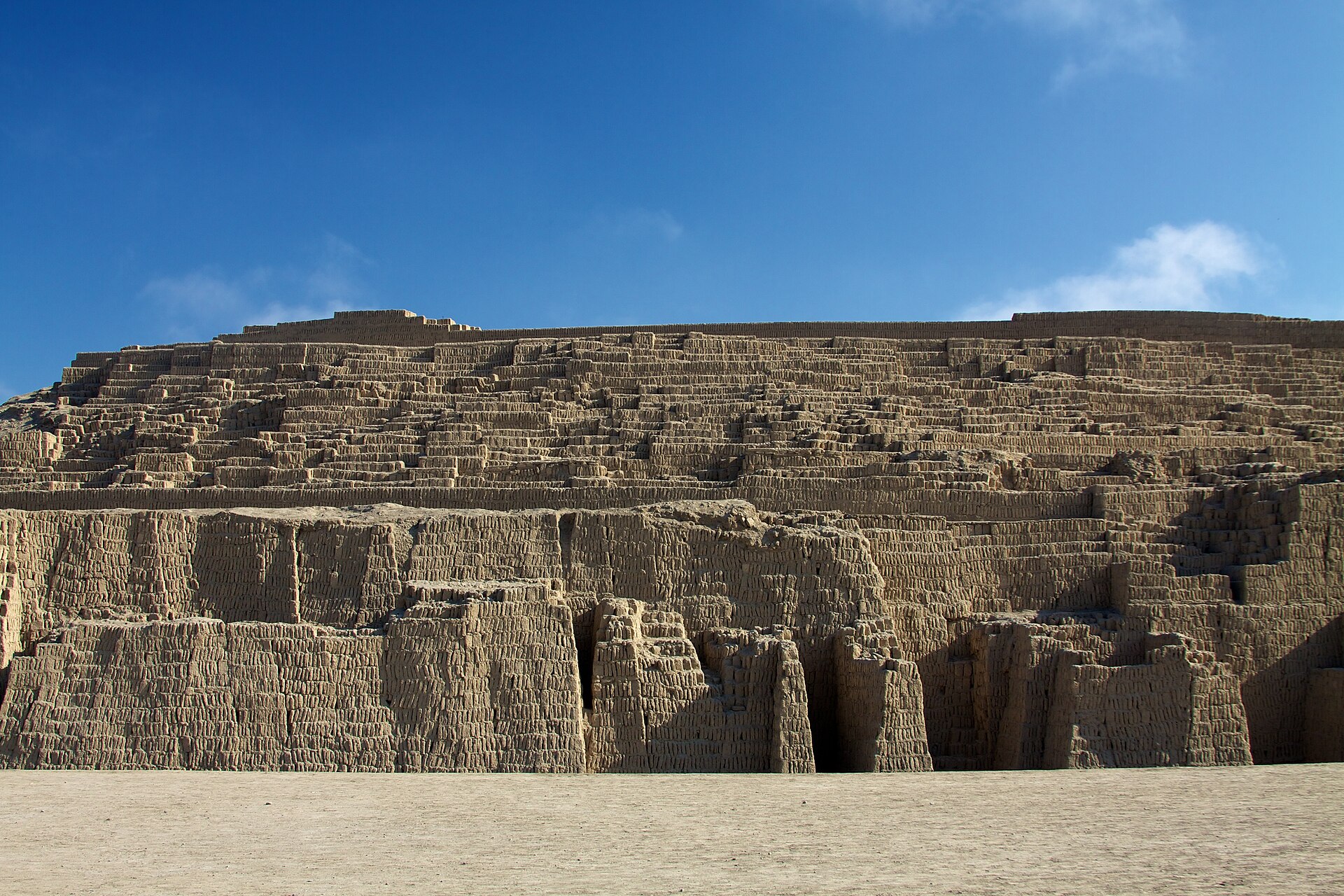
Most museums and archaeological sites here still sell tickets at the door without much of a queue. Where advance tickets genuinely help is skipping the mid-morning tour-bus crush at Huaca Pucllana and the San Francisco monastery.
Rough entry prices to calibrate against, in soles: the Larco Museum is the most expensive major museum in the city and worth it; Huaca Pucllana charges a modest fee that includes a compulsory guide; the Circuito Magico del Agua fountain park costs a few soles and is one of the best-value evenings in Lima. Prices shift each year, so treat these as ranking rather than gospel.
What is free and just as good
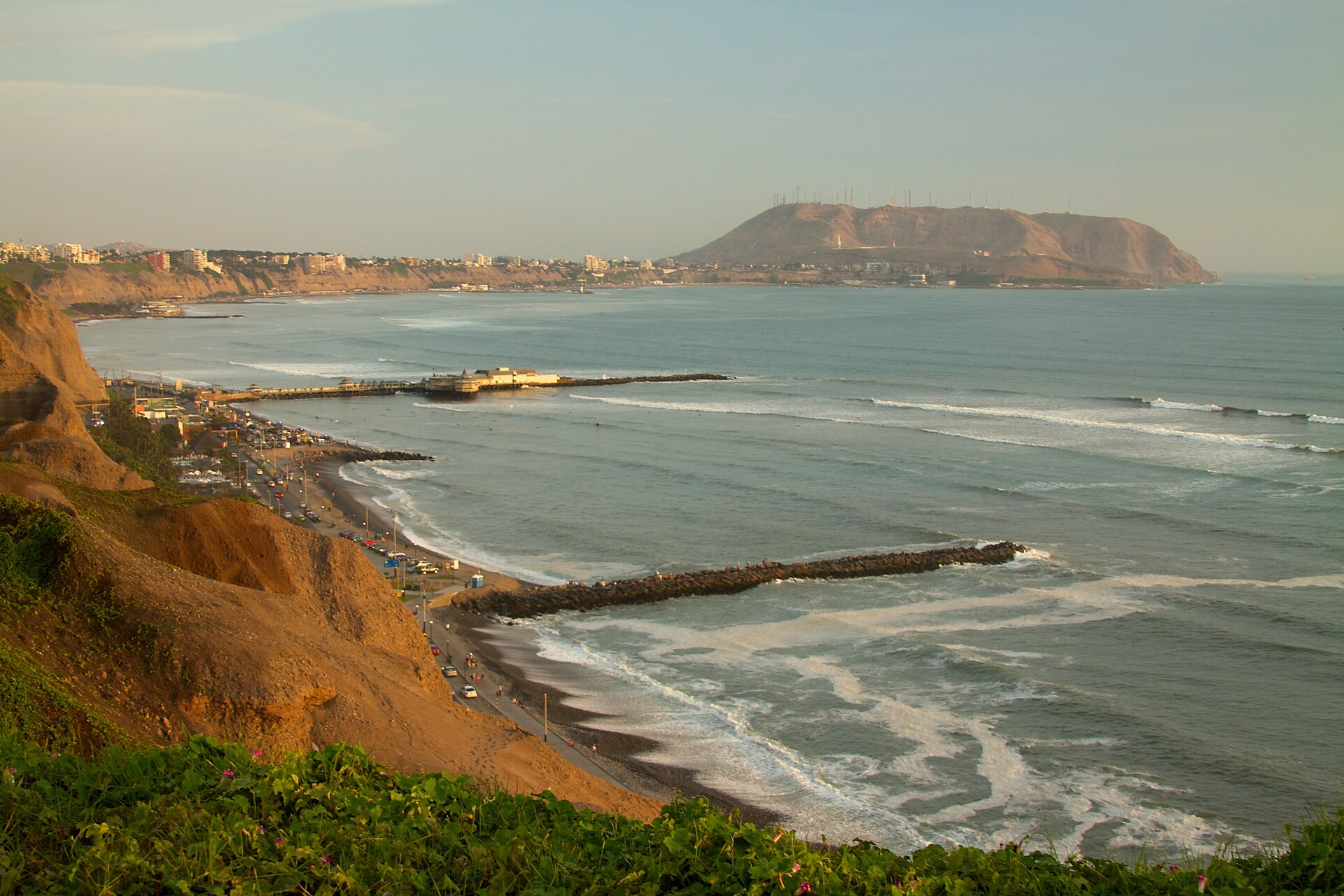
The Malecon is the answer to most questions about a free afternoon in Lima. It is a continuous clifftop park roughly ten kilometres long running above the Pacific through Miraflores and into Barranco, with lawns, cliff-edge paths, a paragliding launch site and the much-photographed Parque del Amor. Walking the whole thing takes about two and a half hours and is the single best orientation to the city.
Also free: the Bosque El Olivar in San Isidro, a grove of olive trees planted in the 1560s and still producing; the Bajada de Banos and the Puente de los Suspiros in Barranco; and wandering the Plaza Mayor and the surrounding colonial streets in the centre. Several of Lima’s contemporary galleries in Barranco charge nothing.
The districts, and what each one is actually for
Miraflores is where most visitors stay and there is no shame in it. It is safe, walkable, well lit, sits on the clifftop and has the highest density of restaurants and hotels in the city. The trade-off is that it can feel like an international neighbourhood that happens to be in Peru.
Barranco is the one to stay in if you want character over convenience. Nineteenth-century seaside mansions, street art, small bars, the best independent bookshops and the highest concentration of live music. It is roughly 20 minutes from Miraflores and gets noisy at weekends.
San Isidro is corporate, leafy and quiet, with the city’s best-value high-end hotels because they price for business travellers who vanish at weekends. Little nightlife.
Centro Historico holds the Plaza Mayor, the cathedral, the San Francisco catacombs and the government palace. Almost nobody stays here and that is a reasonable call: it empties out and feels less comfortable after dark, though daytime is straightforward.
Callao, the port, contains the Monumental Callao art district, which is genuinely excellent and genuinely surrounded by an area you should not wander out of. Go, but go with a plan for getting back.
A workable three to four days
Day one. Historic centre in the morning: Plaza Mayor, the cathedral, and the San Francisco monastery catacombs. Lunch in the centre, then the Larco Museum in Pueblo Libre in the afternoon. Finish at the Circuito Magico del Agua after dark.
Day two. Miraflores. Huaca Pucllana first thing before the heat and the crowds, then the Malecon south on foot, lunch at a cevicheria, and the afternoon in Barranco. Sunset from the Puente de los Suspiros area.
Day three. Day trip. Pachacamac, the enormous pre-Inca sanctuary about 30 km south, is the obvious one and takes half a day. The alternative is the Islas Palomino boat from Callao to see the sea lion colony, which is a full morning and cold even in summer.
Day four. San Isidro’s El Olivar and Huaca Huallamarca in the morning, MALI or the Museo Amano after lunch, and a proper long dinner. If you are heading on to Cusco or Arequipa, this is your buffer day, and our guide to domestic flights in Peru covers the routes.
Eating, which is the actual reason to come
Lima has a serious claim to being the best eating city in the Americas, and it does not depend on the famous tasting menus. Three things to know.
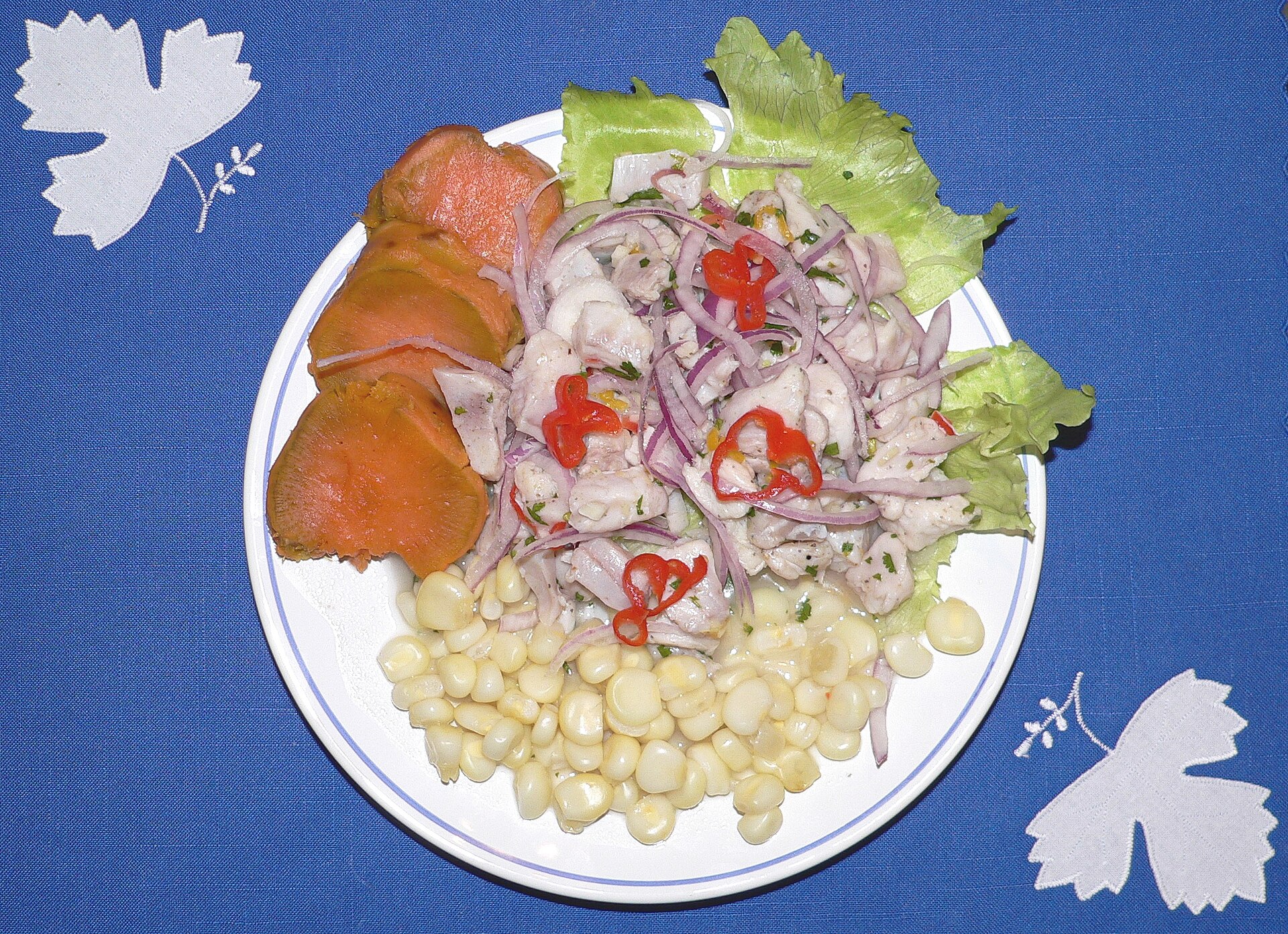
First, ceviche is lunch food. Traditional cevicherias close in the afternoon because the fish came in that morning and will not be sold the next day. A place serving ceviche at 10pm is serving tourists.
Second, Lima’s food is defined by immigration. Chifa is Chinese-Peruvian and has been part of the city for 150 years. Nikkei is Japanese-Peruvian and is where much of the modern innovation happens. Neither is a fusion gimmick; both are older than most people’s grandparents.
Third, the cheap food is excellent. A menu del dia at a neighbourhood restaurant gets you soup, a main and a drink for single-digit soles. Sandwich counters, anticucho grills on street corners at night, and the fruit at Mercado de Surquillo will feed you better than most mid-range restaurants.
Getting around
The Metropolitano is a segregated bus rapid transit line running north-south along the Via Expresa, and it is fast, cheap and useful if your journey happens to match its route. Metro Line 1 serves districts most visitors never see. Between them they cover perhaps a third of what you will want to do.
For the rest, use ride-hailing apps. They are inexpensive by international standards, they remove the fare negotiation, and they create a record of the trip. Street taxis in Lima are unmetered and you must agree the price through the window before getting in. The combi minibuses are cheap and chaotic; ride one for the experience, not for reliability.
Where to stay
Rates in Lima are among the more reasonable in South American capitals, and the gap between a serviceable hotel and a very good one is smaller than you would expect. Miraflores for a first visit, Barranco for a second, San Isidro if you want quiet and a pool.
Day trips and getting out of the city
Pachacamac is the closest and most worthwhile. Caral, roughly 200 km north, is the oldest known city in the Americas at around 5,000 years old and receives startlingly few visitors. South, the Paracas reserve and the Huacachina oasis are four to five hours away and better as an overnight than a day trip.
If you are combining Lima with the coast south, a car makes sense, though driving inside Lima itself does not. Pick the vehicle up on the way out of town rather than at the airport, and read the insurance terms rather than the headline rate.
When to go
December to April is Lima’s summer: sunny, 25 to 28C, and the only time the beaches make sense. This is also when Peruvians take their holidays, so the coast south of the city fills up.
May to November is garua season: 14 to 19C, damp, and grey almost every day. Museums, food and the historic centre are unaffected, and hotel rates are lower. If Lima is a two-day stopover on the way to Cusco, this genuinely does not matter. If Lima is the trip, it does.
Practical notes, including the unglamorous ones
- Phone snatching is the crime you are most likely to encounter, usually from a passing motorcycle. Do not walk along a main road with your phone out. This is not paranoia; it is the standard local behaviour you should copy.
- Altitude is a non-issue in Lima, which is at sea level. If you are flying on to Cusco at 3,400 m, do not treat Lima as acclimatisation. It is not.
- Tap water is not recommended for drinking. Bottled or filtered, including for ice at very cheap places.
- Traffic is the real hazard. Pedestrian crossings are advisory. Cross with locals.
- Cash still matters at markets and small restaurants. Cards are near-universal in Miraflores, San Isidro and Barranco.
- What is not worth it: the Miraflores clifftop shopping centre as a destination in itself, and organised half-day city tours that spend most of their time in a bus in traffic. Lima rewards two districts done slowly over six done from a window.
Further reading
- Lima airport transfers: options and current prices
- Domestic flights in Peru
- Staying connected in Peru
- Things to do in Buenos Aires