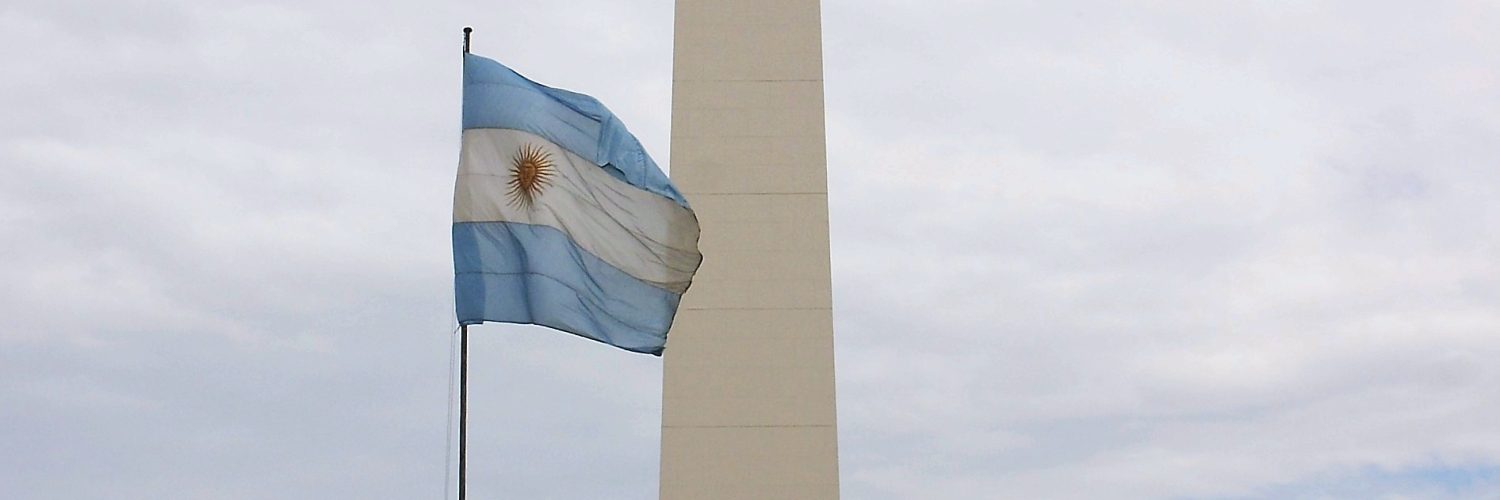
Buenos Aires is the rare capital that was built with its back to its own river. The Río de la Plata is right there — 220 kilometres wide at its mouth, the widest river on earth — and for most of the twentieth century the city arranged itself so that almost nobody could see it. Understand that one decision and the rest of the city stops being confusing: why the grand avenues run inland, why the old port district feels like an afterthought, why the money moved north and never came back.
This guide covers what to pre-book, what is free, what a realistic three or four days looks like, and one piece of admin that quietly decides what your whole week costs. Prices below were checked in August 2026 and Argentina revises them often, so treat them as the shape of the cost rather than a quote.
The thing to sort out in your first hour: the SUBE card
Start here, because it changed recently and it is the single cheapest thing you can get right. SUBE is the contactless card that covers the Subte (metro), the colectivos (city buses) and the commuter trains. As of 6 August 2026 Argentina moved to a two-tier fare structure: passengers using a registered SUBE card pay the subsidised fare, while anyone tapping an unregistered card or a foreign credit card pays a “non-subsidised” rate that is close to double.
In practice, an unregistered tap runs roughly ARS 1,137–1,458 on a bus depending on distance — call it US$0.85 to US$1.10 — and a Subte ride tapped with a credit card lands around US$1.05. Registering the card brings those down substantially. The card itself costs about US$2–3 and is sold at Subte stations, official tourist assistance centres and a great many neighbourhood kiosks.
If you are in town for three days and taking four rides a day, the difference is small in absolute terms. If you are here for two weeks, it is a dinner. Either way, buying the card takes five minutes and registering it takes about the same, so there is no real argument for skipping it. Colectivos in particular accept nothing else — no cash, no card.
Why the city looks like this
Two events shaped the map more than any architect did. The first was the yellow fever epidemic of 1871, which hit the low, damp southern districts hardest. San Telmo at the time was where wealthy porteño families lived. Within a few years most of them had abandoned their houses and moved north and uphill, to the higher ground that became Recoleta and Barrio Norte. The grand houses they left behind were subdivided into tenements — the conventillos — and the city acquired a north–south wealth split that it still has 150 years later. When people tell you the south feels different, this is why.
The second was the wave of immigration between roughly 1880 and 1930, when Argentina took in millions of people, mostly Italians and Spaniards. That is where the accent comes from, where the food comes from, and why a city in South America has a Beaux-Arts opera house and streets of French-looking apartment blocks. The nickname “the Paris of South America” is a cliché, but it describes a deliberate act: a newly rich republic buying European architecture by the block.
Arriving: Ezeiza is further out than you think
Most long-haul flights land at Ezeiza (EZE), roughly 35 km from the centre. The domestic airport, Aeroparque (AEP), is inside the city and a completely different proposition — if you have a connection, check which one you are flying from.
From Ezeiza the established shuttle is Manuel Tienda León, running to its own terminal in Retiro. Booked online the fare has been around ARS 8,000; bought at the airport counter it is closer to ARS 13,000, which is a large enough gap to be worth two minutes on your phone in the baggage hall. Departures run frequently and the trip takes 50–60 minutes depending on traffic. Note that the shuttle market thinned out in 2026 when Neo Traslados exited, so the express options are more concentrated than older guides suggest.
The honest case for a pre-booked private transfer is not luxury, it is arrival time and cash. Many flights from Europe and North America land early morning or late evening, you will not yet have pesos, and the exchange situation rewards planning rather than improvisation at an airport counter. If you would rather have a name on a card and a fixed price, this is where to arrange it:
If you have flown in from elsewhere in the region, our Lima airport transfer guide and guide to domestic flights in Peru cover the two connections travellers most often pair with Buenos Aires.
What to book ahead, and what it costs
Buenos Aires is not a city with brutal queues. There are only a few things where booking ahead genuinely changes your day.
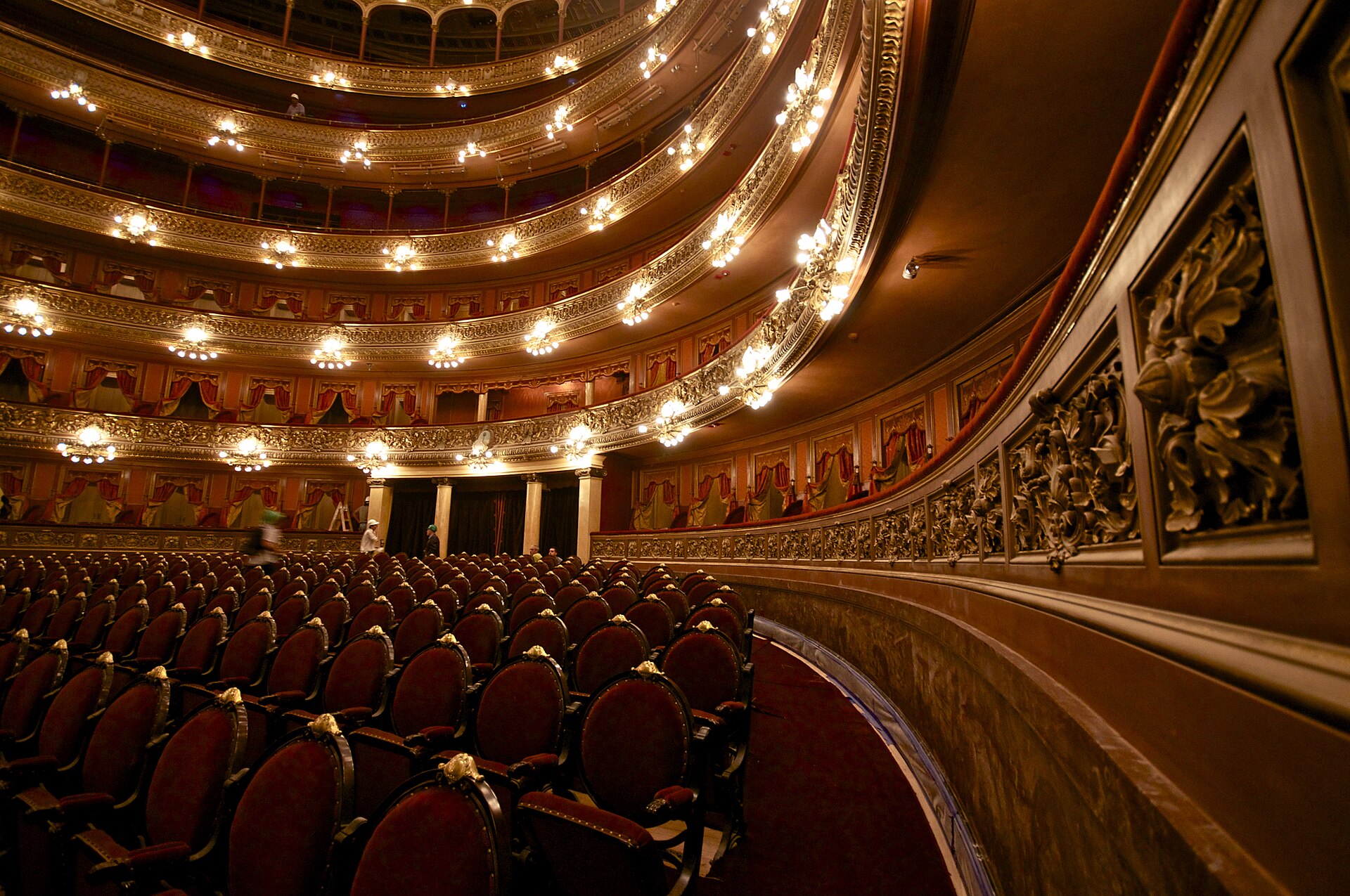
- Teatro Colón — the guided tour of the opera house is the one interior in the city worth planning around. It is one of the few genuinely world-class concert halls open to daytime visitors, and tour slots in English are limited. If you can get to a performance instead, do that.
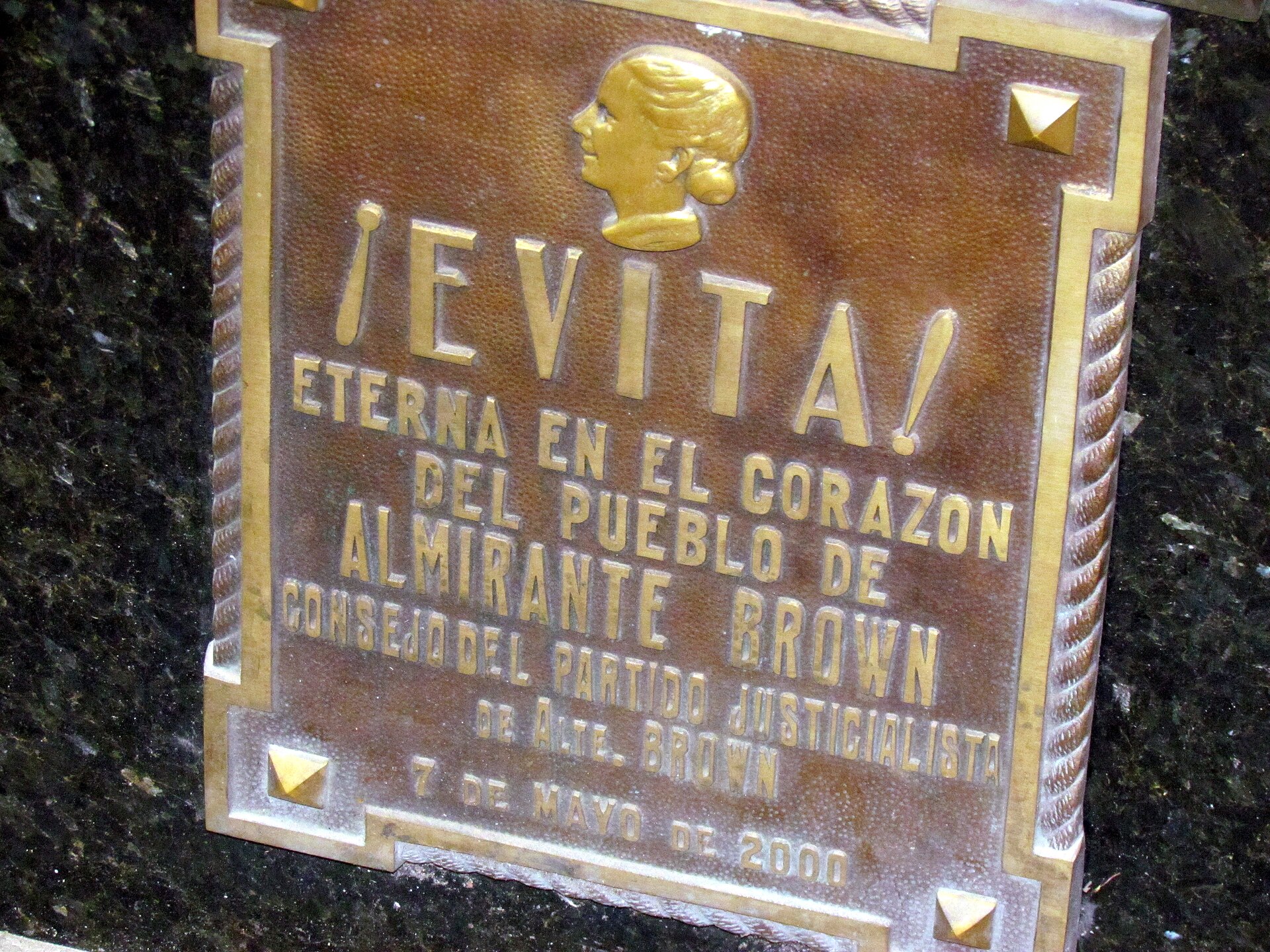
- Recoleta Cemetery — there is now a separate, higher admission charge for foreign visitors, so check the current rate before you go. Worth it. It is a city of mausoleums arranged on streets, and it is the clearest single illustration of the wealth that moved north in the 1870s.
- A tango show — the large dinner shows in San Telmo are tourist products and they are unembarrassed about it. They are also, if you pick a reputable one, genuinely good. Book the show, skip the dinner package unless you want a set menu.
- Football — Boca or River tickets are not sold in a way that rewards spontaneity, and the resale market around them is a mess. If a match matters to you, arrange it well ahead through an established operator.
For the standard set of tickets and city tours, this shows what is currently bookable and at what price:
What is free and no worse for it
A lot of the best of Buenos Aires costs nothing. The MALBA and the Museo Nacional de Bellas Artes both have free or nearly-free access depending on the day, and the Bellas Artes collection is far better than its modest reputation. The Sunday feria along Defensa in San Telmo runs for a dozen blocks and is free to wander. The bookshop in the old Grand Splendid theatre is free to walk into. The Bosques de Palermo — the parks, rose garden and lakes — cost nothing and are where the city actually spends its weekends.
The Puerto Madero waterfront is also free, and is worth twenty minutes precisely because of the point this guide opened with: it is the one place where the city has turned around and faced the water, and it only happened in the 1990s.
The neighbourhoods, and what each is for
- Palermo — the default for visitors, and split into sub-neighbourhoods. Palermo Soho is bars, restaurants and boutiques; Palermo Hollywood is quieter and slightly more residential; Palermo Chico is embassies and museums. This is where most people should stay.
- Recoleta — grand, quiet, older, more expensive. Excellent if you want to walk to the cemetery and the Bellas Artes and be in bed by eleven.
- San Telmo — cobbles, antiques, the Sunday market, the best texture in the city. Livelier and rougher around the edges; fine by day, use ordinary judgement at night.
- Microcentro — the business district. Busy on weekdays, dead on weekends. Cheap hotels, little reason to be there otherwise.
- La Boca — see below.
For a proper breakdown of which of these fits which kind of trip, we have a dedicated piece on where to stay in Buenos Aires.
The honest note about La Boca
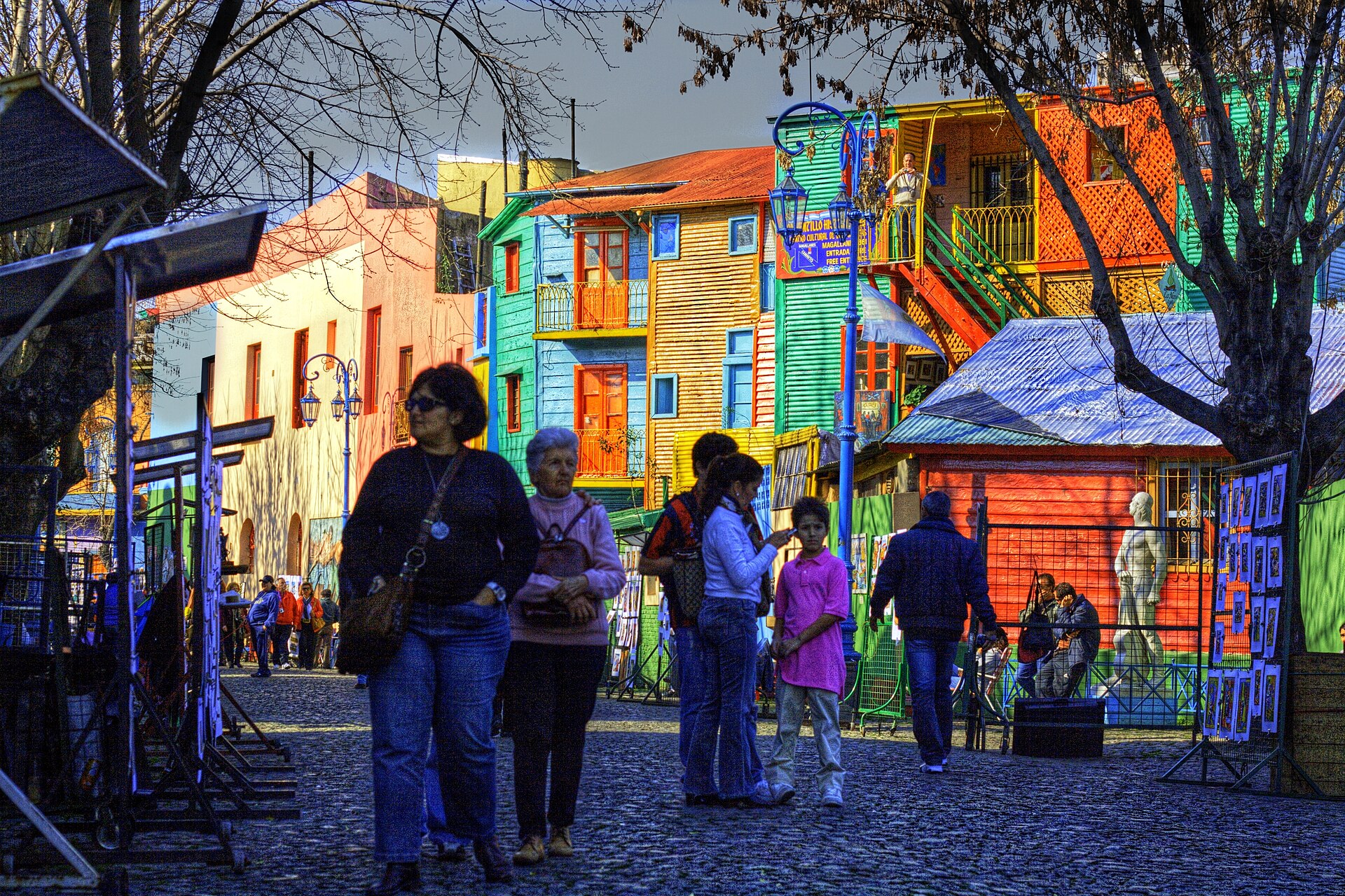
Caminito, the block of brightly painted corrugated-iron houses in La Boca, appears on every postcard of the city. It is also two streets long, aggressively commercial, and surrounded by a neighbourhood where visitors are routinely advised not to wander. Both of those things are true at once.
Go, take the photo, look at the Boca Juniors stadium, and do it in daylight. Do not treat the surrounding streets as an extension of the attraction, and do not go after dark. This is the one place in the city where the gap between the tourist zone and the area around it is sharp enough to matter.
A workable three or four days
Day one — the centre. Plaza de Mayo, the Casa Rosada, the cathedral, then walk down Defensa into San Telmo. Finish at the Costanera or Puerto Madero for the view back at the skyline. If it is a Sunday, do this day on the Sunday for the feria.
Day two — the north. Recoleta Cemetery in the morning while it is cool, Bellas Artes after, then walk into the Palermo parks. Evening in Palermo Soho, which does not really start until 21:00.
Day three — culture and the opera house. Teatro Colón tour, the Grand Splendid bookshop, MALBA in the afternoon. Tango in the evening.
Day four — out of the city. Either the Tigre Delta by commuter train from Retiro — about an hour, and a genuinely different landscape of stilted houses and waterways — or a day at an estancia in the pampas. Tigre is the better use of a fourth day and costs almost nothing.
Eating, and the one thing everyone gets wrong about it
The steak deserves the reputation. The mistake visitors make is timing: porteños eat late, and a parrilla at 19:30 will be empty and will feel like a tourist trap because at that hour it effectively is one. Aim for 21:30 at the earliest.
Beyond beef: the Italian influence means the pizza and the pasta are serious, not an afterthought. Empanadas vary sharply by province of origin — salteñas are different from tucumanas. The medialuna and coffee at a café notable is a proper institution. And the wine list will be almost entirely Argentine, which is not a limitation.
Getting around once you are here
The Subte is fast, cheap and closes earlier than you expect — roughly 22:00–23:00 depending on the line. The colectivo network is enormous and goes everywhere the Subte does not, but requires a SUBE card and a mapping app. Taxis and ride-hailing are inexpensive by international standards and are the sensible default late at night.
The city is also genuinely walkable in the north–south corridor from Recoleta through to San Telmo, and flat throughout. Cycling infrastructure has improved a lot, and there is a public bike system.
Where to sleep
Palermo for a first visit, Recoleta if you want quiet, San Telmo if you want character over comfort. Rates move with the exchange rate rather than with the season in any predictable way, so it is worth comparing across dates:
When to go
Buenos Aires is in the southern hemisphere, so the seasons invert. Spring (September–November) and autumn (March–May) are the best of it — warm, dry, and the jacarandas flower purple across the city in late October and November. Summer (December–February) is hot, humid and half-empty because porteños leave for the coast. Winter (June–August) is mild by European standards, rarely freezing, and the cheapest time to come.
Practical notes
- Argentina’s currency situation rewards attention. Rates and rules change; check what is current in the week you travel rather than relying on a guide written last year.
- Tap water in the city is safe to drink.
- Spanish here uses vos rather than tú, and “ll” and “y” are pronounced closer to “sh”. If your Spanish is textbook Spanish, expect a short adjustment period.
- Sunday is quiet outside the San Telmo feria — a lot of the city closes.
- A local data plan is worth having for the bus apps and ride-hailing. See our eSIM guide for Argentina.