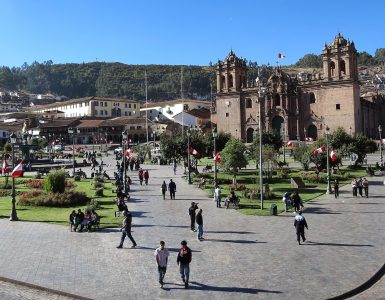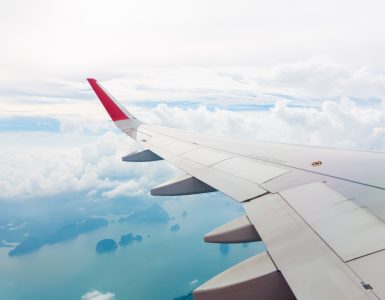
The flight from Lima to Cusco takes about 80 minutes. The bus takes 21 hours. That gap explains why almost every visitor to Peru ends up on a domestic flight, and why the Lima–Cusco route is one of the busiest short-haul corridors in South America.
It also explains why it goes wrong so often. Cusco sits at 3,400 metres in a bowl surrounded by mountains, its airport has strict weather minimums, and the morning cloud that forms in the rainy season regularly turns a one-hour hop into a six-hour delay or a cancellation. Booking a domestic flight in Peru is easy. Booking one that survives contact with reality takes a bit more thought.
Who actually flies where
Three airlines carry the overwhelming majority of domestic traffic in Peru:
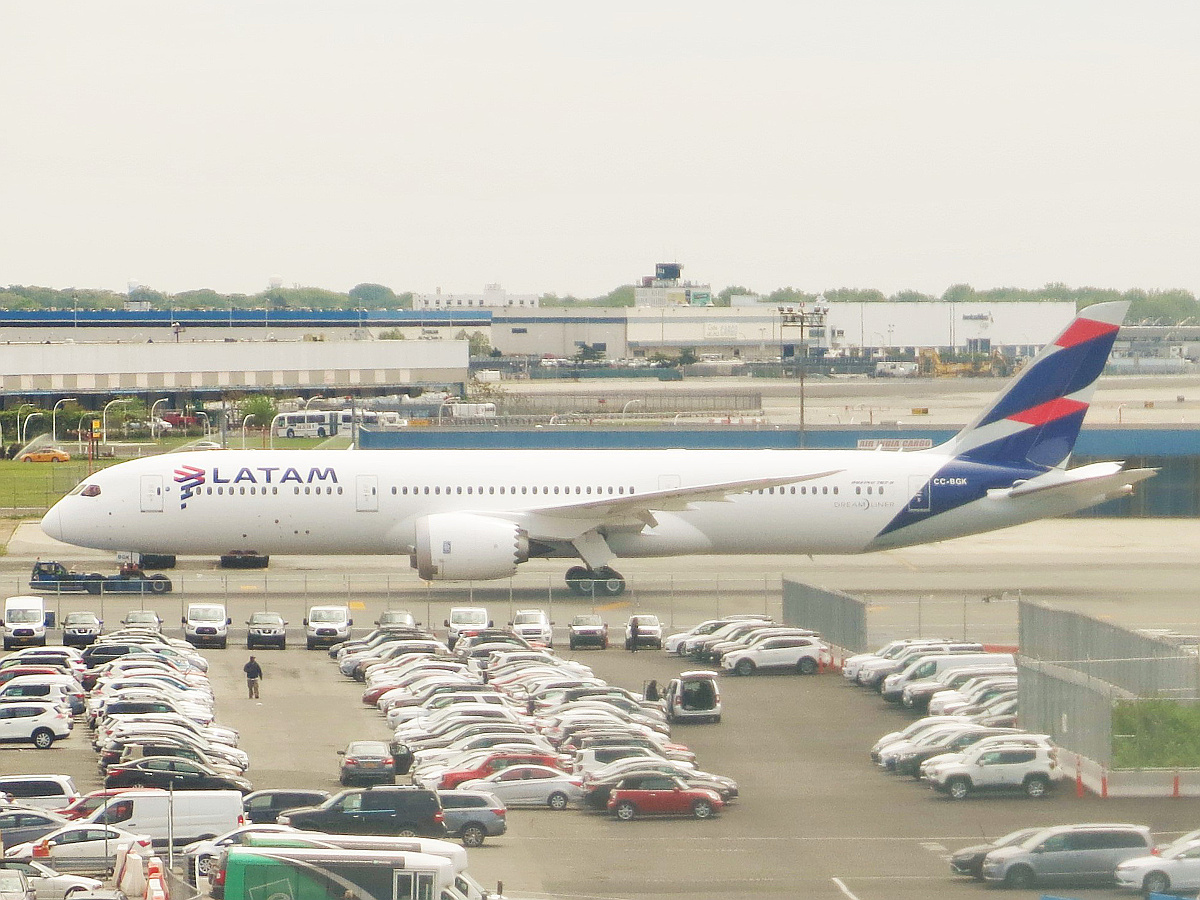
- LATAM Perú — the largest network, the most frequencies, and the most expensive. On Lima–Cusco alone it operates a very high number of daily rotations. If a flight is cancelled, LATAM has the most alternatives to rebook you onto, which is worth more than it sounds on a schedule this weather-dependent.
- Sky Airline Perú — low-cost, decent network, aggressive pricing.
- JetSMART Perú — ultra-low-cost, the cheapest headline fares on most routes, and the most aggressive unbundling.
Typical one-way fares on Lima–Cusco run roughly US$60–130 depending on season and how far ahead you book. January tends to be cheapest, June and July the most expensive — Peru’s dry season and the peak of the Machu Picchu calendar.
Where flying does not help is the Sacred Valley, the Colca Canyon and the coast road north of Lima. For those, a hire car picked up at the airport is usually the cheaper and more flexible option.
The Lima airport situation
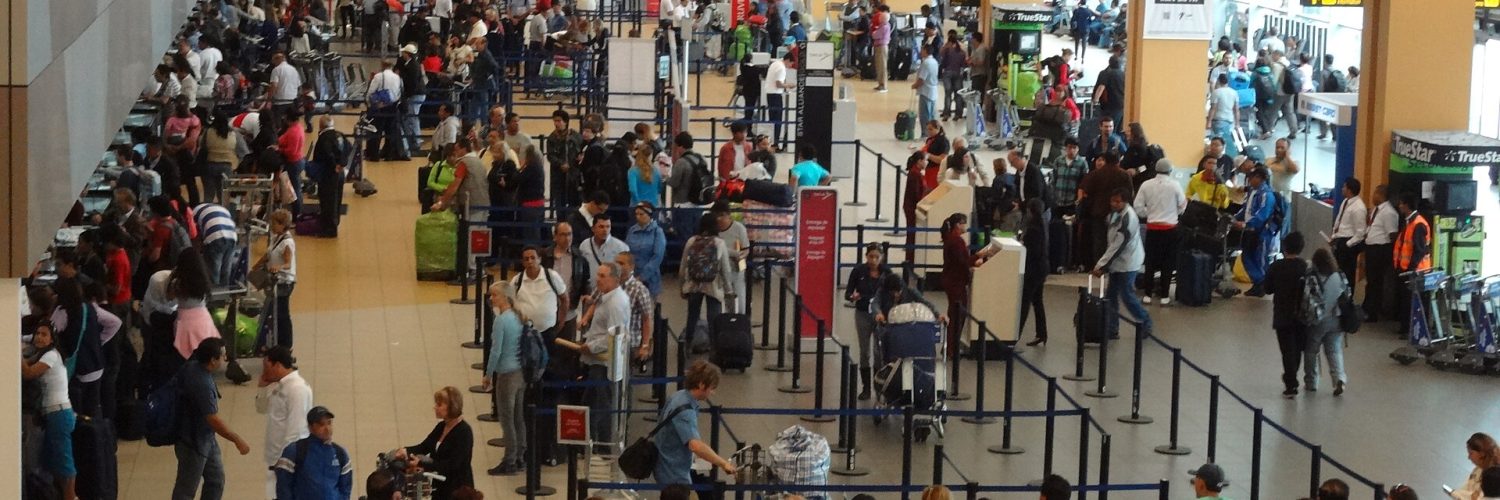
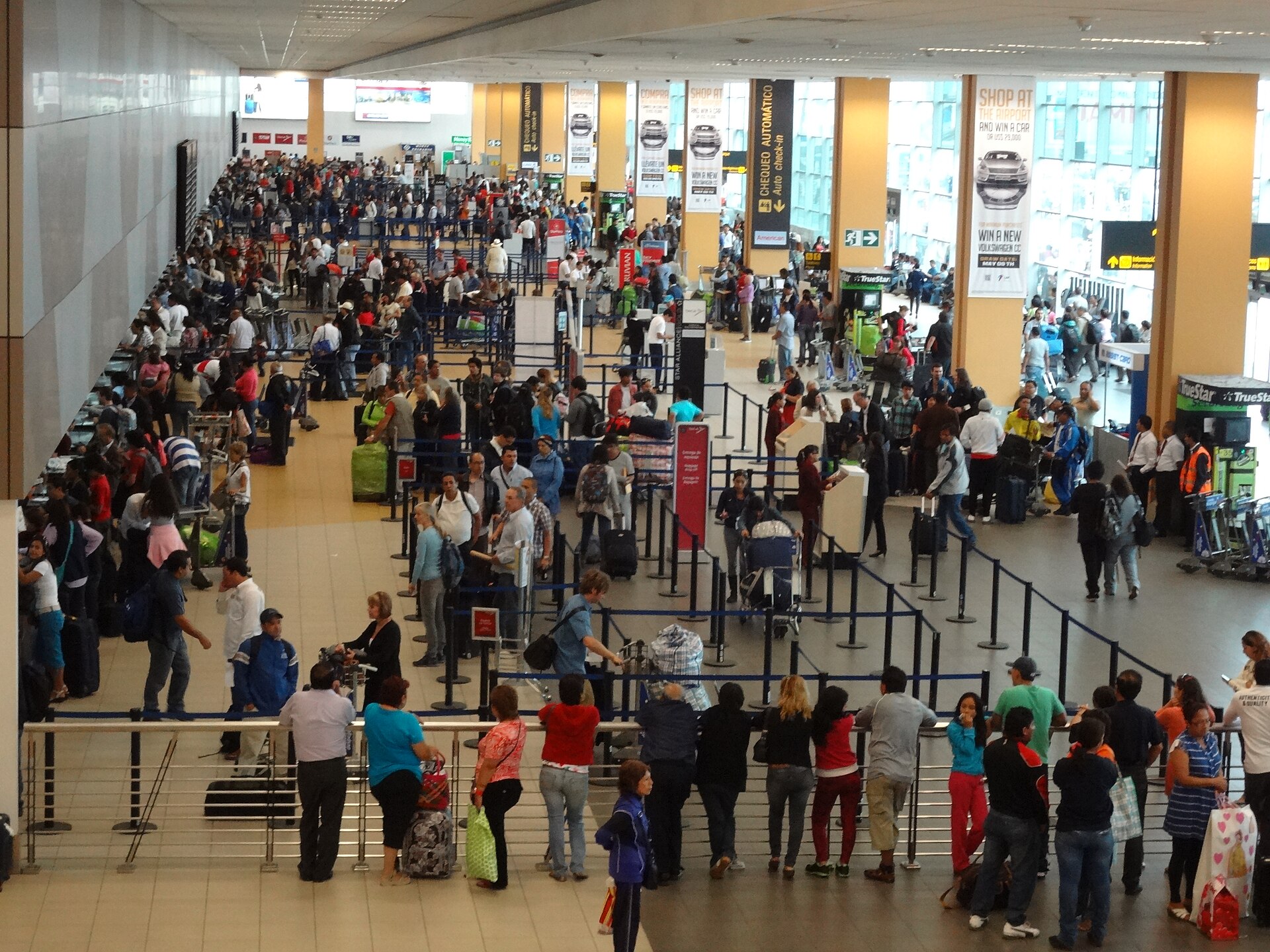
Jorge Chávez International in Lima moved into an entirely new terminal on 1 June 2025. Everything — domestic and international — now operates from the new building, which is roughly three times the size of the old one. Arrivals are on Level 1, shops and pedestrian access on Level 2, departures on Level 3.
Two things follow from this. First, any guide, map or blog post describing the old terminal layout is now useless; ignore it. Second, the new terminal is large enough that walking times between check-in and a distant gate are genuinely significant. For a connection between an international arrival and a domestic departure, three hours is the sensible minimum — not the 90 minutes you might get away with elsewhere.
There is no separate domestic terminal any more, which is a real improvement over the old arrangement.
Baggage: where the cheap fares stop being cheap
This is the single biggest source of unpleasant surprises. The headline fares from Sky and JetSMART are for a personal item only — something that fits under the seat in front. A cabin bag in the overhead locker costs extra. A checked bag costs more again. Buying either at the airport rather than online at the time of booking can easily double the cost of a cheap ticket.
Two specific traps:
- Add baggage at the moment you book, not later. Prices rise in tiers as departure approaches, and they rise steeply at the airport counter.
- If you are trekking, weigh your pack honestly. Trekking packs routinely exceed the low-cost carriers’ cabin allowances, and there is no goodwill at the gate.
Once you factor in a checked bag, a JetSMART fare and a LATAM fare are often within a few dollars of each other — at which point LATAM’s schedule flexibility is worth having.
Cusco: the altitude and the weather
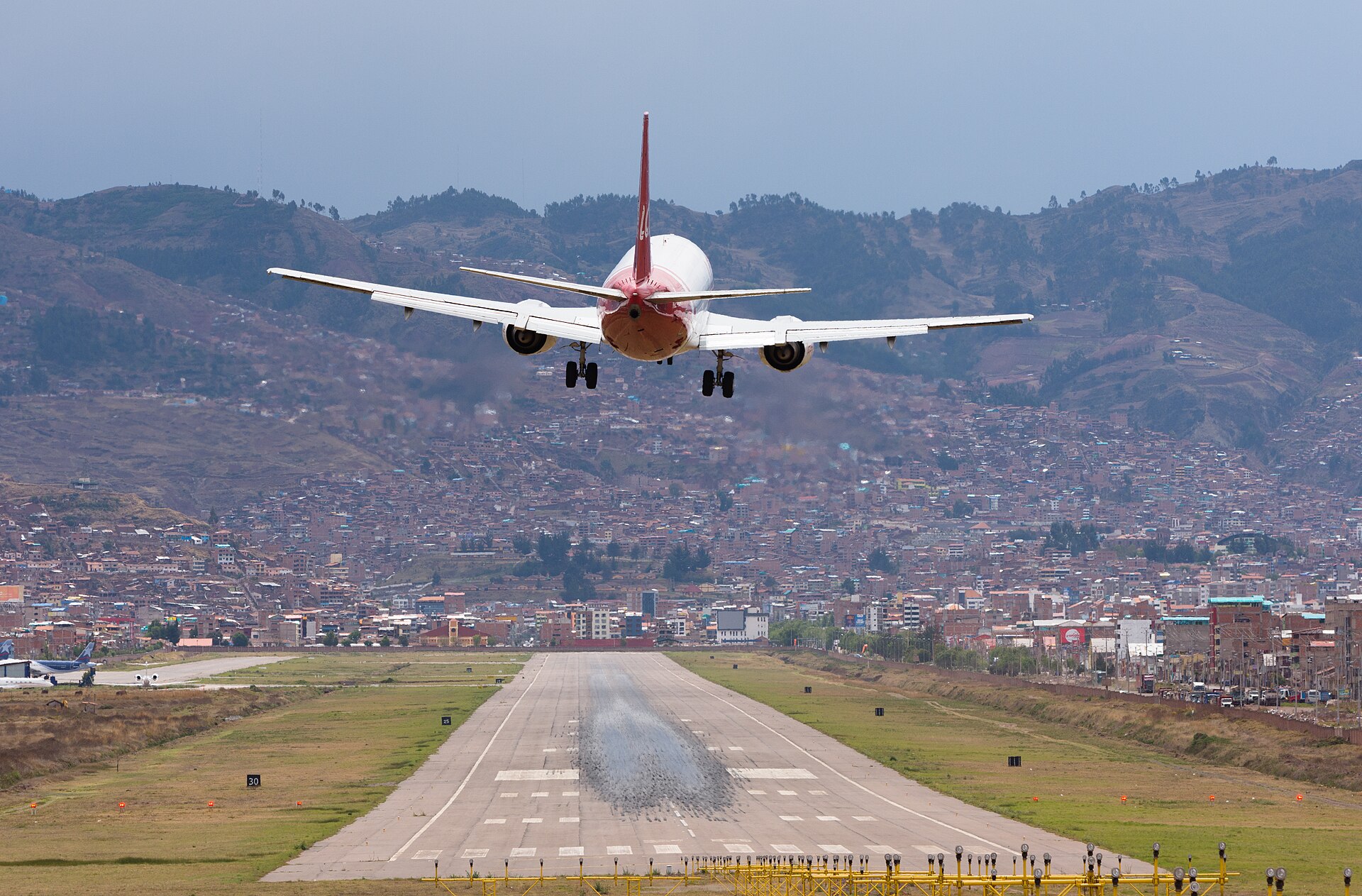
Cusco’s airport, Alejandro Velasco Astete, is hemmed in by terrain and has historically operated only in daylight, though its operating window has been extended in recent years. Weather closes it regularly during the rainy season, and when it reopens the backlog can take most of a day to clear.
Practical consequences:
- Fly to Cusco in the morning. Cloud and afternoon storms build through the day in the wet season, and morning departures have far better on-time performance. The first wave of flights out of Lima is the most reliable of the day.
- Never plan a same-day connection out of Peru from a Cusco flight. If you fly Cusco–Lima on the morning of your international departure and the airport is closed, you miss your flight home. Fly to Lima the day before and stay near the airport.
- Build a buffer day at the start of any trek. The Inca Trail does not wait for you.
Altitude: land high, and you will feel it
Flying from Lima, which is at sea level, to Cusco at 3,400 metres in 80 minutes gives your body no time to adjust. Altitude sickness at Cusco is common, and it is not a sign of poor fitness — young, fit travellers get it as often as anyone.
What helps:
- Do nothing on arrival day. No hiking, no heavy meals, no alcohol. Sit in a café, drink water, sleep.
- Consider sleeping lower first. The Sacred Valley — Urubamba and Ollantaytambo — sits 600 to 800 metres below Cusco. Going straight there from the airport and returning to Cusco after two or three days is a much gentler profile, and it is what experienced operators recommend.
- Coca tea helps some people and is offered everywhere. Prescription acetazolamide is an option worth discussing with a doctor before you travel.
- Know the warning signs. A headache and breathlessness are normal. Confusion, an inability to walk in a straight line, or breathlessness at rest are not — those mean descend, immediately, and get medical help.
The other routes worth flying
Peru is a big, mountainous country and the domestic network saves enormous amounts of time beyond the Cusco run.
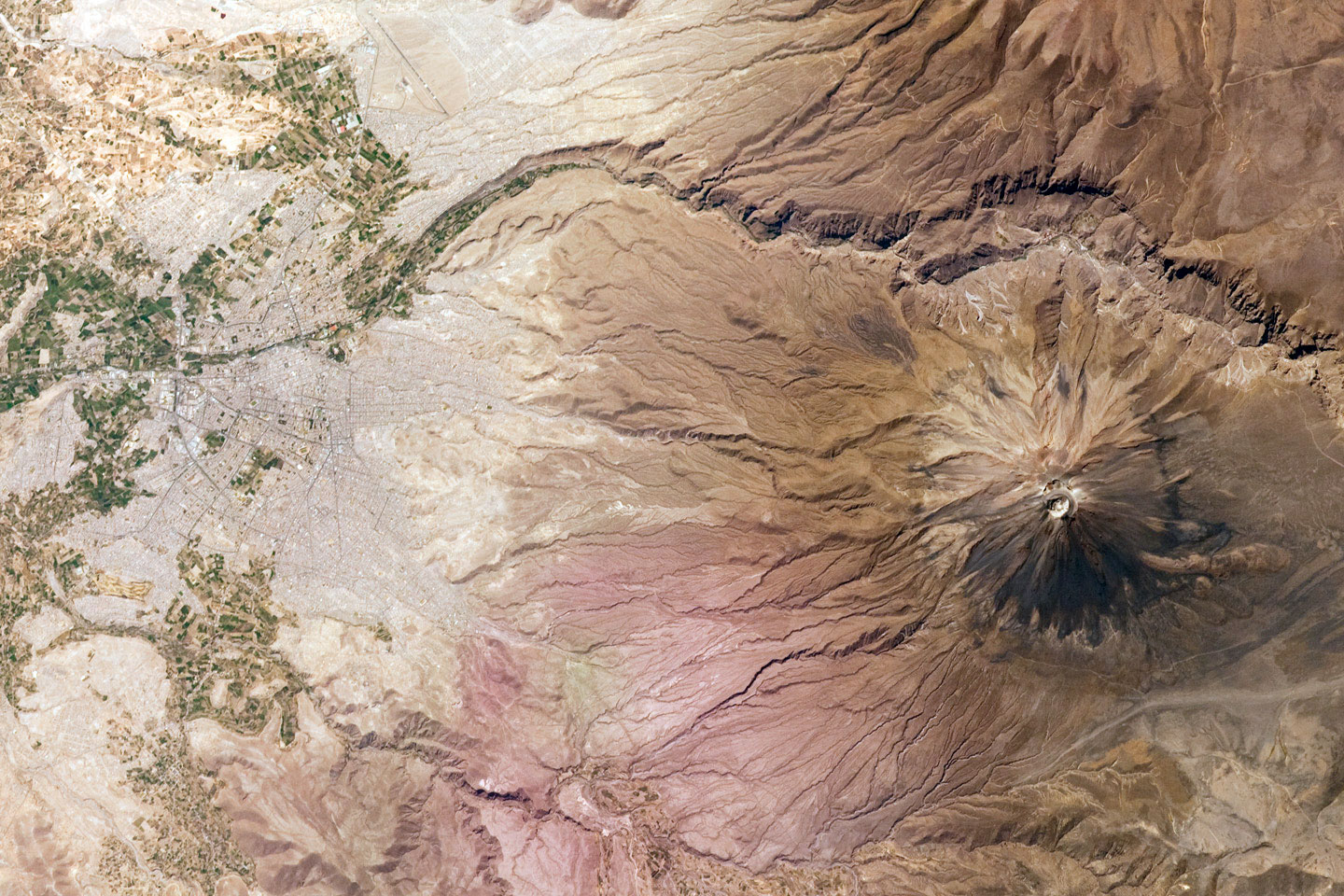
- Lima–Arequipa — about 90 minutes, versus roughly 16 hours by bus. Arequipa sits at 2,300 m, which also makes it a sensible acclimatisation stop before Cusco.
- Lima–Iquitos — the only practical way in. Iquitos is the largest city in the world unreachable by road; the alternative is several days on a riverboat.
- Lima–Puerto Maldonado — the gateway to the southern Amazon and the Tambopata reserve. Also reachable on a short hop from Cusco.
- Lima–Trujillo and Lima–Piura — the northern coast, the Moche archaeology and the surf beaches, which most itineraries skip entirely.
- Lima–Juliaca — for Lake Titicaca and Puno. Note Juliaca is at 3,825 m, higher than Cusco, so the same altitude caution applies with more force.
Getting from the airport into town
At both Lima and Cusco, use an official airport taxi booked at a counter inside the terminal, or a pre-arranged transfer. Lima’s airport sits in Callao, a fair way from the tourist districts of Miraflores and Barranco, and the drive can take well over an hour in traffic. Cusco’s airport is unusually close to the centre — around 10 minutes — but arriving breathless at 3,400 metres with luggage is not the moment to negotiate a fare on the pavement.
Where to stay around the flights
Two nights in a Peru itinerary are worth planning around the airport rather than the sights: the night before an early Cusco departure, and the night before an international flight home out of Lima. Lima has a cluster of hotels within a few minutes of the terminal, which removes the pre-dawn drive through Callao entirely.
Booking tips that actually save money
- Book domestic flights separately from international ones in most cases — the local carriers are rarely cheaper when bundled — but be aware you lose protection if a delay on one causes you to miss the other. Leave a long gap.
- Prices climb steeply inside three weeks. Six to eight weeks out is generally the sweet spot on Lima–Cusco.
- Fares are seasonal, not just advance-purchase driven. The dry-season peak of June–August prices differently from the January low regardless of when you book.
- Check the fare rules before you buy the cheapest ticket. Deep-discount fares on the low-cost carriers are frequently non-changeable, which is a poor match for an airport that closes for weather.
Further reading
- Lima airport transfer
- Motorcycle rental in Peru
- The best eSIM for Peru
- Domestic flights in Brazil
- Domestic flights in Argentina
Read next: Where to Stay in Cusco: The First Night Should Probably Be 600 m Lower