
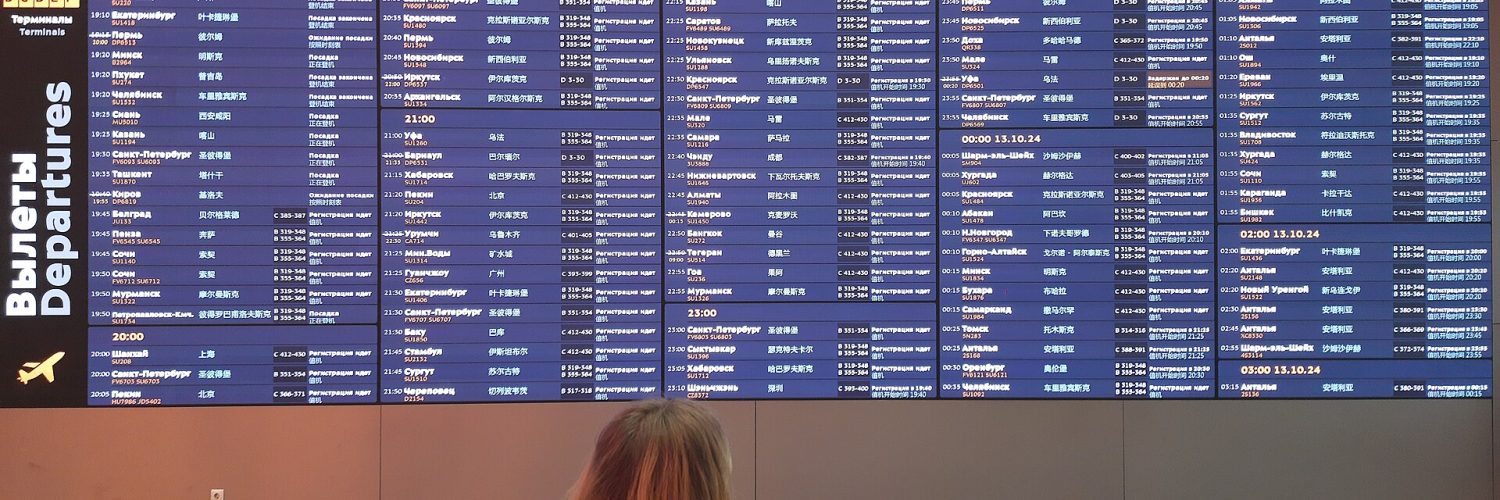
Since October 2025, every foreign SIM or eSIM connecting to a Russian network for the first time has had its mobile data and SMS frozen for roughly 24 hours — a rule most guides, including the earlier version of this one, still describe as a flat, unavoidable wait. It is not, anymore. Since 21 November 2025, travelers who complete an identity check through a verification link sent by SMS, or a captcha on the operator’s own page, can clear the block in a matter of minutes rather than a full day. Almost nobody selling eSIMs for Russia mentions this, because the fix depends on the operator’s own portal working over hotel Wi-Fi — which it usually does, but not always on the first try.
Why You Still Cannot Just Buy a Local SIM
Since 1 January 2025, every SIM card in Russia — new or existing — must be linked to a verified Gosuslugi account, the state services portal. For stays beyond 90 days, the operator additionally requires a SNILS number, Russia’s equivalent of a social security number, which is issued only to citizens and registered residents. A foreign tourist simply cannot obtain one. Even for a Gosuslugi account alone, the process typically means biometric registration and a 30–45 minute in-person shop visit tied to a Russian ID document a visitor does not hold. In effect, buying a local MTS, MegaFon, Beeline or T2 SIM as a tourist has gone from inconvenient to not realistically possible through legitimate channels, regardless of how much patience you bring to the counter.
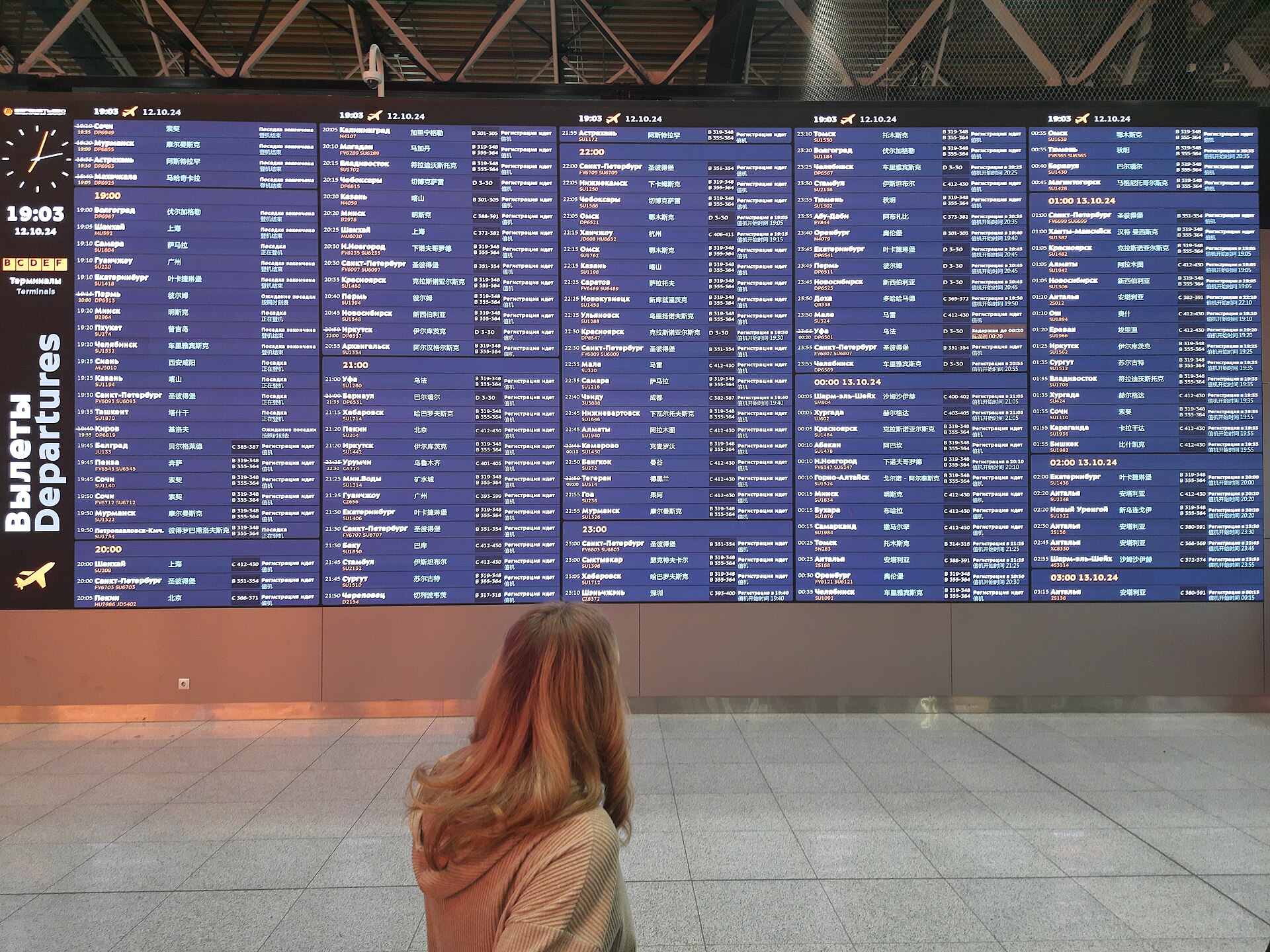
There is a second, separate friction point: several Russian merchants and top-up systems no longer accept foreign-issued bank cards at all, following the sanctions-driven exit of Visa and Mastercard’s international processing. That affects topping up any Russian SIM you did somehow obtain, not just buying one — one more reason the realistic option for a visitor is an international eSIM bought and loaded before departure, paid for entirely outside the Russian banking system.
The 24-Hour Block, and How to Cut It Short
The block itself is a network-level restriction, not a fault with your eSIM or your provider — Russian officials describe it as a “cooling-off period” intended to stop automated systems, including drones, from using newly-activated foreign SIMs. Voice calls are not affected, only mobile data and SMS. Since the November 2025 change, most major Russian operators send a one-time SMS containing a verification link within the first hour of your line registering on their network; opening it and completing a short identity captcha lifts the data block immediately rather than making you wait out the full day. The catch is that the SMS and the verification page both need a working data connection to load properly for some users — which is exactly what you do not have yet — so do this over hotel or airport Wi-Fi rather than assuming it will resolve itself on mobile data.
What Actually Works From Minute One
Airport and hotel Wi-Fi function normally on arrival. Public Wi-Fi elsewhere in Russia typically requires identification via a Russian phone number, which a visitor will not have, so hotel Wi-Fi given to you at check-in is the one reliably available option before your eSIM clears its block. Save your hotel’s address in Cyrillic as a screenshot before you land — taxi drivers and any paper map you improvise will need it, and translating it live without data is its own small ordeal.
A Short Business Trip vs. a Longer Stay
For a trip of a few days, the block-and-verify process is a first-morning inconvenience and little more — you lose part of one day, not the whole stay, and voice calls keep working throughout for anyone who has arranged a way to reach you by phone. For a longer stay, the more relevant planning point is the Gosuslugi and SNILS rules above: past 90 days, even residents face a formal registration path that a tourist visa does not provide access to, so anyone contemplating an extended stay should look into their visa category’s specific telecom obligations rather than assuming an eSIM covers the entire visit indefinitely.
Picking a Provider: Check the Coverage List on the Day You Buy
Several well-known travel-eSIM brands quietly dropped Russian coverage after 2022, and the roster of who still supports the country has kept shifting since. Check the current country list on the day you buy, not a review or blog post from even a year ago. Among global-roaming products, a Russia-compatible eSIM provider has historically maintained Russian coverage — one of the few that can say so — but verify this on its current list before paying rather than assuming a past review still holds. Coverage also varies sharply by operator once you are connected: MTS and MegaFon generally reach furthest into the regions outside Moscow and St Petersburg, which matters if your route leaves the two capitals.
What Is Not Worth Paying For
Premium 24/7 phone-support add-ons are close to useless here: if your data is blocked, you have no working phone number to call from, and you will be troubleshooting over hotel Wi-Fi regardless of what tier you paid for. In-app chat support that works over Wi-Fi is worth far more than a phone hotline you cannot dial. Likewise, be wary of any reseller offering to “handle your Gosuslugi registration” for a fee — a tourist without a SNILS cannot legally complete that registration, and a service claiming otherwise is selling something that does not actually work.
Coverage Once You Are Connected
The underlying networks are genuinely good: Russia rolled out 4G early and widely, and Moscow and St Petersburg both run dense, fast coverage once your block clears. Outside the two capitals, quality drops off in proportion to distance from a regional center — fine along major highways and in mid-sized cities, patchier in rural stretches and the far north and east. Some foreign apps and services are also restricted or blocked entirely once you are on a Russian network, independent of the SIM issue — worth checking which of your regular apps you actually need before you rely on them for navigation or messaging.

If Your Route Continues Into Georgia, Armenia or Turkey
A Russia-only eSIM plan stops working the moment you leave the country. If your trip continues overland into the Caucasus — a common routing given current flight restrictions — a single multi-country profile such as a Russia-compatible eSIM provider avoids buying and re-clearing a fresh block in every country you enter. It is the one scenario where the global-roaming model clearly beats a country-specific plan. Heading that way, our separate guides cover Tbilisi and Armenia’s own passport-for-SIM rules, and if Istanbul is part of the routing, our Istanbul guide covers the city many travelers now transit through.
Before You Fly
- Confirm the eSIM provider’s current country list actually includes Russia — check on the day you buy, not from an old review.
- Install the eSIM on home Wi-Fi before departure so it is ready to activate on arrival.
- Save your hotel address in Cyrillic as a screenshot, and download offline maps and an offline translation pack.
- Expect no mobile data for at least part of your first day; plan arrival-day logistics around hotel Wi-Fi rather than mobile data.
- Keep your home SIM’s data roaming switched off to avoid surprise charges layered on top of the block.
Quick Answers
Can I really clear the 24-hour block early? Often yes, since 21 November 2025, via an SMS verification link or operator captcha — but it depends on that page loading over Wi-Fi, so it is not guaranteed to work instantly for everyone.
Is there any way to buy a local Russian SIM as a tourist? Not through legitimate channels — the Gosuslugi and SNILS requirements are not something a foreign visitor can complete.
Is an eSIM even worth buying, then? Yes, but with clear expectations: you are buying a working connection from day one or two onward, not seamless connectivity from the moment you land. Given that a local SIM is not realistically available, the choice is between an international eSIM and no mobile data at all.
Rules and provider coverage checked in September 2026; both the block-clearing process and country coverage lists have changed more than once in the past year, so verify current status before you travel.









Add comment