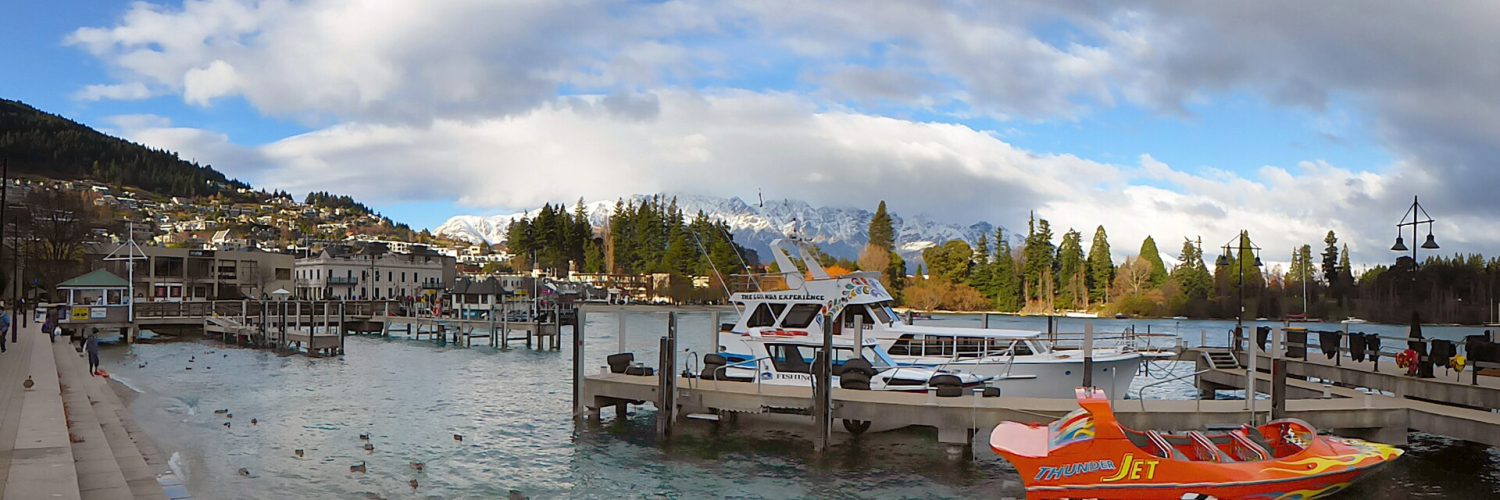
There is a road twenty minutes from Queenstown that no rental car in New Zealand is allowed to drive on. Not “inadvisable”, not “at your own risk” — Skippers Canyon Road is written into essentially every rental agreement in the country as a prohibited route, and if you take a hire car up it, your insurance is void from the moment you turn off. It is one of a very small number of roads treated this way nationally.
That clause is the most useful thing to understand about renting a car in Queenstown, because it points at the real issue: this is not a city where the car is simply a way of getting from A to B. Queenstown is a base for mountain driving, and the fine print in your rental agreement is written around mountains.
What it actually costs
Queenstown pricing swings more than most places, and quoted figures vary wildly depending on whether the source is showing New Zealand dollars or US dollars, so check which currency you are looking at before you celebrate a bargain.
As a rough guide for 2026: small cars from the budget and local operators start around NZ$40–50 per day. The international brands at the airport typically start closer to NZ$85–90 per day for a compact, climbing toward NZ$340+ for a premium SUV. Minivans and people-movers are the expensive outlier at roughly NZ$190–245 per day — if you are a group of six, price a second small car against one van before assuming the van is cheaper.
Seasonality is sharp. May is consistently the cheapest month; December is the most expensive, and the gap between them is often more than double. February and July — peak summer and peak ski — are both busy. If your dates are flexible by a fortnight, shifting them is worth more than any amount of comparison shopping.
The road rules that cost people money
New Zealand rental agreements contain a set of exclusions that are unusual by international standards, and they are enforced.
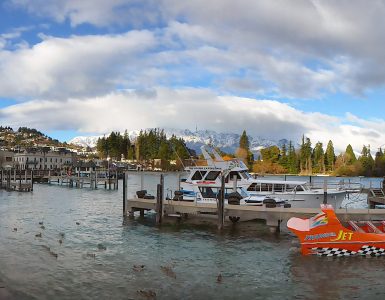
- Skippers Canyon Road is prohibited outright. Narrow, unsealed, carved into a cliff with no barrier and almost no passing places. Rental companies do not permit it and will not honour insurance if you go. If you want to see it — and it is spectacular — book a guided 4WD tour or a jet boat trip. That is the only sensible way.
- Unsealed roads are often excluded generally. Many agreements void your damage cover on any gravel road, not just the famous ones. Read the specific clause, because policies differ and some operators allow gravel while others do not.
- Ski field access roads — Coronet Peak, The Remarkables, Cardrona, Treble Cone — frequently require snow chains in winter and some agreements restrict them. If you are here to ski, ask before you book, and ask specifically.
- Driving on beaches is excluded almost everywhere in New Zealand.
None of this is unreasonable given the terrain. It just means the standard advice of “take the cheapest quote” is worse than usual here, because the cheapest quote often has the narrowest cover.
The Crown Range: worth it, with conditions
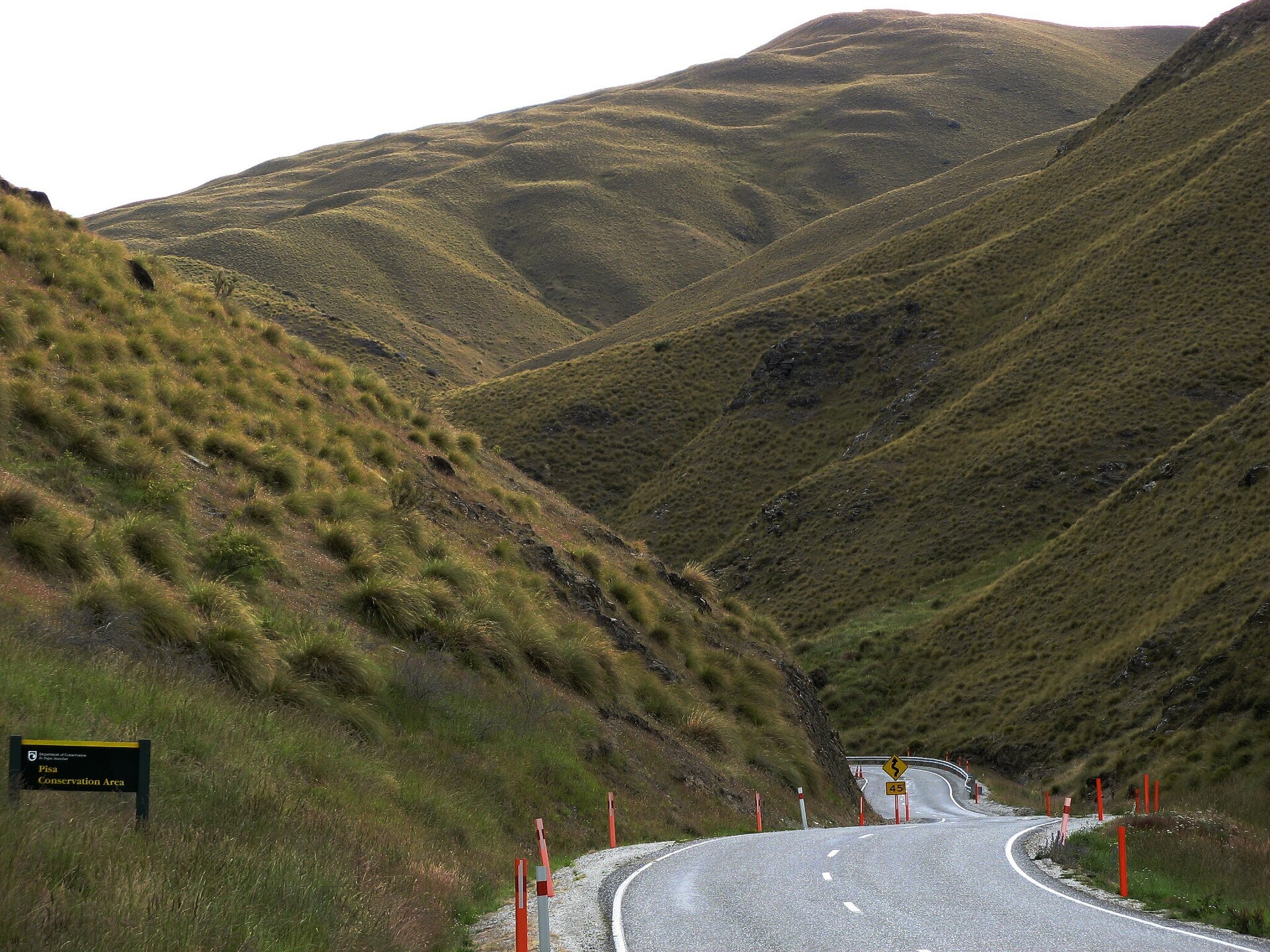
The Crown Range Road connects Queenstown to Wanaka over the Crown Saddle at 1,076 metres, making it the highest sealed through-road in the country. It is roughly 70 km against about 100 km for the alternative route via Cromwell, and it is one of the best drives in New Zealand.
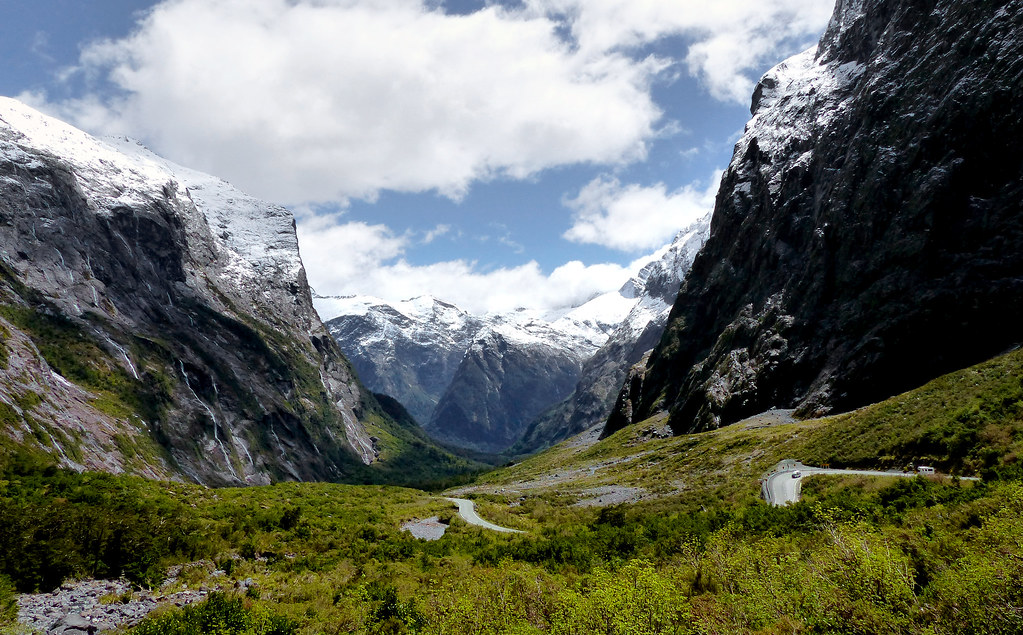
It is also steep, tightly switchbacked at the Queenstown end, and can require chains or close entirely in winter. The honest advice: in summer, take it without hesitation. In winter, check the road status the morning you travel and be entirely willing to take the longer Cromwell route instead. There is no prize for pushing on.
Do you actually need a car?
Queenstown town itself is small and walkable, and there is a bus network with a flat, cheap fare that covers Frankton, the airport and Arrowtown. A lot of the big-ticket activities — bungy, jet boating, the Skyline gondola, Milford Sound day tours — include transport from town.
So the case for a car is not the town. It is the day trips. Specifically:
- Glenorchy — 45 km along the lake on what is arguably the single best short drive in the country. Sealed, easy, and the reason a lot of people rent for one day only.
- Wanaka — over the Crown Range, an hour or so, worth an overnight rather than a rush.
- Arrowtown — 20 minutes, a preserved gold-rush town, spectacular in autumn.
- Milford Sound — about 290 km each way, four to five hours of driving in each direction. Doable in a day and a long one. Many people prefer the coach for exactly this reason: someone else drives the Homer Tunnel approach and you sleep on the way back.
A common and sensible strategy is to skip the car for the first days in town and rent for two or three days in the middle for Glenorchy, Arrowtown and Wanaka. It is cheaper than a full-stay rental and removes the parking problem.
Parking, which is the other hidden cost
Central Queenstown parking is limited, metered and enforced. Most accommodation in the centre either charges for parking or has none at all. If you are staying downtown and renting for your whole trip, you will pay for the privilege of leaving the car stationary.
Staying in Frankton — five minutes from the airport, ten from town, on the bus route — solves this almost entirely and is usually cheaper per night too.
Picking up at the airport vs in town
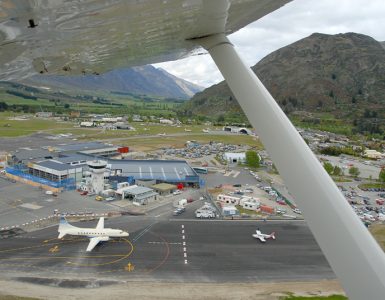
Queenstown Airport (ZQN) is close to the centre, and airport pickup is convenient but carries the usual premium and concession fees. Several local operators are based a short shuttle ride away in Frankton and price noticeably lower. If you are not renting on the day you land, the town and Frankton depots are worth comparing.
One local quirk: ZQN has restrictions on night operations and is prone to weather delays and diversions to Invercargill or Christchurch. If your flight diverts, your rental booking does not automatically follow you. Check the operator’s policy on this — it happens more often here than at most airports.
Driving here, honestly
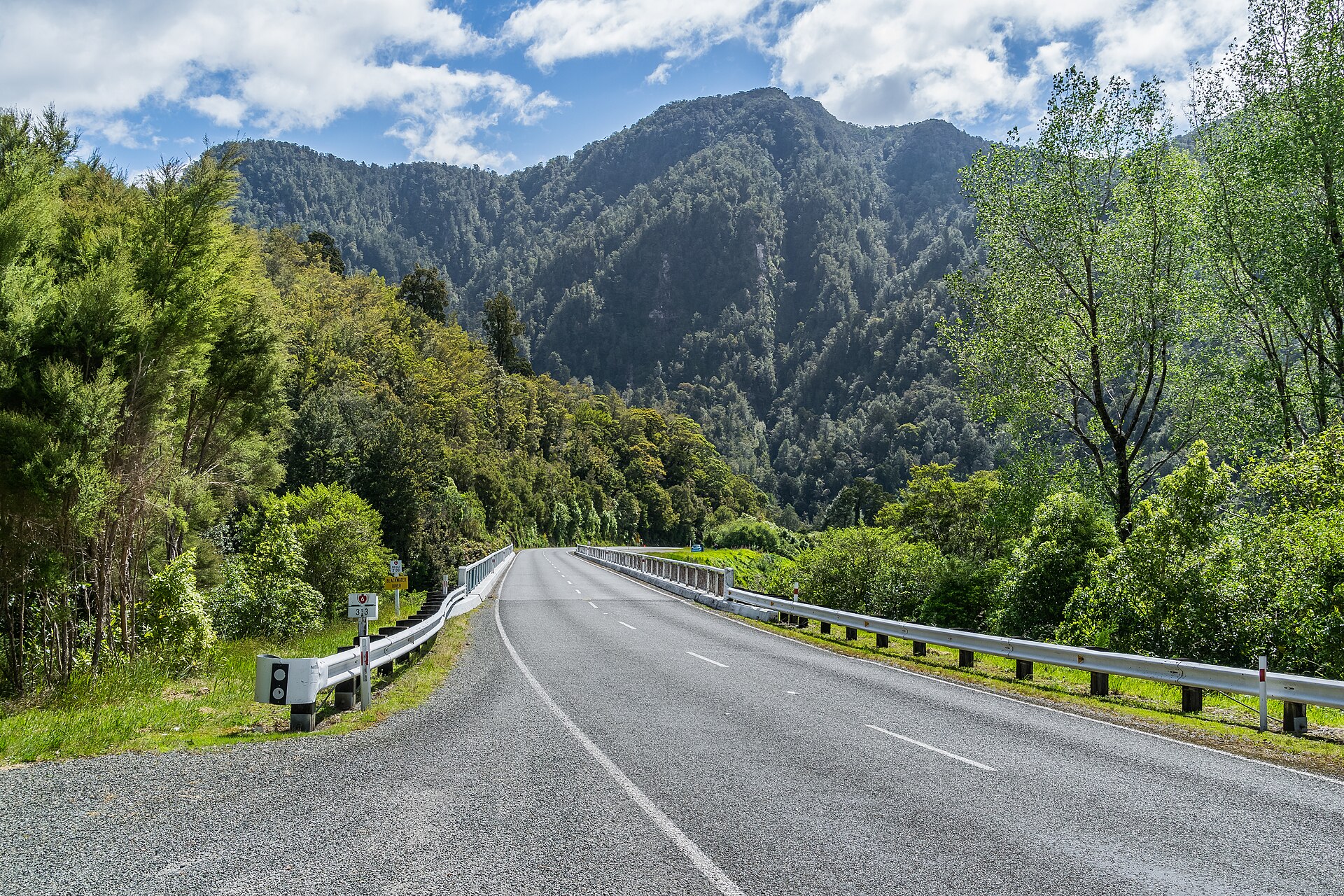
New Zealand drives on the left. The open-road limit is 100 km/h and you will rarely average it — the roads are two-lane, winding, mostly unlit, and full of one-lane bridges where a sign tells you who gives way. Distances on the map take substantially longer than they look, and this is the single most common visitor misjudgement in the country.
Overtaking lanes are infrequent and marked well in advance; use them rather than improvising. Wildlife is less of a hazard than in Australia, but livestock on rural roads is real. And in winter, black ice on shaded corners in the early morning is the genuine danger, not snow.
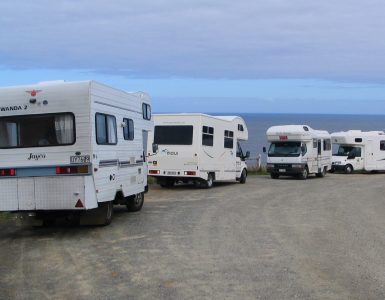
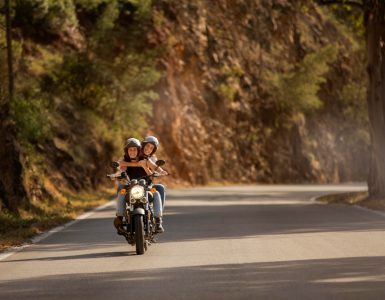
If motorcycling is more your thing, we have a separate New Zealand motorcycle rental guide, and for those considering the other approach to a South Island road trip, our campervan rental guide covers the trade-offs.
Getting to and from the airport
If you are not renting on arrival, or your flight lands at an awkward hour, a pre-booked transfer is straightforward and takes the uncertainty out of a late or diverted arrival:
When to go
December to February is summer: long daylight, every road open, highest prices and busiest roads. March to May is the best value of the year — autumn colour in Arrowtown, stable weather, and rental rates at their annual low in May. June to August is ski season, with chains, closures and a second price peak. September to November is unpredictable but cheap and quiet.
Practical notes
- You can drive on a valid overseas licence for up to 12 months; if it is not in English you need an accredited translation or an International Driving Permit.
- Fuel is meaningfully more expensive in Queenstown and Te Anau than in the larger towns. Fill up in Cromwell or Frankton before a Milford run.
- There is no fuel between Te Anau and Milford Sound. None. Plan the tank around it.
- Check road status before mountain routes in winter rather than after setting off.
- Book rentals well ahead for December–February and July; Queenstown genuinely runs out of cars.