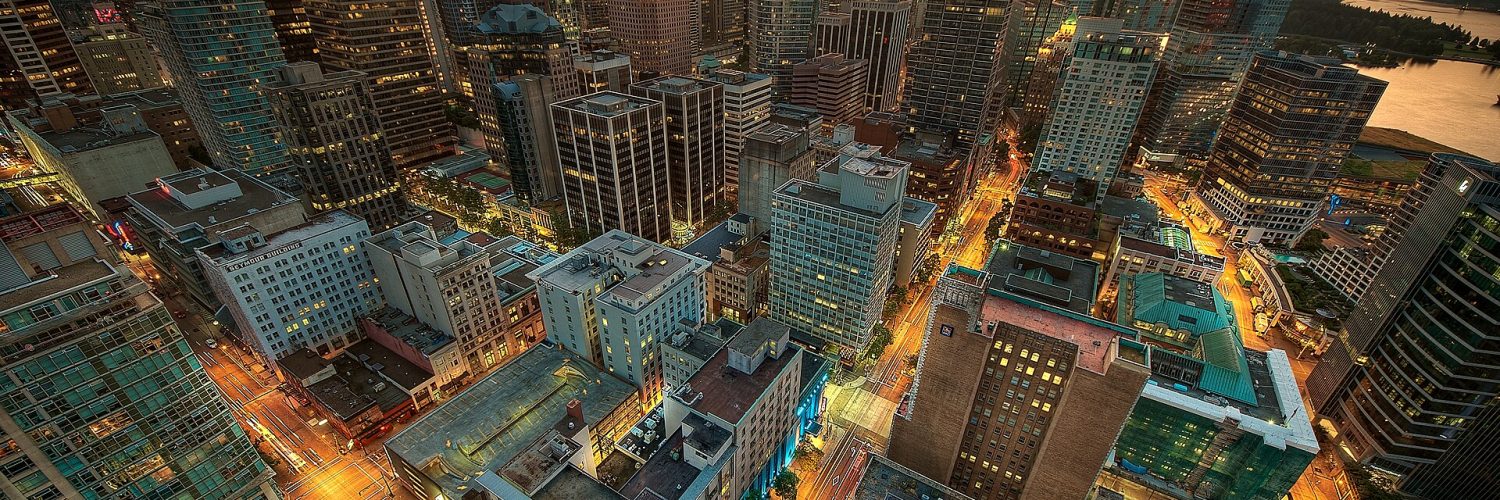
Vancouver is a city with almost no middle. Everything that makes people fall for the place — the seawall, the beaches, the mountains, the ferries — sits on the edge of a peninsula, and the downtown core in between is mostly glass condo towers that look the same from every angle. First-time visitors who plan their days around the map’s centre end up walking through a lot of nothing. Plan around the perimeter and the city suddenly makes sense.
The second thing worth knowing before you book anything: Vancouver’s best experiences are largely free, and its most heavily marketed paid attractions are the ones that deserve the hardest look. A single adult ticket to Capilano Suspension Bridge runs about CA$79.95 in 2026, and the Grouse Mountain Skyride about CA$74.95. Those are real prices for a couple of hours each. Meanwhile the Stanley Park seawall, Kitsilano Beach, Queen Elizabeth Park and the entire North Shore trail network cost nothing at all.
Why Vancouver looks the way it does
The shape of the city is not an aesthetic choice. Vancouver is wedged between the Coast Mountains to the north, the Strait of Georgia to the west, the Fraser River delta to the south and the US border 40 km away. There is nowhere to sprawl. That single geographic squeeze explains almost everything a visitor notices: the wall of high-rise towers in the West End, the housing costs, the fact that a rainforest canyon is a 25-minute drive from a downtown office, and the reason a two-kilometre trip can take 35 minutes when a bridge backs up.
It also explains the weather. Moist Pacific air hits those mountains and dumps its load on the city — Vancouver gets roughly 160 to 170 rainy days a year, concentrated between November and March. Locals do not cancel plans for rain; there would be no plans left. Bring a shell jacket, skip the umbrella, and treat any clear day between October and April as a schedule-changing event: go up a mountain that morning, because the view may not return for a week.
Getting in from YVR — and the fare trap
Vancouver International Airport is connected to downtown by the Canada Line SkyTrain, which takes about 26 minutes to Waterfront station. It is fast, frequent and clean, and it carries a catch that surprises almost every first-timer. Journeys starting at YVR–Airport, Sea Island Centre or Templeton stations carry a YVR AddFare, and as of 1 July 2026 that surcharge rose from CA$5 to CA$6.50 — a 30% jump in one go.
Regular TransLink fares also went up about 5% in July 2026: a one-zone single trip is CA$3.50 in cash or CA$2.85 with stored value on a Compass Card, which itself takes a CA$6 refundable deposit. Zone 1 is the City of Vancouver; Zone 2 covers Burnaby, Richmond, North and West Vancouver; Zone 3 is Surrey, Coquitlam and the eastern suburbs. Two useful quirks: the AddFare only applies leaving the airport, not arriving at it, and travel after 6:30pm and all weekend is charged at the one-zone rate no matter how far you go. An evening trip out to the North Shore is therefore far cheaper than the same trip at 9am.
For groups of four or more with luggage, a fixed-rate ride can beat four AddFare-loaded transit tickets, and a pre-booked private transfer removes the taxi queue entirely. If you are landing late or connecting onward within Canada, our guide to domestic flights in Canada covers the regional carriers that use YVR’s south terminal.
What is worth booking ahead — and what is not
Vancouver has few genuine sell-out attractions, but three things reliably run out: Capilano at peak summer hours, seaplane sightseeing flights on clear days, and any Grouse Mountain dinner package. Timed entry saves you the queue rather than guaranteeing entry.
Honest assessment of the big-ticket items: Capilano Suspension Bridge is beautiful and extremely busy, and at nearly CA$80 it is the single most questionable line item in a Vancouver budget. Lynn Canyon Park in North Vancouver has its own suspension bridge over a similar gorge, with swimming holes and forest trails, and admission is free. If you have seen one canyon bridge, you have largely seen the other. Where Capilano earns its money is the Cliffwalk and the treetop platforms, which have no free equivalent.
Grouse Mountain is a different calculation. The Skyride price buys the view, the lumberjack show and the grizzly enclosure; the alternative is the Grouse Grind, a punishing 853-metre staircase climb that is free to walk up but still costs CA$20 or so to ride the gondola down. Fit walkers save money and earn the view. Everyone else should just buy the ticket or skip the mountain entirely and take the SeaBus to Lonsdale Quay for a water-level version of the same panorama at the price of a transit fare.
The free half of Vancouver, which is the better half
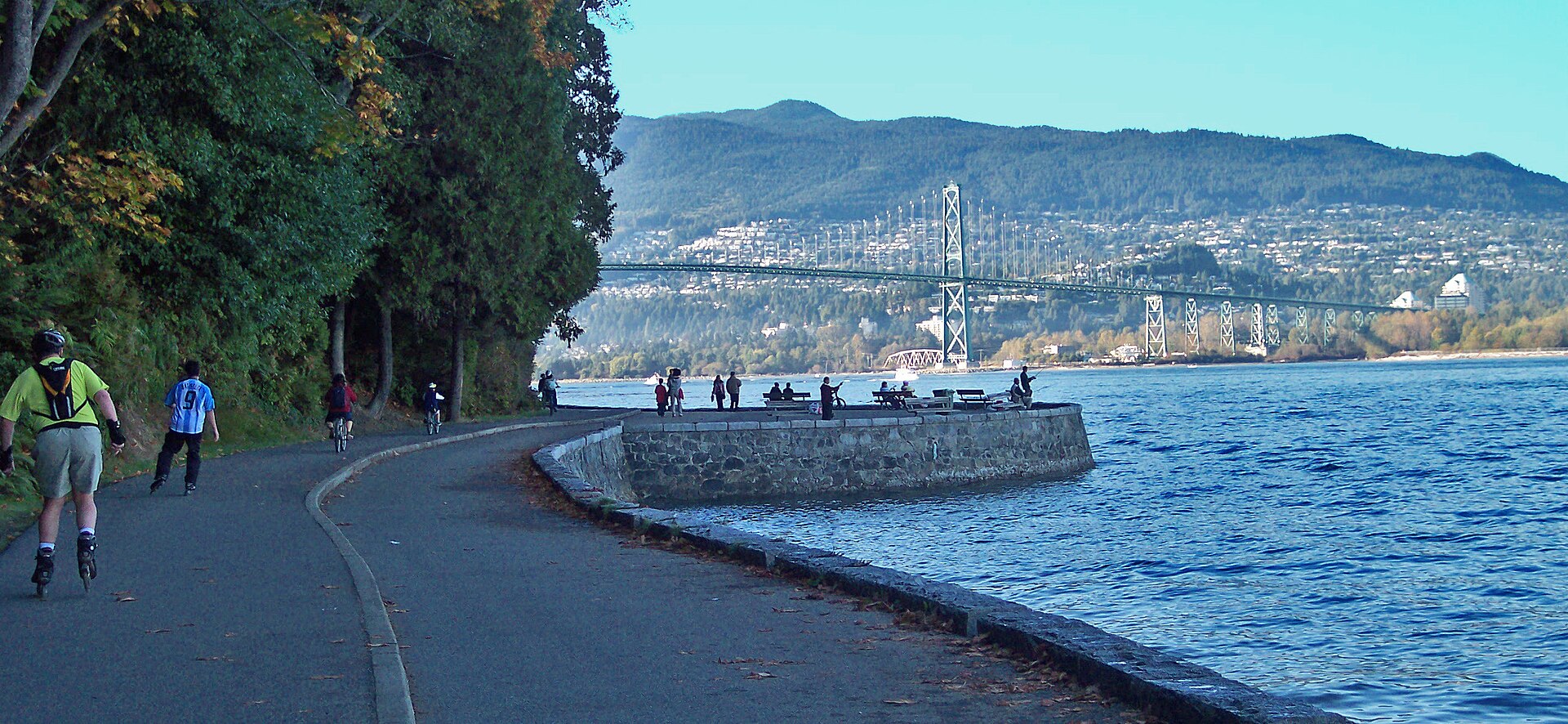
The Stanley Park seawall is the city’s single best experience and costs nothing. The full loop is 10 km of flat paved path around a 400-hectare peninsula of old-growth-adjacent forest, with Lions Gate Bridge overhead at the halfway point. Walking it takes about two and a half hours; cycling it takes 60 to 90 minutes and rentals cluster at the park’s Denman Street entrance. Traffic runs counter-clockwise only, and pedestrians and cyclists have separate lanes — ignoring either rule is the fastest way to be shouted at by a local.
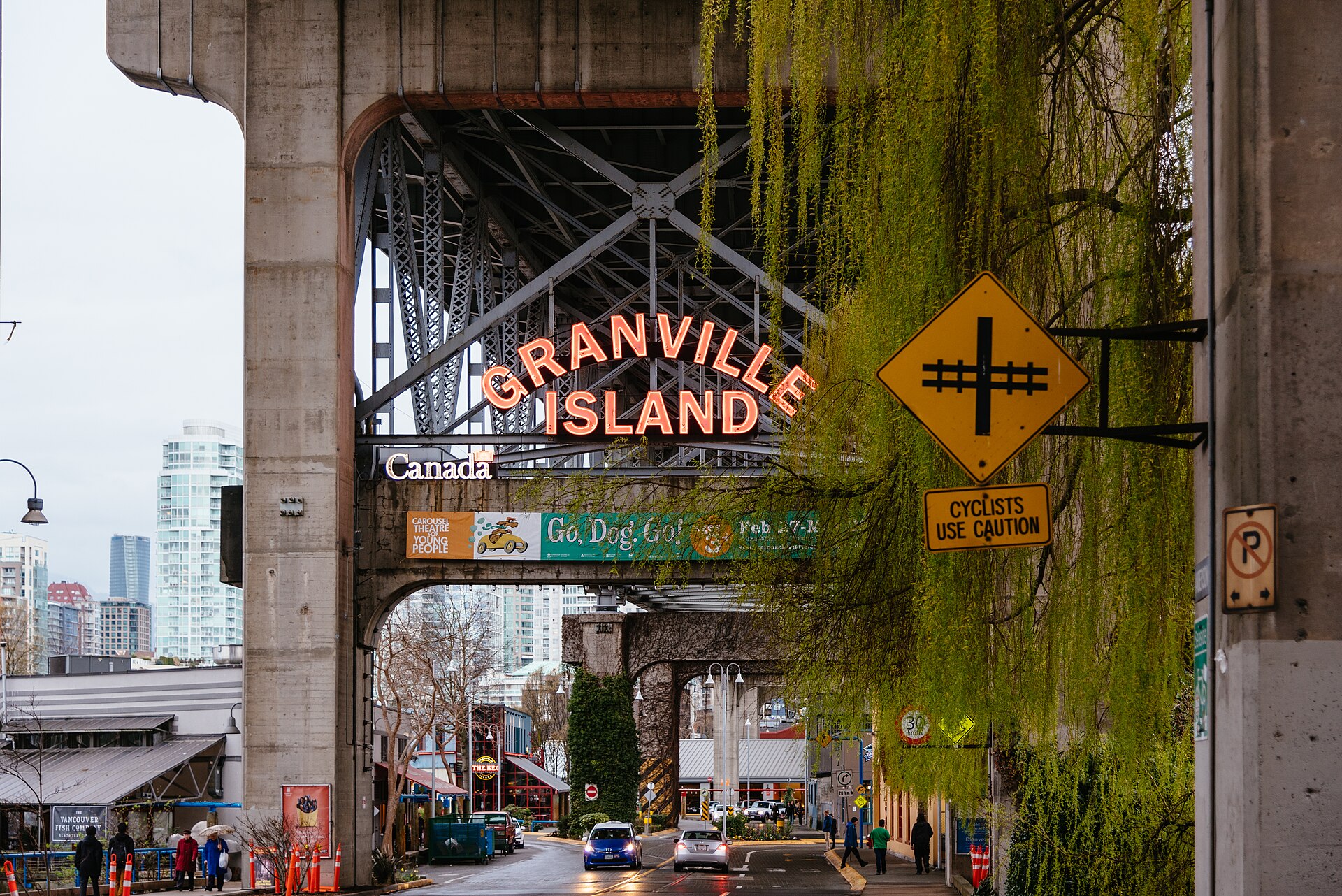
Beyond the park: Kitsilano Beach and Jericho Beach for the skyline-with-mountains view that appears on every postcard, Queen Elizabeth Park for the highest free viewpoint inside the city, the Dr. Sun Yat-Sen Classical Chinese Garden’s free public park section next to the ticketed one, and Granville Island’s public market, which charges nothing to walk through and smell everything. The city’s museums are not free, but the Museum of Anthropology at UBC — Northwest Coast First Nations work in a Arthur Erickson building — is the one that most rewards a paid ticket.
Neighbourhoods, and what each one is for
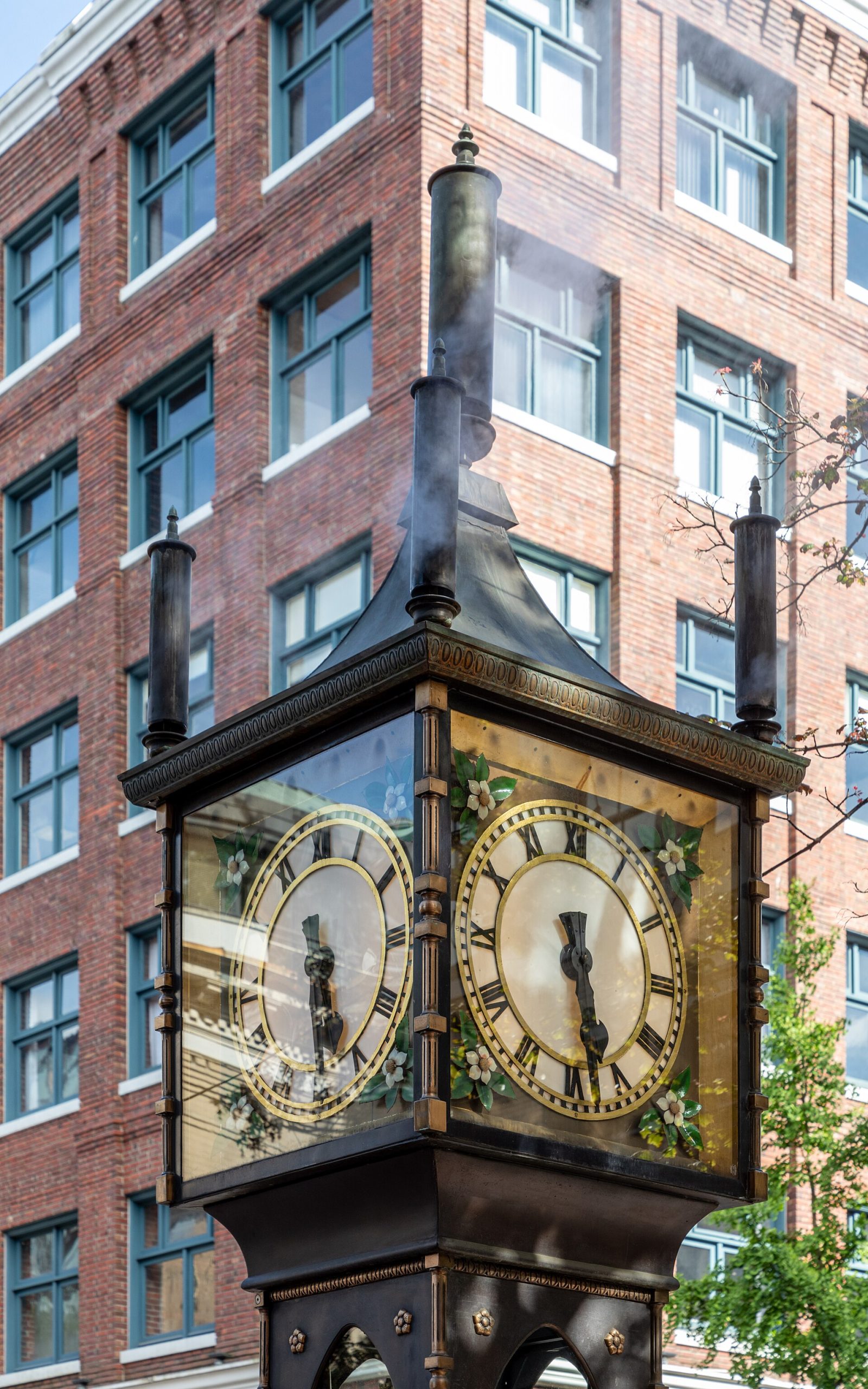
Downtown and Coal Harbour are for convenience and views: closest to the seawall, the cruise terminal and the SkyTrain, and the most expensive place to sleep. West End is downtown-adjacent but residential — tree-lined streets, Davie Street’s restaurants and bars, walking distance to both English Bay and Stanley Park. Gastown is the historic core with the steam clock and the cobbles; it photographs beautifully, has genuinely good restaurants, and sits directly beside the Downtown Eastside, which is the epicentre of Canada’s opioid crisis and can be confronting. It is not dangerous to walk through in daylight, but it is visibly a public health emergency and visitors should know that before turning the corner onto East Hastings.
Yaletown is converted warehouses, patios and the False Creek ferries. Kitsilano is beach life, yoga studios and independent shops across the Burrard Bridge — the best base if you want a neighbourhood rather than a hotel district. Mount Pleasant and Main Street hold the breweries and the best mid-range food. Commercial Drive is the old Italian quarter turned counterculture strip. Richmond, near the airport, has the best Chinese food in North America and a night market in summer; it is a legitimate reason to stay near YVR rather than a consolation prize.
A workable three-day plan
Day one — the peninsula. Morning at Granville Island market, aquabus across False Creek to Yaletown, walk to English Bay, then the Stanley Park seawall in the late afternoon when the light hits the North Shore mountains. Dinner in the West End.
Day two — the North Shore. SeaBus from Waterfront to Lonsdale Quay (12 minutes, ordinary transit fare, arguably the best-value boat ride in Canada), then a bus to either Capilano or free Lynn Canyon. Afternoon at Deep Cove for the Quarry Rock hike and a doughnut from Honey’s. Back across the water for sunset.
Day three — city and food. Museum of Anthropology at UBC in the morning, Kitsilano Beach at midday, Main Street or Commercial Drive in the evening. If it is raining hard, swap in Richmond: dim sum, the Aberdeen Centre, and the Steveston fishing village waterfront.
With a fourth day, get out of the city entirely — see the day trips section below.
Where to sleep, and what it costs
Vancouver hotel prices swing violently by season. July and August are peak, with cruise-ship turnaround days pushing downtown rates to their annual highs; November through March is when the same rooms are half the price and the mountains are still there under the cloud. Shoulder months of May, June and September are the value sweet spot — long daylight, less rain than winter, and no cruise premium.
Practical guidance: staying in the West End or Yaletown rather than the central business district usually buys a better neighbourhood for less money, and Richmond or North Vancouver cut rates further at the cost of a SkyTrain or SeaBus ride. Parking downtown is charged separately and is expensive, so if you are renting a car, do not rent it for the days you are staying in the city.
Day trips: this is where a car earns its keep
Vancouver is the trailhead for some of the best driving in Canada, and this is the one part of the trip where transit genuinely fails you. The Sea-to-Sky Highway to Squamish and Whistler is 120 km of coastal cliff road with Shannon Falls, the Stawamus Chief and the Sea to Sky Gondola along the way. Squamish alone is a full day. Whistler is 90 minutes to two hours each way.
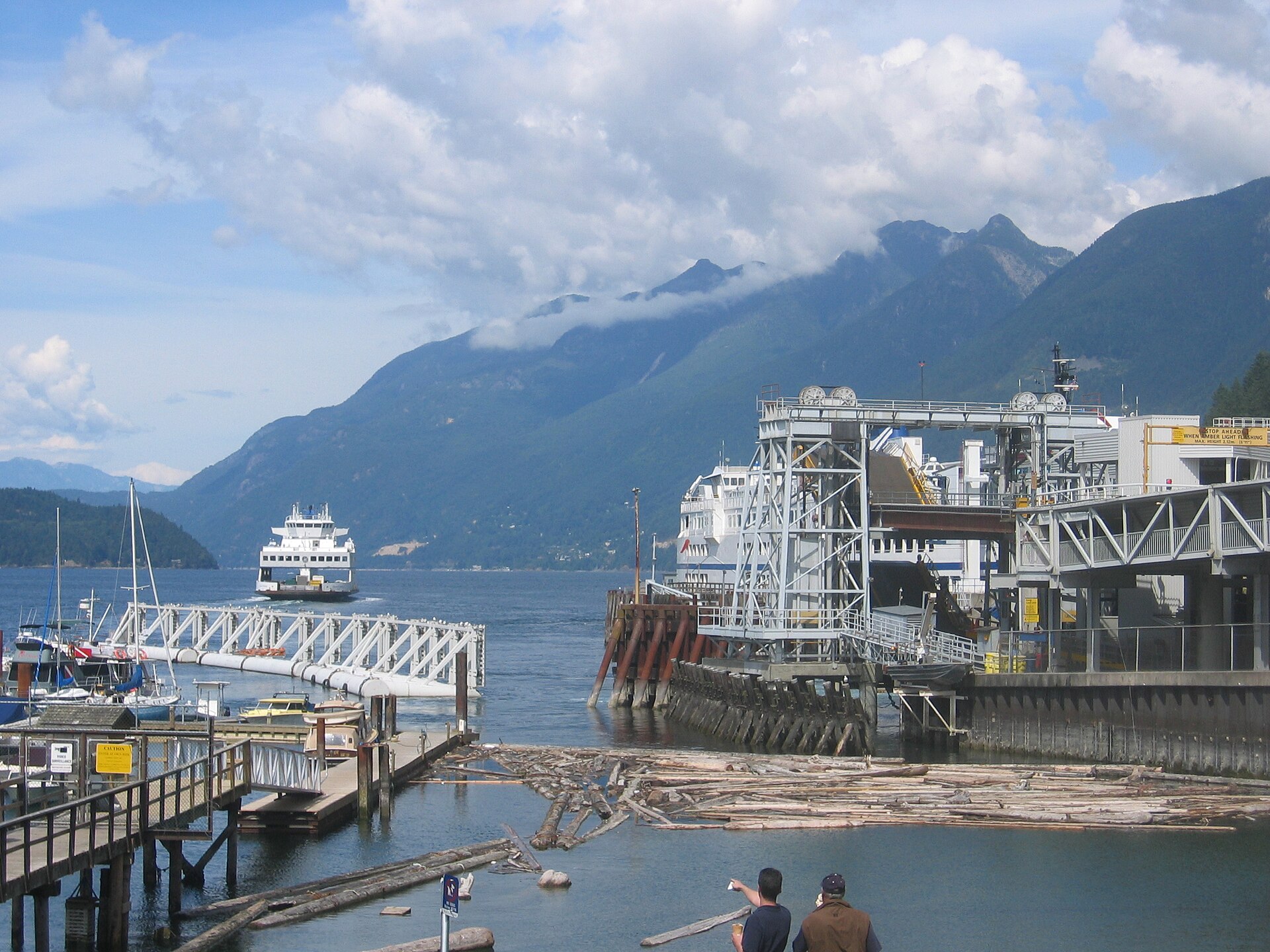
The other direction: BC Ferries from Horseshoe Bay to Nanaimo or from Tsawwassen to Victoria opens up Vancouver Island, and vehicle reservations in summer are effectively mandatory. Closer in, the Fraser Valley’s Golden Ears and Cultus Lake are an easy 60 to 90 minutes. If you would rather not drive yourself between city and mountains, our guides to minivan rental in Vancouver and motorcycle rental in Vancouver cover the vehicle-specific details, including the winter tyre rule that applies on the Sea-to-Sky from 1 October to 30 April.
Eating: the actual local specialities
Vancouver’s food identity is not a single dish. It is the density of very good Chinese, Japanese, Korean, Vietnamese and Filipino cooking, driven by decades of Pacific Rim immigration, plus a seafood supply that lands the same morning. Order accordingly: dim sum in Richmond, izakaya food downtown, Vietnamese on Kingsway, salmon and spot prawns anywhere near the water in season (spot prawn season is roughly six weeks from mid-May).
Two local inventions worth trying: the Japadog street cart hot dog with Japanese toppings, and the “Vancouver-style” sushi roll that put avocado and cooked crab in the mainstream. Neither is fine dining. Both are honestly local. The city also runs on coffee to an aggressive degree, and tipping expectations are the North American standard of 15–20% at table service.
Getting around once you are here
SkyTrain covers three lines and is driverless, frequent and easy; buses cover everything else; the SeaBus crosses Burrard Inlet every 15 minutes. A Compass Card or contactless tap is the cheapest way to pay, and a day pass makes sense only if you are making four or more trips. Cycling is genuinely practical — the city has protected bike lanes on major downtown streets and the Mobi bike share system covers the core. Driving inside the city is the worst option: bridges bottleneck, street parking is metered nearly everywhere, and the one-way system downtown punishes improvisation.
When to go
July and August deliver reliable sun, 20–25°C days and the highest prices. September is the best single month — warm water, clear air, and the crowds gone after Labour Day. May and June are green and changeable. November to February is grey, mild and rarely freezing at sea level, and it is also when Whistler and the three local ski hills — Grouse, Cypress and Seymour — are the reason to come at all. Vancouver almost never gets deep snow downtown; the mountains 30 minutes away get metres of it, which is the whole trick of the place.
The honest downsides
It is expensive: Vancouver ranks among the least affordable cities in North America and visitors feel it in hotel and restaurant bills. The Downtown Eastside’s visible homelessness and drug crisis will surprise people expecting a postcard. Summer wildfire smoke from the BC interior can turn the air hazardous for days at a stretch, most often in August. And the rain is not a joke — check the forecast before you buy a mountain gondola ticket, because a cloud ceiling at 800 metres turns a CA$75 view into a CA$75 wall of white.
Get those expectations right and the city delivers something few places can: a genuine metropolis where you can eat dim sum at noon, walk a rainforest trail at three, and watch the sun set behind the islands from a beach at eight.