
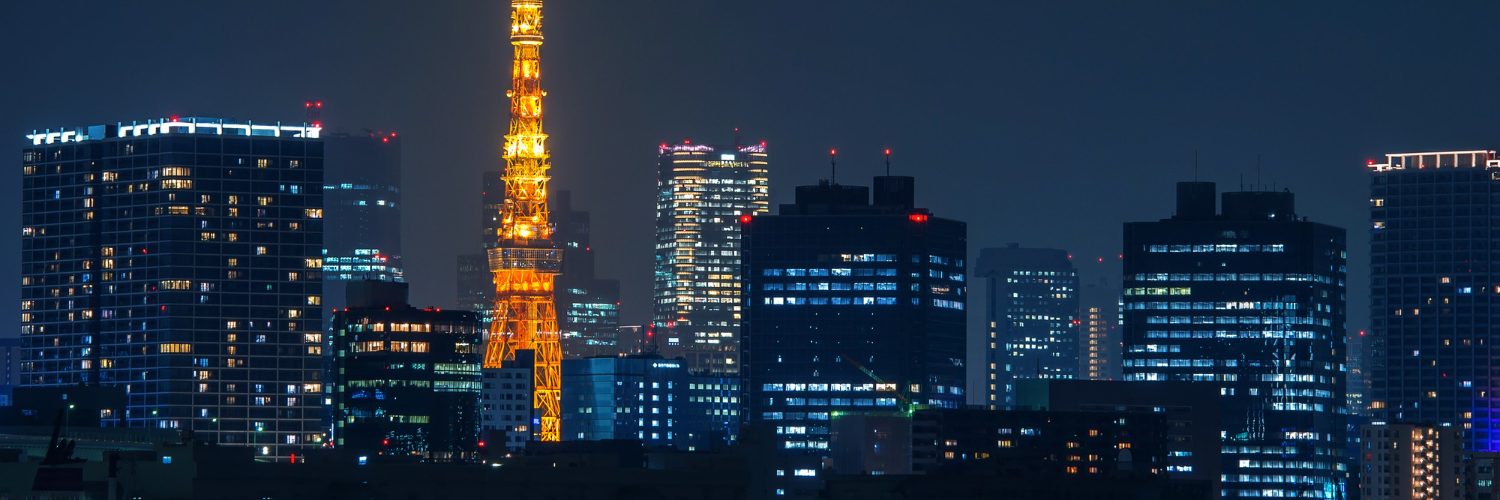
Tokyo is not one city; it is a constellation of city centres wired together by the world’s best rail network. That is why “where should I stay?” matters more here than almost anywhere else: pick the right base and everything is twenty minutes away; pick the wrong one and you spend your holiday underground. The good news is that the decision comes down to one line on the map — the JR Yamanote loop — and a handful of neighborhoods on it, each with a completely different personality and price tag. Here is how to choose in 2026.
The one rule: sleep on (or inside) the Yamanote line
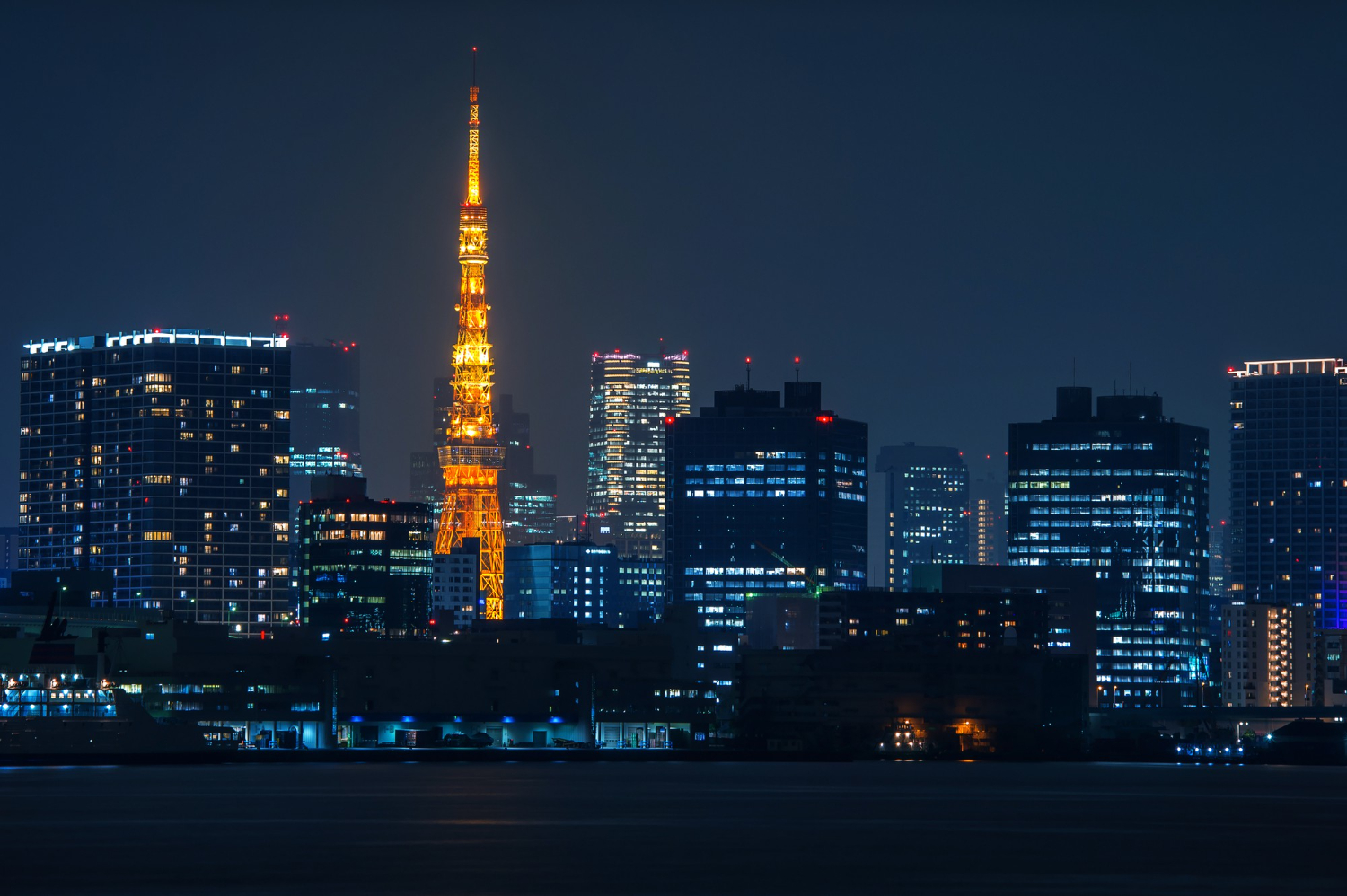
The Yamanote is a 34.5 km loop connecting nearly every district a visitor cares about — Shinjuku, Shibuya, Tokyo Station, Ueno — with trains every two to four minutes. A hotel within a ten-minute walk of any Yamanote station puts the whole city in reach without a single complicated transfer. Hotels two stations “off the loop” are often 30–40 percent cheaper and still perfectly practical — but check the walk from the station, because in Tokyo the last 800 metres with a suitcase matter more than the train ride.
Shinjuku: the default for first-timers, deservedly
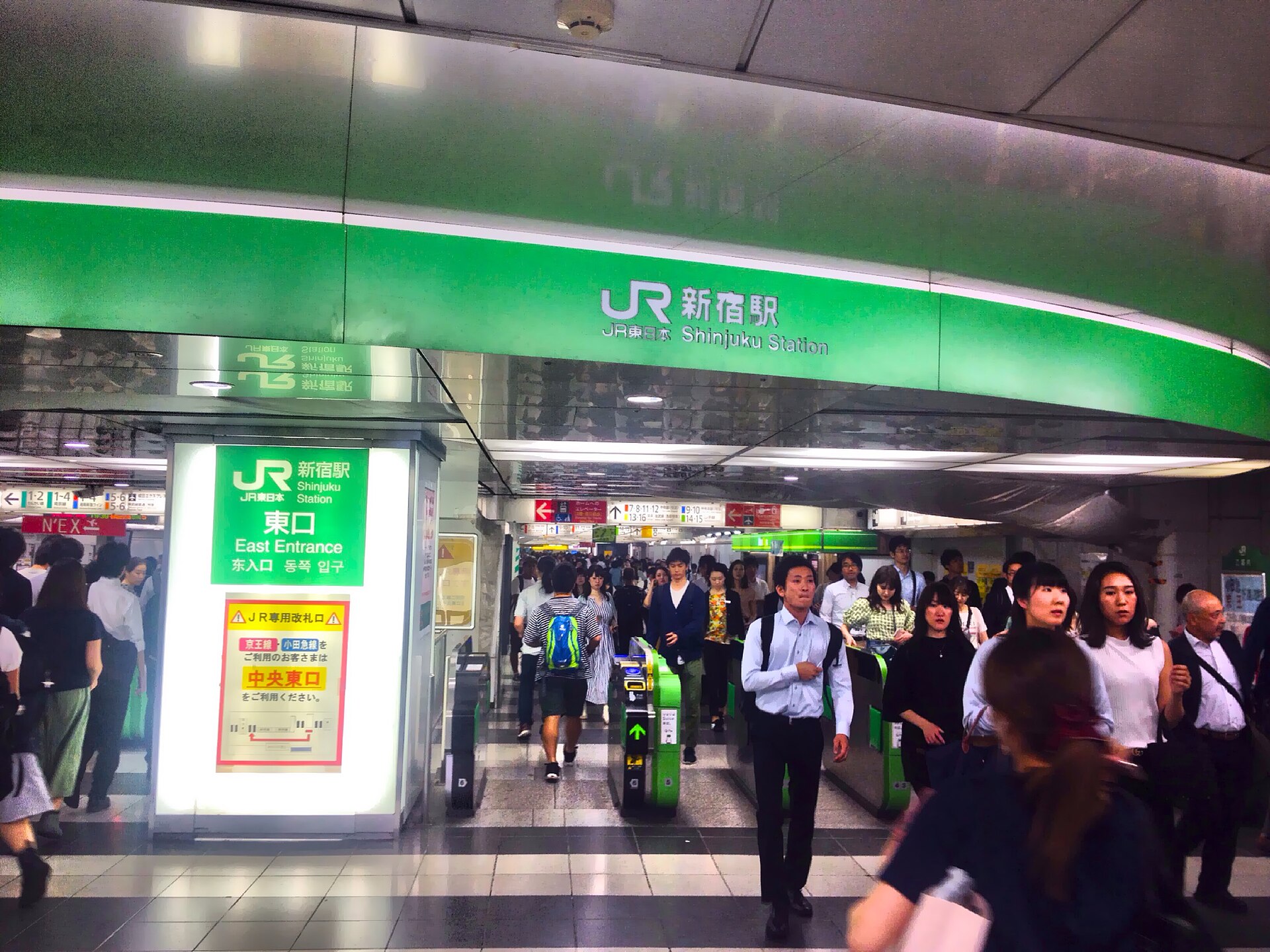
The west side of Shinjuku station (the world’s busiest, so learn your exit letter before arriving) is lined with high-rise hotels in every band: business hotels from ¥15,000–22,000 a night, internationals from ¥40,000, and the Park Hyatt of Lost in Translation fame far above that. You get direct airport buses and trains, the neon of Kabukicho, Golden Gai’s shoebox bars, and Shinjuku Gyoen park for the morning after. Downsides: it is huge, hectic, and the station can genuinely add fifteen minutes of indoor navigation to any journey. Browse Shinjuku hotels here.
Shibuya: for nightlife, fashion and second visits
Shibuya has been rebuilt almost entirely in the last decade — sky decks, mall towers, the famous scramble crossing — and its hotel stock got younger and cooler with it. Expect ¥18,000–30,000 for stylish mid-range rooms, less at hostel-hybrids toward Dogenzaka. Harajuku, Omotesando and Daikanyama are all walkable or one stop away. It skews louder and younger than Shinjuku at night; light sleepers should ask for a high floor. Compare Shibuya stays.
Tokyo Station / Ginza: convenience in a suit
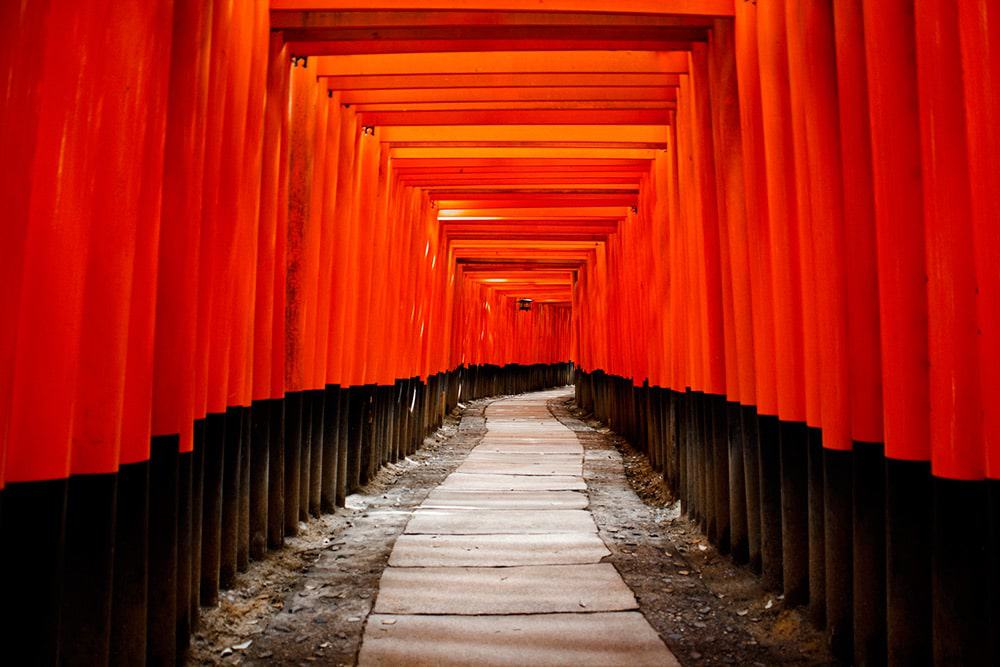
If your itinerary includes a shinkansen day-trip — Kyoto, Nikko, or the ryokan towns — sleeping above Tokyo Station is a superpower: you roll out of bed onto the bullet train. Marunouchi and Ginza are polished, quiet after 9 pm, and full of excellent mid-to-high-end hotels (¥25,000–50,000). The trade-off is atmosphere: this is corporate Tokyo, wonderful for calm, thin on street life. It is also the best base for the Narita Express and Haneda monorail connections.
Asakusa and Ueno: old Tokyo at half the price
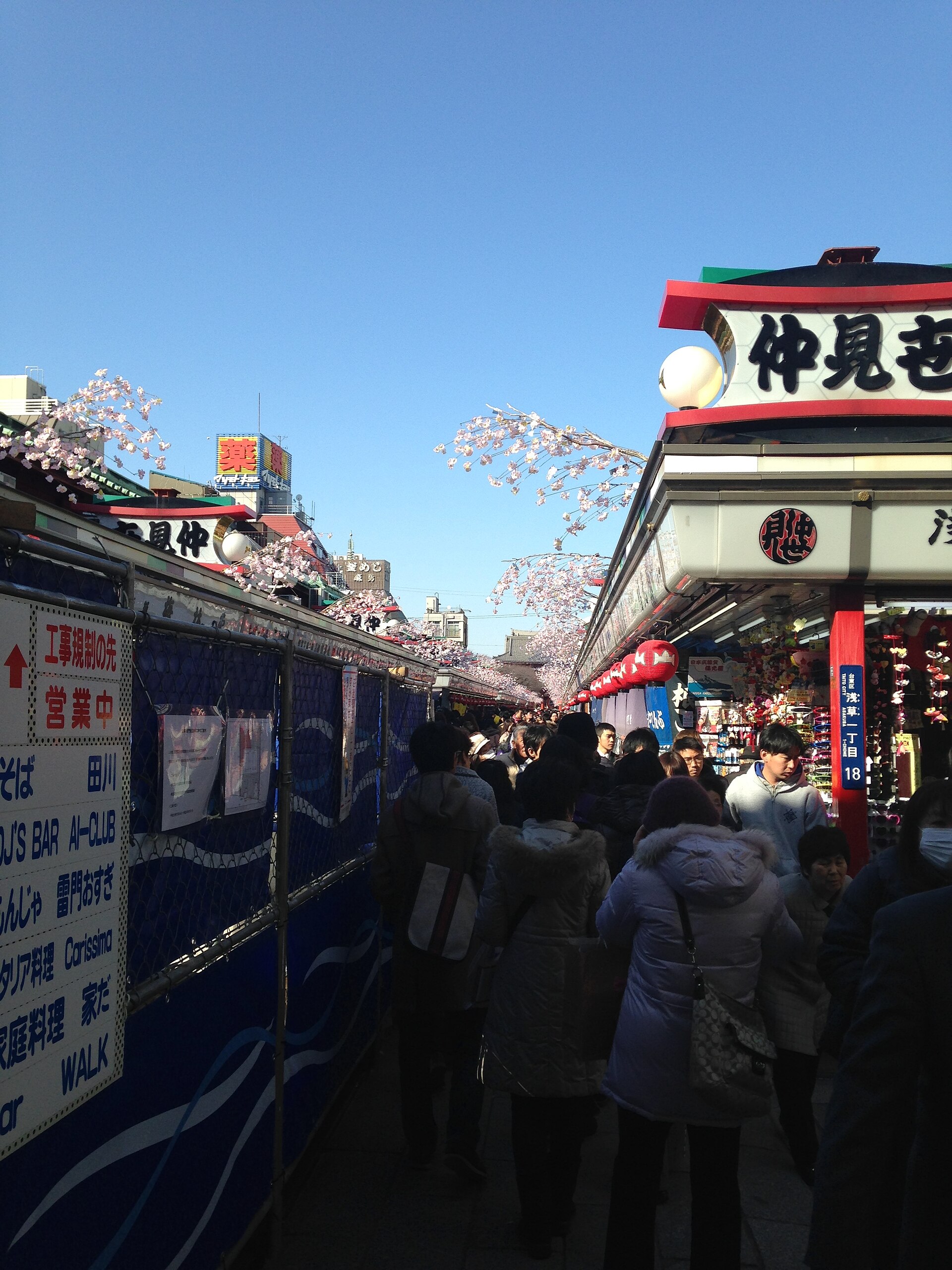
East of the loop, Asakusa wraps around Senso-ji temple with craft shops, yakitori alleys and river views, and its hotels — many opened for the pre-2020 tourism wave — are the best value in central Tokyo: modern doubles for ¥9,000–16,000, hostels far below that. Ueno adds museums, the park, and direct Skyliner trains from Narita. You trade a longer ride to Shibuya (about 30 minutes) for double the room at the same budget, plus the best cheap-eats streets in the city. Families in particular get more space per yen here. See Asakusa prices.
What rooms really cost in 2026
Tokyo hotel pricing has climbed with the tourism boom, but the weak yen keeps it reasonable in foreign currency. Rough per-night guide for a double: hostels and capsules ¥4,000–7,000 (capsules are single-only and gender-separated as a rule); business hotels (APA, Dormy Inn, Tokyu Stay — small, spotless, efficient) ¥12,000–20,000; boutique mid-range ¥20,000–35,000; luxury from ¥60,000 upward without a visible ceiling. Two quirks to know: rates are often quoted per person in traditional places, and rooms are small — 15 m² is normal for a mid-range double. If you need a 25 m² room, filter for “apartment hotels” like Mimaru or Tokyu Stay’s larger formats, aimed at families.
Watch: neighborhood by neighborhood
Booking tactics for Japan
Book early for spring (late March–early April cherry blossom) and autumn foliage (November) — the good-value hotels in Asakusa and Shinjuku sell out two to three months ahead for those windows, and prices double for what remains. Japanese hotels honour bookings rigorously and free-cancellation windows are common, so reserving a refundable room early and re-shopping later costs nothing. Check whether your rate includes the per-night accommodation tax (¥100–200 in Tokyo) and note that check-in before 3 pm is rare — but every hotel will hold luggage, and airport-to-hotel delivery (takkyubin) means you can land, ship your suitcase, and explore unencumbered on day one.
Getting in from the airports
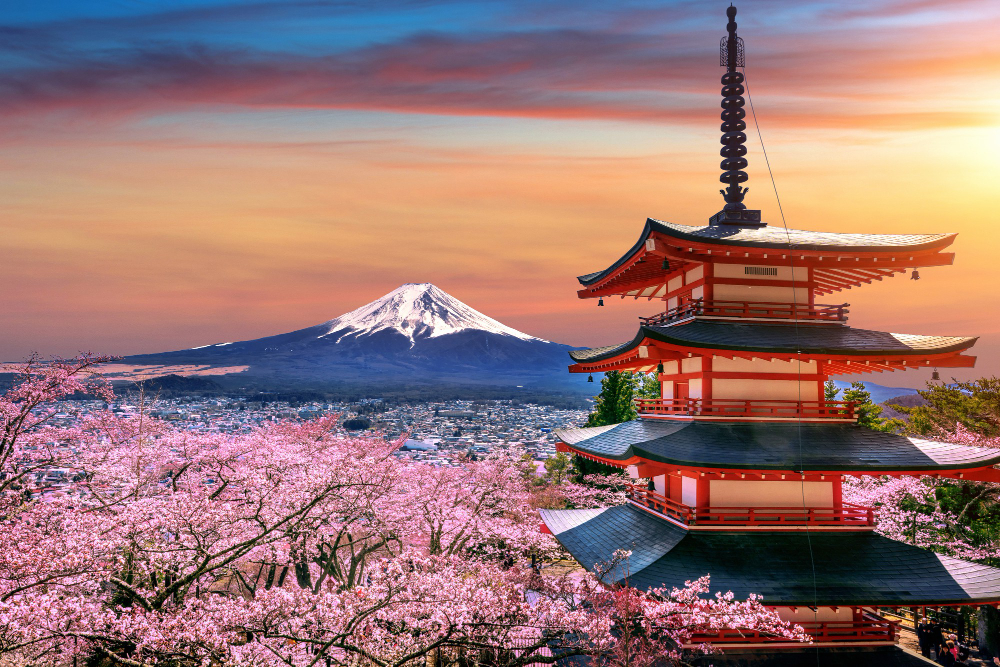
From Haneda: 30–45 minutes to most bases by monorail or Keikyu line, taxi ¥7,000–10,000. From Narita: the Narita Express serves Tokyo Station, Shinjuku and Shibuya (about ¥3,100, 60–90 minutes) while the Keisei Skyliner reaches Ueno in 41 minutes — another point for the east-side neighborhoods. Flying onward within the country? Our Japan domestic flights vs shinkansen guide runs the math. And sort your connectivity before you land — our Japan eSIM comparison covers the plans that make Tokyo’s trains navigable from minute one.
Both airports are a fixed cost you should price before you book the room, because the gap between them is larger than the gap between two hotels in the same ward. Haneda sits inside the city and is 30–45 minutes from most central wards by train or monorail. Narita is roughly 60 km east; the Skyliner and the Narita Express both take about an hour to central Tokyo, and a taxi from there is a three-figure fare in any currency. If you land after the last train — which many long-haul arrivals do — a pre-booked private transfer with a fixed price and a driver holding your name usually beats an airport hotel plus a morning train, and it removes the part of the trip where you drag luggage through a rush-hour interchange.
Check fixed-price transfers from Haneda or Narita to your chosen ward:
Three sample bases, matched to three kinds of trip
The classic first-timer week: a business hotel on Shinjuku’s west side. Day trips flow through the station’s direct lines — Hakone via the Odakyu Romancecar, Kamakura via Shonan-Shinjuku, and the airport limousine bus stops at the hotel door. Budget ¥16,000–20,000 per night and book the smallest room you can tolerate; you will only sleep there.
The food-and-culture trip: Asakusa, in a modern hotel with a Skytree view. Mornings at Senso-ji before the crowds, coffee in Kappabashi’s kitchenware streets, evenings eating along Hoppy Street for a third of west-side prices. Pair it with Ueno’s museums on rainy days. Budget ¥10,000–14,000 and put the savings into one serious sushi lunch.
The rail-pass power trip: Marunouchi, beside Tokyo Station. If you are using a JR Pass for day trips to Nikko, Karuizawa or even Kyoto, station-adjacent sleeping converts dead transit time into extra sightseeing hours — over five day-trips you effectively buy back a full day of holiday. Budget ¥28,000–40,000; weekend rates in this business district often drop rather than rise, a quirk worth exploiting.
Whichever base you choose, run the same final check: walk time from the nearest station exit (not the station — the exit), last-train times for your likely nights out, and whether breakfast is worth adding — at Dormy Inn-style chains it usually is, at luxury properties a nearby kissaten cafe beats it for a fifth of the price.
What to book before you land
Tokyo rooms and Tokyo attractions have opposite booking rhythms. Rooms reward booking early because inventory tightens; attractions are mostly walk-up, with a short list of exceptions that sell out weeks ahead and will otherwise reshape your itinerary from the hotel lobby.
The genuinely time-sensitive ones are teamLab’s digital art venues, the Ghibli Museum in Mitaka (advance lottery, months ahead), Shibuya Sky at sunset, the Tokyo Skytree Tembo Galleria on clear days, and sumo tickets during a Tokyo basho. Everything else — Sensoji, Meiji Jingu, the Imperial Palace East Gardens, most museums — you can decide on the morning of.
This feeds back into the neighbourhood decision: if your must-do list clusters in one part of the city, sleeping near it saves more time than any transit pass. Current Tokyo availability and prices:
For a full day-by-day plan of the city itself, see our guide to things to do in Tokyo.
Where to stay in Tokyo FAQ
Shinjuku or Shibuya for a first trip? Shinjuku for transport links and hotel choice; Shibuya if nightlife and shopping outrank everything else. You will visit both regardless — they are seven minutes apart.
Is Asakusa too far out? No — it is 15 minutes from Ueno’s Yamanote stop and on two subway lines. It only feels far if your evenings will all end in Shibuya after midnight, when the last trains (around 00:30–01:00) become a real constraint.
Are capsule hotels worth trying? For a night, absolutely — modern ones are quiet, high-tech and immaculate. For a week with a suitcase, no; most make you re-check out daily and storage is tight.
Should I split my stay between neighborhoods? For trips under a week, no — Tokyo’s trains make any single base workable, and moving hotels burns half a day each time.


Add comment