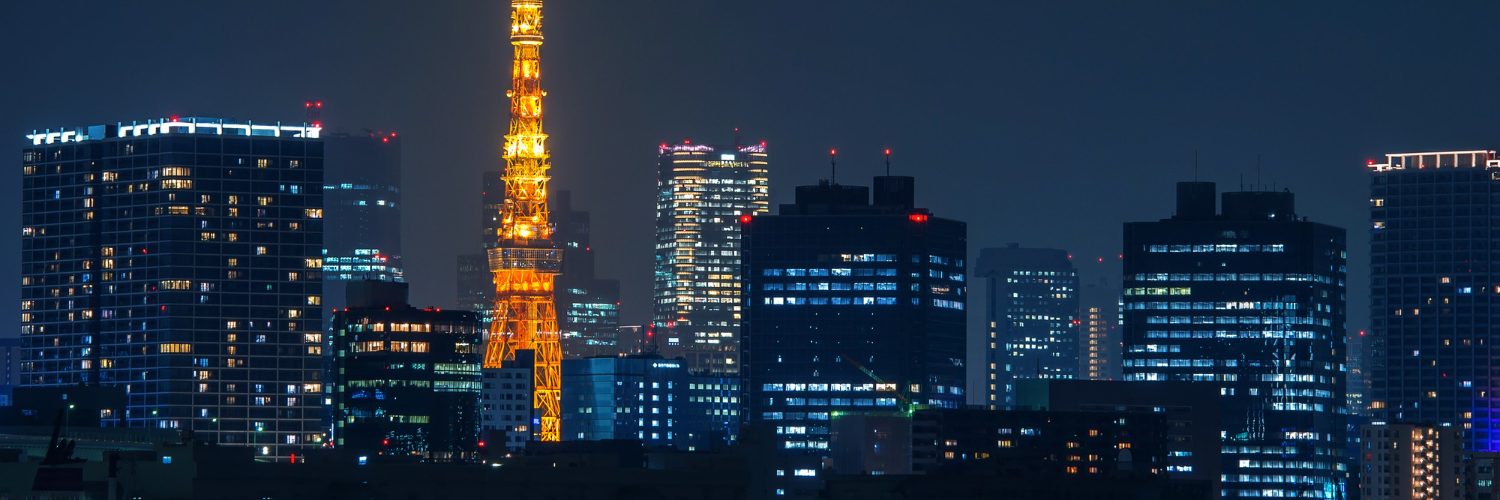
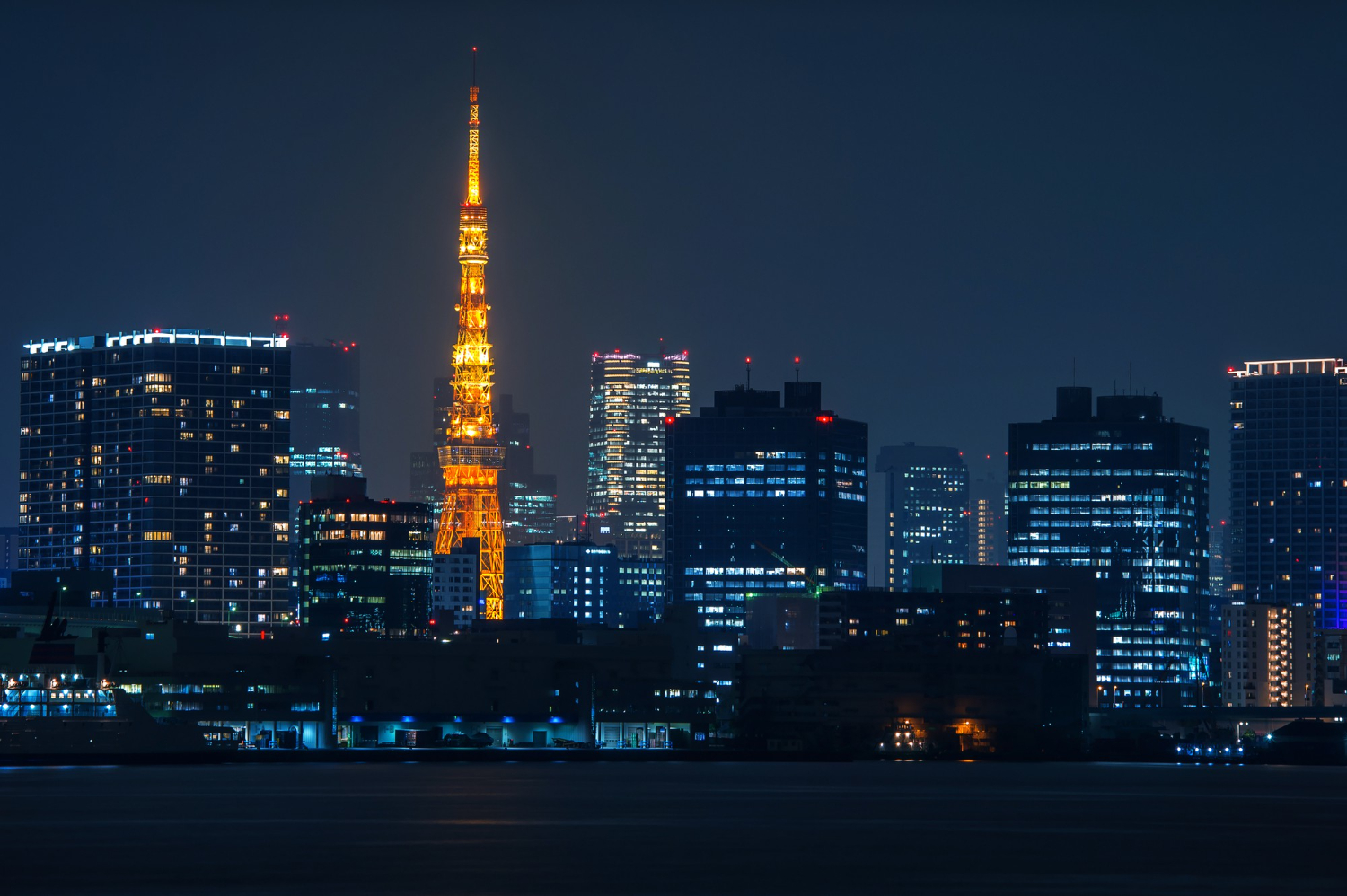
Tokyo is the largest metropolitan area on earth and it does not have a centre. That is the first thing to understand about visiting it. There is no equivalent of the Colosseum or Times Square that anchors everything else — instead there are perhaps a dozen districts, each the size of a decent European city, each with its own character, and the trip you have depends almost entirely on which ones you pick.
This is a guide to what those districts actually contain, what needs booking in advance (less than you would think), and how to move between them without losing half a day.
Getting in from Narita or Haneda
Which airport you land at changes your first three hours substantially.
- Haneda (HND) — only 18 km from central Tokyo. The Tokyo Monorail to Hamamatsucho takes 15 minutes for around JPY 500; the Keikyu line reaches Shinagawa in about 12 minutes. This is the good one.
- Narita (NRT) — 70 km east. The Narita Express (N EX) reaches Tokyo Station in about 55 minutes for roughly JPY 3,070, with a discounted round-trip for foreign passport holders. The Keisei Skyliner reaches Ueno in 41 minutes for around JPY 2,570. The cheap option is the Access Express at around JPY 1,300, which takes 90 minutes.
Late arrivals at Narita are the case for a pre-booked transfer — the last N EX leaves around 21:45 and a taxi from Narita can exceed JPY 25,000. For everything else the trains are excellent. Our guide to domestic flights in Japan covers onward travel.
The districts, and what each is for
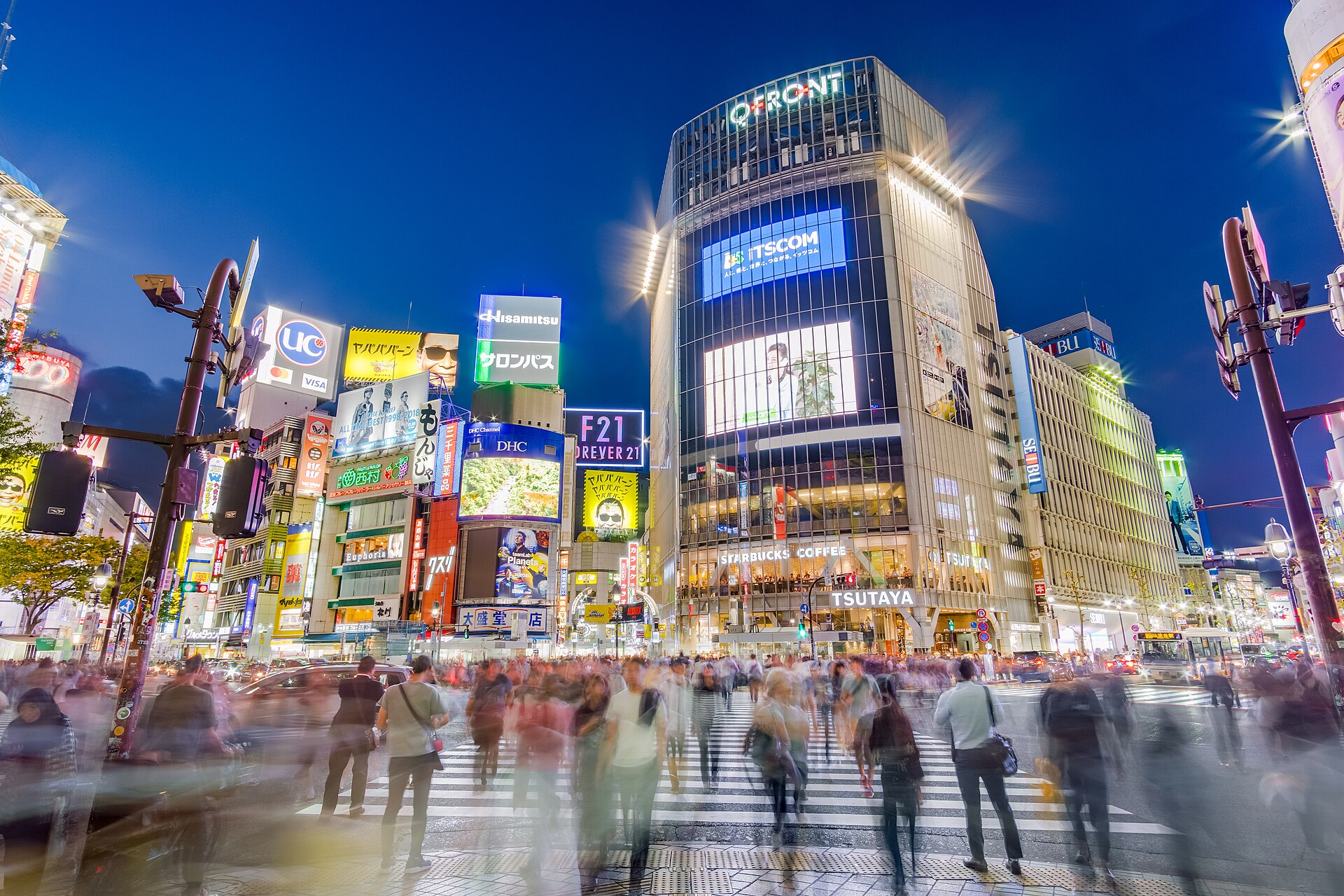
- Shibuya — the scramble crossing, youth fashion, nightlife. Busiest at dusk. Shibuya Sky is the observation deck everyone photographs and it needs booking ahead.
- Shinjuku — the world’s busiest station, the Golden Gai bar alleys, Kabukicho, and Shinjuku Gyoen, which is the best park in the city.
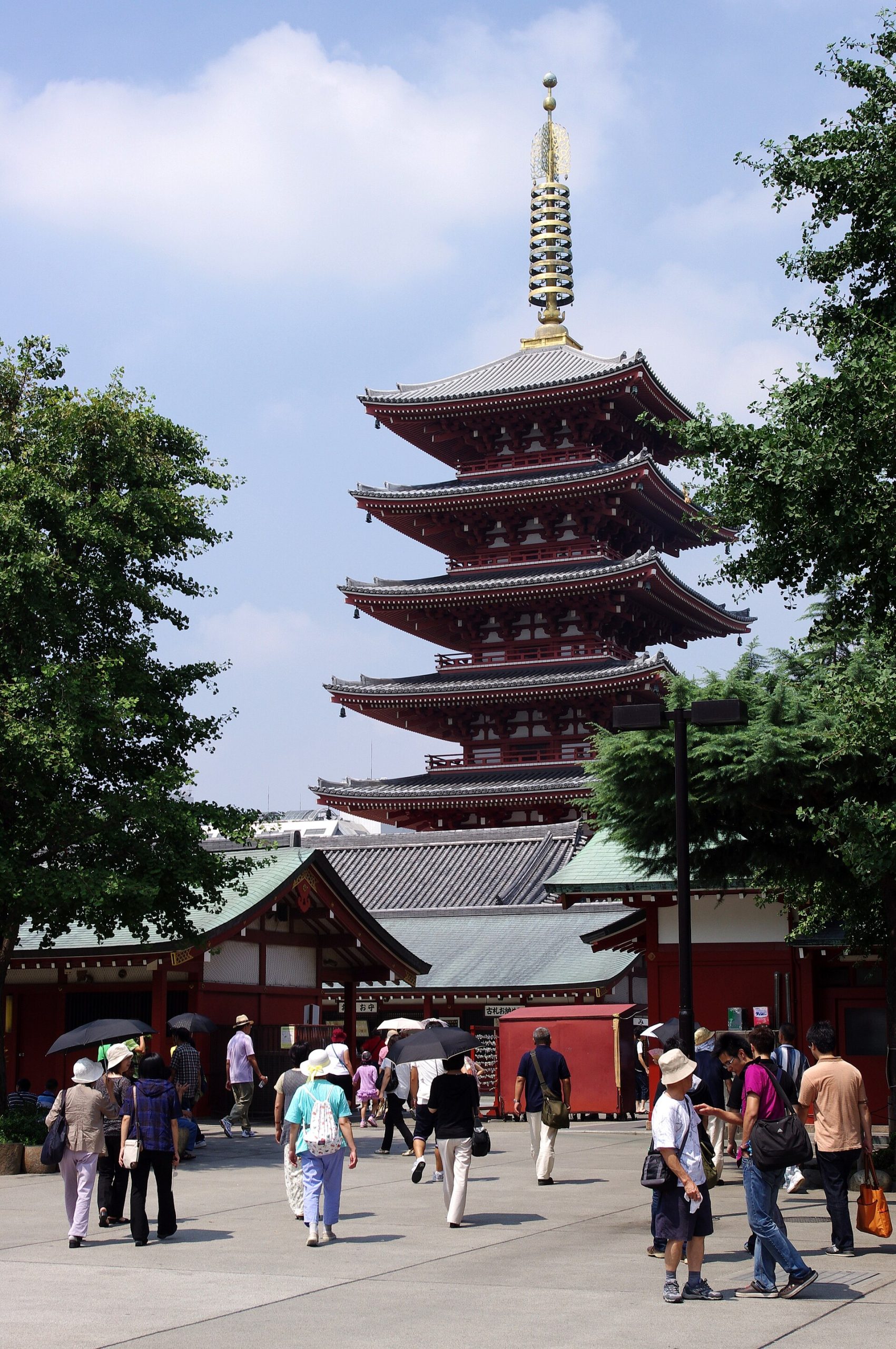
- Asakusa — old Tokyo. Senso-ji temple, Nakamise shopping street, and the closest the city comes to a traditional postcard.
- Ginza — luxury retail and the best department store food halls in the world, in the basements.
- Akihabara — electronics, anime, arcades. Genuinely strange and worth an afternoon even if none of that is your thing.
- Harajuku and Omotesando — Takeshita Street for the teenage chaos, Omotesando for architecture and coffee, Meiji Jingu shrine for the forest in the middle of it.
- Ueno — the museum district, plus a large park and a working market street at Ameyoko.
- Odaiba — a reclaimed island of malls and views, reached by driverless monorail over the bay.
Here is what is currently bookable in Tokyo and roughly what it costs:
What actually needs booking
Less than in Europe. Most Tokyo shrines, parks and neighbourhoods are free and require nothing. The exceptions:
- Shibuya Sky — the rooftop observation deck. Sunset slots sell out days ahead.
- teamLab — the digital art museums. Timed entry, consistently sold out, and genuinely unlike anything else.
- Ghibli Museum — tickets are released monthly and disappear in minutes. Plan a month ahead or accept you are not going.
- Tokyo Skytree — the tallest tower. Faster to book than to queue.
- Sumo tournaments — only six per year nationally, three of them in Tokyo, in January, May and September.
- Robot Restaurant-style shows and themed cafes — capacity limited, book if it matters to you.
Note that the Tsukiji outer market is still open and excellent, but the famous tuna auction moved to Toyosu, which requires no ticket for the upper viewing deck but an early alarm.
A workable four-day shape
- Day 1 — Shibuya and Harajuku. Meiji Jingu in the morning, Takeshita Street, Omotesando, then Shibuya at dusk for the crossing and Shibuya Sky.
- Day 2 — Asakusa and the east. Senso-ji before 08:00, Nakamise, then Skytree, then the Sumida river walk.
- Day 3 — Shinjuku and the west. Shinjuku Gyoen in the morning, the Metropolitan Government Building free observation deck at midday, Golden Gai in the evening.
- Day 4 — Ueno and Ginza. Tokyo National Museum, Ueno Park, then Ginza in the late afternoon and a department store basement for dinner.
If you have more time, a day trip to Nikko, Kamakura or Hakone is the single best addition — all are between 60 and 100 minutes by train.
Where to stay
- Shinjuku — the best transport hub in the city. If you are moving around a lot, base here.
- Shibuya — younger, louder, excellent for nightlife.
- Tokyo Station and Marunouchi — quiet at night, ideal if you are taking the Shinkansen onward.
- Asakusa — cheapest of the central options, more atmospheric, further from the nightlife.
- Ginza — expensive and calm.
Tokyo hotel rooms are small by Western standards and that is normal rather than a problem with the booking. Compare Tokyo accommodation and check the square metres before you book if space matters. Our where to stay in Tokyo guide goes district by district.
Getting around
- The rail network is the best in the world and also genuinely confusing, because it is run by several separate companies. JR lines, Tokyo Metro and Toei subway all require different tickets unless you use an IC card.
- Get a Suica or Pasmo card immediately. Tap in, tap out, works on every line and most convenience stores. This solves the whole problem.
- The JR Pass is usually not worth it for a Tokyo-only trip. It pays off when you are covering long Shinkansen distances, not city transit.
- Taxis are clean, expensive and rarely necessary.
- Walking between neighbouring districts is often pleasant and always longer than the map suggests.
When to go
Late March to early April for cherry blossom, which is spectacular and extremely crowded. Late October to early December for autumn colour, mild weather and the best light. Both are the right answer.
June is the rainy season. July and August are hot and very humid. January and February are cold, dry and clear, and the city is at its quietest.
Getting from the airport to your accommodation is the one leg worth arranging before you arrive — compare fixed-price transfers here:
Practical notes
- Cash still matters. Japan is far more card-friendly than it was, but small restaurants, shrines and some ticket machines are cash only. Convenience store ATMs accept foreign cards.
- Tipping does not exist and attempting it causes confusion.
- Rubbish bins are rare. Carry your litter until you find one, as everyone else does.
- Trains stop around midnight and restart around 05:00. Missing the last train is a genuine and expensive mistake.
- Luggage forwarding (takuhaibin) from hotel to hotel costs around JPY 2,000 per case and is the single best travel hack in Japan.
- Connectivity. A Japanese eSIM is essential — you will be navigating stations constantly. See our best eSIM for Japan guide.
Eating in Tokyo without a reservation
Tokyo has more restaurants than any city on earth and the good ones are frequently the size of a living room. A few things that make the difference:
- Department store basements (depachika) in Ginza, Shinjuku and Tokyo Station are extraordinary food halls selling everything from bento to patisserie. Best value dinner in the city and no reservation needed.
- Ticket machines. Many ramen and curry shops take your order and payment at a vending machine by the door. Press the top-left button if you cannot read it — it is almost always the house speciality.
- Standing bars and yokocho alleys — Omoide Yokocho by Shinjuku station and Golden Gai nearby. Tiny, smoky, and where the city eats after work.
- Convenience stores are genuinely good. Onigiri, egg sandwiches and coffee at 7-Eleven, Lawson or FamilyMart are a legitimate breakfast rather than a compromise.
- Lunch sets at high-end restaurants often cost a third of the dinner price for much the same kitchen.
If a place has a queue of locals outside at 12:30, join it. That is the whole system working as intended.
Related reading
Prices are indicative for 2026 in Japanese yen. Some links on this page are affiliate links; using them costs you nothing and helps keep this site running.