
Here is the thing nobody tells you before you book: the port wine is not in Porto. Every single one of the famous lodges — Sandeman, Taylor’s, Graham’s, Ramos Pinto, Cálem — sits on the south bank of the Douro in Vila Nova de Gaia, which is not a neighbourhood of Porto but a separate city with its own mayor, its own council and its own tourist office. The river between them is not a scenic feature. It is a municipal border, and the way you cross it will shape almost every day of your trip.
Once that clicks, Porto gets much easier to plan. You stop treating the Douro as something pretty to photograph and start treating it as a logistics problem with four or five known solutions. This guide walks through the crossings, what is actually worth booking in advance, what the free version of Porto looks like, and how to spend three or four days without spending half of them walking uphill by accident.
Why Porto looks the way it does
Porto is built on granite cliffs on the north bank of a river that cut a deep, steep-sided valley on its way to the Atlantic. There is no flat riverside plain, so the city climbs. Streets that look like a two-minute walk on a map turn out to be a staircase, and the medieval core — the Ribeira — is a stack of narrow houses wedged into a slope because that was the only land available.
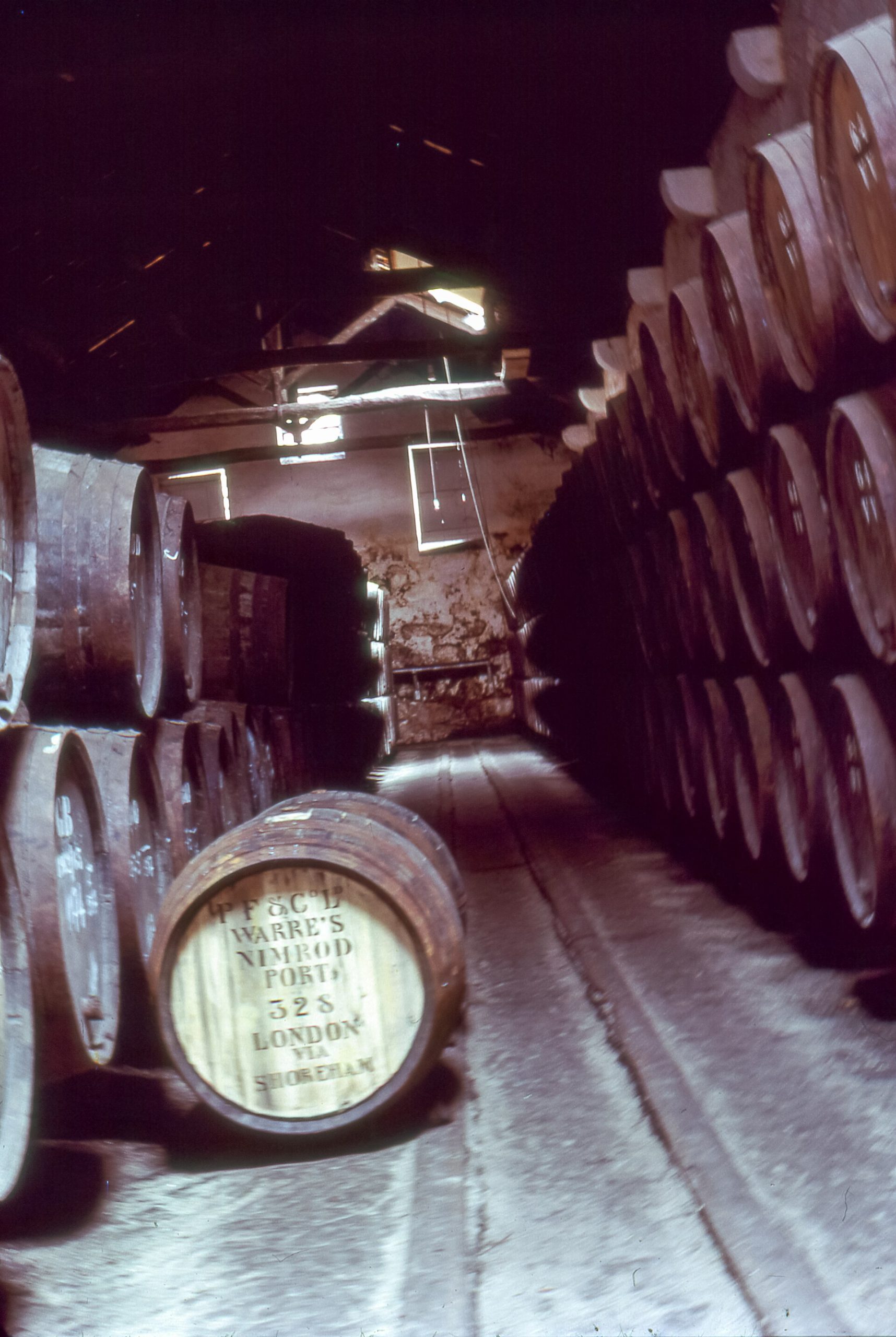
The port trade shaped the rest. British merchants who dominated the wine business from the 18th century onwards needed cool, stable warehouses to age fortified wine, and the south bank in Gaia faces north, gets less direct sun and stays several degrees cooler. So the barrels went to Gaia and the money stayed in Porto, which is why the north bank has the grand merchant buildings — the Palácio da Bolsa, the Clérigos complex, the Baroque churches — and the south bank has rows of long, low, whitewashed lodges with company names painted on the roofs.
Everything else follows from that split. The two-deck Dom Luís I bridge, opened in 1886, exists because the traffic between the two banks was commercial before it was ever touristic.
Getting in from the airport
Francisco Sá Carneiro airport (OPO) is connected to the city by Metro Line E, the violet line, which runs from the terminal to Trindade in the centre in roughly 25–30 minutes. The airport sits in the outer fare zone, so a single journey into central Porto costs more than a normal city trip — budget around €2.50 for the ticket plus a small one-off charge for the reusable Andante card itself on your first purchase. Trains run early morning to around 1am.
A taxi or ride-hailing car to the centre is typically €20–30 depending on traffic and time of day, which starts to make sense for three or four people with luggage, or for a late arrival. If you want the car waiting with your name on it rather than a queue at 11pm, book a fixed-price transfer in advance instead of taking your chances at the rank.
For a deeper breakdown of arrival logistics and neighbourhood trade-offs, our where to stay in Porto guide covers which areas actually suit which kind of trip.
What to book ahead — and what it costs
Porto has fewer hard-timed attractions than Rome or Barcelona, but it has three genuine bottlenecks.
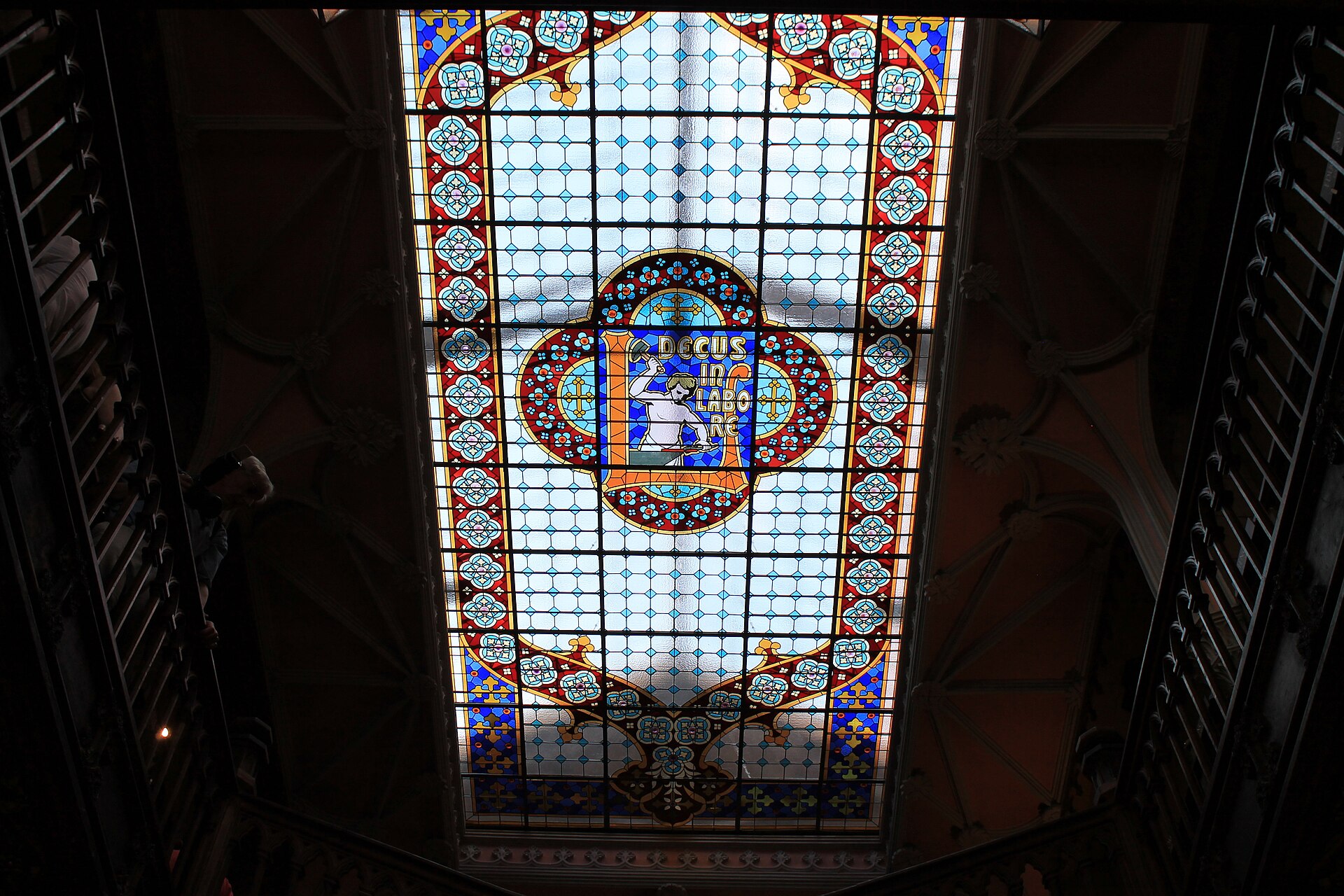
Livraria Lello. The neo-Gothic bookshop with the red staircase charges for entry — roughly €8 for a standard timed-entry ticket, or around €16 for a priority version — and the entry fee is redeemable against a book purchase. This is the one attraction in Porto where the queue can genuinely eat an hour, and where booking a slot changes your day. Be honest with yourself about it: the shop is small, it is extremely crowded, and if you are not a Harry Potter fan or an architecture obsessive you may walk out in twelve minutes wondering what happened.
Torre dos Clérigos. The Baroque bell tower gives you the best cheap view in the city — 240 steps and roughly €8–10 including the church and museum. Buy the timed ticket if you are visiting late afternoon in summer.
Port lodge tours in Gaia. Most lodges run guided tastings with fixed departure times. The small-batch and vintage tastings sell out days ahead in high season; the standard tour usually does not. Prices range from around €20 for a basic tasting to €50+ for aged tawnies.
Everything else — the cathedral, São Francisco, the Bolsa, Serralves — you can generally walk up to on the day. Here is the current live availability for Porto tickets and tours if you want to lock in the awkward ones:
What is free and no worse for it
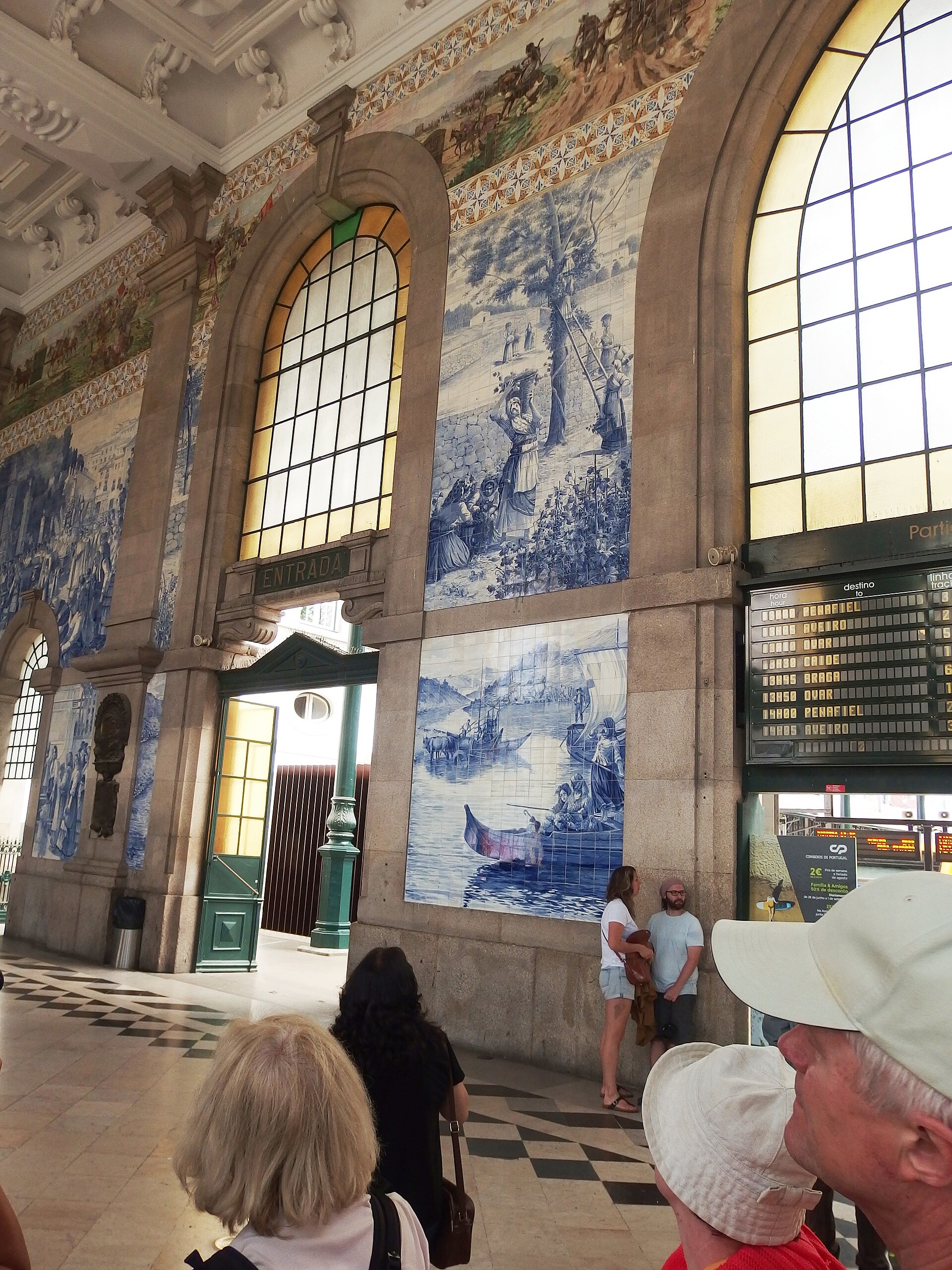
Porto rewards people who do not spend money. The Ribeira waterfront costs nothing. So does walking the upper deck of the Dom Luís I bridge, which is the single best free view in the city and takes about six minutes. São Bento station is a working railway station whose entrance hall is lined with more than 20,000 azulejo tiles depicting Portuguese history — you can walk in off the street, no ticket, no queue.
Jardim do Morro, on the Gaia side at the top of the bridge, is a public park where half of Porto sits on the grass at sunset with a bottle. Foz do Douro, where the river meets the Atlantic, is a €1.60 tram or bus ride and gives you an ocean promenade that most day-trippers never reach. And the Igreja do Carmo tile façade, the Mercado do Bolhão and the Cordoaria gardens are all walk-through-and-look propositions.
The neighbourhoods, and what each one is for
Ribeira — postcard Porto, riverside restaurants, tightly packed, loud, and priced for tourists. Good to walk through, expensive to eat in.
Baixa and Aliados — the commercial centre. Metro hub at Trindade, most of the museums and shops within a ten-minute walk, and the best base if it is your first visit.
Cedofeita and Bombarda — galleries, independent shops, the city’s design district. Quieter at night, walkable to the centre.
Bonfim — residential, rapidly gentrifying, noticeably cheaper. Ten to fifteen minutes’ walk from Baixa and the best value if you are staying a week.
Vila Nova de Gaia — the port lodges, the riverside promenade and the cable car. Staying here means a bridge crossing every time you want dinner in Porto proper, which some people love and some people resent by day three.
Foz — Atlantic-facing, wealthy, residential, 20–30 minutes from the centre. Wonderful in summer, isolated in February.
A three to four day itinerary that does not fight the hills
Day 1 — the north bank, downhill. Start high at Clérigos, walk down through Cordoaria, Livraria Lello (booked slot), then Aliados and São Bento, then drop into the cathedral and let gravity carry you into the Ribeira for the evening. You will have descended the whole day rather than climbed it.
Day 2 — Gaia. Cross on the upper deck in the morning, take the Teleférico de Gaia down to the waterfront, do two lodge tours with a long lunch between them, and walk back across the lower deck into Ribeira at dusk.
Day 3 — the Douro Valley. Either a train from São Bento to Pinhão along the river — one of the great rail journeys in Europe, and cheap — or a rental car if you want to reach quintas that the train does not serve.
Day 4 — Foz and Matosinhos. Tram 1 along the river to the ocean, seafood lunch in Matosinhos, and the Serralves museum and park on the way back if the weather turns.
Eating, and the two dishes you will be told about
Francesinha is a layered meat sandwich under melted cheese and a beer-and-tomato sauce, served with chips. It is enormous, it is not subtle, and half the visitors who order it cannot finish it. Try it once, at lunch, and plan nothing physical afterwards.
Bacalhau — salt cod — appears in dozens of preparations; bacalhau à Gomes de Sá and bolinhos de bacalhau are the safe entry points. Beyond that, Porto does grilled fish extremely well and cheaply, especially in Matosinhos near the fishing port.
On port itself: tawny and ruby are the everyday styles, white port with tonic is the local summer drink, and a good aged tawny is worth the tasting-room price in a way that a young ruby is not. Do not buy port in the airport; the lodge shops and the supermarkets are both cheaper.
Getting around once you are here
The Andante card works across metro, city buses and the funicular. Fares are zone-based: a single trip inside central Porto is roughly €1.40, and the airport zone is more. If you are making more than three or four trips in a day, the 24-hour Andante Tour ticket is usually the cheaper option.
Realistically, though, central Porto is a walking city with a hill problem, not a transport problem. The metro matters for the airport, for Matosinhos and for crossing to Gaia on the upper deck. The historic tram lines are a tourist attraction that happens to move you. And if you want to cover ground under your own steam, the riverside is flat enough that renting a bike in Porto works well along the Douro and out to Foz — just not in the old town.
Where to sleep
Porto is still noticeably cheaper than Lisbon, but the gap has narrowed every year since 2019. Expect central three-star doubles from around €90–130 in shoulder season and €150+ in June through September. Bonfim and Cedofeita are where the value is; Ribeira is where the markup is.
התיקון: לעטוף כל ווידג’ט 4038 בשני div — חיצוני נגלל אופקית, פנימי עם min-width 620px: