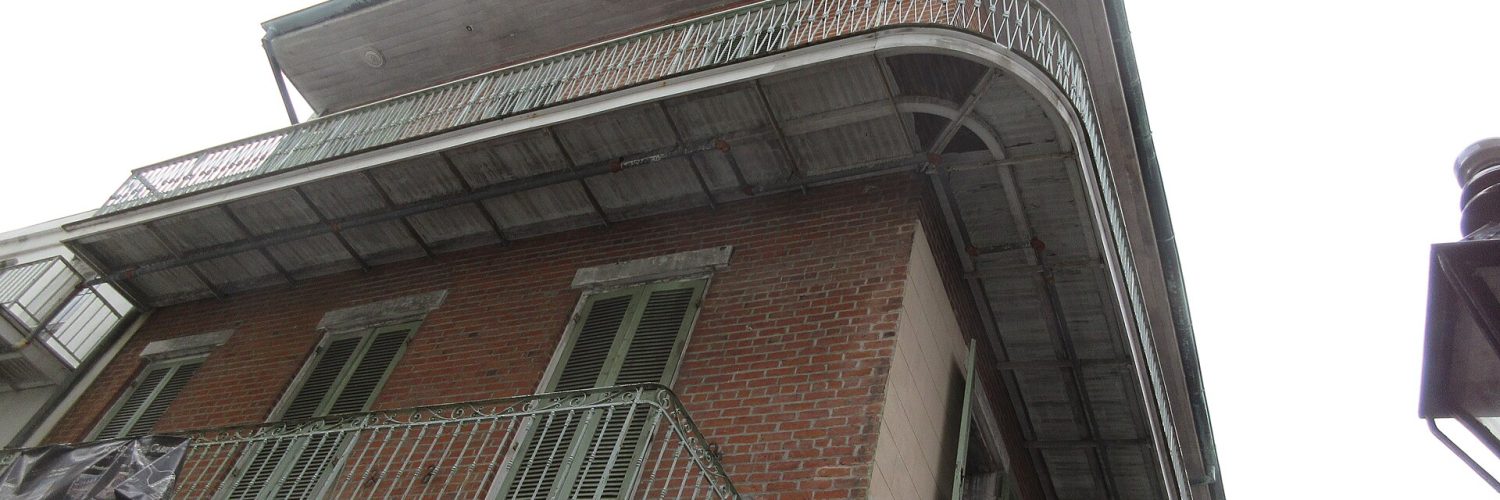
The oldest part of New Orleans is also the highest part, and that is not a coincidence — it is the whole explanation of the city. When the Mississippi flooded each spring it dropped its heaviest sediment closest to the channel, building up natural ridges of higher ground along its banks over thousands of years. The French built on that ridge in 1718 because it was the only dry land available. Three hundred years later, that same ridge is the French Quarter, the Marigny and the Garden District — and it is why those neighbourhoods stayed dry in 2005 while newer districts, built on swamp that was pumped out after 1900, did not.
Once you know that, the city reads differently. The tourist core is not on the high ground because it is the tourist core; it is the tourist core because it is the high ground. Everything else follows.
Getting around: the $3 decision
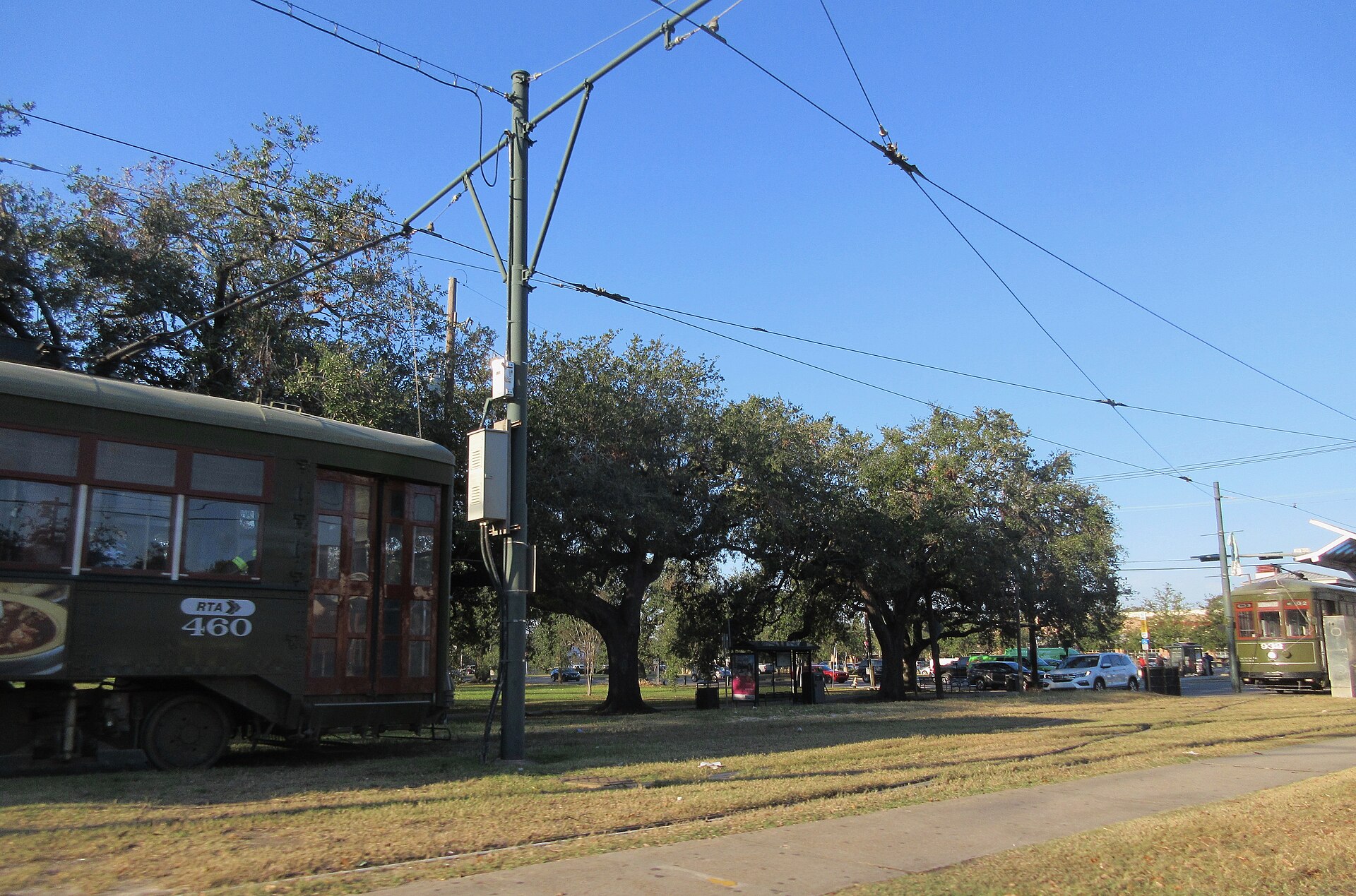
New Orleans has one of the last surviving streetcar systems in the United States, and the St. Charles line is the oldest continuously operating street railway in the world. It is also genuine public transport, not a heritage novelty.
A single ride on any RTA streetcar, bus or ferry is $1.25. A Jazzy Pass gives unlimited rides: $3 for one day, $9 for three days, $15 for five days, and $55 monthly. Passes cover the whole network including transfers, and can be bought in the Le Pass app or at ticket machines on Canal Street and at the Union Passenger Terminal.
The maths is unusually simple. Three rides in a day and the one-day pass has paid for itself. Almost everyone rides more than three times, because the St. Charles line runs the length of the Garden District and back and you will want to do that at least once each way. Buy the pass.
What to pre-book, and what it actually costs
New Orleans is not a heavy pre-booking city. There are two exceptions and both are worth planning around.
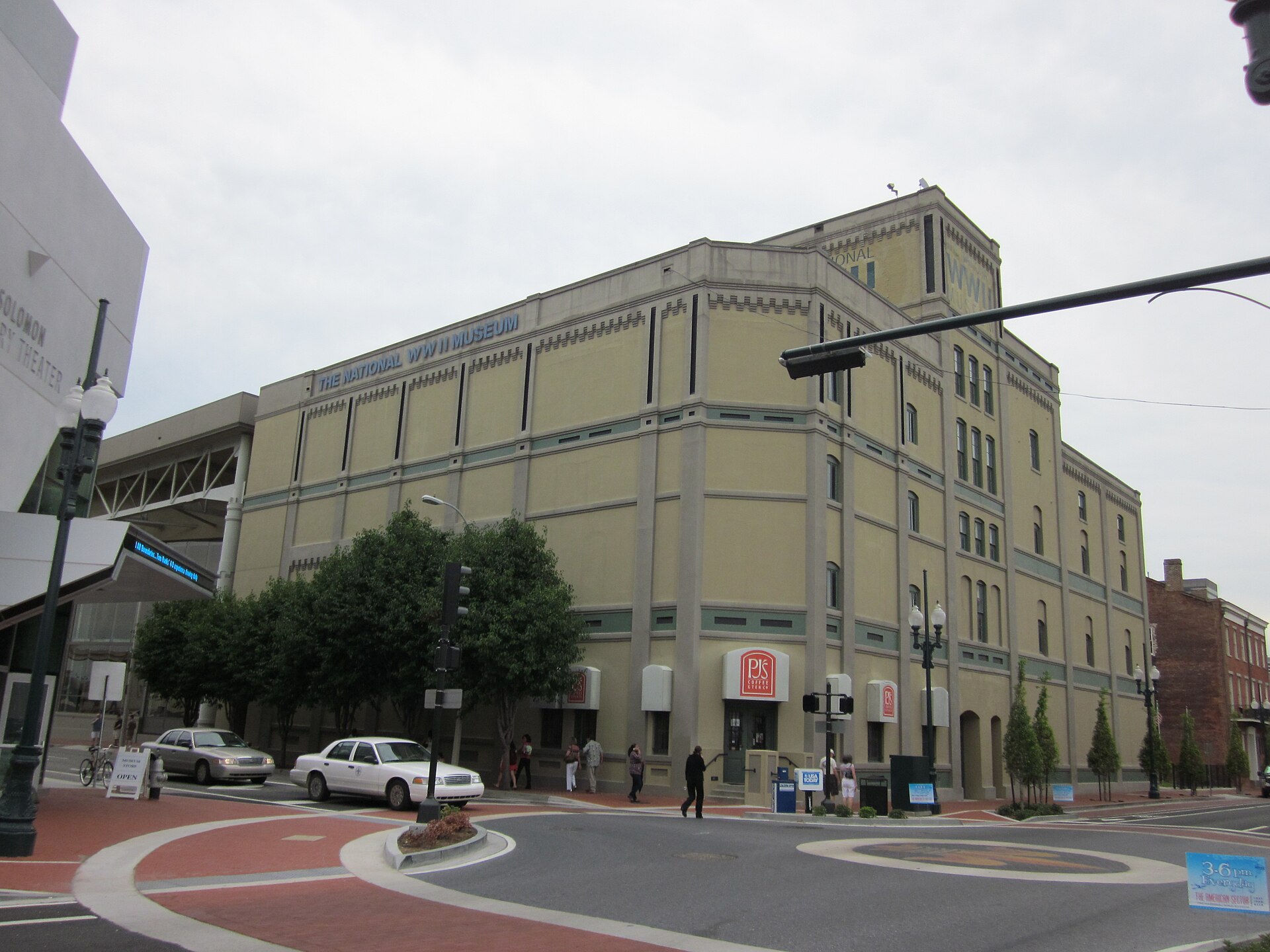
The National WWII Museum. Congress designated it the official WWII museum of the United States, and it is the one attraction here that genuinely competes with the best museums anywhere. General admission runs roughly $36 for adults, about $33 for seniors, and around $26 for children, students, veterans and military spouses — that covers all the exhibit halls including the USS Tang submarine experience. The two add-on films, Beyond All Boundaries and the Freedom Theater, are $9 each separately or $12 for both together, and the combo is the obvious choice if you want either. It opens 9am–5pm daily and closes only on Thanksgiving, Christmas Eve, Christmas Day and Mardi Gras Day.
Budget a minimum of three hours. Most people who allow two end up rushing the last building.
Anything during Mardi Gras or Jazz Fest. Not the events themselves — the parades are free and Jazz Fest tickets are their own process — but everything around them. Hotels triple, restaurant tables vanish, and the whole city operates on a different set of rules for two weeks. If your dates overlap either, book everything early or move your dates.
For the rest — city tours, swamp tours, the passes, the observation deck — here is what is currently bookable and at what price:
What is free and better than the paid version
The Mississippi ferry from the foot of Canal Street to Algiers Point is covered by your Jazzy Pass, takes about ten minutes, and gives you the same skyline-from-the-water view that paid river cruises sell. Algiers Point itself is a quiet nineteenth-century neighbourhood almost no visitor crosses to, which is precisely its appeal.
Walking the Garden District costs nothing and is the single best two hours in the city. Lafayette Cemetery No. 1 and the streets around Prytania and Chestnut are a free open-air museum of nineteenth-century American wealth. Similarly, the music on Frenchmen Street is largely free to walk in and listen to — you buy a drink, you tip the band, and you have heard better live music than most cities sell tickets for.
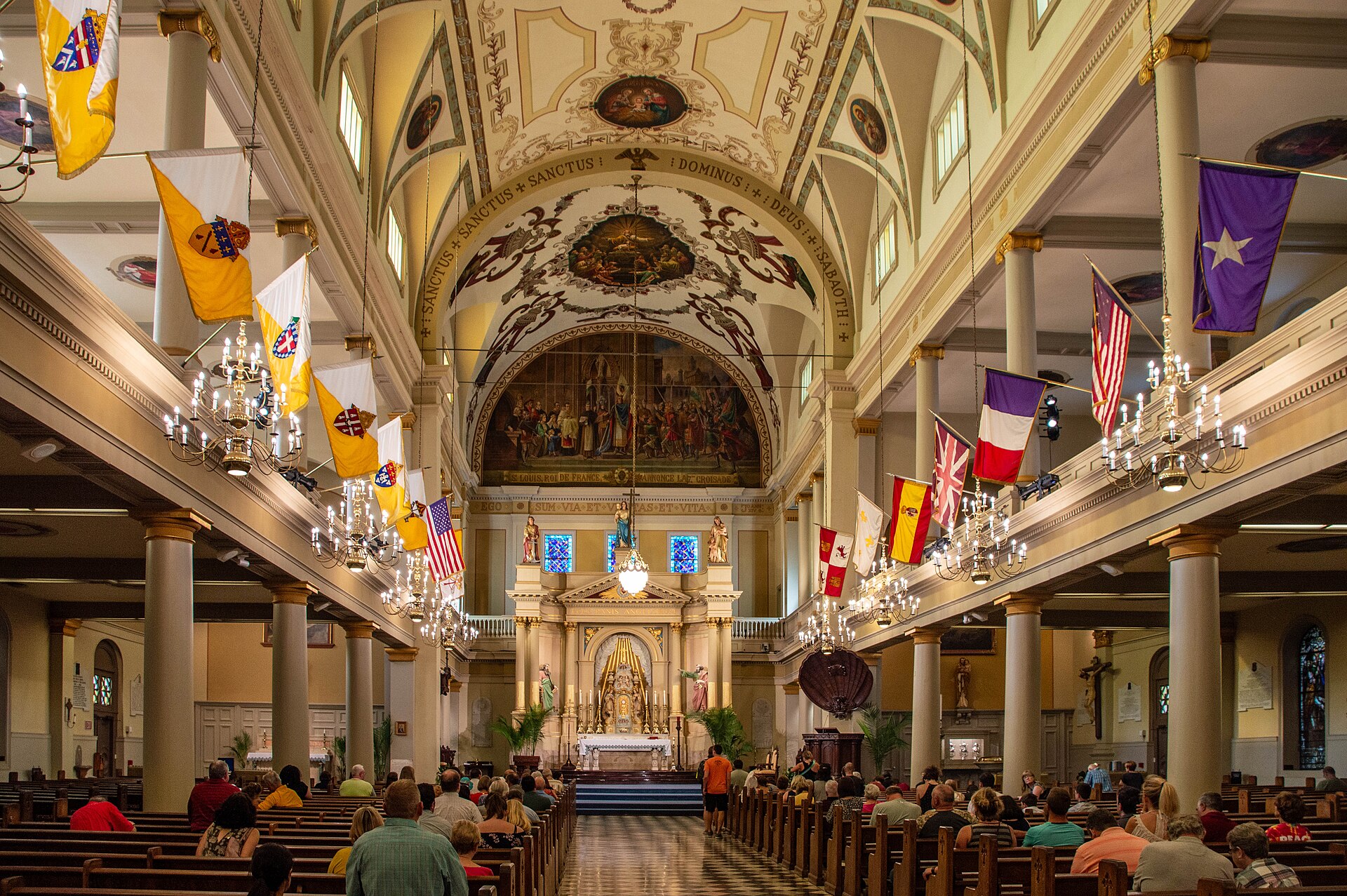
Jackson Square, the cathedral, the riverfront at Woldenberg Park, the sculpture garden at City Park: all free.
The neighbourhoods, and what each is for
- French Quarter — the oldest, the most photographed and, north of Bourbon Street, quieter than its reputation. The residential blocks toward Esplanade are lovely. Stay here if you want to walk everywhere and do not mind noise.
- Faubourg Marigny and Bywater — immediately downriver, Creole cottages, Frenchmen Street music, better food per dollar. Where a lot of people wish they had stayed.
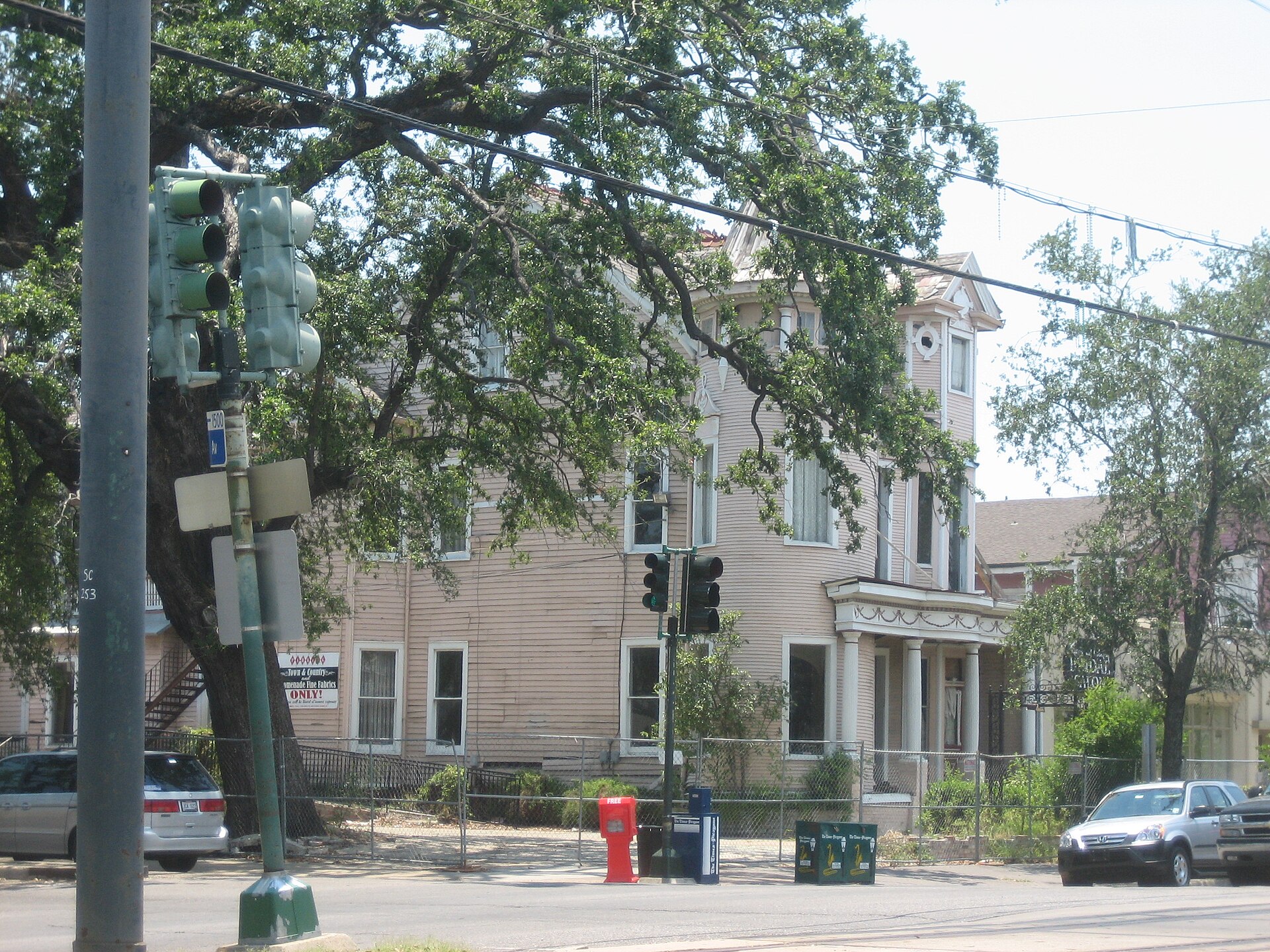
- Garden District and Uptown — mansions, oaks, the streetcar, and a much calmer pace. Good for families and for anyone whose trip is not built around late nights.
- CBD and Warehouse District — the museums, the convention centre, the modern hotels. Functional rather than charming, but well placed.
- Tremé — just across Rampart from the Quarter, the oldest African-American neighbourhood in the country and the birthplace of much of the city’s music. Congo Square is here.
Our separate guide on where to stay in New Orleans goes through these in detail with price ranges.
The honest section
Bourbon Street is not the best of New Orleans and locals will tell you so within about ninety seconds of meeting you. Walk it once, at night, to see what it is — then go two blocks over to Royal or Chartres, or across to Frenchmen, where the music is better and nobody is handing you a plastic cup.
Swamp tours vary enormously. The airboat operations are loud and fast and see less wildlife; the smaller, slower flat-boat tours see more. Neither is a scam, but they are different products sold under one name, so read what you are booking.
Some of the ghost and vampire walking tours are entertaining theatre. Some are simply wrong about history, and a few build their itinerary around a house where real, documented atrocities were committed against enslaved people, presented as spooky fun. If that sits badly with you, it should — pick a tour that describes itself as a history tour instead.
And on heat: July and August in New Orleans are genuinely difficult. Not “warm” — heat index figures well above 38°C with humidity that does not drop after dark. If you are coming in high summer, plan indoor attractions for the middle of the day and do the walking early and late.
Three days, arranged sensibly
Day one — the Quarter and the river. Jackson Square, the cathedral, the French Market, then the ferry to Algiers Point and back. Dinner in the Quarter, music on Frenchmen Street after.
Day two — museums and the Warehouse District. The WWII Museum for the morning and into the afternoon. Ogden Museum of Southern Art nearby if you still have energy. Evening uptown.
Day three — Uptown and the Garden District. St. Charles streetcar out, walk the Garden District, Magazine Street for lunch and shopping, City Park and the sculpture garden in the afternoon.
A fourth day is best spent out of town: the River Road plantation museums, most of which now centre their tours on the enslaved people who lived there rather than on the architecture, or a swamp tour in the Barataria basin. Both need a car or an organised transfer.
Eating: what to actually order
The two soups people confuse: gumbo is thickened with roux and often okra or filé; étouffée is a thicker sauce served over rice, usually crawfish or shrimp. Both are worth having. Jambalaya is rice cooked in the stock; red beans and rice is traditionally a Monday dish and still is in a lot of kitchens.
A po’boy is a specific thing on specific bread — the light, crackly New Orleans French loaf — and the fried shrimp or roast beef versions “dressed” are the standard. Beignets at Café du Monde are a tourist ritual, cost very little, and are open essentially always; go at an odd hour and the queue disappears.
Reservations at the well-known dining rooms need to be made well ahead. Reservations at the neighbourhood places generally do not.
Where to sleep
The Quarter for walkability, the Marigny for character, the Garden District for calm, the CBD for value. Rates swing violently with the events calendar rather than the season, so compare your specific dates rather than trusting a general “cheapest month”:
When to go
February to May is the best weather of the year and also the busiest and most expensive — Mardi Gras and Jazz Fest both fall in it. October and November are the quiet secret: warm, dry, far fewer people, and the hurricane season is winding down. December and January are mild and cheap. June through September is hot, humid and the active part of hurricane season, which is worth factoring into travel insurance rather than avoiding outright.
Practical notes
- Louisiana lets you carry an open container of alcohol on the street in the Quarter, in a plastic cup. Glass is not allowed outside.
- Tipping is expected and musicians in bars are usually playing for tips alone.
- A car is a liability in the Quarter — parking is scarce and expensive — but useful for day trips. Rent it for the day you need it, not the whole stay.
- Cash is still handy for tipping and small venues, though cards are accepted almost everywhere.
- For data, see our eSIM guide for the USA.
Further reading
- Where to Stay in New Orleans
- Luxury Car Rental in New Orleans
- Things to Do in New York
- Things to Do in Mexico City