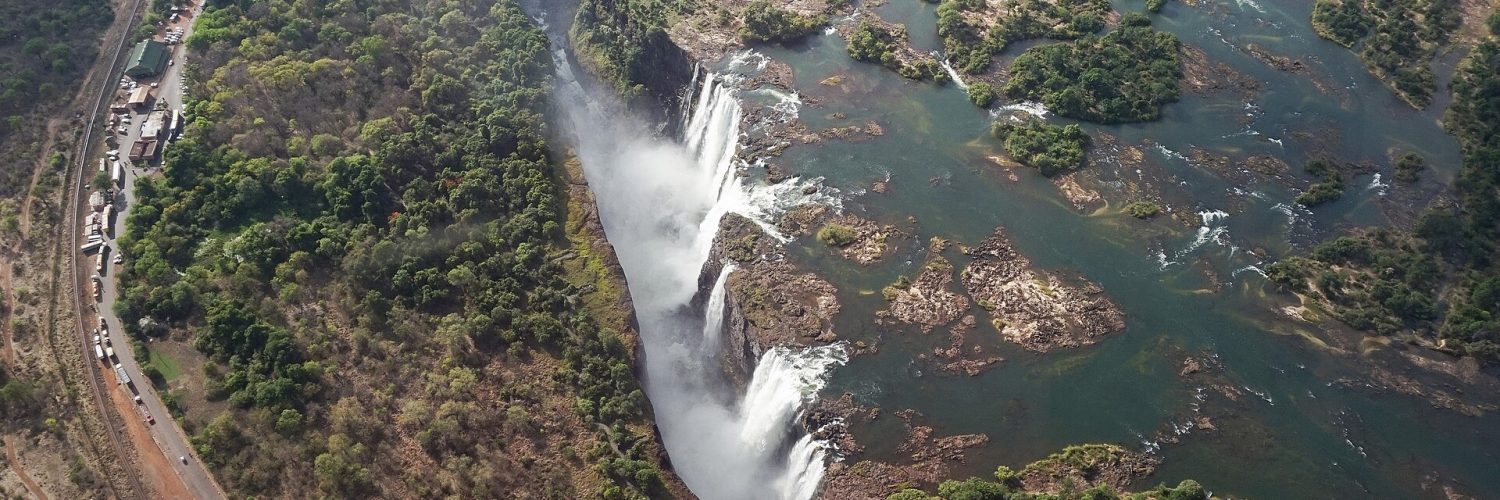
Victoria Falls is the rare headline sight that sits on an international border, which means the single biggest accommodation decision is not hotel versus lodge — it is which country you sleep in. Zimbabwe charges US$50 per adult to enter its side of the falls. Zambia charges US$20. The Zimbabwean side holds roughly three-quarters of the waterfall’s face and stays impressive year-round; the Zambian side dries to a rock wall by October but is the only place you can swim in Devil’s Pool. Getting this choice wrong costs you either money or the thing you came for.
This guide covers where to base yourself on each side, what the neighbourhoods are actually like, how far each one is from the gates and the airport, and the seasonal pattern that should drive the booking.
The border question, settled
The two towns are 11 km apart, separated by the Victoria Falls Bridge over the Batoka Gorge. Crossing on foot or by transfer is routine and takes 20 to 45 minutes depending on queues.
The document that makes this painless is the KAZA UniVisa: US$50, valid up to 30 days, and it covers both Zimbabwe and Zambia as long as you stay within those two countries. It is issued at the border posts and at both airports. Without it you pay each country’s single-entry fee separately, and a day trip across the bridge becomes a second visa charge. Park entry is billed separately at each gate — the UniVisa covers immigration, not admission.
So the practical answer: if you are staying three nights or more, get the UniVisa and see both sides. If you have one night, sleep in Zimbabwe. The view from the Zimbabwean rainforest path is the one on the postcards, and the town has more to do after dark.
Victoria Falls town, Zimbabwe
A small, walkable grid about 1.5 km from the park gate and roughly 20 km from Victoria Falls International Airport (VFA). This is the highest-density option and the easiest if you do not want to arrange transport for everything.
- Town centre. Hotels and guesthouses within walking distance of restaurants, the craft market and the park entrance. Warthogs genuinely wander the streets; so occasionally do elephants, which is why hotels discourage walking after dark.
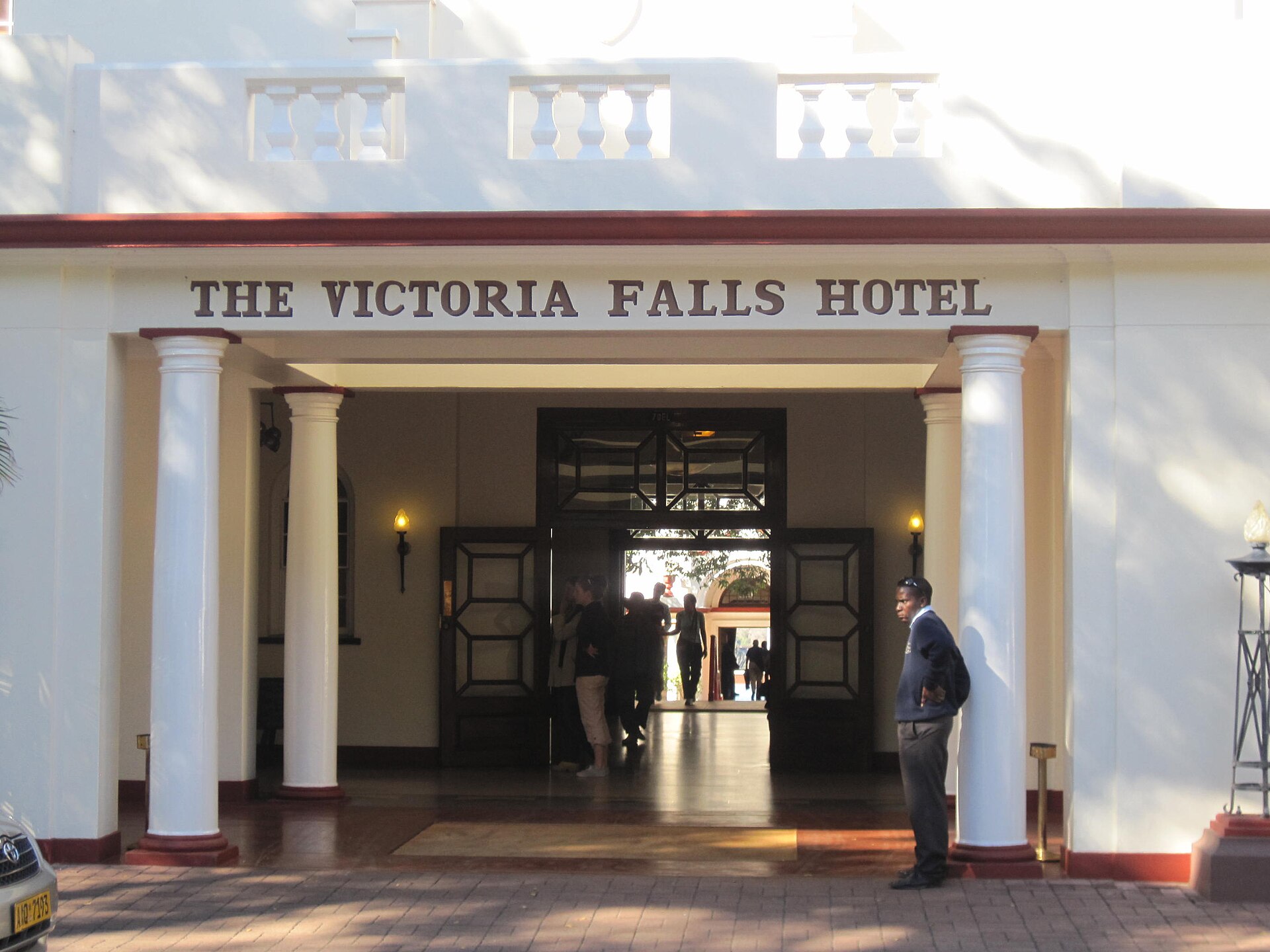
- The historic quarter near the bridge. A handful of colonial-era properties built for the railway line, with terraces looking toward the spray. Expensive, and the atmosphere is the product.
- Masuwe and the Zambezi National Park road. Bush lodges 5–15 km out, with waterholes and game on the property. You trade walkability for wildlife; every trip into town becomes a scheduled drive.
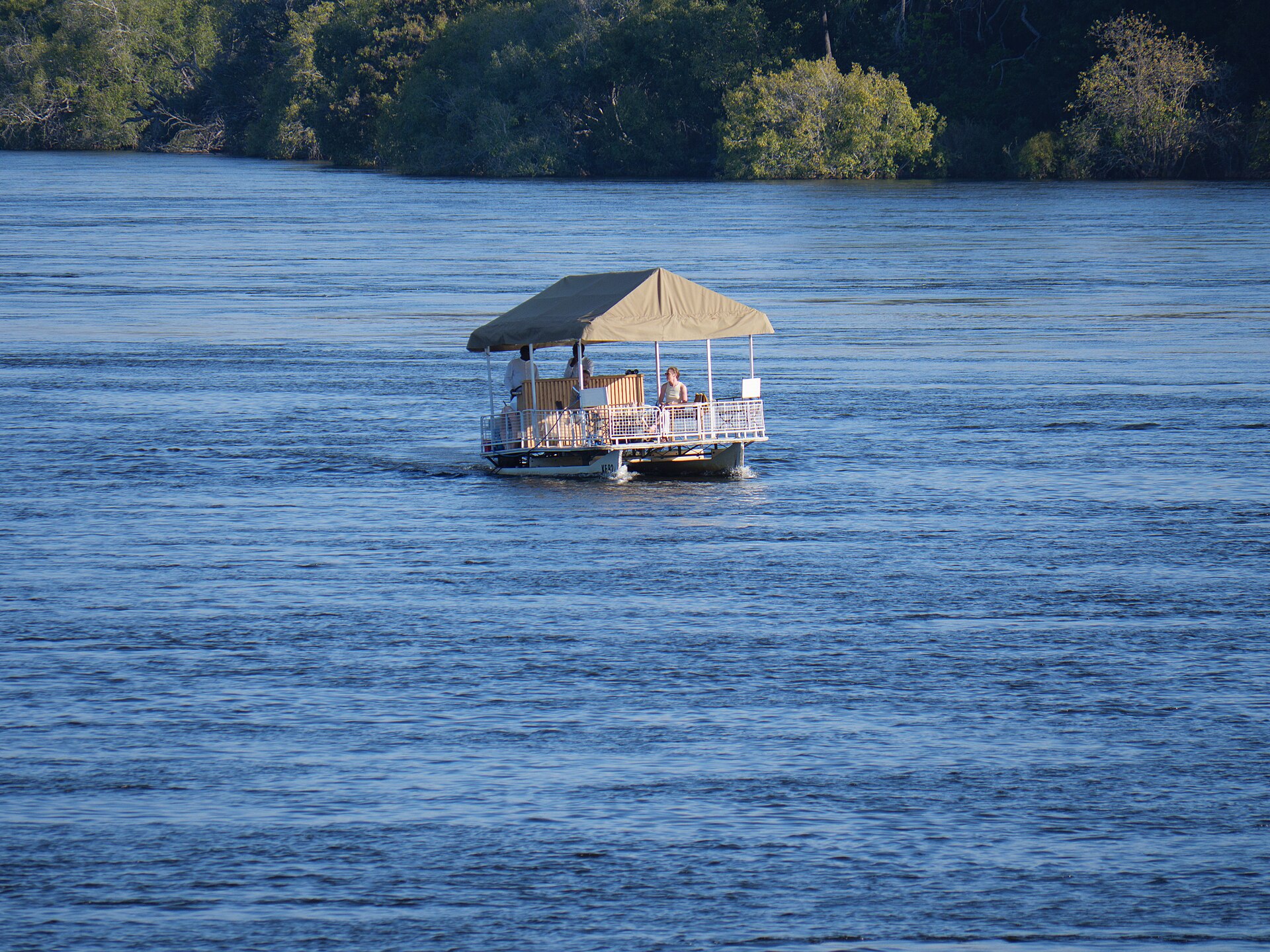
- The riverfront upstream. Lodges strung along the Zambezi above the falls, geared to sunset cruises and river frontage rather than the waterfall itself.
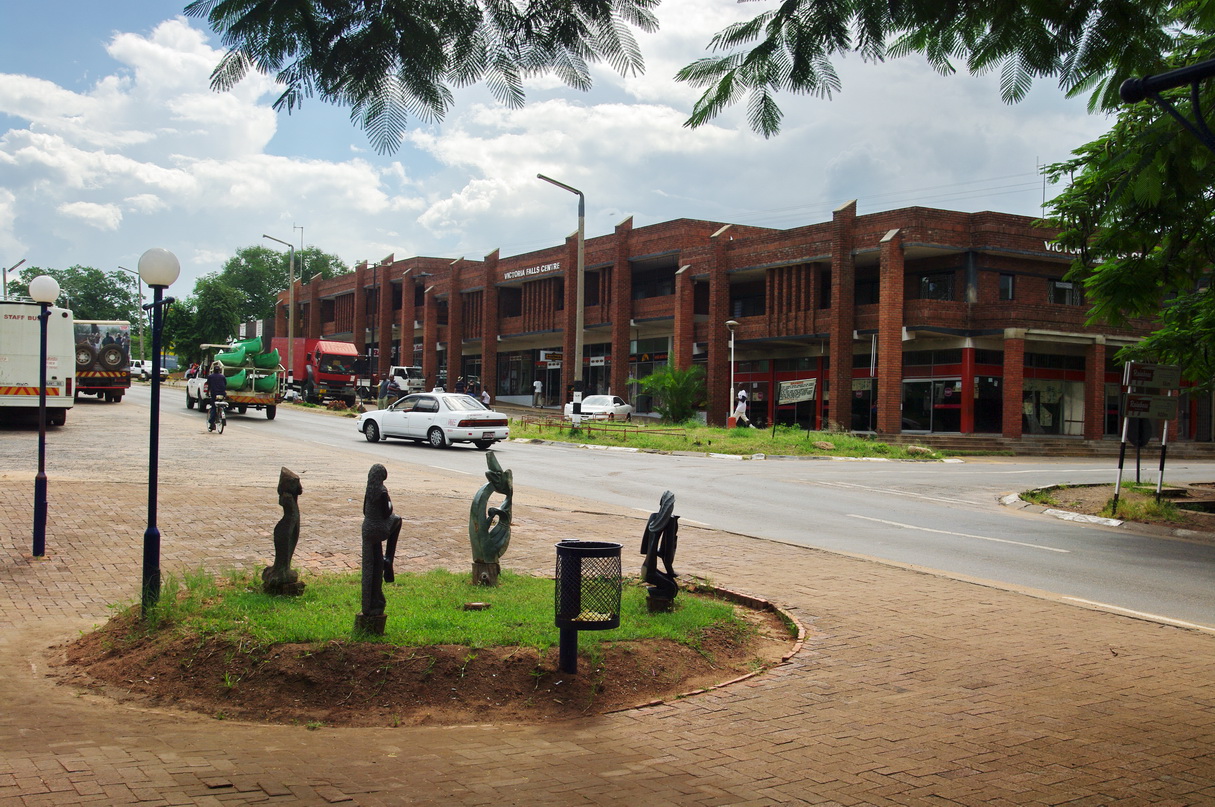
Victoria Falls town is also where the activity operators are concentrated — rafting, bungee, helicopter flights, gorge swings, and the bulk of the guided walks. If your trip is activity-led rather than view-led, this is the efficient base.
Livingstone, Zambia
Livingstone is a proper town of around 180,000 people, 11 km from the falls, with its own airport (LVI) much closer to the centre than VFA is to Victoria Falls town. It is cheaper across the board and has a more ordinary, less resort-shaped feel.
- Livingstone centre. Budget guesthouses, backpackers and mid-range hotels along and around Mosi-oa-Tunya Road. Cheapest beds in the region. You will need a taxi or shuttle to the falls — it is not walkable.
- The riverfront between town and the falls. Where Livingstone’s upmarket lodges sit, on the Zambezi with lawns running to the water. Several are inside or adjacent to Mosi-oa-Tunya National Park, so zebra and giraffe on the grounds are normal.
- Near the Knife Edge Bridge. A short cluster within walking distance of the Zambian entrance, which is the only genuinely walk-to-the-falls option on this side.
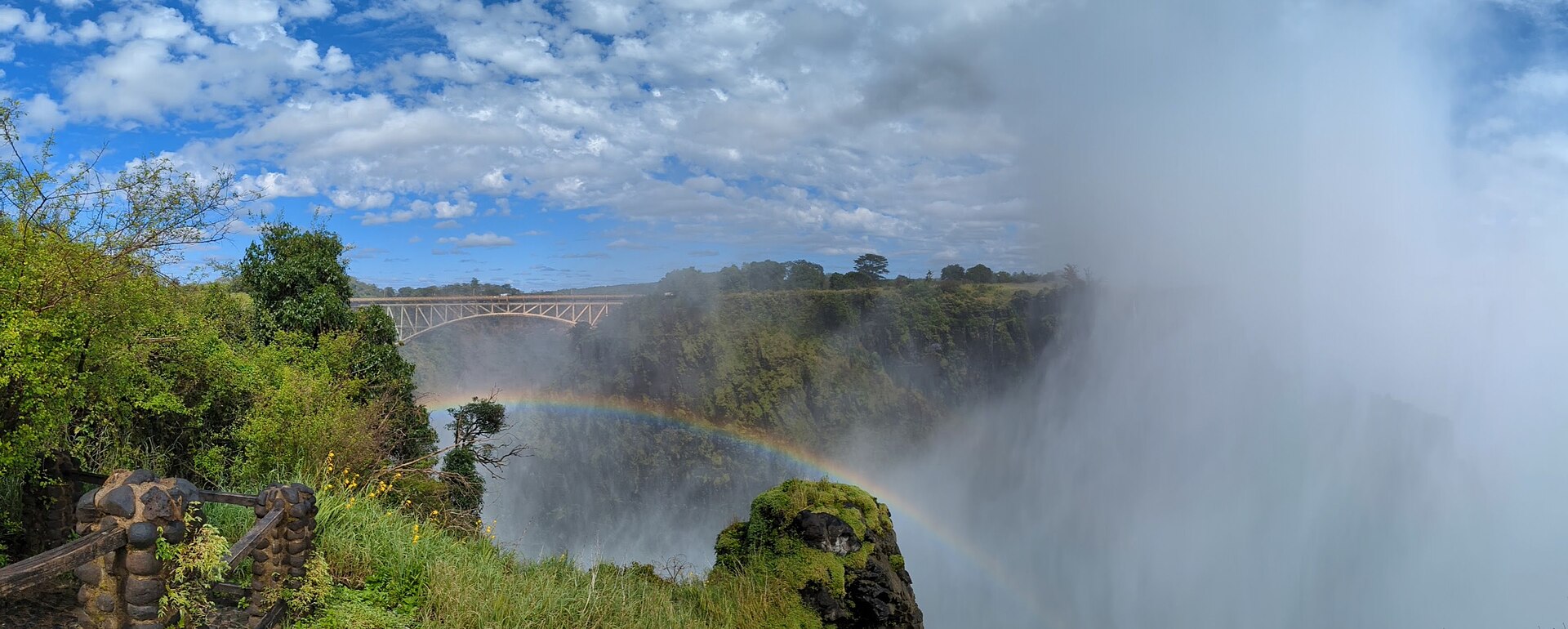
Livingstone is also the launch point for Livingstone Island and Devil’s Pool, which cannot be reached from Zimbabwe at all.
The seasonal pattern that should decide your dates
The Zambezi’s flood cycle changes the falls more dramatically than weather changes most destinations, and the two sides respond differently.
- February to May — peak flow. The full width runs. Spray is so heavy that on the Zimbabwean side you will be soaked and, at the height of it, may not see the bottom of the gorge at all. Raincoats are rented at the gate and are not optional. Zambia’s side is spectacular but viewpoints are often whited out.
- June to August — the sweet spot for photographs. Strong flow, clearer air, comfortable dry-season temperatures. Also peak tourist season and peak room rates. Book several months ahead.
- September to December — low water. The Zambian side reduces to bare rock in places, and the Zimbabwean side carries the show. This is when Devil’s Pool operates: roughly mid-August to mid-January, with September to November the most reliable window. Tours run about US$100–180 per person including the boat to Livingstone Island.
- December to January — the rains return. Hot, humid, afternoon storms, fewest visitors and the lowest rates of the year.
The short version: come for the waterfall between March and July and sleep in Zimbabwe. Come for Devil’s Pool between September and November and sleep in Zambia, or in Zimbabwe with a UniVisa and one planned crossing.
Getting from the airport to your bed
Victoria Falls International (VFA) is about 20 km from Victoria Falls town — a 20 to 25 minute drive. Livingstone’s Harry Mwanga Nkumbula International (LVI) is only about 6 km from central Livingstone. Most lodges on both sides include or sell airport transfers, and this is one destination where a pre-booked transfer is worth more than the small saving from arranging something on arrival: taxi supply at VFA is thin when two flights land together, and there is no rail or public bus alternative.
If you are arriving on one side and sleeping on the other, book a cross-border transfer specifically — a standard airport taxi will usually not take you through immigration, and you would be swapping vehicles at the bridge anyway.
Our guides to driving the Garden Route in South Africa and SUV rental for a Kenyan safari cover the equivalent logistics elsewhere on the continent.
Do you need a car here?
For most visitors, no. Both towns are small, activity operators collect from accommodation, and the falls themselves are entered on foot. A rental car earns its keep in exactly three situations: you are staying at a bush lodge outside town and want independence; you are combining Victoria Falls with Hwange or Chobe on a self-drive; or you are crossing to Botswana and back and want to keep your own vehicle.
If any of those apply, arrange the vehicle before arrival and confirm the cross-border paperwork explicitly — Zimbabwe, Zambia and Botswana all require a letter of authority from the rental company plus third-party insurance bought at the border, and a car booked without cross-border permission will be turned back.
What a night actually costs
Rates swing hard by season, so treat these as dry-season (June–August) ballparks per double room per night, and expect 30–50% less in the January–March low season.
- Livingstone backpackers and guesthouses: roughly US$25–60.
- Mid-range town hotels, either side: roughly US$90–180, usually with breakfast.
- Riverfront and bush lodges: roughly US$250–500, frequently on a half- or full-board basis because there is nowhere else to eat.
- The landmark colonial properties and luxury camps: US$600 and up, often quoted per person sharing rather than per room — read the basis before comparing.
Two costs people forget: park entry is charged per person per entry on each side (US$50 Zimbabwe, US$20 Zambia, with lower rates for SADC residents and children), and activities here are priced in US dollars at international rates. A helicopter flip, a rafting day and a Devil’s Pool slot together can easily exceed three nights of your room rate.
Matching the base to the trip
- One night, first visit. Victoria Falls town centre, Zimbabwe. Walk to the gate at opening, do the full rainforest circuit, eat in town.
- Budget trip. Central Livingstone. Cheaper beds, cheaper food, cheaper park entry, and the Zimbabwean side is still reachable on a UniVisa day crossing.
- Devil’s Pool is the point. Zambia, September to November, near the falls or on the Livingstone riverfront. Book the slot before you book the room — they sell out.
- Honeymoon or a splurge. Zambezi riverfront on either side. Sunset cruise from your own jetty, game on the lawn, and a transfer to the falls when you want it.
- Family with young children. Town-centre hotel with a pool, Zimbabwe side. The spray path is genuinely slippery and the gorge edges are unfenced in places; a short walk from the room matters.
- Part of a longer safari. A Masuwe or Zambezi National Park lodge, which turns the travel days between Hwange, Chobe and the falls into game-viewing rather than transit.
Practical notes
- Currency. The US dollar is the working currency on both sides for tourism. Bring clean, undamaged notes — torn or pre-2009 bills are frequently refused — and small denominations for tips and park fees.
- Power. Load-shedding is a fact of life in both countries. Any lodge above budget level runs a generator or solar; confirm it if you depend on charging equipment.
- Wildlife in town. Elephants and buffalo move through Victoria Falls town, particularly at night in the dry season. Hotels will insist on escorting you between buildings after dark. Take that seriously.
- Malaria. The Zambezi valley is a malaria area, with risk highest in the wet season from November to April. Seek medical advice on prophylaxis before travelling.
- Booking window. June to August fills months ahead, especially riverfront lodges and anything with a limited room count. Devil’s Pool and helicopter slots are capped daily and go first.
The falls themselves take half a day. Everything else about this trip — the crossing, the season, the side of the river you wake up on — is a decision you make at the booking stage, and it is the part that actually shapes the visit.
More African destination guides: Cape Town, Nairobi and where to stay in Zanzibar.